

 معاينة الحجم الواقعي
 مشاركة
 مشاركة
 التفاصيل
 دليل
دليل

 تحميل الملف
 قطع مشابهة
 الأشعة السينية
 عرض شرائح
 الأسئلة والأجوبة
 الإحصائيات
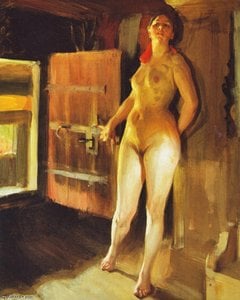
Nude

- 43.0 x 80.0 cm

 عرض المزيد
طباعة جيلي / مطبوعات فنية
طباعة جيكلي أو كانفاس بجودة المتاحف، مع سرعة في التنفيذ وخيارات متنوعة للتشطيب. ( شراء لوحة مرسومة يدويًا الانتقال إلى الصورة الرقمية)




































اختر من بين أحجامنا المُعدّة مسبقاً والتي تتوافق مع النسب الأصلية للعمل الفني.

أدخل العرض والارتفاع المطلوبين ليتناسب المقاس مع إطارك أو جدارك. يرجى الملاحظة أن المطبوعة يمكن قصها فقط ولا يمكن تكبيرها لتتجاوز أبعاد الصورة الأصلية، لذا فإن اختيار مقاس بأبعاد مختلفة سيؤدي إلى فقدان جزء من الصورة. سنرسل لك نموذجاً رقمياً تجريبياً لاعتماده قبل البدء في عملية الطباعة. الصورة المعروضة في هذه الصفحة لا توضح شكل القص الفعلي — النموذج التجريبي فقط هو ما يظهر ذلك بدقة.
توصيل عالمي إلى خلال أسبوعين بدلاً من المدة القياسية البالغة 4/5 أسابيع. (4 نوفمبر)

شحن سريع ومجاني لجميع أنحاء العالم

قماش كتان عالي الجودة

تأمين شامل على الشحن

ضمان استرداد الرسوم الجمركية

ضمان مطابقة الألوان الحقيقية

سياسة الإرجاع خلال 100 يوم (في حالات العيوب فقط)

ضمان استرداد نقدي بنسبة 100%

خصم عند طلب كميات
 خيار الزجاج متاح فقط للمقاسات التي تقل عن 110 سم

Nude
طباعة جيلي / مطبوعات فنية
مقاس النسخة المطبوعة
-


إجمالي السعر النهائي
E£ 3302
الأسئلة والأجوبة
ما هي أبعاد العمل الأصلي "Nude"؟
أبعاد العمل الفني المسجلة لـ "Nude" للفنان Viscount Kuroda Seiki هي 43 x 80 cm. يمكن طلب نسخ مطابقة بأحجام أخرى مع الحفاظ على نفس النسب.
ما هو اللون الطاغي الذي ينساب عبر "Nude" للفنان Viscount Kuroda Seiki؟
اللون السائد في "Nude" للفنان Viscount Kuroda Seiki هو Golden Yellow Range، وهو اللون الذي يشكل النغمة الأساسية لمجموعة الألوان المستخدمة.
هل "Nude" للفنان Viscount Kuroda Seiki لوحة شخصية، أم طبيعية، أم ذات تكوين مربع؟
تأتي لوحة "Nude" بتنسيق Tall، وهو أمر مفيد عند التخطيط لمكان وضع النسخة المطبعة.
أعمال فنية ذات صلة



السيرة الذاتية للفنان
A Pioneer Bridging East and West: The Life and Art of Viscount Kuroda Seiki
Born Kuroda Shintarō in 1866, amidst the transformative currents of Japan’s Meiji era, Viscount Kuroda Seiki emerged as a pivotal figure in the nation's artistic evolution. His journey from samurai lineage to becoming celebrated as “the father of Western-style painting” in Japan is a compelling narrative of cultural exchange and artistic innovation. Adopted by his uncle, Kuroda Kiyotsuna, a high-ranking official in the imperial government, young Seiki was immersed in an environment that valued modernization and engagement with the wider world. This upbringing instilled in him not only a sense of duty but also a curiosity that would lead him far beyond the shores of Japan. Initially preparing for university studies with a focus on English, Kuroda’s path took an unexpected turn under the influence of Yamamoto Hosui, igniting within him a passion for painting and setting the stage for his artistic destiny.From Parisian Studios to a Distinctly Japanese Vision
Kuroda's pursuit of artistic mastery led him to Paris in 1884, where he initially studied law but soon gravitated towards the vibrant art scene. He enrolled in the studio of Louis-Joseph-Raphaël Collin, a French artist who skillfully blended academic rigor with the emerging principles of *plein air* painting—a technique emphasizing direct observation and capturing the fleeting effects of light and atmosphere. This mentorship proved crucial, providing Kuroda with a solid foundation in Western artistic traditions while simultaneously encouraging him to explore new approaches to representation. He absorbed influences from masters like Jean-François Millet and Jules Bastien-Lepage, drawn to their depictions of rural life and naturalism, as well as the burgeoning Impressionist movement led by Claude Monet. These diverse inspirations coalesced within Kuroda, shaping his artistic sensibility and preparing him for a unique mission upon his return to Japan in 1893: to establish a distinctly Japanese form of Western-style painting—*yōga*.Forging a New Path: The Hakubakai and Artistic Leadership
Back in Japan, Kuroda didn’t simply replicate European styles; he sought to synthesize them with the aesthetic sensibilities of his homeland. He became instrumental in forming the *Hakubakai*, an art society dedicated to promoting Western-influenced painting through exhibitions and fostering a new generation of artists. This period marked a turning point in Japanese art history, as Kuroda and his contemporaries challenged traditional conventions and paved the way for modern artistic expression. His paintings from this era, such as the celebrated Lakeside, exemplify this fusion—vibrant colors, elegant figures (often women), and an atmospheric quality reminiscent of Impressionism are all grounded in a distinctly Japanese aesthetic sensibility. Other notable works like *Portrait of Kitao Jirō* and the tragically lost *Talk on Ancient Romance*, demonstrate his versatility and commitment to exploring both portraiture and narrative painting within this evolving style.A Legacy Etched in Paint and Pedagogy
Kuroda’s influence extended beyond his own artistic creations; he profoundly impacted Japanese art education as the director of the Western Painting Faculty at the Tokyo School of Fine Arts. He introduced rigorous training methods based on Western academic principles, while also encouraging students to develop their individual voices and explore new forms of expression. His dedication to fostering a vibrant artistic community ensured that his legacy would endure through generations of artists he mentored. His contributions were formally recognized with the title of Viscount, solidifying his position as a leading figure in Japanese society. Kuroda Seiki’s work continues to resonate today, displayed prominently in institutions like the Tokyo National Museum and the Artizon Museum, serving as a testament to his pioneering spirit and enduring artistic vision. He remains a symbol of Japan's successful integration of Western influences while maintaining its unique cultural identity—a bridge between two worlds, beautifully rendered on canvas.
Viscount Kuroda Seiki
1866 - 1924 , Japan
حقائق سريعة
- Full Name: Viscount Kuroda Seiki
- Nationality: Japanese
- Date Of Birth: 1866
- Date Of Death: 1924
- Place Of Birth: None, Japan
- Notable Artworks:
- Lakeside
- Portrait of Kitao Jirô
- Wisdom, Impression, Sentiment
- Artistic Movement Or Style: Yōga, Impressionism
- Artists Who Influenced This Artist:
- Raphaël Collin
- Jean-François Millet
- Claude Monet
- Artists Or Movements Influenced By This Artist: ['Modern Japanese painting']