


 معاينة الحجم الواقعي
 إرسال
إرسال مشاركة
 عرض التفاصيل
 دليل الأعمال الفنية للطلاب

 تحميل
تحميل
 قطع مشابهة
 الأشعة السينية
 عرض شرائح متتابع
 الإحصائيات
Bodhidharma
 Zen Art Movement
 601
601 90.0cm x 33.0cm
 اقرأ المزيد
طباعة جيلي / مطبوعات فنية
طباعة جيكلي أو كانفاس بجودة المتاحف، مع سرعة في التنفيذ وخيارات متنوعة للتشطيب. ( اطلب نسخة مرسومة يدويًا التحويل إلى الصورة الرقمية)




































اختر من بين أحجامنا المُعدّة مسبقاً والتي تتوافق مع النسب الأصلية للعمل الفني.

أدخل العرض والارتفاع اللذين تحتاجهما، ليتناسب مع إطارك أو جدارك. يمكن قص المطبوعة فقط، ولا يمكن أبداً جعلها أكبر من الصورة الأصلية، لذا فإن أي مقاس بشكل مختلف سيؤدي إلى فقدان جزء من الصورة. سنرسل لك نموذجاً رقمياً تجريبياً لاعتماده قبل البدء في عملية الطباعة. الصورة المعروضة في هذه الصفحة لا توضح القص الفعلي — النموذج التجريبي فقط هو ما يظهر ذلك.
توصيل عالمي إلى خلال أسبوعين بدلاً من المدة القياسية البالغة 4/5 أسابيع. (22 أكتوبر)

شحن سريع ومجاني لجميع أنحاء العالم

قماش كتان فاخر

تأمين شامل على الشحن

ضمان استرداد الرسوم الجمركية

ضمان دقة مطابقة الألوان

سياسة الإرجاع خلال 100 يوم (في حالات العيوب فقط)

ضمان استرداد نقدي بنسبة 100%

عرض خصم الكميات
 خيار الزجاج متاح فقط للمقاسات التي تقل عن 110 سم

Bodhidharma
طباعة جيلي / مطبوعات فنية
مقاس النسخة المطبوعة
-


إجمالي السعر
E£ 3201
The Artist: Unkoku Tōgan
Unkoku Tōgan (1547–1618) was a Japanese painter born into a privileged family in Nagasaki. He began his artistic career in the studio of Kano Shōei before turning to the works of Sesshū Tōyō, becoming one of the most admired ink painters of the Momoyama period.The Painting: Bodhidharma
This imagined portrait by Unkoku Tōgan depicts Daruma (Sanskrit: Bodhidharma), the monk credited with transmitting Chan Buddhism from India to China in the fifth century. The painting, ink on paper, showcases Tōgan's mastery of minimalist composition and expressiveness, reflecting Zen beliefs in direct experience and rejection of superfluous ornamentation.Historical Context
The Zen art movement, influenced by Sarvastivada meditation practice, Mahayana thought, Madhyamaka thought, and Taoist philosophy, emphasizes meditation, intuition, simplicity, and expressiveness. The Suiboku ga art movement, a type of Chinese ink brush painting, emerged during the Tang dynasty (618–907) and overturned earlier, more realistic techniques. It is typically monochrome, using only shades of black, with great emphasis on virtuoso brushwork and conveying the perceived "spirit" or "essence" of a subject.Ink Wash Painting
Wash, a visual arts technique resulting in a semi-transparent layer of color, is often applied in combination with drawing, creating pen and wash, wash drawing, or ink and wash. The classic East Asian tradition of ink wash painting uses black ink in various levels of dilution, historically associated with Zen art.Zen Art Today
Today, Zen art continues to inspire artists and collectors worldwide. Museums such as the Boston Museum of Fine Arts and the Metropolitan Museum of Art feature extensive collections of Zen art, showcasing its enduring appeal and relevance. Discover our hand-made oil painting reproductions of Unkoku Tōgan's 'Bodhidharma' at ArtsDot.com. Experience the profound and enduring vision of reality embodied in this masterpiece. Sources:- The Zen Art Movement
- The Suiboku ga Art Movement
- The Art Media Wash Introduction to the Art of Wash
- Painting by 'Unkoku Tōgan' | Unkoku Tōgan:Bodhidharma (89.6cm x 33.4cm,Paper,)
- Unkoku Tōgan
الأسئلة والأجوبة
إلى أي مرحلة من مسيرة Unkoku Togan الفنية ينتمي العمل "Bodhidharma"؟
ضمن مسيرة Unkoku Togan المهنية، تندرج لوحة "Bodhidharma" ضمن مرحلة Momoyama Period. وتساعد هذه المرحلة في مقارنتها بأعمال الفنان الأخرى.
إلى أي مرحلة من مسيرة Unkoku Togan المهنية تنتمي لوحة "Bodhidharma"، بالنظر إلى تاريخ إنتاجها؟
يضع تاريخ 601 لوحة "Bodhidharma" ضمن مرحلة Momoyama Period من مسيرة تطور Unkoku Togan.
في أي عام وفي أي مدرسة فنية أُنجز العمل "Bodhidharma"؟
أُنجزت لوحة "Bodhidharma" في عام 601، ضمن حركة Zen Art Movement.
أعمال فنية مشابهة


نبذة عن الفنان
Unkoku Tōgan: A Life Dedicated to Landscape and Spirituality
- Born: Nagasaki, Japan (1547)
- Died: 1618
Unkoku Tōgan, born in 1547, stands as a significant figure in Japanese art history, renowned for his realistic landscapes and the profound spirituality interwoven within his works. Born into privilege as the second son of Hara Naoie, lord of Nokomi Castle in Hizen province, Nagasaki provided the backdrop to his early life and artistic development.
Early Training and Artistic Development
Tōgan’s initial training occurred within the esteemed Kanō school, a dominant force in Japanese art during that era. However, he soon transcended this foundation, drawing significant inspiration from the celebrated painter Sesshū Tōsai. This influence is evident in his signature style – paintings primarily executed using ink on paper, depicting strikingly realistic landscapes. He initially worked under Lord Mori of Yamaguchi Prefecture.
Artistic Style and Notable Works
Unkoku Tōgan’s artistic hallmark lies in his bold brushstrokes and the vibrant colors he employed, a departure from traditional Japanese art styles. His landscapes weren't merely depictions of scenery; they conveyed a sense of depth and realism rarely seen at the time. Some of his most recognized works include:
- Screen Depicting Landscape, People, Flowers, and Birds: Currently housed at the Iwami Art Museum, this piece exemplifies his ability to integrate various elements into a cohesive and captivating scene.
- Bodhidharma: A masterful 1601 ink wash painting embodying Zen philosophy, showcasing minimalist composition and profound spirituality.
- Priest Xianzi: Demonstrates his skill in portraiture alongside landscape artistry.
Beyond Painting: Buddhist Life and Spiritual Influence
Tōgan’s life extended beyond the realm of painting. He embraced a spiritual path, becoming a Buddhist priest and abbot of Unkoku-an Temple. This experience profoundly shaped his artistic vision, imbuing his works with themes of nature and spirituality. His paintings often reflect a deep connection to the natural world and an understanding of Zen principles.
Legacy and Influence
Unkoku Tōgan’s influence resonated throughout Japanese art history. While rooted in the Kanō school, he forged his own distinct style that inspired subsequent generations of artists. Notable figures who drew inspiration from his work include:
- Kano Sansetsu
- Kanō Eitoku
His paintings are housed in prestigious institutions such as the Museum Menard Art Museum, highlighting his enduring importance within Japanese cultural heritage. His artistic style and legacy continue to be studied by art historians and scholars today.

Unkoku Togan
1547 - 1618 , Japan
لمحة سريعة
- Artistic Movement Or Style: Suiboku-ga, Kanō school
- Artists Or Movements Influenced By This Artist:
- Kano Sansetsu
- Kanō Eitoku
- Artists Who Influenced This Artist:
- Sesshu
- Kanō School
- Date Of Birth: 1547
- Date Of Death: 1618
- Full Name: Unkoku Tōgan
- Nationality: Japanese
- Notable Artworks:
- Screen Depicting Landscape
- Bodhidharma
- Priest Xianzi
- Place Of Birth: Nagasaki, Japan
مقالات ذات صلة

أعمال كاتسوشيكا هوكوساي الـ 25 الأكثر روعة: تحف فنية تزين منزلك بجمال اليابان
اكتشف 25 تحفة فنية آسرة لكاتسوشيكا هوكوساي، رائد فن الأوكييو-إي الياباني. موجة كاناغاوا وجبل فوجي وأكثر! استلهم ديكور منزلك بألوان مائية يابانية خالدة. تسوق لوحات هوكوساي عالية الجودة على ArtsDot.com.

Ephemeral Expressions: Exploring the Nuances of Ink on Paper Through History & Contemporary Art
Explore the captivating world of ink wash painting – from its ancient origins to contemporary masters. Discover techniques, symbolism & conservation insights with ArtsDot.com.
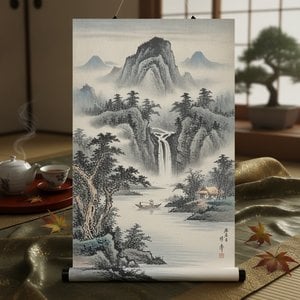
Serenity on Canvas: A Guide to the Timeless Beauty of Japanese Landscape Painting
Discover the serene beauty of Japanese landscape painting. From Hokusai's iconic woodblock prints to meditative sumi-e ink washes, explore a visual journey through the 'floating world' and learn how to bring this timeless Zen aesthetic into your modern home decor.

Ephemeral Lines: Exploring Emotional Resonance in Ink Sketching Traditions
Explore the profound art of ink sketching! Discover techniques to express emotion, master line work, and cultivate artistic sensitivity. Learn from historical masters & unlock your creative potential.

Xie Zhiliu: A Legacy of Ink Wash Painting & Modern Chinese Literati Tradition
Explore the legacy of Xie Zhiliu, a master of Chinese ink wash painting & prominent figure in modern art. Discover his techniques, influences, and contributions to literati tradition. A guide for discerning collectors.