


 معاينة الحجم الواقعي
 إرسال
إرسال مشاركة
 عرض التفاصيل
 دليل الأعمال الفنية للطلاب

 تحميل
تحميل
 قطع مشابهة
 الأشعة السينية
 عرض شرائح متتابع
 الإحصائيات
Triptych (exterior)
 Acrylic On Canvas
- WallArt
- Early Netherlandish
 1333
1333 62.0 x 22.0 cm
 Staatliche Museen
 اقرأ المزيد
نسخة زيتية مصنوعة يدوياً
لوحة زيتية مرسومة يدوياً على الكانفاس بالمقاس والإطار الذي تفضله، تُنفذ حسب الطلب على أيدي فنانينا. ( التبديل إلى المطبوعات التحويل إلى الصورة الرقمية)




P118B $10

P118H $10

P118W $10

P438Z $10

P508JH $12

P508YH $12

P805H $10

P805Z $10

P919BZ $10

P919G $10

P919XJ $10

P959ZH $10

P968JZ $12

W106C $8

W218G $10

W218JH $8

W218Y $10

W307PJ $10

W316G $10

W316PJ $8

W316Y $10

W398PJ $8

W4111J $10

W500HY $15

W500JH $15

W692G $12

W849H $8

W940BG $15

W953PJ $8




اختر من بين أحجامنا المُعدّة مسبقاً والتي تتوافق مع النسب الأصلية للعمل الفني.

يمكنك إدخال أبعاد خاصة لتناسب إطاراً أو مساحة معينة. وفي حال عدم تطابق الحجم المختار مع نسب الصورة الأصلية، سنقوم إما بقص العمل الفني أو توسيع اللوحة عبر إضافة عناصر مرسومة يدوياً. وسيتم إرسال نموذج رقمي إليك للموافقة عليه قبل بدء عملية الإنتاج.
يرجى ملاحظة أن المعاينة على الشاشة لا تعكس عملية القص أو التوسيع الفعلية؛ إذ إن النموذج الرقمي هو الوحيد الذي يوضح التكوين النهائي بدقة.
وعلى الرغم من توفر أحجام مخصصة، إلا أننا نوصي باختيار أبعاد من القائمة المحددة مسبقاً للحفاظ على النسب الأصلية للعمل الفني.
بعد إتمام الطلب، سيرسل فريق ArtsDot.com بريداً إلكترونياً للعميل لطلب التعليمات وتزويده بمعاينة تجريبية (mockup).
توصيل عالمي إلى خلال 3 إلى 4 أسابيع بدلاً من المدة المعتادة البالغة 5 أسابيع. (26 سبتمبر). جودة لا تهاون فيها.

شحن سريع ومجاني لجميع أنحاء العالم

قماش كتان فاخر

تأمين شامل على الشحن

ضمان استرداد الرسوم الجمركية

ضمان دقة مطابقة الألوان

سياسة الإرجاع خلال 100 يوم (في حالات العيوب فقط)

ضمان استرداد نقدي بنسبة 100%

عرض خصم الكميات
 خيار الزجاج متاح فقط للمقاسات التي تقل عن 110 سم

Triptych (exterior)
وسيط إعادة الإنتاج
مقاس النسخة المطبوعة
-


إجمالي السعر
$ 263
Triptych (Exterior) by Taddeo Gaddi – A Window into Fourteenth-Century Florence
The Triptych (exterior) by Taddeo Gaddi, painted in 1333, isn’t merely a religious depiction; it's a vibrant snapshot of Florentine life and faith during a pivotal moment in the city’s artistic evolution. Commissioned likely for a prominent church or civic building, this remarkable work offers a rare glimpse into the world of Taddeo Gaddi, Giotto’s most gifted pupil, and his innovative approach to portraying both sacred narratives and the realities of human experience. The piece, now housed at the Staatliche Museen zu Berlin, immediately captivates with its rich palette, dynamic composition, and subtle yet profound symbolism – a testament to Gaddi's mastery and Giotto’s enduring influence.- The Scene: At first glance, the triptych presents a familiar religious tableau: Christ Entrusting Mary to John, an event central to Christian theology. However, Gaddi elevates this scene beyond simple iconography. The figures aren't static; they’re imbued with a palpable sense of movement and emotion. Christ’s gesture is one of benevolent guidance, while Mary appears serene and receptive, her gaze fixed on the future. John, youthful and attentive, embodies loyalty and devotion.
- The Angels: Above the central scene, two angels are depicted – St. Catherine of Alexandria and St. Christopher – flanking a celestial vision of Christ. These figures aren’t rendered with the idealized beauty often associated with religious art; instead, they possess a grounded quality, reflecting Gaddi's commitment to portraying human likeness with remarkable accuracy.
- The Exterior Shutters: The intricate details of the exterior shutters are equally compelling. Here, Gaddi employs a full-color technique, a departure from the traditional grisaille used for these panels. This vibrant approach adds depth and drama to the scene, depicting a wayfarer being confronted by temptations and ultimately led towards damnation.
Gaddi’s Innovative Technique and Giotto's Legacy
Taddeo Gaddi’s style is deeply rooted in Giotto’s groundbreaking innovations – a move away from the stylized Byzantine tradition toward a more naturalistic and emotionally resonant representation of figures and space. Unlike many of his contemporaries, Gaddi didn’t shy away from depicting human imperfections; he embraced them, imbuing his subjects with a sense of humanity rarely seen in earlier Florentine art. The use of poplar wood, a common material for panel paintings at the time, contributes to the piece's slightly textured surface and adds to its overall rustic charm. The composition itself is carefully balanced, drawing the eye through the triptych’s layers of narrative and symbolism. Gaddi’s influence extends beyond his immediate teacher; he was a key figure in shaping the nascent Renaissance style in Florence. His work demonstrates a sophisticated understanding of perspective and spatial relationships – elements that would become increasingly important during the High Renaissance. The subtle gradations of light and shadow, combined with the dynamic poses of the figures, create a sense of depth and realism that distinguishes Gaddi’s art from earlier medieval styles.Symbolism and Context: A Reflection of Florentine Society
The Triptych (exterior) is more than just a religious depiction; it's a reflection of Florentine society in 1333. The scene of the wayfarer, beset by temptations and ultimately destined for damnation, speaks to the anxieties and moral concerns prevalent during this period. The inclusion of figures like St. Margaret and St. Christopher highlights the importance of saints as protectors and guides within the community. Furthermore, the presence of a wagon filled with fools – a common motif in medieval art – underscores the pervasive corruption and moral decay that plagued Florentine society at the time. It’s believed that Gaddi's work was commissioned during a period of political instability and social unrest in Florence, reflecting the city’s turbulent history. The triptych serves as a poignant reminder of the challenges faced by Florentines striving to maintain their faith and values amidst uncertainty and adversity.A Timeless Masterpiece: Reproduction and Appreciation
Today, the Triptych (exterior) by Taddeo Gaddi stands as a testament to the enduring power of art to illuminate history, evoke emotion, and inspire contemplation. Reproductions offer an accessible way to experience this remarkable work of art, bringing its beauty and symbolism into homes and spaces around the world. When selecting a reproduction, consider the quality of materials and printing techniques – ensuring that the colors and details faithfully capture the essence of Gaddi’s original masterpiece. Whether displayed in a grand hall or a cozy corner, this triptych continues to captivate viewers with its timeless appeal and profound insights into the heart of Renaissance Florence.أعمال فنية مشابهة


نبذة عن الفنان
صاحب الرؤية الفلورنسية: حياة وإرث تاديو غادي
في الأجواء النابضة بالحياة والمتنامية لمدينة فلورنسا في القرن الرابع عشر، وهي حقبة تميزت بالانتقال من العصور الوسطى إلى بدايات عصر النهضة، برز تاديو غادي كأستاذ للضوء والسرد والعظمة المعمارية. وبصفته أحد أبرز تلاميذ الأسطورة جيوتو دي بوندوني، لم يرث غادي مجرد أسلوب فني، بل عمل على توسيع المفردات البصرية لعصره. ويعد عمله جسراً حيوياً ينقل الثقل الصرحي للطبيعية الجيوتية إلى عالم جديد من التعقيد الزخرفي والسرد المضيء. إن دراسة أعمال غادي هي بمثابة شهادة على تطور الرسم الفلورنسي، حيث بدأت التراتبية الصارمة للتقاليد البيزنطية تلين تحت تأثير العاطفة الإنسانية والعمق الفراغي.
كانت أسس براعة غادي الفنية متجذرة بعمق في ورشة عمل جيوتو، حيث تعلم الأهمية البالغة لتقنية الكياروسكورو والقدرة على تجسيد الشخصيات بإحساس بالوجود المادي. ومع ذلك، امتلك غادي ميلاً فطرياً نحو نهج أكثر زخرفية وتفصيلاً من معلمه؛ فبينما ركز جيوتو على الجوهر النحتي الخام للإنسانية، أدخل غادي أناقة رقيقة واستخداماً متطوراً للضوء يمكنه تحويل السطح المسطح إلى نافذة من الإشراق الإلهي. وقد سمح له هذا المزيج الفريد بالتفوق في دورات اللوحات الجدارية الضخمة، حيث أظهر قدرة لا مثيل لها على تنظيم الروايات اللاهوتية المعقدة ضمن إطارات معمارية تبدو مقدسة وملموسة في آن واحد.
براعة السرد والضوء المقدس
توجد أثمن مساهمات غادي الخالدة في تاريخ الفن ضمن دورات لوحاته الجدارية الرائعة، ولا سيما في مصلى بارونتشيلي في كنيسة سانتا كروتشي بفلورنسا. ففي هذه الأعمال، حقق مستوى مذهلاً من الاستمرارية السردية، حيث يقود المشاهد عبر حياة القديسين بنعمة إيقاعية. اعتمدت تقنيته على طبقات دقيقة من اللون والضوء، مستخدماً في كثير من الأحيان لمسات ذهبية وأصباغاً غنية لاستحضار الأجواء السماوية للإلهيات. ويمكن للمرء أن يلاحظ براعته في قطع مثل مشهد من حياة القديس فرنسيس، حيث يلتقط الفنان لحظات من الحميمية الروحية العميقة. ومن خلال هذه التصويرات، لا يكتفي غادي بسرد قصة فحسب، بل يخلق بيئة غامرة تتعايش فيها الطيور والمناظر الطبيعية والشخصيات البشرية في حالة من التوازن المقدس.
وبعيداً عن تقواه الدينية، تتميز أعمال غادي بعدة عناصر فنية محددة:
- التكامل المعماري: امتلك موهبة نادرة في رسم الأطر المعمارية التي بدت وكأنها تمد المساحة المادية الفعلية للمصلى أو الكنيسة.
- لوحات لونية مضيئة: ساعد استخدامه للأزرق النابض، والأحمر العميق، والذهبي المتلألئ في تحديد البهاء الجمالي للمدرسة الفلورنسية.
- التفاصيل السردية: على عكس التكوينات الأكثر تقشفاً لأسلافه، أغنى غادي مشاهدة بتفاصيل معقدة—من ملمس ثوب الراهب إلى الحركة الرقيقة للطبيعة.
- تطور الضوء: دفع حدود كيفية تفاعل الضوء مع الأسطح، مما خلق إحساساً بالجو العام الذي مهد الطريق للمنظور الجوي لكبار أساتذة عصر النهضة اللاحقين.
الأهمية التاريخية والإرث الفني
تكمن الأهمية التاريخية لتاديو غادي في دوره كحارس ومبتكر؛ فقد حافظ على الهيبة الصرحية للتقاليد الجيوتية مع إضفاء الثراء الزخرفي الذي ميز فترة أواخر العصر القوطي في الوقت ذاته. وقد امتد تأثيره إلى ما هو أبعد من جدران المصليات الفلورنسية، ليؤثر على الطريقة التي اتبعتها الأجيال اللاحقة من الرسامين في التعامل مع مفهوم المساحة والضوء. ومن خلال مزج الصلابة الهيكلية لتدريبه مع حساسية جديدة أكثر غنائية، ساعد غادي في تهيئة المشهد الفني للازدهار الكامل لعصر النهضة.
وبينما نتأمل في أعماله، نرى فناناً كان متناغماً بعمق مع النبض الروحي والمدني لعصره. إن قدرته على تجسيد المقدس من خلال عدسة الطبيعية المتنامية ضمنت أن تظل أعماله ليست مجرد موضوعات للتبجيل، بل تحفاً فنية في الإنجاز التقني. يظل تاديو غادي حجر زاوية في تاريخ الفن الإيطالي، رساماً التقطت ضربات فرشاته اللحظة التي بدأ فيها العالم في العصور الوسطى يتطلع نحو ضوء عصر جديد متمحور حول الإنسان.

تاديو غادي
1290 - 1366 , إيطاليا
لمحة سريعة
- Artistic Movement Or Style: عصر النهضة المبكر
- Artists Or Movements Influenced By This Artist:
- جيوتو
- بدايات عصر النهضة
- Artists Who Influenced This Artist:
- سيموني مارتيني
- الفن الإيطالي البيزنطي
- Date Of Birth: حوالي 1290
- Date Of Death: 1348
- Full Name: أمبروجيو لورينزيتي
- Nationality: إيطالي
- Notable Artworks:
- رمزية الحكومة الرشيدة
- رمزية الحكومة الفاسدة
- Place Of Birth: سيينا، إيطاليا
مقالات ذات صلة

The Enduring Legacy of Fresco: Technique, History & Artistic Expression Across Cultures
Explore the rich history & enduring legacy of fresco painting! Discover ancient techniques, Giotto's masterpieces, and modern applications. Expert insights for art lovers & professionals.
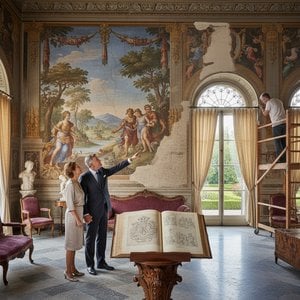
الفريسكو كإرث عائلي: الحفاظ على التراث من خلال فن الجدار
اكتشف فن الفريسكو العريق وتاريخه الغني مع ArtsDot. خبراء في الحفاظ على التراث، وتقديم أعمال فنية فاخرة مخصصة لتصميم منزلك. جودة عالية وموثوقية تضمن إرثًا دائمًا.

Proto-Renaissance Masters: 10 Artworks That Changed History | ArtsDot
Journey back to the dawn of Renaissance art! Explore 10 iconic Proto-Renaissance masterpieces by Giotto, Cimabue & Duccio. Discover their stories, techniques & lasting impact. Find museum-quality reproductions for your home at ArtsDot.com

أفضل 25 لوحة لجوتو دي بوندوني: تحف فنية لتزيين منزلك بأناقة
اكتشف أروع 25 لوحة لجوتو دي بوندوني، رائد فن عصر النهضة. استكشف قصصًا فنية خالدة وتقنيات فريدة وألوانًا آسرة. احصل على نسخ عالية الجودة لتزيين منزلك بأناقة رفيعة على ArtsDot.com

The Enduring Legacy of Fresco Painting: Techniques, History & Contemporary Relevance
Explore the rich history & enduring artistry of fresco painting – from Giotto to Michelangelo! Discover techniques, conservation efforts, & modern applications. Learn how ArtsDot brings this timeless art form to your home.