
- الرئيسية

- نسخة زيتية مطابقة للأصل
- بيتر بول روبنز
- رومولوس و ريميوس

 شراء نسخة مطبوعة شراء الصورة بدقة عالية
 مشاركة
 مشاركة
 Details
 أضف إلى المفضلة

 تحميل الملف
 قطع مشابهة
 X-Ray
X-Ray
 عرض شرائح
رومولوس و ريميوس
 زيت على قماش
- لوحات جدارية
- Baroque
 1616
1616- العصر الحديث المبكر
 210.0 x 212.0 cm
نسخة زيتية مصنوعة يدوياً
لوحة زيتية مرسومة يدوياً على الكانفاس بالمقاس والإطار الذي تفضله، تُنفذ حسب الطلب على أيدي فنانينا.




P118B $10

P118H $10

P118W $10

P438Z $10

P508JH $12

P508YH $12

P805H $10

P805Z $10

P919BZ $10

P919G $10

P919XJ $10

P959ZH $10

P968JZ $12

W106C $8

W218G $10

W218JH $8

W218Y $10

W307PJ $10

W316G $10

W316PJ $8

W316Y $10

W398PJ $8

W4111J $10

W500HY $15

W500JH $15

W692G $12

W849H $8

W940BG $15

W953PJ $8




 للمزيد من المعلومات
اختر من بين أحجامنا المُعدّة مسبقًا والتي تتطابق مع النسب الأصلية للعمل الفني.

يمكنك إدخال أبعادك الخاصة لتناسب إطارًا معينًا أو مساحة محددة. وإذا لم يتطابق الحجم الذي اخترته مع نسب الصورة الأصلية، فسنقوم إما بقص العمل الفني أو توسيع اللوحة بإضافة عناصر مرسومة يدويًا. سيتم إرسال نموذج رقمي إليك للموافقة عليه قبل بدء الإنتاج.
يرجى ملاحظة أن المعاينة على الشاشة لا تعكس عملية القص أو التوسيع الفعلية؛ حيث إن النموذج الرقمي وحده هو الذي سيوضح التكوين النهائي بدقة.
وعلى الرغم من توفر أحجام مخصصة، إلا أننا نوصي باختيار أبعاد من القائمة المحددة مسبقًا للحفاظ على النسب الأصلية للعمل الفني.
بعد إتمام الطلب، سيرسل فريق ArtsDot.com بريداً إلكترونياً للعميل لطلب التعليمات وتزويده بمعاينة تجريبية (mockup).
توصيل عالمي إلى خلال 3 إلى 4 أسابيع بدلاً من المدة المعتادة البالغة 5 أسابيع. (1 يوليو). جودة لا تهاون فيها.

شحن سريع ومجاني لجميع أنحاء العالم

قماش كتان عالي الجودة

تأمين شحن شامل

ضمان استرداد الرسوم الجمركية

ضمان مطابقة الألوان الحقيقية

سياسة الإرجاع خلال 60 يومًا (في حالات العيوب فقط)

ضمان استرداد نقدي بنسبة 100%

خصم عند طلب عدة قطع
 خيار الزجاج متاح فقط للمقاسات التي تقل عن 110 سم

رومولوس و ريميوس
خامة إعادة الإنتاج
مقاس النسخة المطبوعة
-


السعر الإجمالي النهائي
-
وصف العمل الفني
تأسيس أسطوري: استكشاف "رومولوس و ريميوس" لروبنز
يُعدّ تحفة روبنز عام 1616، "رومولوس و ريميوس"، تصورًا قويًا للمؤسسين الأسطوريين لروما. تم تنفيذ هذه العملة في زيت على قماش بأبعاد 210 × 212 سم، وهي تجسد الديناميكية واللمسة الدرامية المميزة لفترة الباروك الفلامانية. اللوحة لا تُصوّر قصة فحسب؛ بل تدعونا إلى لحظة محورية تعج بالإمكانات وتنبئ بالمصير.التكوين والرواية
تتكشف المشهد بتأثير مباشر وملفت. توأم صغيران، رومولوس وريميوس، يستلقيان على الأرض، مع التركيز على ضعفهم بسبب صغر حجمهما. يقف بجوارهما كائن كلب حارس – يُفسَّر بأنه إما ذئب أو هينا – يذكر بالعنصر المركزي في الأسطورة: الرضاعة والحماية من قبل شيماء الذئاب. في الخلفية، تظهر شخصية أمومية تراقب، مما يضيف طبقة من الارتباط الإنساني إلى هذا المشهد البري. طائر جالس على غصن يُدخل تفصيلة إضافية، ربما رمزًا للإلهام الإلهي أو ببساطة يعزز البيئة الطبيعية. يستخدم روبنز ببراعة تكوينًا هرميًا، يجذب العين نحو الشخصيات المركزية ويخلق شعورًا بالاستقرار داخل المشهد الديناميكي. تُشكل تفاعل الضوء والظل الأشكال، مما يعزز حجمها وتأثيراتها العاطفية.بهاء روبنز الباروك: أسلوب وتقنية
"رومولوس و ريميوس" مثال نموذجي على أسلوب روبنز الباروكي. تُظهر تقنيته إتقانًا استثنائيًا للون والحركة والشهوانية. يستخدم الفنان ألوانًا دافئة وغنية – browns، ochres، reds – لخلق تجربة بصرية فاخرة. Impasto، وهي طبقة سميكة من الطلاء، واضحة في مناطق مثل فراء الذئب وعضلات الشخصيات، مما يضيف نسيجًا وعمقًا. تتميز أسلوب روبنز في الرسم بالطاقة والتعبير، ويعكس إحساسًا بالحيوية والإ immediacy. لا يتردد في تصوير الجسد بشكل واقعي، معتبرًا دراساته للتماثيل الكلاسيكية.السياق التاريخي والرمزية
أنجز روبنز هذه العملة خلال فترة مضطربة في تاريخ أوروبا – حرب الثلاثين عامًا. على الرغم من تركيزها على الأساطير القديمة، إلا أن لوحاته غالبًا ما تعكس بشكل خفي المخاوف المعاصرة. قصة رومولوس وريميوس، بظلالها من الانتقام والأساس المنكري للإمبراطورية، يمكن تفسيرها على أنها تعليق على صراعات روبنز السياسية في عصره. الذئب ليس مجرد حيوان بري بل هو رمز لكل من الغريزة البدائية ورعاية الحماية. قد يمثل الطائر أملًا أو تدخلًا إلهيًا. كان روبنز معروفًا بإضفاء طبقات من المعنى على أعماله، ودعوته المشاهدين إلى الانخراط في التأمل الفكري جنبًا إلى جنب مع التقدير الجمالي.التأثير العاطفي والتأثير الدائم
يثير "رومولوس و ريميوس" استجابة عاطفية معقدة. هناك تودد في تصوير الأطفال الصغار، وقلق في وجود الحيوان البري، وشعور بالخوف المسبق بسبب معرفة المصير المأساوي الذي ينتظر التوأمين. إن قدرة روبنز على نقل هذه المشاعر الدقيقة هي شهادة على عبقريته الفنية. ألهمت أعماله تطور التقليد الباروك الفلامندي واستمرت في إلهام الفنانين حتى يومنا هذا. تشمل لوحاته الشهيرة، مثل Marie de’ Medici cycle، إتقانه لسرد القصص المرئية من خلال الفن.امتلاك قطعة من التاريخ
- للمجموعين: تقدم إعادة إنتاج عالية الجودة لـ "رومولوس و ريميوس" فرصة لامتلاك قطعة من تاريخ الفن، وإحضار عظمة رؤية روبنز إلى منزلك.
- للمصممين الداخليين: يجعل هذا اللوحة ألوانها الغنية وتكوينها الدرامي نقطة محورية جذابة في أي مساحة، مما يضيف الأناقة والعمق التاريخي.
- استكشاف إضافي: اكتشف المزيد من المانجات الرائعة لبيتر بول روبنز، بما في ذلك Consequences of War، واستكشف الأعمال ذات الصلة مثل لوحته Old Woman ولوحة The Stigmatization of St. Francis.
أعمال فنية ذات صلة


السيرة الذاتية للفنان
Sir Peter Paul Rubens: A Baroque Master!
Sir Peter Paul Rubens, a name that resonates with the very essence of Baroque dynamism, was far more than simply a painter. He was a diplomat, a scholar, and a cultural architect who fundamentally reshaped the artistic landscape of 17th-century Europe. Born in Siegen, Germany, in 1577, his early life was marked by displacement—a formative experience that would subtly permeate his later work with an undercurrent of drama and emotional depth. His father, Jan Rubens, a lawyer fleeing religious persecution for his Calvinist beliefs, uprooted the family from their native Antwerp, then under Spanish rule. This initial exile instilled in young Peter Paul a sense of resilience and adaptability, qualities that would serve him well throughout his multifaceted career. Following his father’s death in 1587, the family returned to Antwerp, where he received a humanist education before embarking on his artistic training around 1590, apprenticing under Tobias Verhaecht and Adam van Noort, honing foundational skills in drawing and painting techniques. However, it was his time with Otto van Veen that proved pivotal, exposing him to the rich legacy of Italian Renaissance art—a world he would soon embrace wholeheartedly.The Italian Awakening and Artistic Synthesis
In 1600, Rubens embarked on a transformative journey to Italy, a pilgrimage that irrevocably shaped his artistic vision. For eight years, he immersed himself in the masterpieces of Michelangelo, Raphael, and Titian, absorbing their mastery of form, color, and composition. The influence of these Renaissance giants is readily apparent in his early Italian works, characterized by classical themes and idealized figures. Yet, Rubens didn’t merely imitate; he synthesized these influences with his own innate talent, developing a distinctive style marked by vibrant hues, dynamic compositions, and a sensuous depiction of the human form. He studied anatomy meticulously, resulting in figures that possessed both physical realism and emotional power—robust bodies imbued with life and movement. This period wasn’t solely about artistic development; it was a profound intellectual awakening, fostering a deep appreciation for classical mythology and literature which would become recurring motifs throughout his oeuvre. Upon returning to Antwerp in 1608, Rubens swiftly established himself as the leading artist of his time, receiving a flood of commissions that testified to his burgeoning reputation and solidifying his position at the forefront of Flemish art.A Master of Many Forms: Painting Beyond Boundaries
Rubens’s artistic output was astonishingly diverse and prolific. He didn't confine himself to a single genre; instead, he excelled in history paintings, mythological scenes, portraits, landscapes, and religious works—a testament to his versatility and boundless creativity. His large-scale canvases, often intended for churches, palaces, and public spaces, were breathtaking displays of technical virtuosity and dramatic storytelling. The Descent from the Cross (c. 1616-1617) exemplifies his masterful use of light and shadow to create a scene of profound emotional intensity, drawing viewers into the heart of the narrative. The Raising of the Cross (1610-1611), with its swirling figures and dynamic composition, showcases his ability to convey movement and energy—a hallmark of his Baroque style. Even in seemingly static subjects like The Judgement of Paris (c. 1636), Rubens infused a sense of life and vitality through his vibrant color palette and sensual depiction of the human form. His technique was equally remarkable – a masterful command of oil painting, employing impasto to create texture and depth, alongside delicate glazing techniques to achieve luminous effects. He frequently employed allegorical figures and symbolic imagery, layering narratives with complex meanings that invited contemplation and interpretation.Diplomacy, Legacy, and Enduring Influence
Rubens’s influence extended far beyond the realm of art. His diplomatic skills were highly sought after by the Southern Netherlands (modern-day Belgium), and he undertook numerous missions to England, France, and Spain, negotiating treaties and fostering political alliances—a unique dual role that afforded him a nuanced perspective on European affairs and further enhanced his reputation as a man of intellect and influence. In 1630, he married Hélène Fourment, who became both his muse and frequent subject in his paintings – her youthful beauty gracing many of his later works, embodying the sensuality and vitality that characterized his style. He continued to paint prolifically until his death in Antwerp in 1640, leaving behind a vast legacy that continues to inspire awe and admiration. His impact on subsequent generations of artists is immeasurable; painters like Anthony van Dyck, Jacob Jordaens, and Eugène Delacroix all drew inspiration from his dynamic compositions, vibrant colors, and sensuous figures. Rubens didn’t just define the Baroque style—he elevated painting to a new level of prestige and influence, solidifying Antwerp as a major center of artistic production during the 17th century. He remains, centuries later, a towering figure in the history of art, a testament to the power of human creativity and the enduring allure of Baroque splendor. ## Key Characteristics of Rubens’s Style- Dynamic Composition: Rubens' paintings are known for their energetic and dramatic arrangements of figures.
- Vibrant Color Palette: He employed a rich, warm color scheme that brought his canvases to life.
- Sensuous Figures: His depictions of the human form were characterized by fullness, vitality, and often, overt sensuality.
- Masterful Use of Light and Shadow: Rubens skillfully manipulated light and shadow to create depth, drama, and emotional impact.
- Allegorical Symbolism: His works frequently incorporated allegorical figures and symbolic imagery, adding layers of meaning and complexity.

بيتر بول روبنز
1577 - 1640 , ألمانيا
حقائق سريعة
- Artistic Movement Or Style: باروكي
- Artists Or Movements Influenced By This Artist:
- أنتوني فان ديوك
- ياكو بوردجونس
- Artists Who Influenced This Artist:
- ميكائيل أنجيلوس
- رافائيل
- تيشان
- Date Of Birth: 28 يونيو 1577
- Date Of Death: 30 مايو 1640
- Full Name: بيتر بول روبنز
- Nationality: فلندي
- Notable Artworks:
- نزول المسيح من الصليب
- رفع الصلب
- Place Of Birth: زيغن، ألمانيا
مقالات ذات صلة

Peter Paul Rubens: A Baroque Master's Life, Legacy & Enduring Influence
Discover the life & art of Peter Paul Rubens, the most influential artist of the Flemish Baroque tradition. Explore his masterpieces, legacy, and impact on art history with ArtsDot.


Echoes of Olympus: Mythological Narratives in Western Art Through the Ages
Explore the captivating history of mythological narratives in Western art! From ancient Greece to modern masterpieces, discover iconic artworks & symbolism. Expert analysis and high-quality reproductions at ArtsDot.

Pietro da Cortona: Baroque Grandeur & the Synthesis of Roman Painting
Explore the life & masterpieces of Pietro da Cortona, a defining figure of the Italian Baroque. Discover his stunning frescoes at Palazzo Barberini and lasting influence on Roman art history. Learn more with ArtsDot.
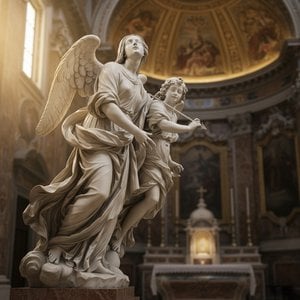
Gian Lorenzo Bernini: Sculpting Baroque Emotion & the Roman Imagination
Explore the life & revolutionary art of Gian Lorenzo Bernini, the master sculptor of the Baroque era. Discover his iconic works like David and Ecstasy of Saint Teresa – a journey into Roman artistic genius.

أعلى 10 روائع باروكية رسمت مسار الفن وجمالية الديكور | ArtsDot
اكتشف روائع عصر الباروك! استكشف 10 لوحات فنية خالدة مع كارافاجيو، رامبرانت وغيرهم. تاريخ الفن، أسلوب باروكي مذهل، و ديكور منزلي فاخر. تسوق إعادة إنتاج فني عالي الجودة على ArtsDot.com



