


 معاينة الحجم الحقيقي
 مشاركة
 مشاركة
 التفاصيل

 تحميل الملف
 قطع مشابهة
 الأشعة السينية
 عرض شرائح
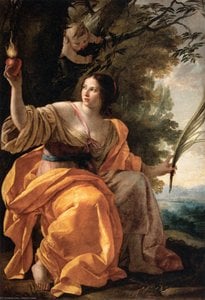
POLYMNIE, MUSE DE L'ELOQUENCE


 عرض المزيد
نسخة زيتية مصنوعة يدوياً
لوحة زيتية مرسومة يدوياً على الكانفاس بالمقاس والإطار الذي تفضله، تُنفذ حسب الطلب على أيدي فنانينا. ( اشترِ نسخة مطبوعة اشترِ الصورة)




P118B $10

P118H $10

P118W $10

P438Z $10

P508JH $12

P508YH $12

P805H $10

P805Z $10

P919BZ $10

P919G $10

P919XJ $10

P959ZH $10

P968JZ $12

W106C $8

W218G $10

W218JH $8

W218Y $10

W307PJ $10

W316G $10

W316PJ $8

W316Y $10

W398PJ $8

W4111J $10

W500HY $15

W500JH $15

W692G $12

W849H $8

W940BG $15

W953PJ $8




اختر من بين أحجامنا المُعدّة مسبقًا والتي تتطابق مع النسب الأصلية للعمل الفني.

يمكنك إدخال أبعادك الخاصة لتناسب إطارًا معينًا أو مساحة محددة. وإذا لم يتطابق الحجم الذي اخترته مع نسب الصورة الأصلية، فسنقوم إما بقص العمل الفني أو توسيع اللوحة بإضافة عناصر مرسومة يدويًا. سيتم إرسال نموذج رقمي إليك للموافقة عليه قبل بدء الإنتاج.
يرجى ملاحظة أن المعاينة على الشاشة لا تعكس عملية القص أو التوسيع الفعلية؛ حيث إن النموذج الرقمي وحده هو الذي سيوضح التكوين النهائي بدقة.
وعلى الرغم من توفر أحجام مخصصة، إلا أننا نوصي باختيار أبعاد من القائمة المحددة مسبقًا للحفاظ على النسب الأصلية للعمل الفني.
بعد إتمام الطلب، سيرسل فريق ArtsDot.com بريداً إلكترونياً للعميل لطلب التعليمات وتزويده بمعاينة تجريبية (mockup).
توصيل عالمي إلى خلال 3 إلى 4 أسابيع بدلاً من المدة المعتادة البالغة 5 أسابيع. (4 سبتمبر). جودة لا تهاون فيها.

شحن سريع ومجاني لجميع أنحاء العالم

قماش كتان عالي الجودة

تأمين شحن شامل

ضمان استرداد الرسوم الجمركية

ضمان مطابقة الألوان الحقيقية

سياسة الإرجاع خلال 60 يومًا (في حالات العيوب فقط)

ضمان استرداد نقدي بنسبة 100%

خصم عند طلب عدة قطع
 خيار الزجاج متاح فقط للمقاسات التي تقل عن 110 سم

POLYMNIE, MUSE DE L'ELOQUENCE
خامة إعادة الإنتاج
مقاس النسخة المطبوعة
-


السعر الإجمالي النهائي
$ 313
Simon Vouet’s *Polymnie, Muse of Eloquence*: A Baroque Masterpiece of Rhetoric and Grace
Within the hallowed halls of the Louvre resides a captivating portrait – *Polymnie, Muse of Eloquence* by Simon Vouet, a pivotal work that embodies the burgeoning spirit of the French Baroque. Painted in 1627, this oil-on-canvas masterpiece transcends mere representation; it’s an invitation into a world of intellectual pursuit, divine inspiration, and the very essence of eloquent speech. Vouet, having spent formative years immersed in the artistic fervor of Italy, masterfully translated the Italian Baroque style to France, establishing himself as the leading painter of his era.
The subject itself, Polymnie, holds a significant place within Greek mythology. She represents eloquence and persuasive speech – the power to articulate ideas with precision and beauty. Vouet’s depiction isn't simply a portrait; it’s an allegorical representation of her role as a guiding force for artists, poets, and anyone seeking mastery of language. The composition is meticulously balanced, adhering to the classical principles of symmetry and proportion that defined much of Italian art, yet infused with the dynamism and emotional intensity characteristic of the Baroque.
A Symphony of Color and Light: Technique and Style
Vouet’s technical prowess is immediately apparent. He employs a masterful blend of *sfumato*, a technique popularized by Leonardo da Vinci, to create soft transitions between colors and forms, lending an ethereal quality to the scene. The palette is dominated by cool blues and whites – reminiscent of classical marble and evoking a sense of serenity and wisdom – punctuated by warm flesh tones that draw attention to Polymnie’s face and figure. Notice how he uses light not just to illuminate, but to sculpt the form, creating a palpable sense of volume and depth.
The artist's brushwork is remarkably subtle, contributing to the painting’s polished appearance. He skillfully layered colors and employed glazing techniques to achieve luminous effects, particularly in the drapery which flows with an almost liquid grace. The architectural backdrop, rendered in muted browns and golds, provides a stately setting for Polymnie, reinforcing her status as a divine muse. The use of linear perspective creates a convincing illusion of depth, drawing the viewer into the scene.
Symbolism and Allegory: Unpacking the Layers
Beyond the immediate beauty of the portrait lies a rich tapestry of symbolism. The two cherubic figures flanking Polymnie are not merely decorative; they represent divine favor and perhaps even creative assistance – embodiments of inspiration itself. The scroll offered by one cherub symbolizes the written word, while the musician’s instrument represents the power of music to convey emotion and ideas. The lion statue at the base of the pedestal is a potent symbol of strength, guardianship, and wisdom—qualities closely associated with eloquence.
Furthermore, Polymnie's pose – seated on a throne-like structure adorned with classical motifs – speaks volumes about her elevated status. The arrangement mirrors the iconography of the *Iconologia* by Cesare Ripa, a widely influential treatise on visual symbolism that informed much of the art produced during this period. Vouet’s painting is thus deeply rooted in a tradition of allegorical representation.
A Timeless Masterpiece: Emotional Impact and Legacy
*Polymnie, Muse of Eloquence* isn't simply a beautiful painting; it’s an invitation to contemplate the power of language, the pursuit of knowledge, and the role of art in shaping human understanding. The serene expression on Polymnie’s face conveys both wisdom and grace, inviting viewers to engage with her as a symbol of intellectual and artistic excellence. Vouet's work continues to resonate today, demonstrating his mastery of technique, his profound understanding of symbolism, and his ability to capture the essence of human experience.
Reproductions of this iconic artwork offer an exceptional opportunity to bring its beauty and depth into any setting, serving as a constant reminder of the enduring power of eloquence and artistic inspiration.
أعمال فنية ذات صلة




السيرة الذاتية للفنان
سيمون فوييه: رائد الرسم الباروكي الفرنسي
- تاريخ الميلاد: 9 يناير 1590، باريس، فرنسا
- تاريخ الوفاة: 30 يونيو 1649، باريس، فرنسا
كان سيمون فوييه شخصية محورية في انتقال الرسم الفرنسي من أسلوب المانييريزم إلى الأسلوب الباروكي. وُلد فوييه لعائلة فنية؛ حيث كان والده لوران رسامًا، وأخوه أوبان يمارس الفن أيضًا؛ وتلقى تدريبًا مبكرًا وضع الأساس لنجاحه المستقبلي. وسيكمل حفيده، لودوفيكو دوريني، الإرث الفني للعائلة.
المسيرة المبكرة والتأثيرات الإيطالية (1608-1627)
- البورتريه المبكر: بدأ فوييه مسيرته كرسام للبورتريه، مُظهراً موهبة مبكرة.
- السفر إلى إنجلترا (1608): في سن الرابعة عشرة، سافر إلى إنجلترا لرسم بورتريه بتكليف، مما أظهر سمعته المتنامية.
- الإمبراطورية العثمانية والبندقية: في عام 1611، انضم فوييه إلى موكب البارون دي سانسي، السفير الفرنسي في الإمبراطورية العثمانية، مرة أخرى للعمل في مجال البورتريه. أخذته هذه الرحلة عبر القسطنطينية ثم إلى البندقية عام 1612.
- روما (1614-1627): أثبتت فترة إقامته في روما أنها كانت تحويلية. بقي هناك لثلاثة عشر عامًا، مغموراً في المشهد الفني النابض بالحياة لفترة الباروك المزدهرة.
خلال إقامته الإيطالية، استوعب فوييه مجموعة متنوعة من التأثيرات. فقد درس تقنيات الإضاءة الدرامية التي ابتكرها كارافاجيو، واحتضن عناصر المانييريزم الإيطالي، وحلل بدقة لوحات الألوان والمنظور di sotto in su (المنظور المُقاصَر) الذي استخدمه باولو فيرونيزي. كما استلهم من أعمال كاراتشي وغويرتشينو ولانفرانكو وغيدو ريني، مُركباً هذه الأساليب المتنوعة في رؤية فنية فريدة.
تطور أسلوب فوييه المميز
- الانتخاب في أكاديمية سان لوكا (1624): بلغت نجاحاته في روما ذروتها بتنصيبه رئيساً لأكاديمية سان لوكا المرموقة، وهو دليل على مهارته واعترافه في عالم الفن الإيطالي.
- توليف التأثيرات: تميز أسلوب فوييه بقدرته على استيعاب وتكثيف مختلف التأثيرات الفنية. لم يكتفِ بالنسخ؛ بل دمج هذه العناصر في جمالية باروكية متماسكة وذات طابع إيطالي واضح.
- تقديم الباروك إلى فرنسا: عند عودته إلى فرنسا عام 1627، لعب فوييه دوراً حاسماً في تقديم الأسلوب الباروكي الإيطالي للرسم الفرنسي، مما أثر بشكل كبير على المشهد الفني للبلاد.
الإنجازات والإرث العظيم
- الرسام الأول للملك: عُين فوييه Premier peintre du Roi (أول رسام للملك) – وهو منصب يحمل هيبة وتأثيراً كبيرين.
- الورشة المزدهرة: حافظ على ورشة عمل كبيرة ونشطة، حيث درّب العديد من الفنانين الذين شكلوا الجيل اللاحق من الرسامين الفرنسيين.
- التلاميذ البارزون: كان من بين تلاميذه الأكثر تأثيراً شارل لو برون (الذي نظّم لاحقاً جميع اللوحات الزخرفية في فرساي)، وفالنتين دي بولوني، وشارل ألفونس دو فريسنوي، وبيير ميغنار، ويستاش لو سويور، وكلود ميلان.
- التأثير على الفن الفرنسي: امتد تأثير فوييه إلى ما وراء أعماله الخاصة؛ فقد حمل تلاميذه أسلوبه وتقنياته في جميع أنحاء فرنسا، مؤسسين مدرسة رسم باروكية مميزة. ويتجلى تأثيره بشكل خاص في المخططات الزخرفية الكبرى التي كلف بها لويس الرابع عشر.
الأهمية التاريخية
يرتكز إرث سيمون فوييه على دوره المحوري كجسر بين الفن الإيطالي والفرنسي. فقد نجح في استيراد ديناميكية وعظمة الباروك الإيطالي، وحوّلها إلى أسلوب لاقى صدى لدى أذواق البلاط الأرستقراطي الفرنسي. إن تأثيره لا يمكن إنكاره في تطور الرسم الفرنسي خلال القرن السابع عشر، ولا تزال مساهماته محط تقدير مؤرخات الفن حتى يومنا هذا.

سيمون فوي
1590 - 1649 , فرنسا
حقائق سريعة
- Artistic Movement Or Style: اللوحة الباروكية
- Artists Or Movements Influenced By This Artist:
- شارل لو برون
- فالنتين دي بولوني
- اللوحة الباروكية الفرنسية
- Artists Who Influenced This Artist:
- كارافاجيو
- باولو فيرونيزي
- كاراكي
- غويرتشينو
- لانفرانكو
- غيدو ريني
- Date Of Birth: 9 يناير 1590
- Date Of Death: 30 يونيو 1649
- Full Name: سايمون فوييه
- Nationality: فرنسي
- Place Of Birth: باريس، فرنسا
مقالات ذات صلة

Simon Vouet: A Baroque Master's Journey from Italian Influence to French Classicism
Explore the life & art of Simon Vouet, a pivotal French Baroque painter who introduced Italian styles to France. Discover his masterpieces and lasting influence on 17th-century art.

دراما الباروك: إحياء الفخامة والعاطفة في الدواخل المعاصرة
اكتشف سحر الباروك! دليل شامل حول الحركة الفنية، عناصرها الجمالية، وكيفية دمج فخامتها وعاطفتها في الدواخل المعاصرة. نصائح من خبراء ArtsDot لإضفاء لمسة باروكية على منزلك.

The Dramatic Flourish: Exploring the Baroque Movement's Enduring Legacy in Art History
Explore the dramatic world of Baroque art! Discover iconic artists like Caravaggio & Rubens, defining techniques, and its lasting impact on art history. Expert insights for collectors & enthusiasts at ArtsDot.

أعلى 10 روائع باروكية رسمت مسار الفن وجمالية الديكور | ArtsDot
اكتشف روائع عصر الباروك! استكشف 10 لوحات فنية خالدة مع كارافاجيو، رامبرانت وغيرهم. تاريخ الفن، أسلوب باروكي مذهل، و ديكور منزلي فاخر. تسوق إعادة إنتاج فني عالي الجودة على ArtsDot.com

The Visceral Stage: Exploring Dramatic Narratives & Emotional Intensity in Baroque Art
Explore the dramatic world of Baroque art! Discover iconic masters like Caravaggio & Rembrandt, their techniques, and the movement's lasting impact. Expert insights for collectors & enthusiasts at ArtsDot.



