


تتبع الصورة اختياراتك: , .
وصف القطعة المقتناة
Admire Louis-Simon Boizot's neoclassical masterpiece – Cupid! Crafted in exquisite Sèvres porcelain, this sculpture embodies elegance & classical beauty. Explore its detailed artistry!
 عرض المزيد
السيرة الذاتية للفنان
Discover Louis-Simon Boizot's exquisite biscuit porcelain sculptures & reliefs! Master of Sèvres, known for neoclassical elegance & Rococo charm. Explore his royal commissions & artistic legacy.
نسخة زيتية مرسومة يدوياً
لوحة زيتية مرسومة يدوياً على الكانفاس بالمقاس والإطار الذي تفضله، تُنفذ حسب الطلب على أيدي فنانينا. ( التبديل إلى نسخة مطبوعة الانتقال إلى الصورة الرقمية)
المزيد حول هذه اللوحة
 معاينة الحجم الواقعي
 مشاركة
 مشاركة
 التفاصيل
 دليل
دليل

 تحميل الملف
 قطع مشابهة
 الأشعة السينية
 عرض شرائح
 الأسئلة والأجوبة
 الإحصائيات
اطلب لوحتك في أربع خطوات بسيطة
خذ وقتك؛ يمكنك تغيير أي إجابة، حيث يتغير السعر في سلة طلبك بناءً على كل اختيار.
1 الخطوة الأولى من أصل أربع
أي حجم تود اختيار؟
تحافظ هذه المقاسات على أبعاد اللوحة الأصلية. ويُظهر الرسم التوضيحي اختيارك معروضاً على جدار، فوق أريكة بطول مترين.
أو أدخل مقاساتك الخاصة
اختر من بين أحجامنا المُعدّة مسبقاً والتي تتوافق مع النسب الأصلية للعمل الفني.

أدخل العرض والارتفاع اللذين تحتاجهما ليتناسب العمل مع إطارك أو جدارك. وبما أن هذه اللوحة مرسومة يدوياً، ففي حال اختيار مقاس بأبعاد مختلفة، يمكن للفنان رسم مساحة إضافية حول الصورة أو تقليصها قليلاً — الخيار لك. سنرسل لك نموذجاً رقمياً تجريبياً لاعتماده قبل البدء في الرسم. علماً بأن الصورة المعروضة في هذه الصفحة لا تعكس النتيجة النهائية الحقيقية، فالنموذج التجريبي هو الوحيد الذي يوضح ذلك بدقة.
2 الخطوة الثانية من أصل أربع
كيف تفضل استلامه: ملفوفاً، أم مشدوداً على إطار، أم مؤطراً؟
الأسعار أدناه هي للمقاس الذي اخترته في الخطوة الأولى.
اختر حواف اللوحة القماشية المشدودة
اختر إطارك

أبيض E£1

حواف ضبابية E£1

ممتد الحواف E£1

P118B E£10

P118H E£10

P118W E£10

P438Z E£10

P508JH E£12

P508YH E£12

P805H E£10

P805Z E£10

P919BZ E£10

P919G E£10

P919XJ E£10

P959ZH E£10

P968JZ E£12

W106C E£8

W218G E£10

W218JH E£8

W218Y E£10

W307PJ E£10

W316G E£10

W316PJ E£8

W316Y E£10

W398PJ E£8

W4111J E£10

W500HY E£15

W500JH E£15

W692G E£12

W849H E£8

W940BG E£15

W953PJ E£8

H24-GOLD E£30

H24-SILVER E£30

H36-GOLD E£45

H36-SILVER E£45
مؤطر
الإطار: . الحجم الإجمالي مع الإطار: .
3 الخطوة الثالثة من أصل أربع
هل تود إجراء أي تغييرات على اللوحة؟
تكون الإجابة "لا" لدى معظم الناس؛ فبما أن كل لوحة تُصنع يدوياً، يمكن لفناننا أيضاً تخصيصها لتناسب ذوقك.
بعد الطلب، سيقوم فريق ArtsDot.com بمراسلة العميل عبر البريد الإلكتروني للحصول على التعليمات وتزويده بمعاينة تجريبية للعمل
4 الخطوة الرابعة من أصل أربع خطوات
بعض خيارات اللمسات النهائية
جميعها اختيارية. الإجابات المختارة مسبقاً لا تترتب عليها أي تكاليف إضافية.
من رسمها؟
توصيل عالمي إلى خلال 3 إلى 4 أسابيع بدلاً من المدة المعتادة البالغة 5 أسابيع. (8 نوفمبر). جودة لا تهاون فيها.
لوحة تعريفية، تماماً كما في المتاحف؟
تفاصيل اللوحة البرونزية المحفورة
This elegant plaque features the artist's name and the title of the artwork, finely engraved for a timeless presentation.
It is made from bronze with a refined, elegant finish. The text is precisely laser-engraved for a sharp and permanent result. Measuring 9x2 cm, the plaque is compact yet easy to read. It's built to be durable and scratch-resistant, offering a professional, museum-quality look. Mounting is simple thanks to the included adhesive backing.
تفاصيل اللوحة الأكريليكية الشفافة
The plaque includes essential engraved details such as the artist's name, the title of the artwork, the date it was created, the type of media used-like oil on canvas or watercolor-a brief description of the piece, and a QR code that links to the complete artwork information.
It is crafted from clear acrylic, offering a sleek, modern appearance. The text is UV-engraved in black to ensure strong visual contrast. With a size of 10x15 cm, it ensures optimal readability. It comes equipped with two metal hooks for secure wall mounting. The plaque is designed to be weather-resistant, making it suitable for various environments, and it includes interactive features that work seamlessly with smartphone scanning.
تفاصيل اللوحة الأكريليكية السوداء
This elegant plaque includes engraved information such as the artist's name, the title of the artwork, the date it was created, the type of media used (like oil on canvas or watercolor), a short description of the artwork, and a QR code for quick access to more information.
The plaque itself is made from refined black acrylic with a premium finish. The text is laser-engraved in white for high contrast and readability. Its size is 10x15 cm, designed to be easy to read. It comes with two metal hooks for professional mounting. The design is sleek and fits any interior style. It is also weather-resistant and durable, with built-in digital integration for mobile compatibility.
ورنيش واقٍ؟
متى تحتاجها؟
✓ المراجعة والطلب
لوحتك، تماماً كما طلبتها

Cupid
خامة النسخة المطبوعة
مقاس النسخة المطبوعة
-

نخبة كبار الفنانين
مزيد من التفاصيل، والبراعة، ووقت إضافي للإنتاج
-

إطار النسخة المطبوعة
-
-
بالنسبة للأعمال الفنية أو النسخ المطبوعة التي يتجاوز طول أي من أضلاعها 105 سم (حوالي 41 بوصة)، سيتم شحن الإطار كمجموعة مفككة؛ حيث تضمن هذه الطريقة سلامة التوصيل وتمنع حدوث أي أضرار أثناء النقل.
يتطلب الأمر تجميعاً احترافياً - هذا المنتج ليس مخصصاً للتركيب الذاتي.
يجب تجميع المجموعة وشد القماش بواسطة فني إطارات محترف وخبير، باستخدام غراء الخشب (غير مرفق)، وكماشة شد القماش، وملاقط لتثبيت القضبان بشكل مستوٍ أثناء جفاف الغراء. إن التجميع غير الصحيح أو عدم توازن شد القماش قد يؤدي إلى تلف العمل الفني بشكل دائم، وهو أمر لا يغطيه الضمان الخاص بنا.
 بالنسبة للأعمال الفنية أو النسخ المطبوعة التي يتجاوز طول أي من أضلاعها 105 سم (حوالي 41 بوصة)، سيتم شحن الإطار كمجموعة مفككة؛ حيث تضمن هذه الطريقة سلامة التوصيل وتمنع حدوث أي أضرار أثناء النقل.
تتضمن المجموعة جميع القطع الخشبية الصلبة، والمقطعة بدقة لتناسب المقاسات المطلوبة.
يتم التجميع باستخدام البراغي المرفقة، بالإضافة إلى غراء الخشب للوصلات الزاوية، وهو غير مرفق ويجب توفيره من قبل فني التأطير الخاص بك.
تتطلب العملية استخدام أدوات احترافية غير مدرجة في المجموعة: مثل زرادية شد القماش (أداة شد) وملاقط لتثبيت القضبان بشكل مستوٍ أثناء جفاف الغراء.
تنبيه هام:
تتطلب الوصلات الزاوية استخدام غراء الخشب، كما يجب تثبيت القضبان باستخدام المشابك حتى يجف الغراء تماماً، ويتطلب شد القماش على الإطار المجمع استخدام كماشة شد القماش. لا تشتمل المجموعة على أي من هذه الأدوات؛ لذا يرجى التواصل مع فني تأطير محترف قبل طلب هذا المقاس.

بطاقة التعريف
-
-

ورنيش واقٍ
ورنيش لامع (يُبرز الألوان ويحمي من الضوء والرطوبة)
-

تخصيص عملي الفني
أمثلة على التعديلات المتاحة: استبدال الوجه بصورة العميل؛ إضافة حيوان أليف (مثل استبدال قطة بكلب)؛ إدراج رسالة مخفية في الخلفية؛ تغيير المناظر الطبيعية أو العناصر في الخلفية.
-

شحن سريع
توصيل عالمي إلى خلال 3-4 أسابيع بدلاً من المدة المعتادة البالغة 5 أسابيع. (8 نوفمبر). جودة لا تضاهى.
-
شحن سريع
توصيل عالمي إلى خلال 5 أسابيع. (15 نوفمبر).
مُضمَّن
إجمالي السعر النهائي
E£ 13775
خيار الزجاج متاح فقط للمقاسات التي تقل عن 110 سم
مرفق مع كل طلب
- شحن سريع ومجاني لجميع أنحاء العالم
- قماش كتان عالي الجودة
- تأمين شامل على الشحن
- ضمان استرداد الرسوم الجمركية
- ضمان مطابقة الألوان الحقيقية
- سياسة الإرجاع خلال 100 يوم (في حالات العيوب فقط)
- ضمان استرداد نقدي بنسبة 100%
- خصم عند طلب كميات


Louis-Simon Boizot’s Cupid: A Testament to Neoclassical Grace Amidst Rococo Echoes
The marble statue of Cupid by Louis-Simon Boizot, created in 1772, stands as a remarkable embodiment of the artistic sensibilities prevalent during the late Enlightenment—a period characterized by both fervent neoclassical idealism and lingering vestiges of rococo exuberance. Sculpted by Boizot for Sèvres porcelain production, this exquisite piece exemplifies his mastery of form and technique, securing him a prominent position amongst the foremost sculptors of his time. Examining its composition, stylistic influences, and symbolic resonance unveils a deeper understanding of artistic taste and cultural values during this pivotal era. Boizot’s sculptural output, though comparatively modest in scale compared to his prolific ceramic achievements, nevertheless possesses an enduring significance due to its contribution to establishing aesthetic standards and disseminating innovative sculpting techniques. Born into a family steeped in artistic heritage—his father, Antoine Boizot, was a designer at the Gobelins Manufactory of Tapestries—Boizot’s formative years instilled within him a profound appreciation for meticulous detail and formal beauty. At sixteen, he pursued his artistic ambitions under the tutelage of René-Michel Slodtz, another influential sculptor who championed classical ideals and anatomical precision. This mentorship profoundly shaped Boizot's artistic vision, fostering an unwavering commitment to achieving sculptural excellence. The statue itself depicts Cupid in a dynamic contrapposto pose—a technique borrowed directly from Bernini’s monumental sculptures—which lends him an elegant and naturalistic stance. The sculptor skillfully captures the musculature of Cupid’s torso and limbs with remarkable anatomical accuracy, reflecting the prevailing neoclassical preoccupation with representing the human form realistically while adhering to idealized proportions. Furthermore, Boizot's meticulous attention to surface texture—evident in the subtle variations of tone within the marble—creates a palpable sense of tactile realism, mirroring the aesthetic aspirations of the rococo movement yet firmly grounding the sculpture in classical principles. The dramatic directional lighting accentuates Cupid’s sculpted form and generates striking shadows that emphasize the textural nuances of the marble, enhancing its visual impact and conveying an emotional depth beyond mere representation. The statue's pyramidal composition—a hallmark of neoclassical sculpture—visually anchors Cupid within a stable framework while simultaneously directing the viewer’s gaze towards his central figure. The drapery folds surrounding Cupid are rendered with graceful fluidity and precision, mirroring the curvilinear elegance characteristic of rococo ornamentation—a stylistic influence that subtly softens the rigidity inherent in neoclassical formalism. Moreover, the statue's symbolic resonance speaks to enduring themes of love, desire, and divine grace—concepts deeply rooted in classical mythology and Christian theology. Cupid’s bow and arrow serve as potent emblems of masculine potency and feminine receptivity, symbolizing the transformative power of romantic connection. Ultimately, Boizot’s Cupid transcends mere visual spectacle; it embodies a profound artistic statement that encapsulates the intellectual and aesthetic currents shaping European culture during the Enlightenment. Its enduring appeal lies in its harmonious blend of neoclassical restraint and rococo charm—a testament to Boizot's exceptional skill as a sculptor and his unwavering devotion to upholding classical ideals while embracing stylistic innovation. This masterpiece continues to inspire artists and collectors alike, serving as an exemplar of sculptural excellence and artistic legacy.الأسئلة والأجوبة
هل يُعد "Cupid" أحد أكثر أعمال Simon Louis Boizot رواجاً؟
يتمتع "Cupid" للفنان Simon Louis Boizot بمستوى شعبية Recognized، ويعكس هذا التصنيف مدى انتشار شهرة هذا العمل الفني.
هل تسمح حقوق الطبع والنشر لـ "Cupid" للفنان Simon Louis Boizot بإعادة الإنتاج؟
إن الوضع القانوني لحقوق الطبع والنشر لعمل "Cupid" للفنان Simon Louis Boizot واضح: فالعمل يندرج ضمن ملك عام - انتهت مدة حماية حقوق الطبع والنشر الخاصة به، ولا يغير وجوده في متحف اللوفر من هذا الوضع شيئاً.
ما مدى سطوع "Cupid" للفنان Simon Louis Boizot؟
تتمتع لوحة "Cupid" للفنان Simon Louis Boizot بدرجة سطوع تبلغ Soft Shadow؛ ويشير السطوع إلى مقدار الضوء الذي تعكسه الألوان.
أعمال فنية ذات صلة


Simon Louis Boizot
1743 - 1809
السيرة الذاتية للفنان
The Sculptor of Porcelain Elegance and Rococo Sentiment
Louis-Simon Boizot (1743–1809) stands as a pivotal figure in the decorative arts of the late Enlightenment, a master whose hands bridged the gap between the delicate allure of Rococo ornamentation and the disciplined restraint of Neoclassicism. While his large-scale marble works possess a profound dignity, Boizot is most intimately remembered for his transformative contributions to Sèvres porcelain production. In this medium, he achieved a rare synthesis of form and texture, creating biscuit figures that captured the very essence of French aristocratic taste. His work does not merely exist as ornament; it serves as a tactile chronicle of an era where the pursuit of beauty was inextricably linked to the ideals of classical antiquity and the refined elegance of the French court.
Born into a lineage deeply embedded in the fabric of French craftsmanship, Boizont’s artistic journey was predestined by his heritage. His father, Antoine Boizot, was a distinguished designer at the Gobelins Manufactory of Tapestries, providing the young artist with an early and profound immersion in the meticulous world of decorative design. This foundational exposure to fine detail and formal beauty became the cornerstone of his technique. At the tender age of sixteen, Boizot entered the prestigious Académie Royale de peinture et de sculpture, placing himself under the mentorship of René-Michel Slodtz. This apprenticeship was transformative, connecting him to the lineage of influential sculptors like Houdon and instilling in him a rigorous understanding of anatomical precision and classical proportions that would define his later mastery.
A Journey Through Antiquity and the Prix de Rome
The trajectory of Boizot’s career was irrevocily altered by his triumph in the 1762 Prix de Rome. This prestigious accolade granted him a five-year residency at the French Academy in Rome, a period that acted as a crucible for his artistic evolution. Immersed in the grandeur of Roman ruins and the enduring lessons of classical sculpture, Boizot absorbed the burgeoning humanist ideals of the neoclassical revival. It was in the shadows of antiquity that he learned to balance the fluid, emotive qualities of the Rococo style with the structural clarity and idealized grace of the ancient world. This tension between movement and stability became a hallmark of his sculptural language.
Upon his return to Paris, Boizot’s life and art continued to flourish within the highest circles of French society. His marriage to Marguerite Virginie Guibert, daughter of the sculptor Honoré Guibert, further cemented his place within an elite artistic community. As a regular exhibitor at the annual Salons until 1800, he documented the shifting aesthetic tides of France, moving from the whimsical flourishes of the mid-century toward the more somber, heroic compositions favored by the late Enlightenment. His ability to translate these complex cultural shifts into tangible forms—whether in marble or porcelain—secured his reputation as a sculptor of unparalleled versatility.
Legacy of the Sèvres Master
The true enduring legacy of Louis-Simon Boizot lies in his ability to elevate decorative objects to the status of fine art. His models for biscuit porcelain figures at Sèvres are celebrated for their exquisite delicacy, often capturing mythological themes with a sense of lifelike grace that belies the medium's fragility. Through these works, he disseminated a standardized aesthetic of elegance across Europe, influencing the tastes of royalty and the burgeoning bourgeoisie alike.
His contributions can be summarized through several key artistic pillars:
- Technical Mastery: The seamless integration of anatomical accuracy with the soft, matte texture of biscuit porcelain.
- Stylistic Synthesis: A unique ability to harmonize the lingering emotional warmth of the Rococo with the structural discipline of Neoclassicism.
- Cultural Impact: His role in defining the visual identity of the Sèvres manufactory during its most prestigious era.
- Historical Significance: Serving as a vital link between the decorative traditions of the Gobelins and the high sculptural ideals of the Académie Royale.
Today, when we gaze upon the porcelain Cupids or the marble reliefs attributed to Boizot, we see more than mere decoration; we witness the breath of the Enlightenment captured in clay and stone. He remains a sculptor who understood that true beauty resides in the delicate balance between the ephemeral charm of a moment and the eternal strength of classical form.
مقالات ذات صلة

Bronze Age to Modern Masters: 10 Sculptures That Redefined Art | ArtsDot
Journey through art history with 10 legendary bronze sculptures – from Michelangelo's David to Rodin’s Thinker. Explore the stories, techniques & timeless beauty of these masterpieces. Find museum-quality reproductions & elevate your home decor on ArtsDot.com.

The Enduring Form: Sculpture Across History, Technique & Emotional Resonance
Explore the rich history of sculpture with ArtsDot. Discover key techniques, influential artists & investment potential for discerning collectors. Expert insights into valuing and collecting timeless masterpieces.
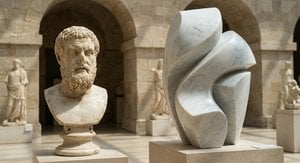
The Enduring Allure of Marble in Art History: From Classical Sculpture to Modern Abstraction
Explore the captivating history of marble sculpture from ancient Greece to modern art. Discover renowned artists like Canova & Michelangelo, carving techniques, and investment insights at ArtsDot.