

 معاينة الحجم الحقيقي
 مشاركة
 مشاركة
 التفاصيل

 تحميل الملف
 قطع مشابهة
 الأشعة السينية
 عرض شرائح
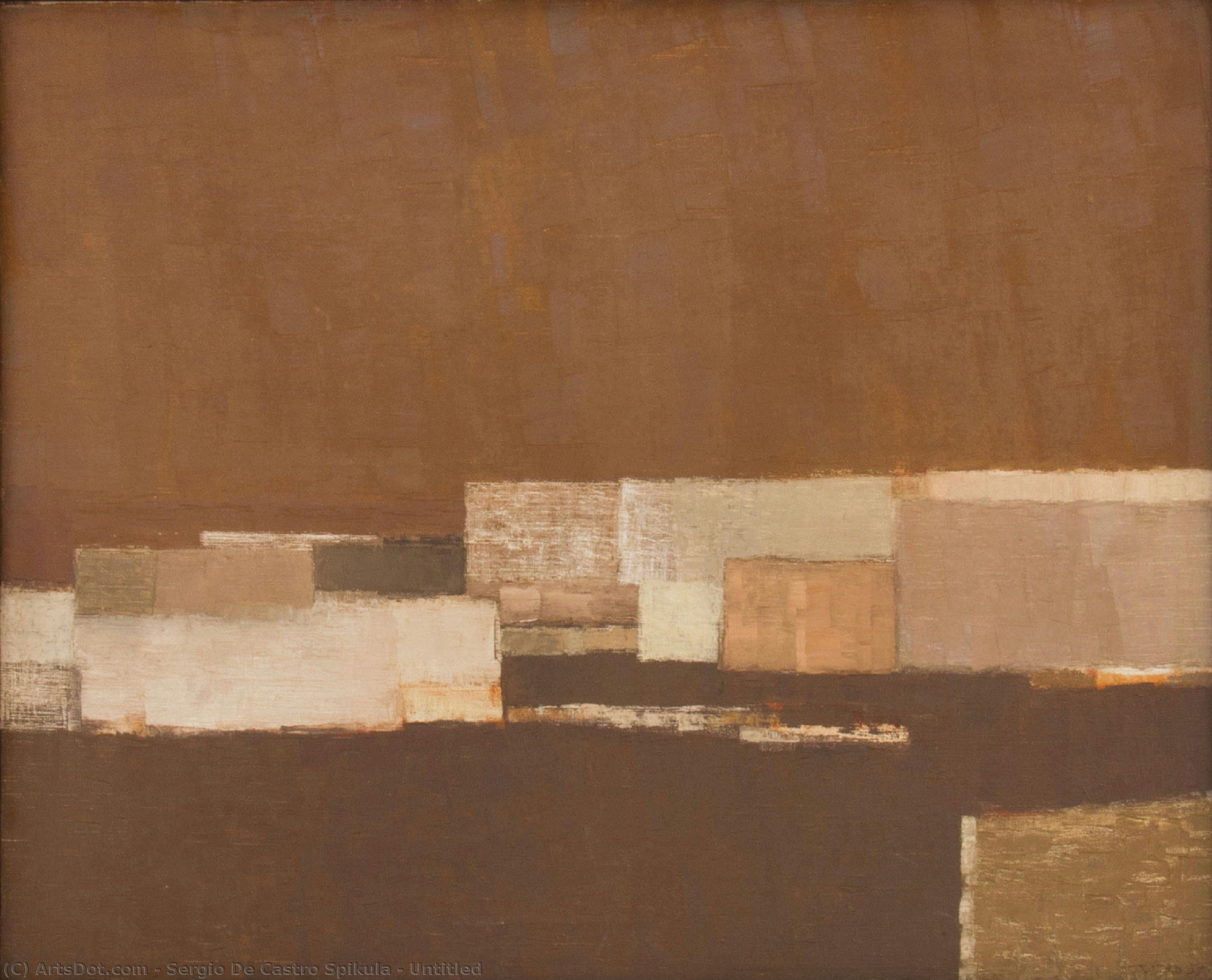
Untitled


 عرض المزيد
نسخة زيتية مصنوعة يدوياً
لوحة زيتية مرسومة يدوياً على الكانفاس بالمقاس والإطار الذي تفضله، تُنفذ حسب الطلب على أيدي فنانينا. ( اشترِ نسخة مطبوعة اشترِ الصورة)




































اختر من بين أحجامنا المُعدّة مسبقًا والتي تتطابق مع النسب الأصلية للعمل الفني.

يمكنك إدخال أبعادك الخاصة لتناسب إطارًا معينًا أو مساحة محددة. وإذا لم يتطابق الحجم الذي اخترته مع نسب الصورة الأصلية، فسنقوم إما بقص العمل الفني أو توسيع اللوحة بإضافة عناصر مرسومة يدويًا. سيتم إرسال نموذج رقمي إليك للموافقة عليه قبل بدء الإنتاج.
يرجى ملاحظة أن المعاينة على الشاشة لا تعكس عملية القص أو التوسيع الفعلية؛ حيث إن النموذج الرقمي وحده هو الذي سيوضح التكوين النهائي بدقة.
وعلى الرغم من توفر أحجام مخصصة، إلا أننا نوصي باختيار أبعاد من القائمة المحددة مسبقًا للحفاظ على النسب الأصلية للعمل الفني.
بعد إتمام الطلب، سيرسل فريق ArtsDot.com بريداً إلكترونياً للعميل لطلب التعليمات وتزويده بمعاينة تجريبية (mockup).
توصيل عالمي إلى خلال 3 إلى 4 أسابيع بدلاً من المدة المعتادة البالغة 5 أسابيع. (16 أغسطس). جودة لا تهاون فيها.

شحن سريع ومجاني لجميع أنحاء العالم

قماش كتان عالي الجودة

تأمين شحن شامل

ضمان استرداد الرسوم الجمركية

ضمان مطابقة الألوان الحقيقية

سياسة الإرجاع خلال 60 يومًا (في حالات العيوب فقط)

ضمان استرداد نقدي بنسبة 100%

خصم عند طلب عدة قطع
 خيار الزجاج متاح فقط للمقاسات التي تقل عن 110 سم

Untitled
خامة إعادة الإنتاج
مقاس النسخة المطبوعة
-


السعر الإجمالي النهائي
$ 263
أعمال فنية ذات صلة


السيرة الذاتية للفنان
The Melodic Canvas: The Life and Legacy of Sergio de Castro Spikula
Born in the vibrant atmosphere of Buenos Aires in 1922, Sergio de Castro Spikula was an artist whose soul was shaped by a nomadic and culturally rich upbringing. The son of a diplomat, his early years were a tapestry of European landscapes, moving from the serene beauty of Switzerland to the historic streets of Italy. This international childhood instilled in him a profound cosmopolitan perspective, allowing him to bridge the gap between South American roots and the avant-garde traditions of Europe. Before he ever picked up a brush to define his visual language, Spikula was a man of rhythm and verse; his early years were dedicated to the study of music and poetry, disciplines that would later infuse his paintings with an inherent sense of composition, tempo, and lyrical grace.
The trajectory of his creative life took a decisive turn through chance encounters and personal transformations. While traveling along the Uruguayan coast in 1939, he met the legendary Joaquín Torres-Garcia, a meeting that would plant the seeds of geometric abstraction within his mind. However, it was not until 1950, following a period of physical struggle with severe asthma, that Spikula transitioned from the world of musical composition to the realm of visual art. This shift was not merely a change in medium but a profound redirection of his expressive energy. Settling in Paris, the heart of the mid-century art world, he began to distill his experiences into a style that could be described as Minimalist Expressionism—a delicate balance between the structured discipline of geometry and the raw emotion of color.
A Symphony of Form and Color
Spikula’s artistic development was characterized by an exquisite ability to simplify the complex. His work moved away from the literal representation of the world, seeking instead to capture its essence through a sophisticated use of chromatic palettes and geometric forms. One can observe in his canvases a rhythmic interplay of shapes that echoes his background as a composer; there is a deliberate pacing to his brushstrokes and a harmonic resonance in how he juxtaposes light and shadow. His landscapes, while often understated and serene, possess a structural strength that prevents them from becoming mere scenery, instead transforming Argentinian vistas into meditative, abstract explorations of space.
His technical mastery was deeply rooted in the traditions of the masters, yet his vision remained resolutely modern. By integrating the luminous qualities reminiscent of Joaquín Sorolla with a more stripped-back, minimalist aesthetic, he created works that felt both timeless and contemporary. Notable pieces such as “Angel Zarraga” serve as quintessential examples of this approach, where simplified shapes are utilized to evoke deep emotional responses, proving that profound meaning does not require ornamental complexity. His ability to command the viewer's attention through subtle color harmonies allowed him to participate in the grand dialogue of 20th-century modernism.
Recognition and Eternal Resonance
The journey of Sergio de Castro Spikula was marked by prestigious exhibitions that solidified his place within the international art community. From his first solo exhibition at the Galerie Jeanne Castel in Paris in 1952 to acclaimed showings in London at the Leicester Gallery and the Matthiesen Gallery, his presence was felt across the major art capitals of Europe. His works were not only celebrated in galleries but also found homes in significant collections, such as the Colección Andrés Blaisten, ensuring that his unique vision would be preserved for future generations.
Ultimately, the significance of Spikula lies in his ability to synthesize disparate influences—the rhythmic structure of music, the precision of architecture, and the emotive power of painting—into a singular, cohesive voice. He remains a pivotal figure for those studying the intersection of Latin American heritage and European abstraction. His legacy is one of quiet strength and visual poetry, reminding us that art, much like music, is a universal language capable of expressing the most profound truths through the simplest of means.

sergio de castro spikula
1922 - 2012 , Argentina
حقائق سريعة
- Artistic Movement Or Style: Minimalist Expressionism
- Date Of Birth: 1922
- Date Of Death: 2012
- Full Name: Sergio de Castro Spikula
- Nationality: Argentinian
- Notable Artworks: ['Untitled']
- Place Of Birth: Buenos Aires, Argentina
مقالات ذات صلة

Demandes Commerciales
APS ofrece reproducciones de bellas artes y encargos personalizados desde 2004. Confían en nosotros corporaciones, hoteles y coleccionistas selectos para obras de arte de calidad museística, servicio discreto y soluciones artísticas completas. ¡Póngase en contacto con nosotros para obtener un presupuesto personalizado!

أفضل 25 لوحة لفنانٍ عبقري: جوايا يلامس الروح بالفن والتاريخ
اكتشف 25 تحفة فنية لفنان العبقري جوايا! رحلة في عالم لوحاته المؤثرة، من الرومانسية إلى الواقعية. احصل على نسخ عالية الجودة لديكور منزلك الفاخر على ArtsDot.com

أعلى 10 روائع تحدد الرمزية التعبيرية: رحلة في الفن الراقي و لوحات مميزة
اكتشف روائع الرمزية التعبيرية! استكشف 10 لوحات أيقونية مع جاكسون بولوك ومارك روثكو. قصص فنانين، تقنيات فريدة، وأعمال خالدة. احصل على لوحات مميزة لديكور منزلك الفاخر. تسوق الآن على ArtsDot.com!

أكثر 10 روائع فنية حدّدت حركة التجريد الهندسي | ArtsDot.com
اكتشف 10 روائع فنية غيرت مسار التجريد الهندسي! تعرف على بيكاسو، موندريان وماليفيتش وغيرهم. لوحات أصلية وإعادة إنتاج فاخرة لديكور عصري. استلهم منزلك مع ArtsDot.com

Kandinsky's Masterpieces: 25 Paintings That Define Abstract Art | ArtsDot
Journey through Wassily Kandinsky's 25 most iconic abstract paintings. Explore his revolutionary use of color, form & spiritual expressionism. Find museum-quality Kandinsky reproductions and elevate your home decor with ArtsDot.com. Discover all masterpieces on ArtsDot.com!

