

 معاينة الحجم الواقعي
 مشاركة
 مشاركة
 التفاصيل
 دليل
دليل

 تحميل الملف
 قطع مشابهة
 الأشعة السينية
 عرض شرائح
 الأسئلة والأجوبة
 الإحصائيات
Sebastian

- 195.0 x 75.0 cm


 عرض المزيد
طباعة جيلي / مطبوعات فنية
طباعة جيكلي أو كانفاس بجودة المتاحف، مع سرعة في التنفيذ وخيارات متنوعة للتشطيب. ( شراء لوحة مرسومة يدويًا الانتقال إلى الصورة الرقمية)




P118B E£10

P118H E£10

P118W E£10

P438Z E£10

P508JH E£12

P508YH E£12

P805H E£10

P805Z E£10

P919BZ E£10

P919G E£10

P919XJ E£10

P959ZH E£10

P968JZ E£12

W106C E£8

W218G E£10

W218JH E£8

W218Y E£10

W307PJ E£10

W316G E£10

W316PJ E£8

W316Y E£10

W398PJ E£8

W4111J E£10

W500HY E£15

W500JH E£15

W692G E£12

W849H E£8

W940BG E£15

W953PJ E£8




اختر من بين أحجامنا المُعدّة مسبقاً والتي تتوافق مع النسب الأصلية للعمل الفني.

أدخل العرض والارتفاع المطلوبين ليتناسب المقاس مع إطارك أو جدارك. يرجى الملاحظة أن المطبوعة يمكن قصها فقط ولا يمكن تكبيرها لتتجاوز أبعاد الصورة الأصلية، لذا فإن اختيار مقاس بأبعاد مختلفة سيؤدي إلى فقدان جزء من الصورة. سنرسل لك نموذجاً رقمياً تجريبياً لاعتماده قبل البدء في عملية الطباعة. الصورة المعروضة في هذه الصفحة لا توضح شكل القص الفعلي — النموذج التجريبي فقط هو ما يظهر ذلك بدقة.
توصيل عالمي إلى خلال أسبوعين بدلاً من المدة القياسية البالغة 4/5 أسابيع. (5 نوفمبر)

شحن سريع ومجاني لجميع أنحاء العالم

قماش كتان عالي الجودة

تأمين شامل على الشحن

ضمان استرداد الرسوم الجمركية

ضمان مطابقة الألوان الحقيقية

سياسة الإرجاع خلال 100 يوم (في حالات العيوب فقط)

ضمان استرداد نقدي بنسبة 100%

خصم عند طلب كميات
 خيار الزجاج متاح فقط للمقاسات التي تقل عن 110 سم

Sebastian
طباعة جيلي / مطبوعات فنية
مقاس النسخة المطبوعة
-


إجمالي السعر النهائي
E£ 3298
A Vision of Renaissance Devotion
In the heart of the Florentine Renaissance, where the light of humanism began to illuminate the shadows of the Middle Ages, Sandro Botticelli crafted a masterpiece that transcends the boundaries of mere religious iconography. His St. Sebastian, completed around 1473, is not simply a depiction of a martyr’s suffering, but a profound meditation on the harmony between physical grace and spiritual fortitude. Standing as a monumental testament to the era's fascination with classical antiquity, the painting presents a figure that is simultaneously vulnerable and indomitable. As one gazes upon this work, there is an immediate sense of being transported to a time when every line and shadow was imbued with deep, theological meaning, making it an extraordinary centerpiece for any collection dedicated to the timeless beauty of the Italian masters.
The composition is a masterclass in narrative complexity and visual depth. Botticelli places Sebastian at the center of a poignant drama, his muscular physique rendered with the idealized proportions of ancient Greek sculpture. Positioned before a mirror, Sebastian’s reflection creates a captivating visual dialogue, inviting the viewer to contemplate the duality of the human condition—the physical body and the eternal soul. Surrounding this central figure is a celestial assembly of saints, including Saint Rochus, Saint Jerome, and Saint Eustache. These figures do not merely occupy the space; they breathe life into the scene through their expressions of piety and sorrowful devotion. The interplay between the main subject’s confident stance—hands firmly on hips—and the mourning presence of the surrounding saints creates a tension that is both emotionally arresting and intellectually stimulating.
The Mastery of Line and Light
Technically, the work showcases the very essence of Botticelli’s inimitable style. Moving away from the harsh realism that would define later eras, Botticelli employs a delicate, rhythmic line to define the contours of the human form. His use of sfumato—a soft, smoky blending of tones—allows for a gentle transition between light and shadow, lending the skin of St. Sebastian a luminous, almost ethereal quality. This meticulous attention to detail ensures that every muscle and sinew contributes to the overall sense of classical grace. For the discerning collector or interior designer, this painting offers more than just visual appeal; it provides a sophisticated texture that complements grand, classical interiors, bringing a sense of historical weight and refined elegance to a room.
Beyond its aesthetic brilliance, the painting serves as a window into the socio-religious anxieties of 15th-century Florence. The martyrdom of Sebastian, a victim of imperial persecution, resonated deeply with a society navigating the complexities of faith and political upheaval. By blending Christian narrative with the burgeoning humanist interest in anatomy and classical aesthetics, Botticelli created a work that is both a prayer and a celebration of human potential. To possess a high-quality reproduction of this masterpiece is to invite a piece of history into one's home—a piece that continues to inspire awe through its seamless marriage of spiritual depth and unparalleled artistic skill.
الأسئلة والأجوبة
ما هو اللون السائد في "Sebastian" للفنان ساندرو بوتيتشيلي؟
يتميز العمل الفني "Sebastian" للفنان ساندرو بوتيتشيلي بلونه السائد وهو Phthalo Green (#2a1111).
ما هو اللون الطاغي على "Sebastian"؟
اللون السائد في "Sebastian" للفنان ساندرو بوتيتشيلي هو Amber to Saffron، وهو اللون الذي يشكل النغمة الأساسية لمجموعة الألوان المستخدمة.
ما هي لوحة الألوان واللون الطاغي الذي يميز "Sebastian"؟
تتميز لوحة "Sebastian" بمجموعة ألوان تتألف من Earthy ويبرز فيها اللون Phthalo Green (#2a1111).
أعمال فنية ذات صلة


السيرة الذاتية للفنان
ساندرو بوتيتشيلي: شاعر الجمال في عصر النهضة
في قلب فلورنسا، تلك المدينة التي شهدت ولادة عصر النهضة، بزغ نجم ساندرو بوتيتشيلي، الفنان الذي أسر العالم بجماله الأثيري ورؤيته الشعرية. وُلد أليساندرو دي ماريانو فيليببي عام 1445، ليصبح لاحقًا "بوتيتشيلي" نسبةً إلى شقيقه الأصغر، وعاش حياة متجذرة في نسيج المدينة الفني والاجتماعي. لم يبتعد بوتيتشيلي عن حي أوغنيسانتي الذي ولد فيه، مما يعكس ارتباطه الوثيق بجذور عائلته وبيئته الإبداعية. نشأ الفنان في كنف والديه اللذين كانا يعملان في مجال الصباغة والزخرفة، مما أتاح له منذ صغره فرصة التعرف على فنون الحرف اليدوية والتفاصيل الدقيقة التي ستشكل لاحقًا أساس أسلوبه الفني.
تلقى بوتيتشيلي تعليمه الأول في ورشة عمل فنان الذهب ماسو فينغيريرا، قبل أن ينتقل إلى ورشة عمل فرا فيليبّو ليبي، أحد أبرز رسامي فلورنسا. هذه الفترة كانت حاسمة في تشكيل مسيرته الفنية، حيث اكتسب بوتيتشيلي مهارات تقنية أساسية وتعرض لأعمال فنانين بارزين. لم يقتصر تأثير ليبي على الجانب التقني فحسب، بل امتد ليشمل فهم بوتيتشيلي العميق للجماليات الفلورنسية، مما أتاح له تطوير أسلوبه الفريد الذي يميزه عن غيره.
أسلوب فني فريد: بين الخطوط المتدفقة والأساطير الكلاسيكية
يتميز أسلوب بوتيتشيلي بالخطوط المتدفقة والمنحنيات الرشيقة، واستخدامه الدقيق للألوان. لم يكن بوتيتشيلي مجرد فنان، بل كان شاعرًا يترجم الأحلام والأساطير إلى لوحات آسرة. جمع بين تقاليد العصر القوطي المتأخر وروح عصر النهضة الناشئة، مستوحيًا إلهامه من أعمال فنانين عظماء مثل فرا أنجليكو وباولو أوتشيللو. تجسد شخصياته في لوحاته هالة من الهدوء والجمال الأثيري، وغالبًا ما تصور بأبعاد متطاولة ووقفة رشيقة تعكس السكينة والتأمل. لم يقتصر بوتيتشيلي على تصوير المشاهد الدينية التقليدية، بل انغمس في عالم الأساطير الكلاسيكية، مستوحياً موضوعاته من قصص الحب والجمال الروحي التي شكلت جوهر الفكر الإنساني في عصر النهضة.
استخدم بوتيتشيلي تقنيات مبتكرة في عصره، مثل طريقة الرسم بالقلم الفضي تحت الطلاء، مما أضفى على أعماله إشراقًا ووضوحًا. كما استخدم طلاء التيمبرا الذي سمح له بتحقيق دقة فائقة في التفاصيل وألوان زاهية. في سنواته الأخيرة، جرب استخدام الألوان الزيتية التي وسعت نطاق تعبيره الفني.
أعمال خالدة: من "ولادة فينوس" إلى "ربيع"
تتربع لوحة "ولادة فينوس" على عرش أعمال بوتيتشيلي، فهي تجسيد حي للجمال الإنساني والانسجام. تصويره لإلهة الحب والجمال وهي تخرج من صدفة بحرية، يمثل قمة الفن في عصر النهضة. وبالمثل، فإن لوحة "ربيع" هي تحفة فنية معقدة وغامضة تحتفي بقدوم الربيع والحب، وتضم شخصيات رمزية مستوحاة من الأساطير الكلاسيكية. هذه الأعمال تعكس إتقان بوتيتشيلي للتركيب اللوني والقدرة على خلق عمق جوي وإبراز المشاعر الإنسانية.
شهدت مسيرة بوتيتشيلي الفنية مراحل متميزة، ففي سبعينيات القرن الخامس عشر ركز على تصوير الموضوعات الدينية، وطور مهاراته التقنية. أما الثمانينيات فقد كانت ذروة إبداعه، حيث أنتج أشهر أعماله الأسطورية. ومع ذلك، شهدت التسعينيات من القرن الخامس عشر تحولاً في أسلوبه، تأثرًا بوعظات جييرلامو سافونارولا المتشددة التي دعت إلى التوبة والتخلص من مظاهر البذخ والفساد.
إرث فني: من النسيان إلى إعادة الاكتشاف
بعد وفاة بوتيتشيلي عام 1510، تضاءل نجمه تدريجيًا، وظلت أعماله مهمشة لعدة قرون. ولكن في القرن التاسع عشر، شهدت أعماله نهضة فنية بفضل حركة ما قبل رافائيلية التي أعادت اكتشاف قيمته الفنية وأهميته التاريخية. أدرك الفنانون من هذه الحركة الجمال الفريد في لوحات بوتيتشيلي، وقدروا خطوطه الرشيقة وألوانه الزاهية وحساسيته الشعرية.
اليوم، يحتل ساندرو بوتيتشيلي مكانة مرموقة بين أعظم فناني عصر النهضة. تُعرض أعماله في أهم المتاحف حول العالم، وتستقطب عشاق الفن من جميع أنحاء العالم. يظل بوتيتشيلي رمزًا للإنجاز الفني الفلورنسي ودليلًا على قوة الإنسانية في إلهام الجمال والإبداع.
أهم الأعمال
- ولادة فينوس (حوالي 1486): تجسيد حي للجمال الإنساني.
- ربيع (حوالي 1482): لوحة أسطورية تحتفي بقدوم الربيع والحب.
- تجلّي السحرة (1475-1476): يظهر إتقان بوتيتشيلي للتركيب والمنظور.
- الولادة المقدسة (1501): تعكس تحولًا نحو الموضوعات الروحية في سنواته الأخيرة.

ساندرو بوتيتشيلي
1445 - 1510 , إيطاليا
حقائق سريعة
- Artistic Movement Or Style: الرينيسانس المبكر
- Artists Who Influenced This Artist: ['فرا فيليبو ليبي']
- Date Of Birth: مائة وأربعون وخمس وعشرون
- Date Of Death: خمس عشرة ومائة وعشرون
- Full Name: Alessandro di Mariano Filipepi
- Nationality: إيطالي
- Notable Artworks: ['فينوس ولُوث"، "الربيع"، "تمجيد المماليك']
- Place Of Birth: فلورنسا، إيطاليا
مقالات ذات صلة

أروع 25 لوحة لساندرو بوتيتشيلي: تحف فنية تزين منزلك بجمال عصر النهضة
اكتشف أروع 25 لوحة لساندرو بوتيتشيلي، فنان عصر النهضة الإيطالي. استمتع بقصص التحف الفنية وألوان الباستيل الخالدة. طباعة لوحات عالية الجودة لديكور منزلك على ArtsDot.com

The Enduring Form: Exploring Themes & Techniques in Sculpture Across Historical Periods
Explore the rich history of sculpture from ancient masterpieces to contemporary innovations. Discover key techniques, influential artists & investment potential for discerning art collectors.

Bronze Sculptures That Defined Art History | ArtsDot
Journey through art history with our Top 10 bronze sculptures! Explore masterpieces by Rodin, Michelangelo & more. Discover stories behind iconic statues and find museum-quality reproductions for your home decor at ArtsDot.com.

Bronze Age to Modern Masters: 10 Sculptures That Redefined Art | ArtsDot
Journey through art history with 10 legendary bronze sculptures – from Michelangelo's David to Rodin’s Thinker. Explore the stories, techniques & timeless beauty of these masterpieces. Find museum-quality reproductions & elevate your home decor on ArtsDot.com.
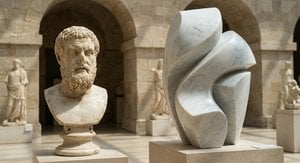
The Enduring Allure of Marble in Art History: From Classical Sculpture to Modern Abstraction
Explore the captivating history of marble sculpture from ancient Greece to modern art. Discover renowned artists like Canova & Michelangelo, carving techniques, and investment insights at ArtsDot.


