


 معاينة الحجم الواقعي
 إرسال
إرسال مشاركة
 عرض التفاصيل
 دليل الأعمال الفنية للطلاب

 تحميل
تحميل
 قطع مشابهة
 الأشعة السينية
 عرض شرائح متتابع
 الإحصائيات
Crucifixion


 اقرأ المزيد
نسخة زيتية مصنوعة يدوياً
لوحة زيتية مرسومة يدوياً على الكانفاس بالمقاس والإطار الذي تفضله، تُنفذ حسب الطلب على أيدي فنانينا. ( التبديل إلى المطبوعات التحويل إلى الصورة الرقمية)




P118B E£10

P118H E£10

P118W E£10

P438Z E£10

P508JH E£12

P508YH E£12

P805H E£10

P805Z E£10

P919BZ E£10

P919G E£10

P919XJ E£10

P959ZH E£10

P968JZ E£12

W106C E£8

W218G E£10

W218JH E£8

W218Y E£10

W307PJ E£10

W316G E£10

W316PJ E£8

W316Y E£10

W398PJ E£8

W4111J E£10

W500HY E£15

W500JH E£15

W692G E£12

W849H E£8

W940BG E£15

W953PJ E£8




اختر من بين أحجامنا المُعدّة مسبقاً والتي تتوافق مع النسب الأصلية للعمل الفني.

أدخل العرض والارتفاع اللذين تحتاجهما، ليتناسب العمل مع إطارك أو جدارك. وبما أن هذه اللوحة مرسومة يدوياً، ففي حال اختيار مقاس بشكل مختلف، يمكن للفنان رسم مساحة إضافية حول الصورة أو تقليصها قليلاً — الخيار لك. سنرسل لك نموذجاً رقمياً تجريبياً لاعتماده قبل البدء في الرسم. علماً بأن الصورة المعروضة في هذه الصفحة لا تعكس النتيجة النهائية الحقيقية — فالنموذج التجريبي هو الوحيد الذي يوضح ذلك بدقة.
بعد إتمام الطلب، سيرسل فريق ArtsDot.com بريداً إلكترونياً للعميل لطلب التعليمات وتزويده بمعاينة تجريبية (mockup).
توصيل عالمي إلى خلال 3 إلى 4 أسابيع بدلاً من المدة المعتادة البالغة 5 أسابيع. (27 أكتوبر). جودة لا تهاون فيها.

شحن سريع ومجاني لجميع أنحاء العالم

قماش كتان فاخر

تأمين شامل على الشحن

ضمان استرداد الرسوم الجمركية

ضمان دقة مطابقة الألوان

سياسة الإرجاع خلال 100 يوم (في حالات العيوب فقط)

ضمان استرداد نقدي بنسبة 100%

عرض خصم الكميات
 خيار الزجاج متاح فقط للمقاسات التي تقل عن 110 سم

Crucifixion
وسيط إعادة الإنتاج
مقاس النسخة المطبوعة
-


إجمالي السعر
E£ 14993
A Vision of Sacrifice: Botticelli’s Crucifixion
This powerfully emotive *Crucifixion* by Sandro Botticelli presents a deeply moving depiction of Christ's suffering and ultimate sacrifice. Executed in the style characteristic of the Early Renaissance – with influences from Northern European painting – this work transcends mere religious illustration, becoming a poignant meditation on faith, grief, and redemption.Stylistic & Technical Mastery
Botticelli’s approach here diverges somewhat from the High Renaissance emphasis on anatomical precision and dramatic perspective. Instead, he employs a more flattened pictorial space, reminiscent of earlier Italian and Flemish traditions. The painting is likely executed in oil on panel, allowing for rich layering of color and subtle gradations of tone. Notice the delicate modeling of forms and the visible texture – a slight cracking (craquelure) hints at the age and history embedded within the artwork. Linearity is paramount; Botticelli’s figures are defined by graceful, flowing outlines, contributing to an overall sense of elegant restraint even amidst profound sorrow. The muted palette—dominated by browns, ochres, and blues—enhances the somber mood, drawing the viewer into a contemplative state.Decoding the Composition & Symbolism
The composition is vertically oriented, centering Christ on the cross as the focal point of suffering and salvation. Below him, an angel kneels in profound sorrow, its pose mirroring human grief and offering a divine expression of compassion. A prone figure at the base of the cross likely represents humanity overwhelmed by loss, embodying the weight of sin and the pain of mortality. The distant cityscape in the background provides context but remains deliberately vague, suggesting a universal rather than specific location for this pivotal event.- The Cross: Represents sacrifice, redemption, and divine love.
- The Angel: Symbolizes divine compassion and heavenly witness to Christ’s suffering.
- The Fallen Figure: Embodies human grief, vulnerability, and the consequences of sin.
- Muted Colors: Reinforce the solemnity and emotional weight of the scene.
Historical Context & Botticelli’s Oeuvre
Sandro Botticelli (1445-1510) was a leading figure of the Florentine Renaissance, known for his lyrical style and graceful depictions of mythological and religious subjects. While celebrated today for works like *The Birth of Venus* and *Primavera*, Botticelli also produced numerous devotional paintings throughout his career. This *Crucifixion* reflects the strong religious currents of 15th-century Florence and demonstrates Botticelli’s ability to blend artistic innovation with traditional iconography. His early training likely included a period under Fra Filippo Lippi, whose influence can be seen in the emotional intensity and delicate rendering of figures.Emotional Resonance & Interior Design
This *Crucifixion* is not merely a historical artifact; it’s an emotionally resonant work that invites contemplation and introspection. The painting's subdued palette and dignified composition make it suitable for a variety of interior settings, from traditional libraries to modern living spaces. A high-quality reproduction would serve as a powerful focal point in any room, adding depth, sophistication, and a sense of spiritual gravitas. Its timeless theme ensures its continued relevance and appeal for generations to come. The artwork’s quiet dignity lends itself well to spaces designed for reflection and peaceful contemplation.الأسئلة والأجوبة
هل "Crucifixion" للفنان ساندرو بوتيتشيلي ضمن الملكية العامة؟
تندرج لوحة "Crucifixion" للفنان ساندرو بوتيتشيلي ضمن ملك عام - انتهت مدة حماية حقوق الطبع والنشر الخاصة به. وتحدد هذه الحالة كيفية إعادة إنتاج صورة العمل الفني.
كيف يمكنني اكتشاف أعمال فنية مشابهة لـ "Crucifixion" للفنان ساندرو بوتيتشيلي؟
تستعرض صفحة أعمال مشابهة لعمل "Crucifixion" للفنان ساندرو بوتيتشيلي أعمالاً فنية ذات صلة.
ما هي التقنية المستخدمة في "Crucifixion" للفنان ساندرو بوتيتشيلي؟
استخدم ساندرو بوتيتشيلي تقنية Acrylic On Canvas في عمل "Crucifixion"، وتحدد هذه التقنية الطبيعة المادية للعمل الأصلي.
أعمال فنية مشابهة


نبذة عن الفنان
ساندرو بوتيتشيلي: شاعر الجمال في عصر النهضة
في قلب فلورنسا، تلك المدينة التي شهدت ولادة عصر النهضة، بزغ نجم ساندرو بوتيتشيلي، الفنان الذي أسر العالم بجماله الأثيري ورؤيته الشعرية. وُلد أليساندرو دي ماريانو فيليببي عام 1445، ليصبح لاحقًا "بوتيتشيلي" نسبةً إلى شقيقه الأصغر، وعاش حياة متجذرة في نسيج المدينة الفني والاجتماعي. لم يبتعد بوتيتشيلي عن حي أوغنيسانتي الذي ولد فيه، مما يعكس ارتباطه الوثيق بجذور عائلته وبيئته الإبداعية. نشأ الفنان في كنف والديه اللذين كانا يعملان في مجال الصباغة والزخرفة، مما أتاح له منذ صغره فرصة التعرف على فنون الحرف اليدوية والتفاصيل الدقيقة التي ستشكل لاحقًا أساس أسلوبه الفني.
تلقى بوتيتشيلي تعليمه الأول في ورشة عمل فنان الذهب ماسو فينغيريرا، قبل أن ينتقل إلى ورشة عمل فرا فيليبّو ليبي، أحد أبرز رسامي فلورنسا. هذه الفترة كانت حاسمة في تشكيل مسيرته الفنية، حيث اكتسب بوتيتشيلي مهارات تقنية أساسية وتعرض لأعمال فنانين بارزين. لم يقتصر تأثير ليبي على الجانب التقني فحسب، بل امتد ليشمل فهم بوتيتشيلي العميق للجماليات الفلورنسية، مما أتاح له تطوير أسلوبه الفريد الذي يميزه عن غيره.
أسلوب فني فريد: بين الخطوط المتدفقة والأساطير الكلاسيكية
يتميز أسلوب بوتيتشيلي بالخطوط المتدفقة والمنحنيات الرشيقة، واستخدامه الدقيق للألوان. لم يكن بوتيتشيلي مجرد فنان، بل كان شاعرًا يترجم الأحلام والأساطير إلى لوحات آسرة. جمع بين تقاليد العصر القوطي المتأخر وروح عصر النهضة الناشئة، مستوحيًا إلهامه من أعمال فنانين عظماء مثل فرا أنجليكو وباولو أوتشيللو. تجسد شخصياته في لوحاته هالة من الهدوء والجمال الأثيري، وغالبًا ما تصور بأبعاد متطاولة ووقفة رشيقة تعكس السكينة والتأمل. لم يقتصر بوتيتشيلي على تصوير المشاهد الدينية التقليدية، بل انغمس في عالم الأساطير الكلاسيكية، مستوحياً موضوعاته من قصص الحب والجمال الروحي التي شكلت جوهر الفكر الإنساني في عصر النهضة.
استخدم بوتيتشيلي تقنيات مبتكرة في عصره، مثل طريقة الرسم بالقلم الفضي تحت الطلاء، مما أضفى على أعماله إشراقًا ووضوحًا. كما استخدم طلاء التيمبرا الذي سمح له بتحقيق دقة فائقة في التفاصيل وألوان زاهية. في سنواته الأخيرة، جرب استخدام الألوان الزيتية التي وسعت نطاق تعبيره الفني.
أعمال خالدة: من "ولادة فينوس" إلى "ربيع"
تتربع لوحة "ولادة فينوس" على عرش أعمال بوتيتشيلي، فهي تجسيد حي للجمال الإنساني والانسجام. تصويره لإلهة الحب والجمال وهي تخرج من صدفة بحرية، يمثل قمة الفن في عصر النهضة. وبالمثل، فإن لوحة "ربيع" هي تحفة فنية معقدة وغامضة تحتفي بقدوم الربيع والحب، وتضم شخصيات رمزية مستوحاة من الأساطير الكلاسيكية. هذه الأعمال تعكس إتقان بوتيتشيلي للتركيب اللوني والقدرة على خلق عمق جوي وإبراز المشاعر الإنسانية.
شهدت مسيرة بوتيتشيلي الفنية مراحل متميزة، ففي سبعينيات القرن الخامس عشر ركز على تصوير الموضوعات الدينية، وطور مهاراته التقنية. أما الثمانينيات فقد كانت ذروة إبداعه، حيث أنتج أشهر أعماله الأسطورية. ومع ذلك، شهدت التسعينيات من القرن الخامس عشر تحولاً في أسلوبه، تأثرًا بوعظات جييرلامو سافونارولا المتشددة التي دعت إلى التوبة والتخلص من مظاهر البذخ والفساد.
إرث فني: من النسيان إلى إعادة الاكتشاف
بعد وفاة بوتيتشيلي عام 1510، تضاءل نجمه تدريجيًا، وظلت أعماله مهمشة لعدة قرون. ولكن في القرن التاسع عشر، شهدت أعماله نهضة فنية بفضل حركة ما قبل رافائيلية التي أعادت اكتشاف قيمته الفنية وأهميته التاريخية. أدرك الفنانون من هذه الحركة الجمال الفريد في لوحات بوتيتشيلي، وقدروا خطوطه الرشيقة وألوانه الزاهية وحساسيته الشعرية.
اليوم، يحتل ساندرو بوتيتشيلي مكانة مرموقة بين أعظم فناني عصر النهضة. تُعرض أعماله في أهم المتاحف حول العالم، وتستقطب عشاق الفن من جميع أنحاء العالم. يظل بوتيتشيلي رمزًا للإنجاز الفني الفلورنسي ودليلًا على قوة الإنسانية في إلهام الجمال والإبداع.
أهم الأعمال
- ولادة فينوس (حوالي 1486): تجسيد حي للجمال الإنساني.
- ربيع (حوالي 1482): لوحة أسطورية تحتفي بقدوم الربيع والحب.
- تجلّي السحرة (1475-1476): يظهر إتقان بوتيتشيلي للتركيب والمنظور.
- الولادة المقدسة (1501): تعكس تحولًا نحو الموضوعات الروحية في سنواته الأخيرة.

ساندرو بوتيتشيلي
1445 - 1510 , إيطاليا
لمحة سريعة
- Artistic Movement Or Style: الرينيسانس المبكر
- Artists Who Influenced This Artist: ['فرا فيليبو ليبي']
- Date Of Birth: مائة وأربعون وخمس وعشرون
- Date Of Death: خمس عشرة ومائة وعشرون
- Full Name: Alessandro di Mariano Filipepi
- Nationality: إيطالي
- Notable Artworks: ['فينوس ولُوث"، "الربيع"، "تمجيد المماليك']
- Place Of Birth: فلورنسا، إيطاليا
مقالات ذات صلة

Oil on Panel: A Historical Survey of Technique, Support & Aesthetic Evolution
Explore the rich history of oil on panel painting! Discover Renaissance techniques, support structures & aesthetic evolution. Expert insights for art collectors and enthusiasts.

The Enduring Power of Painting: A Historical & Contemporary Exploration of Form and Emotion
Explore the rich history & enduring techniques of oil painting with ArtsDot. Discover masterpieces, learn about art collecting, and find authentic handmade reproductions crafted by skilled artists.

Oil on Panel: A Historical Survey of Technique, Support, and Aesthetic Impact
Explore the rich history of oil on panel painting! Discover Renaissance techniques, support construction, & the enduring legacy of this masterful art form. Expert insights for collectors and enthusiasts.

Oil on Panel Masters: 10 Paintings That Revolutionized Art |
Journey through 10 legendary 'Oil on Panel' masterpieces by Van Eyck, Bosch & Bruegel. Explore the stories behind these iconic Renaissance & Baroque paintings and find museum-quality art reproductions to elevate your home decor. Discover all masterpieces on !
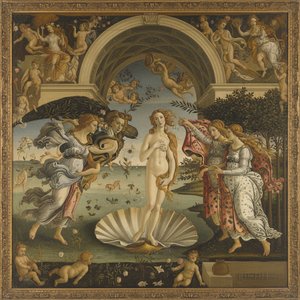
أروع 25 لوحة لساندرو بوتيتشيلي: تحف فنية تزين منزلك بجمال عصر النهضة
اكتشف أروع 25 لوحة لساندرو بوتيتشيلي، فنان عصر النهضة الإيطالي. استمتع بقصص التحف الفنية وألوان الباستيل الخالدة. طباعة لوحات عالية الجودة لديكور منزلك على ArtsDot.com


