


 معاينة الحجم الواقعي
 إرسال
إرسال مشاركة
 عرض التفاصيل
 دليل الأعمال الفنية للطلاب

 تحميل
تحميل
 قطع مشابهة
 الأشعة السينية
 عرض شرائح متتابع
 الإحصائيات
Untitled
 Contemporary
 37.0 x 92.0 cm
 اقرأ المزيد
إن العمل الفني المعروض في هذه الصفحة محمي بموجب قوانين حقوق الطبع والنشر، مما يعني أنه لا يحق لنا قانوناً إنشاء أو بيع نسخ مطابقة له. وتُطبق هذه الحماية بموجب الاتفاقيات الدولية مثل الـ اتفاقية برن ووفقاً للقوانين الوطنية، بما في ذلك تلك المنصوص عليها في قانون حقوق الطبع والنشر في الولايات المتحدة - الباب 17.
تتوافق هذه الطريقة تماماً مع لوائح حقوق النشر لأنها لا تتضمن نسخ أو تكرار العمل الفني المحمي، بل هي إعادة تفسير إبداعية؛ أي أنها لوحة جديدة مستوحاة من الأصل ولكنها ليست مطابقة له.
طباعة جيلي / مطبوعات فنية
طباعة جيكلي أو كانفاس بجودة المتاحف، مع سرعة في التنفيذ وخيارات متنوعة للتشطيب. ( اطلب نسخة مرسومة يدويًا التحويل إلى الصورة الرقمية)




P118B E£10

P118H E£10

P118W E£10

P438Z E£10

P508JH E£12

P508YH E£12

P805H E£10

P805Z E£10

P919BZ E£10

P919G E£10

P919XJ E£10

P959ZH E£10

P968JZ E£12

W106C E£8

W218G E£10

W218JH E£8

W218Y E£10

W307PJ E£10

W316G E£10

W316PJ E£8

W316Y E£10

W398PJ E£8

W4111J E£10

W500HY E£15

W500JH E£15

W692G E£12

W849H E£8

W940BG E£15

W953PJ E£8




اختر من بين أحجامنا المُعدّة مسبقاً والتي تتوافق مع النسب الأصلية للعمل الفني.

أدخل العرض والارتفاع اللذين تحتاجهما، ليتناسب مع إطارك أو جدارك. يمكن قص المطبوعة فقط، ولا يمكن أبداً جعلها أكبر من الصورة الأصلية، لذا فإن أي مقاس بشكل مختلف سيؤدي إلى فقدان جزء من الصورة. سنرسل لك نموذجاً رقمياً تجريبياً لاعتماده قبل البدء في عملية الطباعة. الصورة المعروضة في هذه الصفحة لا توضح القص الفعلي — النموذج التجريبي فقط هو ما يظهر ذلك.
توصيل عالمي إلى خلال أسبوعين بدلاً من المدة القياسية البالغة 4/5 أسابيع. (24 أكتوبر)

شحن سريع ومجاني لجميع أنحاء العالم

قماش كتان فاخر

تأمين شامل على الشحن

ضمان استرداد الرسوم الجمركية

ضمان دقة مطابقة الألوان

سياسة الإرجاع خلال 100 يوم (في حالات العيوب فقط)

ضمان استرداد نقدي بنسبة 100%

عرض خصم الكميات
 خيار الزجاج متاح فقط للمقاسات التي تقل عن 110 سم

Untitled
طباعة جيلي / مطبوعات فنية
مقاس النسخة المطبوعة
-


إجمالي السعر
E£ 3204
أعمال فنية مشابهة


نبذة عن الفنان
Sadamasa Motonaga: A Dance of Form and Feeling
Sadamasa Motonaga (1922-2011) wasn’t merely an artist; he was a conjurer of atmosphere, a sculptor of light and water, and a provocateur who dared to challenge the rigid boundaries of postwar Japanese art. Born in Iga Ueno, a town steeped in ancient ninja lore, Motonaga’s early life fostered a spirit of playful rebellion – a sensibility that would profoundly shape his artistic trajectory. He initially pursued manga as a young man, but it was the burgeoning world of abstract expressionism and the radical experimentation of Gutai Art Association that truly ignited his creative fire. His work, often described as “biomorphic abstraction,” isn’t about precise representation; instead, it's an exploration of fluidity, chance, and the inherent beauty found in ephemeral materials – water, smoke, and even the simple act of pouring paint.
The Gutai Years: Experimentation and Rebellion
Joining Gutai in 1955 was a pivotal moment for Motonaga. Led by Jiro Yoshihara, Gutai sought to dismantle traditional notions of art, embracing performance, installation, and unconventional materials. Motonaga’s early contributions within the group were characterized by a fascination with the unpredictable – he famously created “Work (Water)” in 1955, suspending vinyl tubes filled with colored water, allowing them to drift and shimmer under natural light. This piece, initially dismissed as a simple trick, became a cornerstone of Gutai’s philosophy: art wasn't about control but about embracing the unexpected dance between intention and chance. He also explored stage art, utilizing smoke as a medium, creating immersive environments that blurred the lines between performance and sculpture. These early experiments were deeply influenced by the post-war anxieties and the desire to break free from the constraints of established artistic conventions.
Fluid Forms: Painting, Performance, and the Language of Materials
Following his departure from Gutai in 1971, Motonaga’s work expanded dramatically. He continued to experiment with painting, developing a distinctive “informel” style characterized by loose brushstrokes, vibrant colors, and the deliberate pouring of paint onto canvases – a technique he termed "tarashikomi," drawing inspiration from traditional Japanese watercolor techniques. However, his most enduring legacy lies in his exploration of unconventional materials. He created intricate ceramic murals, designed interiors for public spaces, and produced a series of beloved children’s picture books alongside poet Shuntaro Tanikawa, imbuing them with a whimsical charm and playful spirit. His use of airbrushing, initially adopted from Western techniques, became integral to his style, allowing him to create delicate washes of color and subtle gradations.
A Legacy of Playfulness and Intuition
Motonaga’s artistic philosophy was rooted in a deep appreciation for the natural world and a rejection of rigid formalism. He famously described his style as “aho ha” – a self-deprecating term that acknowledged the inherent absurdity and spontaneity of his creative process. This playful approach, combined with an unwavering belief in intuition and a willingness to embrace chance, set him apart from many of his contemporaries. His work wasn’t about achieving technical perfection; it was about capturing fleeting moments of beauty and evoking a sense of wonder. Despite never receiving formal artistic training, Motonaga's influence on Japanese art is undeniable, inspiring generations of artists to explore new materials, embrace experimentation, and prioritize emotional expression over strict adherence to traditional rules.
Key Achievements and Recognition
- Gutai Art Association (1954-1971): A core member, contributing significantly to the group’s groundbreaking performances and installations.
- International Recognition (1960s): His work gained international attention through exhibitions in Europe and New York, largely thanks to the support of Michel Tapié.
- New York Residency (1966-1967): This period saw him develop his airbrush technique and explore new approaches to painting.
- Children’s Picture Books (1970s onwards): Collaborations with Shuntaro Tanikawa produced a series of critically acclaimed and commercially successful books, showcasing his playful aesthetic.
- Continued Innovation (2000s): Continued exploration of ceramics, murals, and public art installations throughout his long career.
Sadamasa Motonaga’s work remains a testament to the power of intuition, experimentation, and a deep connection with the world around us. His legacy lies not just in the beauty of his creations but also in his unwavering commitment to artistic freedom and his joyful embrace of the unexpected.

Sadamasa Motonaga
1922 - 2011
لمحة سريعة
- Full Name: Sadamasa Motonaga
- Nationality: Japanese
- Date Of Birth: 1922
- Date Of Death: 2011
- Place Of Birth: Iga Ueno, Mie Prefecture
- Notable Artworks:
- Work (Water)
- Untitled (Howa Howa)
- Tsunagatteiru
- Artistic Movement Or Style: Gutai, Informel, Biomorphic
- Artists Who Influenced This Artist: ['Jiro Yoshihara']
- Artists Or Movements Influenced By This Artist:
- Michel Tapié
- Gutai Art Association
مقالات ذات صلة

Serene Blue Backgrounds: Discover Soulful Art to Transform Your Space with Timeless Elegance
Transform your home with soulful blue art. From serene Monet impressions to modern textured sculptures, discover curated masterpieces designed to inspire calm. Explore expert art consultations and bespoke hand-painted reproductions to create your personal sanctuary.
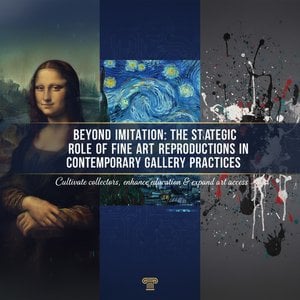
ما وراء التقليد: الدور الاستراتيجي للنسخ الفنية الراقية في الممارسات المعاصرة للمعارض الفنية
اكتشف عالم النسخ الفنية الراقية واللوحات المستنسخة بجودة عالية. خبراء في إعادة إنتاج روائع الفن الجزائري والعالمي. استثمر في الإبداع والفخامة مع ArtsDot.

Azure Visions: Exploring Representations of the Blue Dress in Western Art History
Explore the rich history of the blue dress in Western art! Discover its symbolism, from Renaissance masterpieces to modern interpretations by artists like Martin & Schiele. Uncover cultural meanings and artistic techniques.

Slate Blue Masterpieces: 10 Iconic Paintings & Timeless Home Decor Ideas
Immerse yourself in the captivating world of slate blue! Explore 10 iconic paintings by Monet, Van Gogh & Renoir. Discover their stories, techniques & find museum-quality art reproductions for your home at .
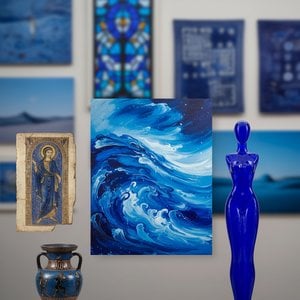
The Allure of Azure: Exploring the Symbolic & Aesthetic Depths of Blue in Art History
Explore the rich history of blue in art! Discover its symbolism, from ancient pigments to modern masterpieces by Kandinsky & Seurat. Uncover the psychological impact and cultural meanings behind this captivating hue.