
- الرئيسية

- صورة رقمية
- robert shipboy macadam
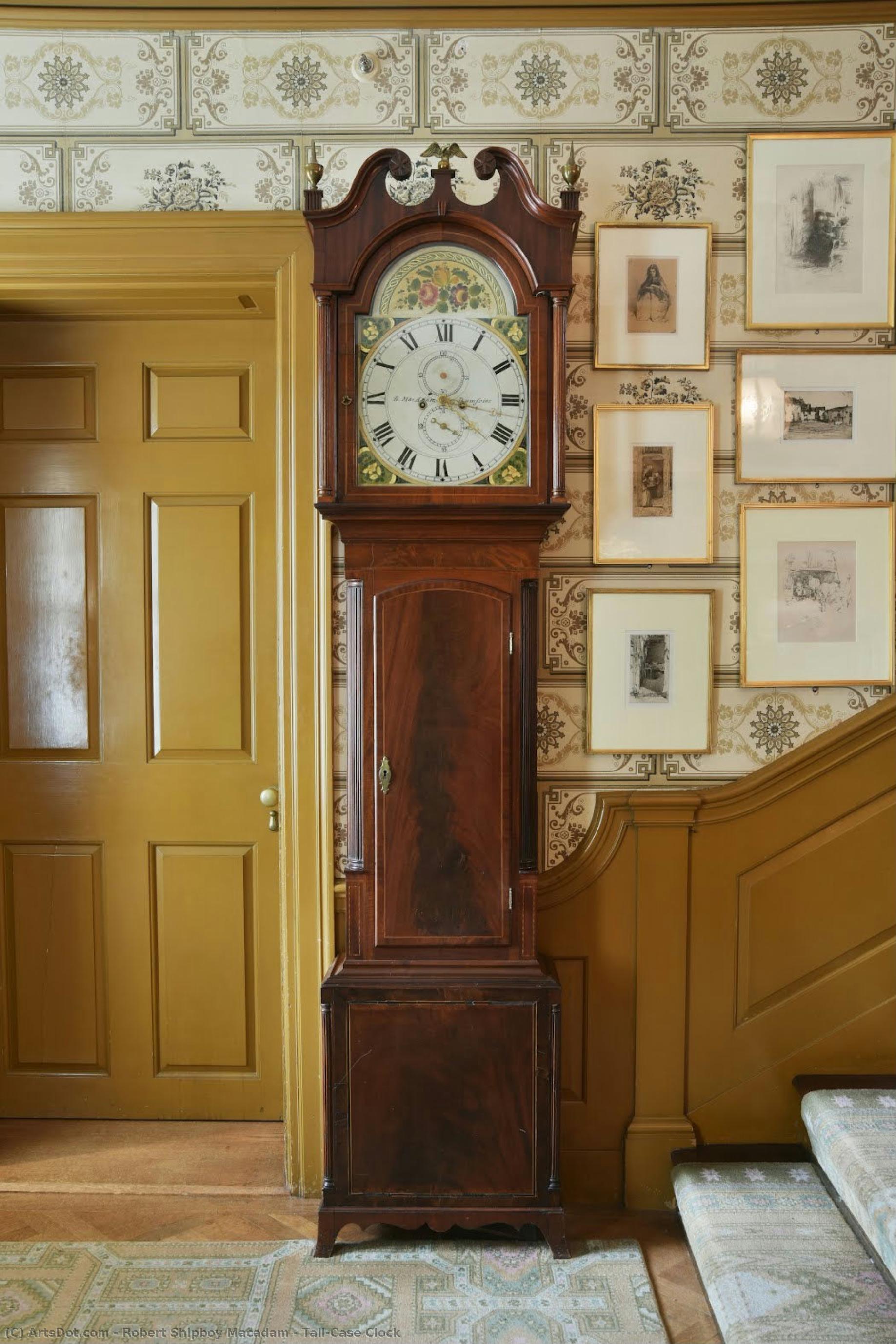
- Tall-Case Clock
 شراء نسخة مطبوعة اطلب نسخة مرسومة يدوياً
 مشاركة
 مشاركة
 التفاصيل
 أضف إلى المفضلة

 تحميل الملف
 قطع مشابهة
 الأشعة السينية
 عرض شرائح
Tall-Case Clock


 عرض المزيد
احصل على صورة رقمية عالية الدقة ومعزّنة، بجودة تفوق بكثير المعاينة عبر الإنترنت.
يتم إعداد كل ملف بعناية فائقة من قبل متخصصينا الداخليين باستخدام أدوات متقدمة ولمسات يدوية خبيرة. نضمن أن تتمتع كل صورة بوضوح استثنائي، ودقة لونية متناهية، وتفاصيل دقيقة.
يتم تسليم الملف النهائي عبر البريد الإلكتروني في غضون 72 ساعة، وهو مُحسَّن للاستخدام الفوري في المجالات المهنية والتحريرية ومجالات الطباعة. هذه هي ذات الجودة التي تعتمد عليها كبرى استوديوهات التصميم ودور النشر والمعارض الفنية المرموقة.
صورة رقمية
حمّل ملفاً عالي الدقة للعرض الشخصي، والطباعة، والمشاريع الإبداعية.
مزايا مُضمّنة في كل طلب صورة رقمية
تسليم رقمي احترافي، مضمون
عندما تختار ArtsDot.com، فأنت لا تحصل على مجرد صورة فحسب، بل ستحصل على عمل فني رقمي مُحسّن باحترافية، صُمم بدقة متناهية ومصحوب بضمان الرضا. إليك كل ما يتضمنه طلبك تلقائياً:

تسليم سريع عبر البريد الإلكتروني
ستصلك ملفات صورك الرقمية عالية الدقة عبر البريد الإلكتروني في غضون 72 ساعة من إتمام الطلب - لتكون جاهزة للاستخدام الفوري.

ملف رقمي مُحسّن بالذكاء الاصطناعي
يتم تحسين عملك الفني باحترافية باستخدام أدوات الذكاء الاصطناعي المتقدمة والتحرير اليدوي، لضمان أقصى درجات التفاصيل والوضوح ودقة الألوان.

إعادة إرسال مجانية مدى الحياة
هل حذفت ملفك أو فقدته عن طريق الخطأ؟ لا تقلق - سنعيد إرساله إليك في أي وقت، ومجاناً.

بدون رسوم استيراد - على الإطلاق
استمتع بأعمالك الفنية فوراً دون أي رسوم جمركية أو ضرائب أو مصاريف شحن - فالتحميلات الرقمية دائماً ما تكون معفاة من الضرائب.

ضمان دقة الألوان
نحن نضمن أن تعكس صورتك الرقمية الألوان الأصلية بأقصى قدر ممكن من الدقة، وذلك باستخدام أدوات احترافية وتقنيات إدارة الألوان.

ضمان الرضا لمدة 60 يومًا
إذا لم تكن راضياً عن صورتك الرقمية، فسنقوم بتعديلها أو استرداد 100% من قيمتها خلال 60 يوماً - دون أي أسئلة.

ضمان استعادة الأموال بنسبة % 100
لم تكن راضياً؟ احصل على استرداد كامل المبلغ خلال 60 يومًا من استلام ملفك الرقمي - دون أي أسئلة.

خصومات الطلبات الكبيرة
اشتري 3 صور، ووفر 10% - اشتري 5، ووفر 15% - اشتري +10، ووفر 20%. مثالية للمشاريع الإبداعية، والمعارض، والوكالات.
وصف المقتنى الفني
السيرة الذاتية للفنان
Francisco Goya: A Revolutionary Voice of His Time
Francisco José de Goya y Lucientes, born in 1746 in Fuendetodos, Spain, was more than just a painter; he was a chronicler of his era, a visionary who captured the tumultuous spirit of Europe with unflinching honesty and profound emotional depth. His life spanned nearly six decades, witnessing revolutions, wars, and social upheavals that profoundly shaped his artistic vision. From the opulent court paintings of his early career to the haunting “Black Paintings” of his later years, Goya’s work remains a testament to the power of art to reflect and challenge the world around it. He stands as a pivotal figure, bridging the gap between the Old Masters and the emerging modern aesthetic, profoundly influencing generations of artists who followed.Early Years and Artistic Training
Goya’s artistic journey began with formal training in Zaragoza under José Luzán y Martínez, a local artist influenced by Neoclassical styles prevalent at the time. Recognizing his exceptional talent, Goya later traveled to Italy, immersing himself in the works of Venetian masters like Titian and Veronese – artists known for their dramatic use of light, vibrant colors, and emotional intensity. This exposure proved transformative, laying the groundwork for Goya’s distinctive style. He returned to Spain and served as a court painter under King Charles IV and his son Ferdinand VII, producing portraits that showcased the grandeur of the Spanish monarchy. However, even within these commissioned works, subtle critiques began to emerge, hinting at the artist's growing disillusionment with the political climate.The Disasters of War and Social Commentary
A turning point in Goya’s career arrived during the Peninsular War (1808-1814), a brutal conflict between Spain and Napoleonic France. Witnessing firsthand the horrors of war, Goya abandoned his previous sympathies for the French and embarked on a series of powerful etchings known as *Los Desastres de la Guerra* ("The Disasters of War"). These prints – depicting scenes of carnage, suffering, and despair – are considered among the most harrowing depictions of warfare in art history. They moved beyond romanticized notions of heroism to expose the brutal realities of conflict, capturing the anguish of both soldiers and civilians. The series demonstrated a radical shift in artistic perspective, prioritizing emotional impact over idealized representation.The Rise of Romanticism and Personal Visions
Following the war, Goya’s art began to reflect the burgeoning Romantic movement, characterized by an emphasis on emotion, imagination, and individualism. His *Caprichos* (1799-1814) are a collection of fantastical and satirical images that explore themes of human folly, superstition, and social injustice. These prints reveal a darker side of Spanish society, populated by grotesque figures and unsettling scenes. Simultaneously, Goya began to paint more privately, creating a series of portraits of himself and his family – works that offer intimate glimpses into the artist’s life and evolving psychological state. The *Flashen* (1800-1802), depicting young women in various states of undress, are particularly intriguing, prompting speculation about their meaning and Goya's personal motivations.The Darkest Period: The “Black Paintings”
In his later years, as he suffered from increasing deafness and deteriorating health, Goya retreated to his estate in La Quinta del Sordo (“The Blind Man’s House”). There, he created a series of fourteen large canvases known collectively as the *Pinturas Negras* ("Black Paintings"). These intensely dark and emotionally charged works are considered among the most profound and unsettling in his oeuvre. They depict scenes of violence, madness, despair, and demonic figures – reflections of Goya’s own anxieties and disillusionment with humanity. The *Saturn*, for example, is a terrifying image of an aging god devouring his children, symbolizing the destructive forces of time and fate. Despite their bleakness, these paintings represent a culmination of Goya's artistic vision, offering a brutally honest portrayal of the human condition. Goya’s legacy endures as one of the most important figures in Western art history. His innovative techniques, powerful imagery, and unflinching social commentary continue to resonate with audiences today. He remains an artist who dared to confront difficult truths, challenging conventional notions of beauty and heroism while offering a profound meditation on the complexities of human existence. His work serves as a potent reminder of the enduring power of art to both reflect and shape our understanding of the world.
robert shipboy macadam
1808 - 1895 , United Kingdom
لمحة سريعة
- Artistic Movement Or Style: Romanticism, Neoclassicism
- Artists Or Movements Influenced By This Artist:
- Picasso
- Dalí
- Expressionists
- Artists Who Influenced This Artist:
- Tiepolo
- Mengs
- Velázquez
- Date Of Birth: March 30, 1746
- Date Of Death: April 16, 1828
- Full Name: Francisco Goya y Lucientes
- Nationality: Spanish
- Notable Artworks:
- The Third of May, 1808
- Saturn Devouring His Son
- The Naked Maja
- Place Of Birth: Fuendetodos, Spain

