


 معاينة الحجم الحقيقي
 مشاركة
 مشاركة
 التفاصيل

 تحميل الملف
 قطع مشابهة
 الأشعة السينية
 عرض شرائح
The Transfiguration (detail)


 عرض المزيد
نسخة زيتية مصنوعة يدوياً
لوحة زيتية مرسومة يدوياً على الكانفاس بالمقاس والإطار الذي تفضله، تُنفذ حسب الطلب على أيدي فنانينا. ( اشترِ نسخة مطبوعة اشترِ الصورة)




P118B $10

P118H $10

P118W $10

P438Z $10

P508JH $12

P508YH $12

P805H $10

P805Z $10

P919BZ $10

P919G $10

P919XJ $10

P959ZH $10

P968JZ $12

W106C $8

W218G $10

W218JH $8

W218Y $10

W307PJ $10

W316G $10

W316PJ $8

W316Y $10

W398PJ $8

W4111J $10

W500HY $15

W500JH $15

W692G $12

W849H $8

W940BG $15

W953PJ $8




اختر من بين أحجامنا المُعدّة مسبقًا والتي تتطابق مع النسب الأصلية للعمل الفني.

يمكنك إدخال أبعادك الخاصة لتناسب إطارًا معينًا أو مساحة محددة. وإذا لم يتطابق الحجم الذي اخترته مع نسب الصورة الأصلية، فسنقوم إما بقص العمل الفني أو توسيع اللوحة بإضافة عناصر مرسومة يدويًا. سيتم إرسال نموذج رقمي إليك للموافقة عليه قبل بدء الإنتاج.
يرجى ملاحظة أن المعاينة على الشاشة لا تعكس عملية القص أو التوسيع الفعلية؛ حيث إن النموذج الرقمي وحده هو الذي سيوضح التكوين النهائي بدقة.
وعلى الرغم من توفر أحجام مخصصة، إلا أننا نوصي باختيار أبعاد من القائمة المحددة مسبقًا للحفاظ على النسب الأصلية للعمل الفني.
بعد إتمام الطلب، سيرسل فريق ArtsDot.com بريداً إلكترونياً للعميل لطلب التعليمات وتزويده بمعاينة تجريبية (mockup).
توصيل عالمي إلى خلال 3 إلى 4 أسابيع بدلاً من المدة المعتادة البالغة 5 أسابيع. (16 أغسطس). جودة لا تهاون فيها.

شحن سريع ومجاني لجميع أنحاء العالم

قماش كتان عالي الجودة

تأمين شحن شامل

ضمان استرداد الرسوم الجمركية

ضمان مطابقة الألوان الحقيقية

سياسة الإرجاع خلال 60 يومًا (في حالات العيوب فقط)

ضمان استرداد نقدي بنسبة 100%

خصم عند طلب عدة قطع
 خيار الزجاج متاح فقط للمقاسات التي تقل عن 110 سم

The Transfiguration (detail)
خامة إعادة الإنتاج
مقاس النسخة المطبوعة
-


السعر الإجمالي النهائي
$ 263
وصف العمل الفني
A Divine Revelation Captured in Light and Color
The Raphael (Raffaello Sanzio Da Urbino)’s *The Transfiguration*, completed in 1520, stands as an unparalleled achievement of High Renaissance artistry—a testament to Raphael’s mastery of perspective, color theory, and humanist ideals. Currently residing within the Pinacoteca Vaticana, this monumental painting transcends mere representation; it embodies a profound spiritual narrative rooted in Christian theology. Commissioned by Cardinal Giulio de' Medici (later Pope Clement VII), *The Transfiguration* exemplifies the artistic fervor that characterized Rome during its papal ascendancy.- Subject Matter: The artwork depicts the biblical episode recounted in Matthew, Mark, and Luke—Jesus’ ascension to Mount Tabor alongside Moses and Elijah. This dramatic scene portrays Christ transforming before his disciples' eyes into a radiant figure bathed in heavenly light, symbolizing divine glory and spiritual transcendence.
- Style & Technique: Raphael skillfully employs pyramidal composition—a hallmark of Renaissance art—to create stability and grandeur. The meticulous attention to detail is evident throughout the painting, from the folds of Christ’s robe to the expressions on the faces of Moses and Elijah, demonstrating Raphael's dedication to anatomical accuracy and realistic portrayal. Fresco technique was utilized, ensuring durability and preserving the vibrancy of color for centuries.
Historical Context: The Renaissance Spirit Embodied
Painted at the apex of the Italian Renaissance—a period marked by intellectual curiosity, artistic innovation, and humanist revival—*The Transfiguration* reflects the broader cultural landscape of its time. Raphael’s work aligns seamlessly with the prevailing fascination for classical ideals and biblical narratives, demonstrating a desire to elevate human experience through contemplation of divine beauty. The painting's placement within the cathedral of S. Giusto in Narbonne underscores its significance as a devotional artwork intended to inspire awe and reverence.
Symbolism: Light, Revelation, and Heavenly Grace
The pervasive luminescence dominating *The Transfiguration* serves as a central symbol—representing divine illumination and spiritual enlightenment. Moses and Elijah, figures revered for their prophetic roles in Jewish tradition, stand alongside Christ, symbolizing law and prophecy respectively – representing the Old Testament and New Testament faiths united. The birds perched atop Mount Tabor are interpreted as emblems of freedom and divine grace, furthering the painting’s overarching message of redemption and spiritual ascension.
Emotional Impact: A Moment Frozen in Time
*The Transfiguration* continues to captivate viewers with its breathtaking beauty and profound emotional resonance. Raphael's masterful manipulation of color—particularly the golden hues illuminating Christ—evokes feelings of serenity, majesty, and spiritual contemplation. The painting’s enduring appeal lies in its ability to convey a timeless narrative of faith, hope, and divine revelation—a masterpiece that secures Raphael’s place among the greatest artists of all time.
Discover More About This Iconic Artwork
For a deeper understanding of *The Transfiguration* and its artistic legacy, explore resources such as Wikipedia (
أعمال فنية ذات صلة


السيرة الذاتية للفنان
رافائيل: فنان عصر النهضة الإيطالية، بين الرقة والانسجام
في قلب مدينة أوربينو النابضة بالحياة الفكرية والفنية، وُلد رافاييل سانزيو، أو كما عُرف بالعالم "رافائيل"، عام 1483. لم يكن مجرد فنان، بل نتاج بيئة ثقافية غنية، حيث كان والده جيوفاني سانتّي ليس فقط رسامًا في بلاط الدوق فريدريكو دا مونتيفيلترو، بل أيضًا شاعرًا ومثقفًا متعمقًا في تيارات عصر النهضة. هذا الانغماس في بيئة تقدر الرقي الفكري والنقاشات الأدبية شكل بعمق حساسيته الفنية منذ صغره. بعد وفاة والده المبكرة، تحمل رافائيل مسؤولية ورشة العائلة، مما سمح له بصقل مهاراته تحت إشراف فنانين محليين، حيث بدأت تظهر علامات أسلوبه المميز: رقة فائقة واهتمام دقيق بالتفاصيل.
من أمبريا إلى فلورنسا: رحلة استيعاب التأثيرات
كانت رحلة رافائيل الفنية سلسلة من التطور المستمر، حيث تميزت بفترات مكثفة من الدراسة والاستيعاب. التدريب الأولي تحت إشراف بييترو بيروجينو في بيروجيا وضع أساسًا متينًا في الأسلوب الأمبرياني – الذي يتميز بنمذجة ناعمة وتكوينات متناغمة ومشاهد دينية هادئة. لكن فضوله الذي لا يشبع دفعه إلى البحث عن تحديات جديدة وتوسيع آفاقه الفنية. في عام 1504، سافر إلى فلورنسا، المدينة التي كانت تنبض بطاقة الابتكار الفني. هنا، واجه أعمال ليوناردو دا فينشي وميكيلانجيلو، الفنانين الذين دفعوا حدود الرسم إلى مستويات غير مسبوقة. درس بدقة تقنياتهما – "سفوماتو" ليوناردو، تلك التدرجات الدقيقة للضوء والظل، والدقة التشريحية الدرامية والتكوينات القوية لميكيلانجيلو. كانت هذه الفترة في فلورنسا بمثابة بوتقة انصهار، أجبرته على مواجهة إمكانيات فنية جديدة ودمجها في رؤيته الفريدة.
الانتصار الروماني: المفوضيات والإبداعات الخالدة
في عام 1508، تلقى رافائيل دعوة غيرت مسار حياته المهنية – دعوة من البابا يوليوس الثاني للانتقال إلى روما. شكل هذا بداية الفترة الأكثر إنتاجية وازدهارًا في حياته. قدمت له المدينة الأبدية فرصة لا مثيل لها لعرض مواهبه على نطاق واسع، وتزيين شقق البابا في الفاتيكان بلوحات جدارية مذهلة. "أكاديمية أثينا"، ربما عمله الأكثر شهرة، هي شهادة على إتقانه للتكوين والمنظور والرمزية الفلسفية. داخل هذا الفضاء المهيب، جمع رافائيل شخصيات من العصور القديمة الكلاسيكية – أفلاطون وأرسطو وفيثاغورس وإقليدس – لإنشاء مشهد حي يحيي العقل البشري والسعي وراء المعرفة. استمر في العمل للبابوات اللاحقين، بما في ذلك ليون العاشر، وتولى مشاريع ضخمة مثل تزيين "ستانزا ديلا سيجناتورا" و"ستانزا د'إيليودورو". لوحاته الجدارية في هذه الغرف ليست مجرد زخرفة؛ إنها بيانات قوية حول قوة البابا والإيمان الديني ومثل عصر النهضة.
توازن بين الرقة والوقار: أسلوب رافائيل الفني
غالبًا ما يوصف الأسلوب الفني لرافائيل بأنه مزيج متناغم من الرقة والوضوح والجمال المثالي. كان يتمتع بقدرة استثنائية على دمج التأثيرات المتنوعة – التقاليد الأمبرية، والابتكارات الفلورنسية، والعصور القديمة الكلاسيكية – في جمالية فريدة ومتوازنة. تكوينات أعماله مخططة بدقة، وتعرض إحساسًا بالنظام والتناسب يعكس فهمه العميق لمبادئ عصر النهضة. تنبض شخصياته بهدوء ووقار وتعبير عاطفي، مما يجسد المثال الإنساني للكمال البشري. كان أيضًا أستاذ في الألوان، مستخدمًا ألوانًا غنية ومشرقة لإنشاء أعمال جذابة بصريًا ومحفزة فكريًا على حد سواء. على عكس الأسلوب الدرامي المضطرب غالبًا لميكيلانجيلو، تشع أعمال رافائيل بإحساس بالهدوء والانسجام – وهي صفة أسرقت قلوب الجماهير لعدة قرون.
إرث وتأثير دائم
لقد قصرت وفاة رافائيل المبكرة في عام 1520 عن عمر يناهز الثالثة والثلاثين، حياة مليئة بالإمكانات. ومع ذلك، فإن إرثه باقٍ كواحد من أهم الشخصيات في تاريخ الفن الغربي. أصبحت أعماله حجر الزاوية في الجمالية العالية لعصر النهضة، وخدمت كنموذج للأجيال القادمة من الفنانين. بينما سيطغى تأثير ميكيلانجيلو لاحقًا على الخطاب الفني، شهد التأكيد على الوضوح والانسجام والجمال المثالي لرافائيل انتعاشًا خلال الفترة الكلاسيكية الجديدة، حيث دافع عنه النقاد مثل يوهان جوتهارد فينكلمان. اليوم، تظل لوحاته تلهم الرهبة والإعجاب، وتأسر المشاهدين ببراعتها التقنية وعمقها العاطفي وجاذبيتها الدائمة. لقد رسخ مكانته كفنان حقيقي من عصر النهضة – فنان التقط ليس فقط الشبه الجسدي لموضوعاته، بل أيضًا جوهر الرشاقة الإنسانية والكرامة.

رافايلو
1483 - 1520 , إيطاليا
حقائق سريعة
- Artistic Movement Or Style: الريناسانس العظيم
- Artists Who Influenced This Artist: ['ليوناردو دا فينشي"، "ميكاييل أنجيلو']
- Date Of Birth: 1483
- Date Of Death: 1520
- Full Name: رافائيل سانزيو د أوربينا
- Nationality: إيطالي
- Notable Artworks: ['المدرسة اليونانية"، "السيسينا ماдона"، "تحويل القديس يوحنا المعلم']
- Place Of Birth: أوربينا، إيطاليا
مقالات ذات صلة

أروع 25 لوحة لرافائيل: تحف فنية تزين منزلك بجمال عصر النهضة
اكتشف أروع 25 لوحة لرافائيل، فنان عصر النهضة العظيم. استمتع بقصص ملهمة وتقنيات فنية رائعة في عالم الفن الإيطالي الكلاسيكي. احصل على نسخ عالية الجودة من تحف رافائيل لتزيين منزلك بجمال لا يضاهى. اكتشف المجموعة الكاملة الآن على ArtsDot.com!
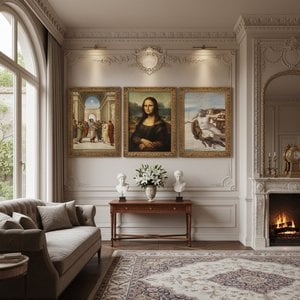
أعلى 10 روائع رسمت عصر النهضة العليا: تحف فنية لتزيين منزلك
اكتشف روائع عصر النهضة العليا! استكشف 10 لوحات فنية خالدة لدافنشي، رافايلو، مايكل أنجلو وغيرهم. قصص الفنانين، تقنيات الرسم، وألوان تحكي تاريخ الفن. احصل على نسخ طبق الأصل عالية الجودة من ArtsDot.com وابهر ديكور منزلك!
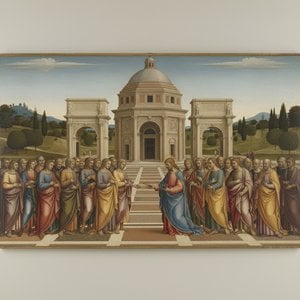
Pietro Perugino: Umbrian Master of Serenity & Precursor to Raphael's High Renaissance
Explore the life & art of Pietro Perugino, a pivotal Renaissance master and Raphael’s influential teacher. Discover his serene compositions, Sistine Chapel frescoes, and lasting legacy with ArtsDot.

Illuminating Faith: Biblical Scenes & Their Enduring Legacy in Art History
Explore the profound history of biblical art! Discover Renaissance masterpieces by Giotto & more. Uncover symbolism, artistic techniques, and lasting influence. Expert insights at ArtsDot.
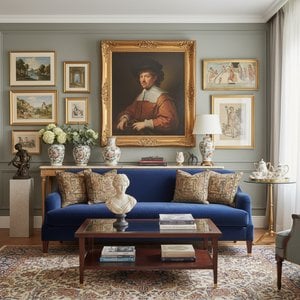
روائع هيرميتاج: أفضل 25 لوحة فنية في سانت بطرسبرغ | ArtsDot
اكتشف روائع هيرميتاج في سانت بطرسبرغ! استكشف قصص 25 لوحة فنية خالدة لريمبراندت، دافنشي وغيرهم. طباعة لوحات فاخرة وديكور منزلي مستوحى من الفن على ArtsDot.com.



