

 معاينة الحجم الواقعي
 مشاركة
 مشاركة
 التفاصيل
 دليل
دليل

 تحميل الملف
 قطع مشابهة
 الأشعة السينية
 عرض شرائح
 الأسئلة والأجوبة
 الإحصائيات
Untitled

- 28.0 x 22.0 cm

 عرض المزيد
طباعة جيلي / مطبوعات فنية
طباعة جيكلي أو كانفاس بجودة المتاحف، مع سرعة في التنفيذ وخيارات متنوعة للتشطيب. ( شراء لوحة مرسومة يدويًا الانتقال إلى الصورة الرقمية)




































اختر من بين أحجامنا المُعدّة مسبقاً والتي تتوافق مع النسب الأصلية للعمل الفني.

أدخل العرض والارتفاع المطلوبين ليتناسب المقاس مع إطارك أو جدارك. يرجى الملاحظة أن المطبوعة يمكن قصها فقط ولا يمكن تكبيرها لتتجاوز أبعاد الصورة الأصلية، لذا فإن اختيار مقاس بأبعاد مختلفة سيؤدي إلى فقدان جزء من الصورة. سنرسل لك نموذجاً رقمياً تجريبياً لاعتماده قبل البدء في عملية الطباعة. الصورة المعروضة في هذه الصفحة لا توضح شكل القص الفعلي — النموذج التجريبي فقط هو ما يظهر ذلك بدقة.
توصيل عالمي إلى خلال أسبوعين بدلاً من المدة القياسية البالغة 4/5 أسابيع. (20 نوفمبر)

شحن سريع ومجاني لجميع أنحاء العالم

قماش كتان عالي الجودة

تأمين شامل على الشحن

ضمان استرداد الرسوم الجمركية

ضمان مطابقة الألوان الحقيقية

سياسة الإرجاع خلال 100 يوم (في حالات العيوب فقط)

ضمان استرداد نقدي بنسبة 100%

خصم عند طلب كميات
 خيار الزجاج متاح فقط للمقاسات التي تقل عن 110 سم

Untitled
طباعة جيلي / مطبوعات فنية
مقاس النسخة المطبوعة
-


إجمالي السعر النهائي
E£ 3479
أعمال فنية ذات صلة


السيرة الذاتية للفنان
A Pioneer of Contextual Modernism: Rabindranath Tagore’s Artistic Legacy
Rabindranath Tagore, born May 7, 1861, in Kolkata, stands as an unparalleled figure in Bengali literature and culture—a testament to the transformative power of artistic vision. More than just a poet laureate, he was a multifaceted genius who profoundly impacted Indian art with his innovative approach to modernism, blending traditional aesthetics with contemporary sensibilities. His influence continues to resonate across disciplines and cultures today, marking him as a true polymath whose creative reach extended far beyond the written word.
Tagore’s upbringing within an intellectually stimulating family nurtured his innate artistic inclinations. His father, Debendranath Tagore, was a philosopher deeply connected to Abanindranath Tagore—who would later become a celebrated Indian artist and the founder of the Bengal School of May Art. This environment, rich in creative pursuits, provided Rabindranath with a foundation where music, literature, and visual expression were inextricably linked. From childhood, he demonstrated a remarkable aptitude for writing poetry, immersing himself in the literary traditions of Bengal while simultaneously exploring musical compositions. This dual engagement foreshadowed his artistic trajectory, establishing him as an artist who would eventually transcend conventional boundaries.
The Convergence of Tradition and Modernity
Tagore’s involvement with the movement surrounding the Bengal School of Art proved pivotal to shaping his unique visual style. This era championed a distinctive aesthetic known as contextual modernism, which sought to revitalize Indian art through a dialogue with Western influences without abandoning its core spiritual and cultural heritage. Tagore embraced this spirit of experimentation wholeheartedly. While he is globally renowned for his literary mastery, his foray into the visual arts revealed a deeply intuitive and spontaneous creator.
In his paintings, Tagore skillfully incorporated elements of European Impressionism and Symbolism, creating works imbued with evocative imagery and emotional depth. His technique often bypassed rigid academic structures in favor of something more primal and expressive. He utilized fluid lines and organic forms to capture the essence of his subjects, ranging from the spiritual atmosphere of Santiniketan to the rhythmic energy of a Dancing Woman. His work often featured intricate details, such as the poetic use of oriental script seen in masterpieces like Geetāshtak, where lush backgrounds meet calligraphic elegance, inviting viewers into a meditative state.
A Lasting Historical Significance
The significance of Rabindranath Tagore lies not only in his individual achievements but in his role as a bridge between eras and civilizations. As a Nobel Laureate, he brought the profound spiritual and humanistic themes of Indian thought to the global stage through works like Gitanjali. His artistic legacy is characterized by several key pillars:
- Cultural Synthesis: The ability to merge the rhythmic traditions of Bengal with the modern visual languages of the West.
- Spiritual Expression: A lifelong pursuit of capturing the divine and the natural world through both verse and pigment.
- Educational Vision: His role in fostering an environment at Santiniketan where art, nature, and learning could coexist harmoniously.
- Modernist Innovation: Breaking away from rigid metrical patterns in literature and formal constraints in painting to find a more authentic, personal voice.
Today, the works of Tagore serve as a vital touchstone for anyone seeking to understand the evolution of Indian modernism. His ability to weave together the spiritual essence of his homeland with a forward-looking, global perspective ensures that his name remains synonymous with the very heart of creative revolution.

Rabindranath Tagore
1861 - 1941 , India
حقائق سريعة
- Full Name: Rabindranath Tagore
- Nationality: Bengali
- Date Of Birth: 1861
- Date Of Death: 1941
- Place Of Birth: Kolkata, India
- Notable Artworks:
- Pavilion
- Ruins at Cannouge
- Khunjani Wali
- Artistic Movement Or Style: Contextual Modernism
- Artists Who Influenced This Artist:
- Edward Thomas Daniell
- Nandalal Bose
مقالات ذات صلة

Defining Art Now: Top 10 Masterpieces of '08-Contemporary & Beyond | ArtsDot
Explore 10 defining masterpieces of contemporary art – from Jeff Koons to Yayoi Kusama. Discover the stories behind iconic paintings & sculptures, and find museum-quality reproductions for your home at ArtsDot.com. Explore the full collection online!

أعمال آندي وارهول الـ 25 الأكثر شهرة: تحف فنية لتزيين منزلك بأسلوب فريد
اكتشف عالم آندي وارهول الساحر مع أفضل 25 لوحة فنية. استكشف فن البوب، تقنيات الطباعة الحريرية، وأيقونات مثل ماري لين مونرو وكامبل سوبر كان. أضف لمسة فنية عصرية لمنزلك مع ArtsDot.com.
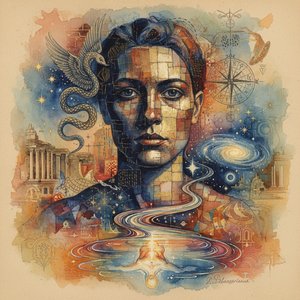
Francesco Clemente: Transcendent Narratives & the Alchemy of Identity
Explore the captivating world of Francesco Clemente, a Transavanguardia master blending Italian artistry with Indian spirituality. Discover his evocative paintings & symbolism – a valuable addition to any discerning collection.

