


 معاينة الحجم الحقيقي
 مشاركة
 مشاركة
 التفاصيل
 الدليل

 تحميل الملف
 قطع مشابهة
 الأشعة السينية
 عرض شرائح
 الإحصائيات
Census at Bethlehem
 Acrylic
- WallArt
- Northern Renaissance
 1566
1566 115.0 x 163.0 cm
 عرض المزيد
نسخة زيتية مصنوعة يدوياً
لوحة زيتية مرسومة يدوياً على الكانفاس بالمقاس والإطار الذي تفضله، تُنفذ حسب الطلب على أيدي فنانينا. ( التحويل إلى المطبوعات الانتقال إلى الصورة الرقمية)




P118B $10

P118H $10

P118W $10

P438Z $10

P508JH $12

P508YH $12

P805H $10

P805Z $10

P919BZ $10

P919G $10

P919XJ $10

P959ZH $10

P968JZ $12

W106C $8

W218G $10

W218JH $8

W218Y $10

W307PJ $10

W316G $10

W316PJ $8

W316Y $10

W398PJ $8

W4111J $10

W500HY $15

W500JH $15

W692G $12

W849H $8

W940BG $15

W953PJ $8




اختر من بين أحجامنا المُعدّة مسبقًا والتي تتطابق مع النسب الأصلية للعمل الفني.

يمكنك إدخال أبعادك الخاصة لتناسب إطارًا معينًا أو مساحة محددة. وإذا لم يتطابق الحجم الذي اخترته مع نسب الصورة الأصلية، فسنقوم إما بقص العمل الفني أو توسيع اللوحة بإضافة عناصر مرسومة يدويًا. سيتم إرسال نموذج رقمي إليك للموافقة عليه قبل بدء الإنتاج.
يرجى ملاحظة أن المعاينة على الشاشة لا تعكس عملية القص أو التوسيع الفعلية؛ حيث إن النموذج الرقمي وحده هو الذي سيوضح التكوين النهائي بدقة.
وعلى الرغم من توفر أحجام مخصصة، إلا أننا نوصي باختيار أبعاد من القائمة المحددة مسبقًا للحفاظ على النسب الأصلية للعمل الفني.
بعد إتمام الطلب، سيرسل فريق ArtsDot.com بريداً إلكترونياً للعميل لطلب التعليمات وتزويده بمعاينة تجريبية (mockup).
توصيل عالمي إلى خلال 3 إلى 4 أسابيع بدلاً من المدة المعتادة البالغة 5 أسابيع. (22 سبتمبر). جودة لا تهاون فيها.

شحن سريع ومجاني لجميع أنحاء العالم

قماش كتان عالي الجودة

تأمين شحن شامل

ضمان استرداد الرسوم الجمركية

ضمان مطابقة الألوان الحقيقية

سياسة الإرجاع خلال 100 يوم (في حالات العيوب فقط)

ضمان استرداد نقدي بنسبة 100%

خصم عند طلب عدة قطع
 خيار الزجاج متاح فقط للمقاسات التي تقل عن 110 سم

Census at Bethlehem
خامة إعادة الإنتاج
مقاس النسخة المطبوعة
-


السعر الإجمالي النهائي
$ 263
A Winter’s Tale of Faith and Observation: Pieter Bruegel's “The Numbering at Bethlehem”
Pieter Bruegel the Elder’s “The Numbering at Bethlehem,” completed in 1566, stands as a cornerstone of Northern Renaissance art—a painting that transcends mere depiction to deliver profound commentary on faith, social life, and the enduring power of observation. Executed during a period marked by religious upheaval and burgeoning humanist thought, this monumental oil-on-panel artwork captures a scene from Matthew 2:1-11, depicting Joseph, Mary, and Jesus amidst the snowbound village of Bethlehem as they prepare for the census decreed by Caesar Augustus. Yet, Bruegel doesn’t simply recount biblical narrative; he transforms it into an exquisitely detailed tableau brimming with symbolic resonance. The painting's stylistic hallmark is its masterful use of *trompe l'oeil*, a technique pioneered by Bruegel himself—a deliberate illusionistic rendering that seamlessly blends painted elements with architectural features, creating the impression of depth and realism. Notice how the snow drifts tumble from the rooftops, seemingly spilling onto the cobblestone street below, blurring the boundaries between artifice and reality. This ambitious approach reflects Bruegel’s fascination with capturing the complexities of everyday life—a characteristic that distinguishes him from his Italian contemporaries who favored idealized representations of classical grandeur.- Composition: The scene unfolds across a wide horizontal format, emphasizing the expansive winter landscape and fostering a sense of immersion for the viewer.
- Color Palette: Bruegel employs a muted palette dominated by whites, browns, and blues—colors that convey both the bleakness of winter and the solemnity of the occasion. However, splashes of warmer hues—particularly reds and yellows—highlight key figures and objects, drawing attention to their importance within the narrative.
- Technique: Bruegel’s meticulous brushwork demonstrates an unparalleled command of chiaroscuro—the dramatic interplay between light and shadow—creating a palpable sense of atmosphere and enhancing the emotional impact of the scene.
أعمال فنية ذات صلة


السيرة الذاتية للفنان
Pieter Bruegel the Elder: Renaissance Master of Landscapes and Peasant Life
Pieter Bruegel the Elder stands as a monumental figure in Flemish Renaissance art, recognized globally for his groundbreaking approach to depicting human experience—particularly through vivid landscapes populated by ordinary people. Born around 1525/1530, likely in Breda (though precise birth records remain elusive), Bruegel’s formative years unfolded amidst the turbulent religious landscape of Brabant – then part of Habsburg Spain – and a burgeoning mercantile culture that fostered artistic experimentation. His early artistic training occurred under the tutelage of Pieter Coecke van Aelst, a celebrated Antwerp painter renowned for his sculptural prowess, architectural designs for tapestries, and masterful depictions of exotic locales—a formative encounter that instilled in Bruegel a profound appreciation for humanist ideals and innovative visual techniques.Early Life and Artistic Training
Coecke’s workshop wasn't merely an institution for artistic instruction; it served as a crucible where traditional Flemish craftsmanship intersected with emerging Renaissance concepts, shaping Bruegel’s artistic trajectory from its inception. Coecke’s wife, Maria Verhulst Bessemers, herself a painter specializing in watercolor and tempera—a technique gaining prominence during the period—further broadened Bruegel's exposure to diverse artistic traditions. This confluence of influences instilled in him an unwavering commitment to meticulous observation and a willingness to challenge established conventions—qualities that would characterize his entire oeuvre. Following his apprenticeship, Bruegel embarked on extensive travels throughout Europe between 1551 and 1553, traversing France, Switzerland, and Italy. These expeditions weren’t driven solely by curiosity; they constituted deliberate explorations of artistic inspiration, resulting in sketches documenting the grandeur of Alpine vistas and immersing him in the vibrant cultural milieu of Italian Renaissance centers.The Influence of Bosch and Artistic Innovation
Bruegel's stylistic evolution began with a discernible debt to Hieronymus Bosch—a fellow painter who died just before Bruegel’s birth but whose unsettling visions of Hell and demonic figures exerted considerable sway over younger artists. While Bruegel initially adopted Bosch’s macabre aesthetic, he swiftly developed his own distinctive voice—characterized by an unparalleled sensitivity to atmospheric perspective and a masterful command of chiaroscuro—the dramatic interplay of light and shadow that imbues his canvases with depth and emotional resonance. This stylistic breakthrough propelled him beyond the confines of conventional Renaissance painting, establishing him as a pioneer in genre art—a field previously dominated by portraits and mythological narratives—and ushering in an era of unprecedented realism in depictions of rural life.Major Achievements and Recurring Themes
Bruegel’s artistic legacy rests upon a remarkable body of work encompassing landscapes, peasant scenes, biblical narratives, and allegorical representations—each infused with profound symbolic meaning and reflecting his humanist worldview. Among his most celebrated masterpieces are *Landscape with the Flight into Egypt*, *The Triumph of Death*, *Peasant Wedding*, *Hunters in the Snow*, and *The Tower of Babel*. These paintings exemplify Bruegel’s unparalleled ability to capture both the beauty and brutality inherent in human existence—a feat achieved through meticulous detail, masterful composition, and an unwavering commitment to portraying everyday life with unflinching honesty. His landscapes aren't merely decorative elements; they serve as conduits for conveying moral lessons and exploring philosophical questions about humanity’s relationship with nature and its destiny.A Lasting Impact on Art History
Pieter Bruegel the Elder’s influence reverberates throughout subsequent artistic movements—most notably in the Dutch Golden Age—where artists like Isaac van Ostade and Adriaen Brouwer drew inspiration from his pioneering approach to genre painting and his masterful use of chiaroscuro. Beyond painting, Bruegel's imagery continues to captivate audiences worldwide—appearing prominently in films such as Andrei Tarkovsky’s *Solaris* (1972) and Lars von Trier’s *Melancholia* (2011)—demonstrating the enduring power of his artistic vision. He remains an undisputed icon of Renaissance art, securing his place among the most influential figures in European cultural history—a testament to his unwavering dedication to observation, artistic innovation, and a profound understanding of the human condition.
بيتر بروجل الأكبر
1525 - 1569 , بلجيكا
حقائق سريعة
- Artistic Movement Or Style: الرينيسانس الفني
- Artists Who Influenced This Artist: ['هيرونيموس بوسخ']
- Date Of Birth: c. 1525
- Date Of Death: 1569
- Full Name: Pieter Bruegel the Elder
- Nationality: فلمنكي
- Notable Artworks: ['لوحة الهجرة إلى مصر"، "تriumph الموت"، "عرس الفلاحين"، "الصيد في الثلج']
- Place Of Birth: Breda، هولندا
مقالات ذات صلة

Oil on Canvas: A Historical & Technical Exploration of a Timeless Artistic Medium
Explore the rich history & enduring techniques of oil painting on canvas. Discover the science behind its longevity, conservation practices, and contemporary relevance. Expert insights for art enthusiasts.

Oil on Panel Masters: 10 Paintings That Revolutionized Art |
Journey through 10 legendary 'Oil on Panel' masterpieces by Van Eyck, Bosch & Bruegel. Explore the stories behind these iconic Renaissance & Baroque paintings and find museum-quality art reproductions to elevate your home decor. Discover all masterpieces on !

Pieter Bruegel the Elder: A Master of Genre, Landscape & Social Commentary
Explore the life & art of Pieter Bruegel the Elder, a pivotal figure of the Renaissance. Discover his groundbreaking genre scenes, symbolic landscapes, and lasting influence on art history. Learn more at ArtsDot.
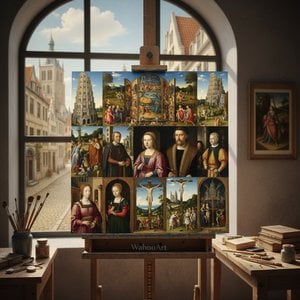
أفضل 10 روائع تحدد عصر النهضة الشمالية: فنانون وقصص وجماليات راقية
اكتشف روائع عصر النهضة الشمالية! استكشف 10 لوحات أيقونية لفنانين كبار مثل فان إيك ودورر. قصص فنية آسرة، أساليب مبتكرة وألوان خالدة. احصل على تحف فنية عالية الجودة من ArtsDot.com واستلهم ديكورك!

The Enduring Legacy of Oil on Canvas: Technique, History & Aesthetic Impact
Explore the rich history & techniques of oil painting – from Renaissance masters to Impressionism. Discover pigments, layering methods, and why this timeless medium endures. Expert insights for artists & art enthusiasts.


