
- الرئيسية

- نسخة زيتية مطابقة للأصل
- بييت موندريان
- Composition with Double Lines and Yellow (unfinished)
 شراء نسخة مطبوعة شراء الصورة بدقة عالية
 مشاركة
 مشاركة
 Details
 أضف إلى المفضلة

 تحميل الملف
 قطع مشابهة
 X-Ray
X-Ray
 عرض شرائح
Composition with Double Lines and Yellow (unfinished)
 أكريليك على كانفاس
- لوحات جدارية
- Neoplasticism
 1934
1934- العصر الحديث
 86.0 x 87.0 cm
نسخة زيتية مصنوعة يدوياً
لوحة زيتية مرسومة يدوياً على الكانفاس بالمقاس والإطار الذي تفضله، تُنفذ حسب الطلب على أيدي فنانينا.




P118B $10

P118H $10

P118W $10

P438Z $10

P508JH $12

P508YH $12

P805H $10

P805Z $10

P919BZ $10

P919G $10

P919XJ $10

P959ZH $10

P968JZ $12

W106C $8

W218G $10

W218JH $8

W218Y $10

W307PJ $10

W316G $10

W316PJ $8

W316Y $10

W398PJ $8

W4111J $10

W500HY $15

W500JH $15

W692G $12

W849H $8

W940BG $15

W953PJ $8




 للمزيد من المعلومات
اختر من بين أحجامنا المُعدّة مسبقًا والتي تتطابق مع النسب الأصلية للعمل الفني.

يمكنك إدخال أبعادك الخاصة لتناسب إطارًا معينًا أو مساحة محددة. وإذا لم يتطابق الحجم الذي اخترته مع نسب الصورة الأصلية، فسنقوم إما بقص العمل الفني أو توسيع اللوحة بإضافة عناصر مرسومة يدويًا. سيتم إرسال نموذج رقمي إليك للموافقة عليه قبل بدء الإنتاج.
يرجى ملاحظة أن المعاينة على الشاشة لا تعكس عملية القص أو التوسيع الفعلية؛ حيث إن النموذج الرقمي وحده هو الذي سيوضح التكوين النهائي بدقة.
وعلى الرغم من توفر أحجام مخصصة، إلا أننا نوصي باختيار أبعاد من القائمة المحددة مسبقًا للحفاظ على النسب الأصلية للعمل الفني.
بعد إتمام الطلب، سيرسل فريق ArtsDot.com بريداً إلكترونياً للعميل لطلب التعليمات وتزويده بمعاينة تجريبية (mockup).
توصيل عالمي إلى خلال 3 إلى 4 أسابيع بدلاً من المدة المعتادة البالغة 5 أسابيع. (1 يوليو). جودة لا تهاون فيها.

شحن سريع ومجاني لجميع أنحاء العالم

قماش كتان عالي الجودة

تأمين شحن شامل

ضمان استرداد الرسوم الجمركية

ضمان مطابقة الألوان الحقيقية

سياسة الإرجاع خلال 60 يومًا (في حالات العيوب فقط)

ضمان استرداد نقدي بنسبة 100%

خصم عند طلب عدة قطع
 خيار الزجاج متاح فقط للمقاسات التي تقل عن 110 سم

Composition with Double Lines and Yellow (unfinished)
خامة إعادة الإنتاج
مقاس النسخة المطبوعة
-


السعر الإجمالي النهائي
-
وصف العمل الفني
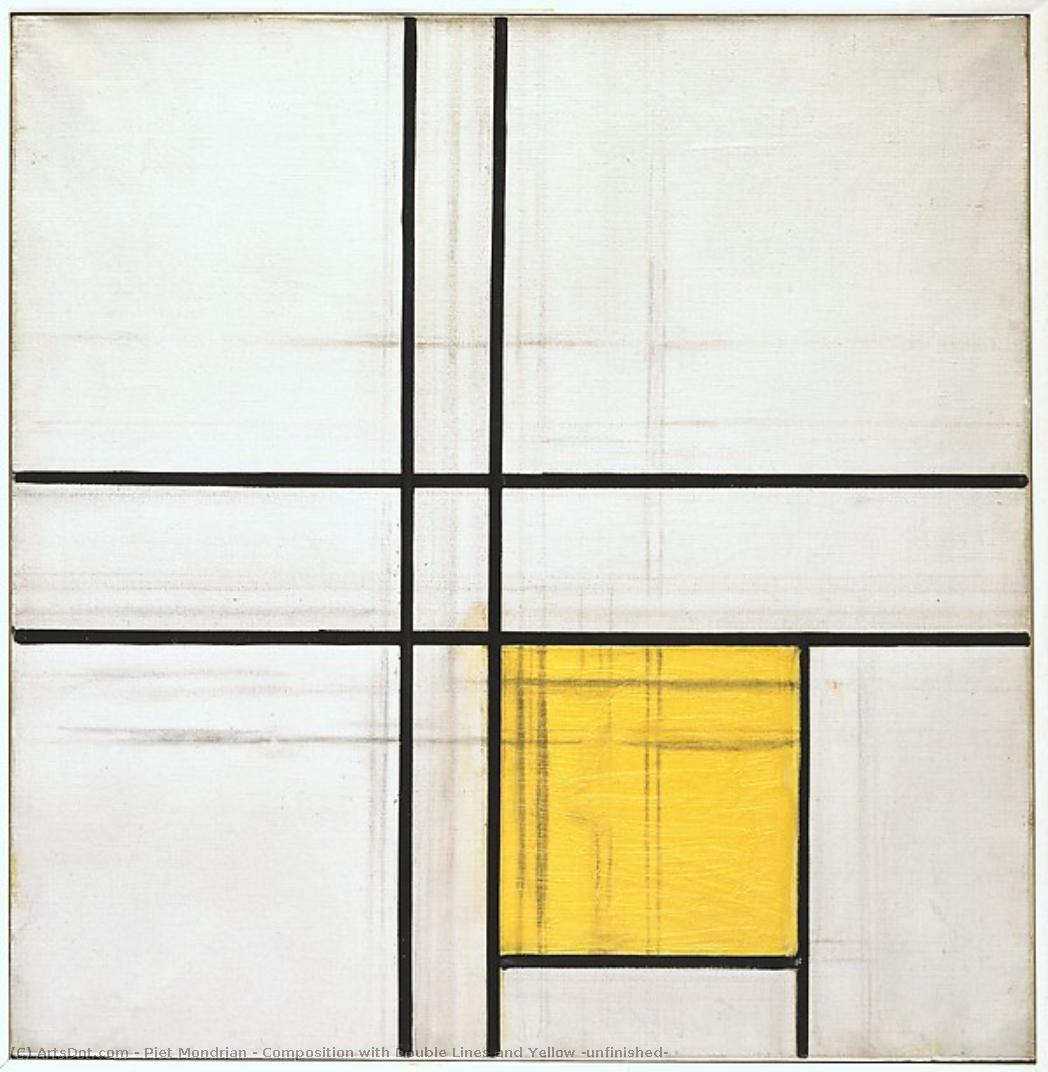
A Glimpse Behind the Precision: Piet Mondrian’s “Composition with Double Lines and Yellow (unfinished)”
Piet Mondrian's "Composition with Double Lines and Yellow (unfinished)" offers an extraordinary window into the creative process of one of 20th-century art’s most influential figures. More than just a finished painting, this work—measuring 86 x 87 cm and created in 1934—is a testament to Mondrian's relentless pursuit of equilibrium through geometric abstraction. It’s a tangible record of experimentation, revealing the layers of charcoal lines, preliminary sketches, and even a hesitant square of yellow paint that ultimately coalesced into his signature Neoplastic style. The canvas isn’t merely a depiction; it’s an artifact of artistic exploration, inviting us to witness the evolution of an idea.
Mondrian's ambition wasn’t simply to represent the world but to distill its essence—to capture universal harmony through the rigorous application of pure form. This pursuit led him away from naturalistic landscapes and towards a radically simplified vocabulary: straight lines, primary colors (red, blue, yellow), and their non-colors – black, white, and gray. His early work, reminiscent of the Hague School’s evocative depictions of Dutch countryside, hinted at this desire for simplification, but it was in the 1930s that he truly embraced Neoplasticism, believing it held the key to a new kind of spiritual art. This particular piece exemplifies that journey – a deliberate step away from complete finality towards a dynamic exploration of form and color.
The Process Unveiled: Trial, Error, and the Beauty of Imperfection
Unlike many of Mondrian’s later works, renowned for their flawless precision, “Composition with Double Lines and Yellow (unfinished)” bears the visible marks of his creative process. Shifting charcoal lines, some overlapping the yellow rectangle, reveal a deliberate act of experimentation. The artist wasn't striving for immediate perfection; instead, he was actively testing arrangements, exploring spatial relationships, and allowing himself to deviate from his established rules. Letters from Mondrian during this period—particularly those penned in early 1935—detail his struggle with illness, which significantly hampered his ability to complete paintings. This work, therefore, becomes a poignant reminder of the dedication required to realize his artistic vision, showcasing an artist fully engaged in the iterative nature of creation.
The presence of untouched areas of primed canvas further emphasizes this process. Mondrian’s meticulous layering technique—allowing each color layer to dry completely before applying the next—is evident in the subtle variations and textures visible on the surface. This deliberate slowness, a stark contrast to the perceived speed of his finished paintings, highlights the immense care he invested in achieving the desired balance and harmony. It's a fascinating glimpse into the artist’s studio, revealing that even the most iconic works are born from countless iterations and adjustments.
Decoding the Geometry: Lines, Color, and Symbolic Resonance
The composition itself is deceptively simple yet profoundly complex. The interplay of black lines—both single and double—creates a dynamic tension within the predominantly white space. These lines aren’t merely decorative; they are fundamental elements in Mondrian's system for achieving equilibrium. The placement of the yellow rectangle, a bold splash against the stark background, introduces an element of warmth and vibrancy, subtly challenging the dominance of the black and white. The use of overlapping lines creates depth and suggests movement, while the careful arrangement of squares evokes a sense of order and stability.
Mondrian’s philosophy extended beyond mere aesthetics; he believed that his art could express universal values and create a pathway to spiritual understanding. The geometric forms—particularly the square—represented a fundamental building block of reality, while the lines symbolized the dynamic forces that shaped the universe. The deliberate restriction of color to primary hues and non-colors was intended to eliminate distractions and allow viewers to focus on the essential relationships between form and space. “Composition with Double Lines and Yellow (unfinished)” is therefore not just a painting; it’s a visual meditation on order, harmony, and the search for universal truth.
A Reproduction Worthy of Display: Bringing Mondrian's Vision Home
ArtsDot offers meticulously hand-painted reproductions of “Composition with Double Lines and Yellow (unfinished),” capturing the essence of this pivotal work. Our skilled artists replicate Mondrian’s technique, faithfully recreating the subtle nuances of charcoal lines, the delicate layering of paint, and the overall textural quality of the original canvas. Whether you're an art enthusiast, a collector seeking to expand your collection, or simply someone looking for a striking piece of modern art to enhance your interior space, our reproduction provides an authentic representation of this iconic work.
Consider how Mondrian’s reductive style—the emphasis on essential lines and colors—can complement a variety of design aesthetics. The clean geometry and restrained palette create a timeless appeal, lending sophistication and serenity to any room. A ArtsDot reproduction allows you to bring the intellectual rigor and emotional depth of this masterpiece into your home, celebrating the enduring legacy of Piet Mondrian.
أعمال فنية ذات صلة


السيرة الذاتية للفنان
بيتر مونديان: رحلة نحو التجريد المطلق
في قلب هولندا الهادئة، وُلد بيتر كورنيليس مونديان في عام 1872، لتبدأ مسيرة فنية لم تكن وليدة لحظة إلهام مفاجئ، بل تطورت تدريجياً عبر سنوات من البحث والتساؤل. نشأ الفنان في كنف عائلة تقدّر الفن، حيث كان عمه رساماً مرموقاً، مما وجهه في البداية نحو رسم المناظر الطبيعية. تلك الأعمال المبكرة، التي تعكس تأثير مدرسة لاهاي الهولندية والانطباعية، تكشف عن فنان يتقن التقنية ويراقب الطبيعة بدقة، لكنها تشي أيضاً برغبة خفية في التبسيط، في استخلاص الجوهر من وراء المظهر. لم يكن مونديان راضياً عن مجرد عكس الواقع؛ بل سعى إلى تجسيد روحه. هذه المرحلة الأولية شهدت تجارب مع النقطية والفوفية، كل منهما يقدم عدسة مختلفة لرؤية الألوان والأشكال، لكنها لم تشبع طموحاته الفنية المتنامية. كانت فترة استكشاف ضرورية، سبقت الانفصال الجذري الذي سيحدد إرثه.
باريس والتحول نحو التجريد الهندسي
شكل الانتقال إلى باريس عام 1912 نقطة تحول حاسمة في مسيرة مونديان. المدينة الفرنسية النابضة بالحياة كانت مركزاً للفنون المتقدمة، وغرق الفنان في عالمها الثوري. هنا، اكتشف التكعيبية، وهو أسلوب قلب مفاهيمه عن الفن رأسًا على عقب. لم يكن الأمر مجرد تبني أسلوب جديد؛ بل كان بداية رحلة روحانية عميقة. تأثر مونديان بشدة بالفلسفة السرورية (Theosophy)، التي تؤكد على وجود مبادئ كونية كامنة، وبدأ يعتقد أن الفن يمكن أن يكون وسيلة للتعبير عن هذه الحقائق الخفية. هذا الاعتقاد دفع به إلى السعي الدؤوب نحو التجريد، وإلى تقليل الألوان والأشكال إلى عناصرها الأساسية. وفي عام 1917، بلورت هذه الرحلة في شكل "التجريدية الجديدة" (Neoplasticism)، وهي حركة فنية تهدف إلى تحقيق نقاء الشكل والتعبير عن الانسجام الكوني. تضمنت التجريدية الجديدة استخدام الخطوط المستقيمة والزوايا القائمة، بالإضافة إلى لوحة ألوان محدودة: الأحمر والأزرق والأصفر الأساسيين، بالإضافة إلى الأبيض والأسود والرمادي. لم يكن هذا التبسيط بمثابة فراغ؛ بل كان وسيلة للكشف عن النظام الروحي الكامن وراء الكون، وتجسيد بصري للترتيب الروحاني. أسس مونديان حركة "De Stijl" مع تيو فان دوسبرج لتعزيز هذه الأفكار، مما رسخ مكانة التجريدية الجديدة كقوة مؤثرة في الفن الحديث. أعمال مثل *تركيب بالأحمر والأزرق والأصفر* و *لوحة رقم 2 تركيب رقم V* تشهد على هذه الفترة، وهي تمثيلات أيقونية لالتزامه الثابت بالنقاء الهندسي.
نيويورك: إيقاعات جديدة في التجريد
مع اندلاع الحرب العالمية الثانية، اضطر مونديان إلى مغادرة أوروبا عام 1940، ليجد ملاذاً في مدينة نيويورك الصاخبة. هذه النقلة غيرت مساره الفني بشكل غير متوقع. الهيكل الشبكي الصارم للمدينة – على عكس المناظر الطبيعية العضوية التي عرفها سابقاً – صدى مع مبادئه الفنية. أعماله اللاحقة، وخاصة *بوغي ووغى برودواي* (1943)، تعكس هذا التأثير. مع الحفاظ على جوهر التجريدية الجديدة، تقدم اللوحة طاقة ديناميكية جديدة، وإيقاعاً نابضاً بالحياة مستوحى من حياة المدينة الصاخبة والموسيقى الجاز. الخطوط المستقيمة لا تزال موجودة، لكنها الآن ترقص وتتقاطع بحرية أكبر، مما يخلق إحساساً بالحركة والفرح. بدا الأمر وكأن مونديان قد وجد لغة جديدة داخل مفرداته الفنية الراسخة، طريقة للتعبير عن تعقيدات الوجود الحضري الحديث من خلال بساطة التجريد الهندسي.
إرث دائم: تأثير مونديان الذي لا يزول
تأثير بيتر مونديان على عالم الفن لا يقدر بثمن. لم يكن مجرد فنان؛ بل كان رائياً بصرياً غيّر فهمنا للتجريد وإمكاناته في التعبير عن الحقائق الكونية. عمله أثر بعمق على عدد لا يحصى من الفنانين والحركات والانضباطات. التعبيرية التجريدية، والحد الأدنى، ورسم حقول الألوان مدينة لروحه الرائدة. لكن تأثيره يتجاوز اللوحة الفنية. مبادئ التجريدية الجديدة – البساطة والوضوح والنظام الهندسي – اخترقت العمارة والتصميم والموضة. من الأثاث والأقمشة إلى واجهات المباني وتخطيطات الرسومات، لا يزال جمال مونديان يشكل عالمنا المرئي. إنه يظل شخصية رمزية في الفن الحديث، ورمزاً للسعي الدؤوب نحو التجريد وقوة الابتكار الفني الدائمة. كما قال مؤرخ التصميم ستيفن بايلي: أصبح مونديان "تميمة لكل ما أراد الحداثة أن يكونه". إرثه ليس مجرد جماليات؛ بل هو فكر دقيق وعمق روحي وإيمان لا يتزعزع بإمكانية الفن التحويلية.
التأثيرات والأعمال الرئيسية
- التأثيرات المبكرة: مدرسة لاهاي، الانطباعية الهولندية، النقطية، الفوفية قدمت أساساً لاستكشافاته الفنية الأولية.
- التأثير التحويلي: التكعيبية في باريس كانت حاسمة لانتقاله نحو التجريد والأشكال الهندسية.
- الأساس الفلسفي: السرورية أثرت بعمق على اعتقاده بأن الفن يمكن أن يعبر عن مبادئ روحية كونية.
- أعمال رئيسية: *طاحونة هوائية حمراء* (فترة طبيعية مبكرة)، *تركيب بالأحمر والأزرق والأصفر* (التجريدية الجديدة النموذجية)، *لوحة رقم 2 تركيب رقم V* (توضح الاختزال إلى أشكال أساسية)، *بوغي ووغى برودواي* (ديناميكية الحياة المتأخرة المستوحاة من مدينة نيويورك).
- تأثير دائم: يستمر عمل مونديان في إلهام الفنانين والمهندسين المعماريين والمصممين، وشكل التقاليد الجمالية الحديثة عبر مختلف التخصصات.
إن مبادئه الجمالية امتدت إلى ما وراء الرسم لتؤثر على العمارة والتصميم والموضة. يظل فنانًا أيقونيًا في الفن الحديث، ويمثل السعي نحو التجريد والانسجام الكوني.

بييت موندريان
1872 - 1944 , هولندا
حقائق سريعة
- Artistic Movement Or Style: النيو بلاستيسية، دي ستييل
- Artists Who Influenced This Artist: ['مدرسة هاغ"، "التكعيبية"، "الفلسفة اليانية']
- Date Of Birth: 7 مارس 1872
- Date Of Death: 1 فبراير 1944
- Full Name: بيتر كورنيليس موندريان
- Nationality: هولندي
- Notable Artworks: ['لوحة حمراء زرقاء صفرا"، "تأليف رقم ٢ تكوين الخامس"، "بويدواي بوغي ووغي']
- Place Of Birth: أميرسفورد، هولندا
مقالات ذات صلة

Theo van Doesburg: Pioneering De Stijl & the Evolution of Neo-Plasticism
Explore the revolutionary De Stijl movement & Neo-Plasticism with our expert guide. Discover Piet Mondrian, Theo van Doesburg, and the lasting impact of this influential art style. Learn about collecting & investing in De Stijl masterpieces.


Beyond Form & Color: Geometric Abstraction's Evolution in 20th/21st Century Art
Explore the evolution of geometric abstraction from Cubism to contemporary art. Discover key artists like Malevich & Mondrian, investment insights, and expert collecting advice at ArtsDot.

Kandinsky's Masterpieces: 25 Paintings That Define Abstract Art | ArtsDot
Journey through Wassily Kandinsky's 25 most iconic abstract paintings. Explore his revolutionary use of color, form & spiritual expressionism. Find museum-quality Kandinsky reproductions and elevate your home decor with ArtsDot.com. Discover all masterpieces on ArtsDot.com!

التدفق الحركي في التصميم الداخلي: تسخير التكوين الديناميكي للفن التجريدي لتحقيق الانسجام المكاني والتدفق البصري
اكتشف أسرار التدفق الحركي في التصميم الداخلي! دليل شامل من خبراء ArtsDot حول تسخير الفن التجريدي لخلق مساحات فخمة ومتناغمة. نصائح عملية ودراسات حالة ملهمة.

Piet Mondrian: Deconstructing Reality – A Study of Neo-Plasticism & Universal Harmony
Explore the revolutionary art of Piet Mondrian and the principles of Neo-Plasticism. Discover De Stijl's influence, iconic compositions like 'Composition with Red, Yellow and Blue,' and Mondrian’s lasting legacy on modern design.



