


 معاينة الحجم الحقيقي
 مشاركة
 مشاركة
 التفاصيل

 تحميل الملف
 قطع مشابهة
 الأشعة السينية
 عرض شرائح
Design for
 Drawing
- WallArt
- Arts and Crafts
 1860
1860- 19th Century
 71.0 x 35.0 cm
 William Morris Gallery
 عرض المزيد
نسخة زيتية مصنوعة يدوياً
لوحة زيتية مرسومة يدوياً على الكانفاس بالمقاس والإطار الذي تفضله، تُنفذ حسب الطلب على أيدي فنانينا. ( التحويل للنسخة المطبوعة التبديل إلى الصورة)




P118B $10

P118H $10

P118W $10

P438Z $10

P508JH $12

P508YH $12

P805H $10

P805Z $10

P919BZ $10

P919G $10

P919XJ $10

P959ZH $10

P968JZ $12

W106C $8

W218G $10

W218JH $8

W218Y $10

W307PJ $10

W316G $10

W316PJ $8

W316Y $10

W398PJ $8

W4111J $10

W500HY $15

W500JH $15

W692G $12

W849H $8

W940BG $15

W953PJ $8




اختر من بين أحجامنا المُعدّة مسبقًا والتي تتطابق مع النسب الأصلية للعمل الفني.

يمكنك إدخال أبعادك الخاصة لتناسب إطارًا معينًا أو مساحة محددة. وإذا لم يتطابق الحجم الذي اخترته مع نسب الصورة الأصلية، فسنقوم إما بقص العمل الفني أو توسيع اللوحة بإضافة عناصر مرسومة يدويًا. سيتم إرسال نموذج رقمي إليك للموافقة عليه قبل بدء الإنتاج.
يرجى ملاحظة أن المعاينة على الشاشة لا تعكس عملية القص أو التوسيع الفعلية؛ حيث إن النموذج الرقمي وحده هو الذي سيوضح التكوين النهائي بدقة.
وعلى الرغم من توفر أحجام مخصصة، إلا أننا نوصي باختيار أبعاد من القائمة المحددة مسبقًا للحفاظ على النسب الأصلية للعمل الفني.
بعد إتمام الطلب، سيرسل فريق ArtsDot.com بريداً إلكترونياً للعميل لطلب التعليمات وتزويده بمعاينة تجريبية (mockup).
توصيل عالمي إلى خلال 3 إلى 4 أسابيع بدلاً من المدة المعتادة البالغة 5 أسابيع. (10 أغسطس). جودة لا تهاون فيها.

شحن سريع ومجاني لجميع أنحاء العالم

قماش كتان عالي الجودة

تأمين شحن شامل

ضمان استرداد الرسوم الجمركية

ضمان مطابقة الألوان الحقيقية

سياسة الإرجاع خلال 60 يومًا (في حالات العيوب فقط)

ضمان استرداد نقدي بنسبة 100%

خصم عند طلب عدة قطع
 خيار الزجاج متاح فقط للمقاسات التي تقل عن 110 سم

Design for
خامة إعادة الإنتاج
مقاس النسخة المطبوعة
-


السعر الإجمالي النهائي
$ 263
وصف العمل الفني
أعمال فنية ذات صلة


السيرة الذاتية للفنان
The Architect of Integrity: The Life and Legacy of Philip Speakman Webb
In the heart of the nineteenth century, as the soot of the Industrial Revolution began to shroud the British landscape in a veil of mechanical uniformity, a new vision of beauty was being forged. At the center of this quiet revolution stood Philip Speakman Webb, a man whose architectural philosophy would become the very heartbeat of the Arts and Seraphic Crafts movement. Born in Oxford in 1831, Webb did not merely seek to build structures; he sought to restore a lost connection between humanity, craftsmanship, and the natural world. His life’s work was a profound rebellion against the mass-produced, an elegant pursuit of what he called "the art of common building," where every stone, timber, and tile whispered of tradition and tactile truth.
Webb’s journey into the vanguard of design was shaped by a series of pivotal encounters and rigorous training. After studying in Northamptonshire and apprenticing under John Billing in Reading, his trajectory was irrevocably altered when he joined the London office of George Edmund Street. It was within this professional crucible that Webb met William Morris, a meeting that would ignite one of the most significant creative partnerships in art history. Together, they shared a disdain for the hollow ornamentation of the Victorian era, finding instead inspiration in the rugged honesty of medieval and vernacular architecture. This bond was not merely social but deeply collaborative, leading to the formation of Morris, Marshall, Faulkner & Co., where Webb’s architectural sensibilities breathed life into furniture, tapestries, and stained glass.
Red House and the Birth of a Movement
The true manifesto of Webb’s genius was written in brick and mortar at Red House. Commissioned by Morris in 1859, this residence in Bexleyheath became much more than a family home; it became the foundational blueprint for an entire aesthetic era. Moving away from the grand, often ostentical styles of his contemporaries, Webb embraced a restrained elegance. He utilized red brick, steep-sloped roofs, and tall, Tudor-like chimneys to create a structure that felt as though it had grown organically from the Kentish soil. The house was a triumph of functionality and simplicity, proving that true luxury lay in the quality of materials and the integrity of design rather than superficial decoration.
This mastery of the domestic sphere extended far beyond a single commission. Webb’s ability to blend the Gothic Revival influence with a practical, modern sensibility allowed him to pioneer the English Domestic Revival. His designs for country manors and urban townhouses were characterized by:
- Vernacular Authenticity: A deep respect for local building traditions and materials.
- Structural Honesty: An emphasis on visible craftsmanship, such as exposed timber and sturdy masonry.
- Organic Integration: Creating spaces that felt intimately connected to their surrounding landscapes.
A Lasting Impression on the Modern World
Beyond the physical structures he left behind, Webb’s historical significance lies in his role as a guardian of heritage. Alongside Morris, he co-founded the Society for the Protection of Ancient Buildings (SPAB), an organization dedicated to the preservation of historic fabric against destructive modern "restorations." This commitment to conservation mirrored his architectural practice—both were rooted in a profound respect for the past and a desire to protect the soul of the built environment. His work served as a vital bridge between the medieval spirit and the burgeoning seeds of Modernism, influencing generations of designers to value the hand of the maker over the output of the machine.
As we look back upon the career of Philip Speakman Webb, we see more than an architect; we see a visionary who championed the dignity of labor and the beauty of the unpretentious. His legacy remains etched in the very textures of the Arts and Crafts movement—a reminder that architecture, at its finest, is not about imposing a style upon the land, but about listening to the stories the land and its materials are waiting to tell.

philip speakman webb
1831 - 1915 , United Kingdom
حقائق سريعة
- Artistic Movement Or Style: Arts and Crafts
- Artists Or Movements Influenced By This Artist: ['Morris & Co.']
- Artists Who Influenced This Artist:
- George Edmund Street
- William Morris
- Date Of Birth: January 12, 1831
- Full Name: Philip Speakman Webb
- Nationality: British
- Notable Artworks:
- Red House
- Buffet
- Place Of Birth: Oxford, United Kingdom
مقالات ذات صلة

Slate Blue Masterpieces: 10 Iconic Paintings & Timeless Home Decor Ideas
Immerse yourself in the captivating world of slate blue! Explore 10 iconic paintings by Monet, Van Gogh & Renoir. Discover their stories, techniques & find museum-quality art reproductions for your home at .

Verdant Visions: Exploring the Symbolism & Aesthetic Impact of Green in Art History
Explore the rich history & symbolism of green in art! Discover iconic paintings, techniques, and how to bring verdant harmony into your home with ArtsDot's expert guide.
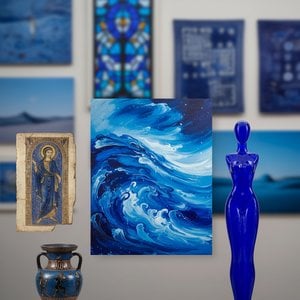
The Allure of Azure: Exploring the Symbolic & Aesthetic Depths of Blue in Art History
Explore the rich history of blue in art! Discover its symbolism, from ancient pigments to modern masterpieces by Kandinsky & Seurat. Uncover the psychological impact and cultural meanings behind this captivating hue.

Chrome Green Masterpieces: 10 Famous Paintings & Their Alluring Hues |
Explore 10 famous paintings where 'Chrome Green' reigns supreme! Discover Monet, Manet & Van Gogh’s masterpieces. Learn the stories behind these iconic artworks and find museum-quality art reproductions for your home at .

Dark Olive Green Masterpieces: 10 Iconic Paintings & Decor Ideas
Explore 10 iconic paintings where dark olive green reigns supreme! From Van Gogh to Rembrandt, discover art history's most captivating masterpieces & the stories behind them. Find museum-quality reproductions and curated decor ideas at .

