


 مشاركة
 مشاركة
 التفاصيل

 تحميل الملف
 قطع مشابهة
 عرض شرائح
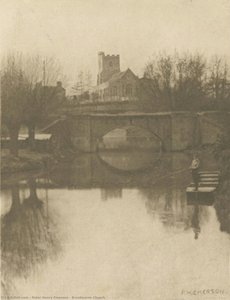
Broxbourne Church
 Black and White Photography
- Photo
- Naturalism
 1888
1888- 19th Century
 19.0 x 14.0 cm
 متحف بول جيتي
 عرض المزيد
نسخة زيتية مصنوعة يدوياً
لوحة زيتية مرسومة يدوياً على الكانفاس بالمقاس والإطار الذي تفضله، تُنفذ حسب الطلب على أيدي فنانينا. ( اشترِ نسخة مطبوعة اشترِ الصورة)




































اختر من بين أحجامنا المُعدّة مسبقًا والتي تتطابق مع النسب الأصلية للعمل الفني.

يمكنك إدخال أبعادك الخاصة لتناسب إطارًا معينًا أو مساحة محددة. وإذا لم يتطابق الحجم الذي اخترته مع نسب الصورة الأصلية، فسنقوم إما بقص العمل الفني أو توسيع اللوحة بإضافة عناصر مرسومة يدويًا. سيتم إرسال نموذج رقمي إليك للموافقة عليه قبل بدء الإنتاج.
يرجى ملاحظة أن المعاينة على الشاشة لا تعكس عملية القص أو التوسيع الفعلية؛ حيث إن النموذج الرقمي وحده هو الذي سيوضح التكوين النهائي بدقة.
وعلى الرغم من توفر أحجام مخصصة، إلا أننا نوصي باختيار أبعاد من القائمة المحددة مسبقًا للحفاظ على النسب الأصلية للعمل الفني.
بعد إتمام الطلب، سيرسل فريق ArtsDot.com بريداً إلكترونياً للعميل لطلب التعليمات وتزويده بمعاينة تجريبية (mockup).
توصيل عالمي إلى خلال 3 إلى 4 أسابيع بدلاً من المدة المعتادة البالغة 5 أسابيع. (28 أغسطس). جودة لا تهاون فيها.

شحن سريع ومجاني لجميع أنحاء العالم

قماش كتان عالي الجودة

تأمين شحن شامل

ضمان استرداد الرسوم الجمركية

ضمان مطابقة الألوان الحقيقية

سياسة الإرجاع خلال 60 يومًا (في حالات العيوب فقط)

ضمان استرداد نقدي بنسبة 100%

خصم عند طلب عدة قطع
 خيار الزجاج متاح فقط للمقاسات التي تقل عن 110 سم

Broxbourne Church
خامة إعادة الإنتاج
مقاس النسخة المطبوعة
-


السعر الإجمالي النهائي
$ 263
A Window into the Victorian Soul
In the quiet, silvered tones of Broxbourne Church, we are transported back to the year 1888, a moment frozen in the delicate interplay of light and shadow. This evocative photograph by Peter Henry Emerson captures more than just a landscape; it captures a profound sense of stillness. The composition presents a view of St. Augustine, where a stone bridge with graceful arches spans a tranquil body of water, acting as a gateway between the viewer and the distant, sacred architecture. As the eye wanders across the scene, it encounters the gentle presence of figures gathered near the water's edge—souls caught in a shared moment of repose. The inclusion of a solitary bench suggests an invitation to linger, to sit, and to contemplate the enduring relationship between humanity, nature, and the divine.
The aesthetic power of this piece lies in its mastery of the monochrome medium. Eschewing the distractions of color, Emerson utilizes a rich spectrum of greys to define texture and depth. The bridge emerges from the mist with a structural weight that contrasts beautifully against the soft, ethereal atmosphere surrounding the church. This technique, characteristic of the naturalistic movement in photography, avoids the overly sharp, artificial clarity often sought by his contemporaries, opting instead for a soft focus that mimics the way the human eye perceives the world. It is this painterly quality that makes the work so captivating for modern collectors and interior designers alike, as it brings a sense of historical depth and atmospheric calm to any curated space.
Beyond its technical brilliance, Broxbourne Church serves as a poignant symbol of continuity and peace. The bridge represents a transition—a connection between the temporal world of the people on the shore and the spiritual permanence represented by the church in the background. There is a rhythmic harmony in the way the arches of the bridge echo the architectural dignity of the sanctuary, creating a visual dialogue that feels both ancient and timeless. For those looking to adorn a home or gallery with art that evokes introspection, this reproduction offers an unparalleled emotional resonance. It is not merely a depiction of a place, but an invitation to experience the quiet majesty of a bygone era, making it a sophisticated choice for any collection dedicated to the beauty of historical photography.
أعمال فنية ذات صلة


السيرة الذاتية للفنان
Early Life and Education: A Cuban Beginning
Peter Henry Emerson, born on May 13th, 1856, began life amidst the lush landscapes of La Palma Estate, a sugar plantation near Encrucijada, Cuba. His parents, Henry Ezekiel Emerson, an American, and Jane Harris Billing, a British woman, provided him with a unique upbringing far removed from the artistic circles he would later inhabit. A distant relative of both Samuel Morse and Ralph Waldo Emerson, young Peter’s early years were shaped by the rhythms of plantation life, a world steeped in natural beauty but also marked by the complexities of colonial society. The family's move to England in 1869, following his father’s death, signaled a significant shift in his trajectory. He received a classical education at Cranleigh School, where he distinguished himself as both a scholar and an athlete—a testament to his multifaceted intellect and energy. This foundation continued at King’s College London before culminating in a medical degree from Clare College, Cambridge in 1885.
From Surgeon to Photographer: A New Vision Emerges
Despite achieving academic success in medicine, Emerson harbored passions that lay elsewhere. In 1881, he acquired his first camera not as a tool for professional practice, but as an aid to bird-watching alongside ornithologist A.T. Evans. This seemingly casual beginning quickly blossomed into something far more profound. His involvement with the Camera Club of London in 1885 and subsequent election to the Council of the Photographic Society in 1886 marked a decisive turning point. He abandoned his surgical career, driven by an increasingly compelling desire to explore photography as a legitimate art form—a radical notion at the time. Emerson possessed not only intelligence and wealth but also a remarkable ability to articulate his convictions, qualities that would prove crucial in challenging established photographic norms.
Naturalistic Photography: Challenging Conventions
Emerson’s early work was deeply influenced by the naturalistic French painters, particularly those who focused on depicting rural life with honesty and detail. He championed a “naturalistic” approach to photography, advocating for sharp focus and meticulous recording of country scenes as they appeared—rejecting the then-popular practice of manipulating photographs to mimic painted effects. His first album, *Life and Landscape on the Norfolk Broads* (1886), comprised forty platinum prints that embodied this philosophy. However, Emerson was not one to remain static in his beliefs. He soon found himself dissatisfied with the indiscriminate clarity of sharp focus, recognizing it didn’t fully replicate human perception. This led him to experiment with soft focus techniques, though he ultimately found them lacking in their ability to capture the true depth and atmosphere of nature.
The Evolution of Style: Photogravure and a Shifting Aesthetic
Over the next decade, Emerson produced a remarkable body of work documenting the East Anglian fenlands. He published seven further books, culminating in *Marsh Leaves* (1895), widely considered his masterpiece. Increasingly frustrated with commercial printing processes that failed to meet his exacting standards, he took control of production himself, mastering the intricate art of photogravure for the final two volumes. This commitment to quality underscored his dedication to realizing his artistic vision. In 1889, Emerson published *Naturalistic Photography for Students of the Art*, a seminal text outlining his aesthetic principles and challenging prevailing photographic conventions. However, in a surprising turn, he recanted these views just two years later, acknowledging that accurate reproduction wasn’t synonymous with art itself.
Legacy and Historical Significance: A Pioneer of Straight Photography
Despite this shift in perspective, Emerson's initial arguments proved profoundly influential, laying the groundwork for much of 20th-century photography. He championed the idea of photography as a unique medium capable of capturing reality with unparalleled fidelity—a concept central to the development of straight photography. After *Marsh Leaves*, he largely ceased publishing photographs, turning his attention to other literary and scholarly pursuits, including genealogy and billiards. He began writing a history of artistic photography in 1924, completing the manuscript shortly before his death on May 12th, 1936, in Falmouth, Cornwall. Peter Henry Emerson’s legacy extends beyond his beautiful images; he was a visionary who dared to question established norms and elevate photography to its rightful place among the fine arts.
peter henry emerson
1856 - 1936
حقائق سريعة
- Artistic Movement Or Style: Straight photography, Pictorialism
- Artists Who Influenced This Artist: ['Jean-Francois Millet']
- Date Of Birth: May 13, 1856
- Date Of Death: May 12, 1936
- Full Name: Peter Henry Emerson
- Nationality: British
- Notable Artworks:
- Life and Landscape on Norfolk Broads
- Pictures of East Anglian Life
- Marsh Leaves
- Place Of Birth: Cuba
مقالات ذات صلة

Dark Masterpieces: 10 Iconic Paintings Dominated by Black Tones |
Explore 10 iconic paintings dominated by black tones, from Rembrandt’s chiaroscuro to Goya's dark expressions. Discover the stories behind these masterpieces & find museum-quality art reproductions for your home at .

أعمال إل جريكو الخالدة: 25 تحفة فنية تزين منزلك بجمال الأساطير
اكتشف 25 تحفة فنية لإل جريكو، رائد الفن الإسباني. استكشف قصص لوحاته الدينية والتاريخية الرائعة وأسلوبه الباروكي الفريد. احصل على نسخ عالية الجودة من أعمال إل جريكو لتزيين منزلك بأناقة وفخامة. اكتشف جميع الروائع على ArtsDot.com
Mars Black Masterpieces: 10 Iconic Paintings & Timeless Art Decor Ideas
Delve into the power of 'Mars Black' with 10 iconic paintings by masters like Rembrandt & Caravaggio. Explore dramatic chiaroscuro, gothic art, and timeless beauty. Find museum-quality reproductions & elevate your home decor on .

Ivory Black Masters: 10 Paintings That Define Dramatic Art |
Delve into the power of 'Ivory Black' with 10 iconic paintings by masters like Rembrandt & Caravaggio. Explore dramatic chiaroscuro, gothic moods & timeless art history. Find museum-quality reproductions and elevate your home decor at

Lamp Black & Masterpieces: 10 Paintings That Define Shadow & Light |
Delve into the captivating world of 'Lamp Black' tones with 10 iconic paintings by masters like Rembrandt & Caravaggio. Explore Baroque chiaroscuro, dramatic lighting & shadow in art history. Find museum-quality reproductions at

