


 معاينة الحجم الواقعي
 إرسال
إرسال مشاركة
 عرض التفاصيل
 دليل الأعمال الفنية للطلاب

 تحميل
تحميل
 قطع مشابهة
 الأشعة السينية
 عرض شرائح متتابع
 الإحصائيات
Pietà
 Acrylic On Canvas
- WallArt
- Baroque Splendor
 1581
1581 112.0 x 147.0 cm
 متحف الإرميتاج
 اقرأ المزيد
طباعة جيلي / مطبوعات فنية
طباعة جيكلي أو كانفاس بجودة المتاحف، مع سرعة في التنفيذ وخيارات متنوعة للتشطيب. ( اطلب نسخة مرسومة يدويًا التحويل إلى الصورة الرقمية)




P118B $10

P118H $10

P118W $10

P438Z $10

P508JH $12

P508YH $12

P805H $10

P805Z $10

P919BZ $10

P919G $10

P919XJ $10

P959ZH $10

P968JZ $12

W106C $8

W218G $10

W218JH $8

W218Y $10

W307PJ $10

W316G $10

W316PJ $8

W316Y $10

W398PJ $8

W4111J $10

W500HY $15

W500JH $15

W692G $12

W849H $8

W940BG $15

W953PJ $8




اختر من بين أحجامنا المُعدّة مسبقاً والتي تتوافق مع النسب الأصلية للعمل الفني.

يمكنك إدخال أبعاد خاصة لتناسب إطاراً أو مساحة معينة. وفي حال عدم تطابق الحجم المختار مع نسب الصورة الأصلية، سنقوم إما بقص العمل الفني أو تمديد الصورة باستخدام حافة معكوسة أو لون مصمت. وسيتم إرسال نموذج تجريبي رقمي لاعتمادك قبل بدء عملية الإنتاج.
يرجى ملاحظة أن المعاينة على الشاشة لا تعكس عملية القص أو التمديد الفعلية؛ حيث سيوضح النموذج التجريبي فقط التكوين النهائي بدقة.
وعلى الرغم من توفر أحجام مخصصة، إلا أننا نوصي باختيار أبعاد من القائمة المحددة مسبقاً للحفاظ على النسب الأصلية.
توصيل عالمي إلى خلال أسبوعين بدلاً من المدة القياسية البالغة 4/5 أسابيع. (25 سبتمبر)

شحن سريع ومجاني لجميع أنحاء العالم

قماش كتان فاخر

تأمين شامل على الشحن

ضمان استرداد الرسوم الجمركية

ضمان دقة مطابقة الألوان

سياسة الإرجاع خلال 100 يوم (في حالات العيوب فقط)

ضمان استرداد نقدي بنسبة 100%

عرض خصم الكميات
 خيار الزجاج متاح فقط للمقاسات التي تقل عن 110 سم

Pietà
طباعة جيلي / مطبوعات فنية
مقاس النسخة المطبوعة
-


إجمالي السعر
$ 62
A Symphony of Color and Faith: Exploring Paolo Veronese’s Pietà
Paolo Caliari, universally known as Paolo Veronese (1528-1588), stands as a titan amongst Venetian Renaissance artists—a visionary who redefined artistic expression through an unparalleled mastery of color, composition, and theatrical grandeur. Born in Verona amidst the burgeoning humanist fervor of his time, Veronese’s formative years instilled within him a profound appreciation for classical ideals interwoven with the vibrant spirit of his region's artistic heritage. His initial apprenticeship under Antonio Badile and Giovanni Francesco Caroto honed foundational skills in traditional painting methods, yet it was his relocation to Venice in the 1550s that irrevocably propelled him toward unparalleled creative heights. The city itself became Veronese’s unwavering muse—its bustling marketplaces, opulent palaces, and shimmering canals fueling the monumental scale and dramatic narrative power of his oeuvre. He swiftly assimilated the stylistic innovations championed by Titian, whose masterful use of color served as a crucial catalyst for Veronese's distinctive palette – one characterized by luminous hues and subtle gradations that captured the very essence of Venetian light. Simultaneously, he cultivated an independent artistic voice, forging a style distinct from his contemporaries yet firmly rooted in Venetian tradition.The Baroque Embrace: Style and Technique
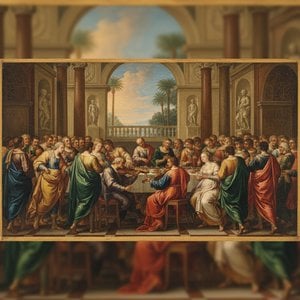
Veronese’s Pietà (1581), housed within Basilica dei Santi Giovanni e Paolo in Bologna, exemplifies this masterful blend of influences. Painted during the High Renaissance's waning years and transitioning into the Baroque era, it represents a pivotal moment in Venetian art history. Unlike the serene piety characteristic of earlier devotional paintings, Veronese’s Pietà bursts forth with vibrant color—a deliberate departure from prevailing artistic conventions—demonstrating his embrace of Baroque theatricality. The artist employed oil paint on canvas, utilizing layering techniques and meticulous glazing to achieve an astonishing level of realism and luminosity. Notice the masterful manipulation of light; it cascades across Mary's drapery, illuminating Jesus’s lifeless body with a poignant glow – a technique perfected by Veronese and his followers that would become synonymous with Baroque painting. The artist’s attention to detail extends beyond mere visual representation; he meticulously rendered textures—the folds of Mary’s robe, the smoothness of Jesus’s skin—creating an immersive experience for the viewer.Historical Context: Venetian Patronage and Artistic Innovation
The Pietà emerged from a period marked by significant artistic patronage within Venice – a city that actively fostered innovation and celebrated artistic achievement. Commissioned by Cardinal Giovanni Battista Castelli, Veronese's undertaking was ambitious in scope—a monumental altarpiece intended to dominate the basilica’s interior space and inspire devotion amongst its worshippers. This commission underscored Venice’s position as Europe’s foremost cultural center and fueled a competitive spirit among artists striving for recognition. Furthermore, Veronese’s work reflects broader intellectual currents of the time – particularly humanist ideals emphasizing human dignity and emotion alongside religious contemplation. He skillfully incorporated classical motifs—such as pyramidal composition—into his narrative scenes, demonstrating an awareness of artistic precedents while simultaneously forging a new visual language.Symbolism: Grief, Compassion, and Divine Grace
The Pietà transcends mere depiction; it embodies profound symbolic meaning rooted in Christian theology. Mary’s sorrowful posture conveys universal grief – the anguish experienced by mothers upon losing their children—yet her serene countenance speaks to an inner fortitude underpinned by faith and divine grace. Jesus’s lifeless body symbolizes humanity's vulnerability before death, while Mary’s embrace represents compassion and maternal love—a testament to God’s mercy and redemption. The positioning of Mary and Jesus within the pyramidal composition reinforces the centrality of Christ’s sacrifice as the cornerstone of Christian belief. Veronese’s masterful use of color – predominantly blues and reds – further amplifies these symbolic resonances, conveying feelings of solemnity and spiritual intensity.Emotional Impact: A Moment Frozen in Time
Ultimately, Veronese's Pietà achieves its enduring power through its ability to evoke profound emotional responses from the viewer. The luminous colors, combined with meticulous detail and dramatic lighting, transport us back to the moment of Jesus’s deposition—capturing the palpable grief of Mary and conveying a sense of sublime beauty amidst sorrow. It is a painting that compels contemplation – prompting viewers to grapple with questions of faith, mortality, and compassion. More than simply representing an iconic biblical scene, Veronese's Pietà serves as a timeless meditation on human suffering and divine grace—a masterpiece that continues to inspire awe and reverence centuries after its creation.أعمال فنية مشابهة


نبذة عن الفنان
رؤية فينيسية: حياة وفن باولو فيرونيزي
ولد باولو كالياري، المعروف للعالم باسم باولو فيرونيزي، من قلب المشهد الفني النابض بالحياة في فينيسيا في القرن السادس عشر، ليبرز كأستاذ للألوان والتكوين والبهجة البصرية. وُلد في فيرونا عام 1528، ابنًا لناحت الصخور، وكانت حياته المبكرة مغمورة بثراء محيطه – العمارة الكلاسيكية والأشكال المنحوتة والأفكار الإنسانية المتصاعدة التي ميزت المنطقة. وضع تدريبه الأولي تحت أنطونيو باديل وجيوفاني فرانسيسكو كاروتو أساسًا للتقنيات التقليدية، لكن انتقاله إلى فينيسيا في الخمسينيات من القرن السادس عشر أشعل عبقريته الفنية حقًا. أصبحت المدينة نفسها ملهمته، وأثرت أسواقها الصاخبة وقصورها الفخمة وممرات المياه المتلألئة على نطاق ودراما أعماله. سرعان ما استوعب تأثيرات الأساتذة الفينيسيين الراسخين مثل تيتيان، الذي أثر إتقانه للألوان بعمق على لوحة فيرونيزي، ومع ذلك فقد صاغ أسلوبًا متميزًا يتميز بإحساس فريد بالمسرحية والروعة.رسام الولائم والسرديات العظيمة
تستند سمعة فيرونيزي إلى لوحاته الضخمة، وخاصة تلك التي تصور الولائم الفاخرة والمشاهد الكتابية المحولة إلى عروض مبهرة للحياة الفينيسية. عرس قانا، الذي اكتمل عام 1563 لدير القديس جورجيو ماجيوري البندكتيني، هو شهادة على مهارته. هذه اللوحة العملاقة ليست مجرد توضيح للمعجزة؛ إنها بانوراما نابضة بالحياة لمجتمع القرن السادس عشر، تعج بالشخصيات الأنيقة والموسيقيين والتفاصيل المعمارية المرسومة بدقة مذهلة. لا يتعلق الرسم بما حدث في قانا بل *كيف* كان سيبدو لو أنه وقع في فينيسيا خلال وقت فيرونيزي. وبالمثل، أثار وليمة بيت ليفي، الذي عُرف في الأصل باسم العشاء الأخير، جدلاً مع محكمة التفتيش بسبب تضمين شخصيات معاصرة وجو يبدو غير محترم. دافع فيرونيزي عن ترخيصه الفني، مؤكدًا أن الرسامين يحق لهم نفس الحرية الإبداعية التي يتمتع بها الشعراء والمهرجين – بيان جريء يعكس اعتقاده بقوة الفن في تفسير وإعادة تصور السرديات المقدسة. لم تكن هذه الأعمال مجرد تصوير ديني؛ كانت احتفالات بالحياة والثروة وروعة فينيسيا نفسها. لم يكن مهتمًا بالروحانية الصارمة بل بالتقاط فرحة الوفرة في الوجود.التأثيرات والتطور الفني
في حين أن تأثير تيتيان على ألوان فيرونيزي لا يمكن إنكاره، إلا أن تطوره الفني كان مزيجًا معقدًا من التأثيرات المختلفة. الدقة المعمارية التي جلبها إلى تكوينه تدين بالكثير للتقاليد الكلاسيكية السائدة في فيرونا خلال سنواته التكوينية، وخاصة أعمال المهندسين المعماريين مثل ميكيل سانميكيلي. كما استوعب عناصر من أساتذة إيطاليا الوسطى مثل رافائيل وبارميجيانينو، وهو ما يظهر في الخطوط الرشيقة والترتيبات المتناغمة داخل لوحاته. ومع ذلك، لم يقتصر فيرونيزي على تقليد هذه التأثيرات؛ فقد جمعها في أسلوب فينيسي فريد من نوعه يتميز باستخدامه الدرامي للضوء ولوحات الألوان النابضة بالحياة واهتمامه الدقيق بالتفاصيل. برع في خلق وهم بالمسافة والعمق، مستخدمًا تقنيات المنظور لسحب المشاهدين إلى قلب مشاهدة المعقدة. إتقانه لطلاء الزيت سمح له بتحقيق إضاءة وثراء نسيجي لا مثيل له. كما أدار ورشة عمل كبيرة، مع مساهمات من أخيه بنديتو وأبنائه غابرييل وكارلو، مما يضمن استمرار أسلوبه في الازدهار حتى بعد وفاته عام 1588.الإرث والأهمية التاريخية
يمتد تأثير باولو فيرونيزي إلى ما هو أبعد من عالم فن عصر النهضة. لقد تردد صدى عمله عبر القرون، وألهم الفنانين في مختلف التخصصات. وقد تم الاستشهاد بتكوينه الدرامي ولوحات الألوان النابضة بالحياة كمؤثرات على كل شيء بدءًا من الرسم الباروكي وحتى السينما الحديثة – حتى أن لها صدى في الجماليات المرئية لأفلام السباغيتي الغربية. كان جزءًا من "الثلاثي العظيم" من الرسامين الفينيسيين - جنبًا إلى جنب مع تيتيان وتينتوريتو - ساهم كل منهم بشكل فريد في الإرث الفني للمدينة، ومع ذلك غالبًا ما يبرز فيرونيزي بسبب بهجته المطلقة والاحتفال بالملذات الأرضية. لا تزال لوحاته آسرة للجمهور بعظمتها وروعتها، وتقدم لمحة عن العالم الفخم لفينيسيا في القرن السادس عشر.- أعاد تعريف الرسم التاريخي من خلال إضفاء الحياة المعاصرة عليه.
- لا يزال استخدامه للألوان مؤثرًا للفنانين اليوم.
- يعكس عمله روح الإنسانية في عصر النهضة والاحتفال بالجمال الأرضي.

باولو فيرونيزي
1528 - 1588
لمحة سريعة
- أعمال بارزة:
- عشاء عشاء القانا
- وليمة في بيت لوي
- الاسم الكامل: باولو فيرونيزي
- الجنسية: إيطالي
- الحركة الفنية: النهضة، المانييرية
- تاريخ الميلاد: 1528
- تاريخ الوفاة: 1588
- فنانون مؤثرون: ['تيتيان']
- فنانون متأثرون:
- روبنز
- واتو
- مكان الميلاد: فيرونا، إيطاليا
مقالات ذات صلة

أعلى 10 روائع باروكية رسمت مسار الفن وجمالية الديكور | ArtsDot
اكتشف روائع عصر الباروك! استكشف 10 لوحات فنية خالدة مع كارافاجيو، رامبرانت وغيرهم. تاريخ الفن، أسلوب باروكي مذهل، و ديكور منزلي فاخر. تسوق إعادة إنتاج فني عالي الجودة على ArtsDot.com

The Dramatic Flourish: Exploring the Baroque Movement's Enduring Legacy in Art History
Explore the dramatic world of Baroque art! Discover iconic artists like Caravaggio & Rubens, defining techniques, and its lasting impact on art history. Expert insights for collectors & enthusiasts at ArtsDot.

دراما الباروك: إحياء الفخامة والعاطفة في الدواخل المعاصرة
اكتشف سحر الباروك! دليل شامل حول الحركة الفنية، عناصرها الجمالية، وكيفية دمج فخامتها وعاطفتها في الدواخل المعاصرة. نصائح من خبراء ArtsDot لإضفاء لمسة باروكية على منزلك.
Paolo Veronese: A Renaissance Master of Color, Composition, and Venetian Splendor
Explore the vibrant world of Paolo Veronese, a Renaissance master renowned for his opulent compositions, masterful use of color, and dramatic Venetian scenes. Discover key artworks & legacy.

أعمال جاكوبو تينتوريتو الخالدة: 25 تحفة فنية تزين منزلك بجمال عصر النهضة
اكتشف 25 تحفة فنية لجاكوبو تينتوريتو، رائد فن عصر النهضة الإيطالي. استمتع بقصص لوحاته الرائعة وألوانه الزيتية المعبرة. احصل على إعادة إنتاج عالية الجودة لديكور منزلك الفاخر على ArtsDot.com


