


 معاينة الحجم الحقيقي
 مشاركة
 مشاركة
 التفاصيل

 تحميل الملف
 قطع مشابهة
 الأشعة السينية
 عرض شرائح
لوكريسيا
 زيت على قماش
- لوحات جدارية
- Late Renaissance
 1580
1580- عصر النهضة
 109.0 x 91.0 cm
 Kunsthistorisches Museum
 عرض المزيد
نسخة زيتية مصنوعة يدوياً
لوحة زيتية مرسومة يدوياً على الكانفاس بالمقاس والإطار الذي تفضله، تُنفذ حسب الطلب على أيدي فنانينا. ( اشترِ نسخة مطبوعة اشترِ الصورة)




P118B $10

P118H $10

P118W $10

P438Z $10

P508JH $12

P508YH $12

P805H $10

P805Z $10

P919BZ $10

P919G $10

P919XJ $10

P959ZH $10

P968JZ $12

W106C $8

W218G $10

W218JH $8

W218Y $10

W307PJ $10

W316G $10

W316PJ $8

W316Y $10

W398PJ $8

W4111J $10

W500HY $15

W500JH $15

W692G $12

W849H $8

W940BG $15

W953PJ $8




اختر من بين أحجامنا المُعدّة مسبقًا والتي تتطابق مع النسب الأصلية للعمل الفني.

يمكنك إدخال أبعادك الخاصة لتناسب إطارًا معينًا أو مساحة محددة. وإذا لم يتطابق الحجم الذي اخترته مع نسب الصورة الأصلية، فسنقوم إما بقص العمل الفني أو توسيع اللوحة بإضافة عناصر مرسومة يدويًا. سيتم إرسال نموذج رقمي إليك للموافقة عليه قبل بدء الإنتاج.
يرجى ملاحظة أن المعاينة على الشاشة لا تعكس عملية القص أو التوسيع الفعلية؛ حيث إن النموذج الرقمي وحده هو الذي سيوضح التكوين النهائي بدقة.
وعلى الرغم من توفر أحجام مخصصة، إلا أننا نوصي باختيار أبعاد من القائمة المحددة مسبقًا للحفاظ على النسب الأصلية للعمل الفني.
بعد إتمام الطلب، سيرسل فريق ArtsDot.com بريداً إلكترونياً للعميل لطلب التعليمات وتزويده بمعاينة تجريبية (mockup).
توصيل عالمي إلى خلال 3 إلى 4 أسابيع بدلاً من المدة المعتادة البالغة 5 أسابيع. (2 سبتمبر). جودة لا تهاون فيها.

شحن سريع ومجاني لجميع أنحاء العالم

قماش كتان عالي الجودة

تأمين شحن شامل

ضمان استرداد الرسوم الجمركية

ضمان مطابقة الألوان الحقيقية

سياسة الإرجاع خلال 60 يومًا (في حالات العيوب فقط)

ضمان استرداد نقدي بنسبة 100%

خصم عند طلب عدة قطع
 خيار الزجاج متاح فقط للمقاسات التي تقل عن 110 سم

لوكريسيا
خامة إعادة الإنتاج
مقاس النسخة المطبوعة
-


السعر الإجمالي النهائي
$ 263
Lucretia: A Venetian Vision of Virtue
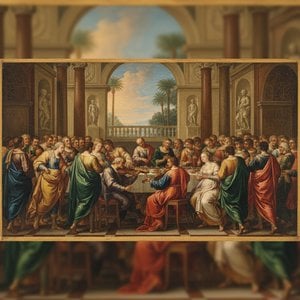
Paolo Veronese’s *Lucretia*, completed in 1580, stands as an emblem of the Venetian Renaissance—a testament to artistic ambition and a masterful exploration of humanist ideals. More than just a depiction of Roman legend, it embodies a profound meditation on morality, beauty, and the tragic consequences of transgression.
- Subject Matter: The painting portrays Lucretia, wife of Lucius Tarquinius Collatinus, following her coerced rape by Sextus Tarquinius Rufus—a pivotal event that ignited the Roman revolt against tyrannical rule. Livy’s chronicle recounts this tale as a cautionary fable about virtue and honor.
- Style: Veronese's style aligns squarely with Mannerism, characterized by elongated figures, stylized poses, and dramatic contrasts of light and shadow—a deliberate departure from the idealized realism prevalent in earlier Renaissance art. This stylistic choice underscores the painting’s preoccupation with psychological depth and emotional intensity.
- Technique: Veronese employed a revolutionary technique known as glazing—applying thin layers of translucent pigment over underlying colors to achieve luminous effects and unparalleled tonal richness. His meticulous brushwork, combined with masterful use of chiaroscuro, creates an illusionistic space that draws the viewer into the scene’s emotional core.
- Historical Context: Created during the waning years of the Renaissance, *Lucretia* reflects the anxieties surrounding moral decay and the resurgence of republican ideals. It aligns with a broader artistic trend toward portraying heroic figures confronting ethical dilemmas—a response to the perceived decline of humanist virtue.
- Symbolism: The opulent fabrics and jewelry adorning Lucretia’s attire symbolize her noble status and wealth, yet they serve as a counterpoint to the tragedy unfolding before her eyes. Her sorrowful gaze encapsulates the painting's central theme—the devastating loss of innocence and honor—a poignant reminder of the enduring power of moral storytelling.
The Venetian Renaissance: A Celebration of Color
Veronese’s artistic vision was deeply rooted in the vibrant cultural landscape of Venice during the cinquecento. Influenced by Titian, whose mastery of color profoundly impacted Veronese's palette—particularly his use of reds and golds—he embraced a bold chromatic approach that distinguished him from many of his contemporaries.
- Color Palette: The painting’s dominant hues—deep greens, shimmering gold accents, and contrasting dark backgrounds—create an immersive visual experience that captures the grandeur of Venetian aristocratic society. Veronese's color choices are not merely decorative; they serve to heighten emotional impact and convey symbolic meaning.
- Chiaroscuro: The dramatic interplay between light and shadow—a hallmark of Mannerist technique—amplifies the painting’s psychological depth, emphasizing Lucretia’s vulnerability and conveying the solemnity of her predicament. Veronese skillfully manipulates tonal variations to sculpt form and guide the viewer's gaze.
- Composition: The central figure dominates the frame, positioned at the apex of a pyramidal composition—a device commonly employed by Renaissance artists to convey stability and grandeur. This compositional arrangement reinforces Lucretia’s moral authority and underscores the painting’s narrative focus.
A Masterclass in Detail
Veronese's meticulous brushwork exemplifies the highest standards of artistic craftsmanship—a testament to his dedication to achieving unparalleled realism and expressive nuance. Each stroke contributes to the overall illusionistic effect, capturing subtle textures and contours with remarkable precision.
- Brushwork: Veronese’s technique involved applying thin layers of pigment—glazing—to build up tonal depth and luminosity—a method perfected by Titian and employed throughout his oeuvre. This painstaking process ensured a velvety surface finish that enhanced the painting's visual richness.
- Texture: The artist skillfully rendered fabric textures—drapery folds, shimmering silks—creating an illusion of tactile realism that engages the viewer’s senses. Veronese’s meticulous attention to detail elevates *Lucretia* beyond mere representation—transforming it into a profound meditation on beauty and morality.
- Perspective: The shallow perspective—characteristic of Venetian painting—focuses on the immediate space surrounding Lucretia, creating an intimate atmosphere that draws the viewer into the scene’s emotional core. Veronese skillfully employs linear perspective to convey depth without sacrificing clarity or grandeur.
Legacy and Influence
*Lucretia* continues to inspire artists and scholars alike—a timeless masterpiece that embodies the enduring power of humanist storytelling and the pursuit of artistic excellence. Its luminous palette, dramatic composition, and masterful technique stand as benchmarks for Venetian painting—a testament to Veronese’s unparalleled genius.
أعمال فنية ذات صلة


السيرة الذاتية للفنان
رؤية فينيسية: حياة وفن باولو فيرونيزي
ولد باولو كالياري، المعروف للعالم باسم باولو فيرونيزي، من قلب المشهد الفني النابض بالحياة في فينيسيا في القرن السادس عشر، ليبرز كأستاذ للألوان والتكوين والبهجة البصرية. وُلد في فيرونا عام 1528، ابنًا لناحت الصخور، وكانت حياته المبكرة مغمورة بثراء محيطه – العمارة الكلاسيكية والأشكال المنحوتة والأفكار الإنسانية المتصاعدة التي ميزت المنطقة. وضع تدريبه الأولي تحت أنطونيو باديل وجيوفاني فرانسيسكو كاروتو أساسًا للتقنيات التقليدية، لكن انتقاله إلى فينيسيا في الخمسينيات من القرن السادس عشر أشعل عبقريته الفنية حقًا. أصبحت المدينة نفسها ملهمته، وأثرت أسواقها الصاخبة وقصورها الفخمة وممرات المياه المتلألئة على نطاق ودراما أعماله. سرعان ما استوعب تأثيرات الأساتذة الفينيسيين الراسخين مثل تيتيان، الذي أثر إتقانه للألوان بعمق على لوحة فيرونيزي، ومع ذلك فقد صاغ أسلوبًا متميزًا يتميز بإحساس فريد بالمسرحية والروعة.رسام الولائم والسرديات العظيمة
تستند سمعة فيرونيزي إلى لوحاته الضخمة، وخاصة تلك التي تصور الولائم الفاخرة والمشاهد الكتابية المحولة إلى عروض مبهرة للحياة الفينيسية. عرس قانا، الذي اكتمل عام 1563 لدير القديس جورجيو ماجيوري البندكتيني، هو شهادة على مهارته. هذه اللوحة العملاقة ليست مجرد توضيح للمعجزة؛ إنها بانوراما نابضة بالحياة لمجتمع القرن السادس عشر، تعج بالشخصيات الأنيقة والموسيقيين والتفاصيل المعمارية المرسومة بدقة مذهلة. لا يتعلق الرسم بما حدث في قانا بل *كيف* كان سيبدو لو أنه وقع في فينيسيا خلال وقت فيرونيزي. وبالمثل، أثار وليمة بيت ليفي، الذي عُرف في الأصل باسم العشاء الأخير، جدلاً مع محكمة التفتيش بسبب تضمين شخصيات معاصرة وجو يبدو غير محترم. دافع فيرونيزي عن ترخيصه الفني، مؤكدًا أن الرسامين يحق لهم نفس الحرية الإبداعية التي يتمتع بها الشعراء والمهرجين – بيان جريء يعكس اعتقاده بقوة الفن في تفسير وإعادة تصور السرديات المقدسة. لم تكن هذه الأعمال مجرد تصوير ديني؛ كانت احتفالات بالحياة والثروة وروعة فينيسيا نفسها. لم يكن مهتمًا بالروحانية الصارمة بل بالتقاط فرحة الوفرة في الوجود.التأثيرات والتطور الفني
في حين أن تأثير تيتيان على ألوان فيرونيزي لا يمكن إنكاره، إلا أن تطوره الفني كان مزيجًا معقدًا من التأثيرات المختلفة. الدقة المعمارية التي جلبها إلى تكوينه تدين بالكثير للتقاليد الكلاسيكية السائدة في فيرونا خلال سنواته التكوينية، وخاصة أعمال المهندسين المعماريين مثل ميكيل سانميكيلي. كما استوعب عناصر من أساتذة إيطاليا الوسطى مثل رافائيل وبارميجيانينو، وهو ما يظهر في الخطوط الرشيقة والترتيبات المتناغمة داخل لوحاته. ومع ذلك، لم يقتصر فيرونيزي على تقليد هذه التأثيرات؛ فقد جمعها في أسلوب فينيسي فريد من نوعه يتميز باستخدامه الدرامي للضوء ولوحات الألوان النابضة بالحياة واهتمامه الدقيق بالتفاصيل. برع في خلق وهم بالمسافة والعمق، مستخدمًا تقنيات المنظور لسحب المشاهدين إلى قلب مشاهدة المعقدة. إتقانه لطلاء الزيت سمح له بتحقيق إضاءة وثراء نسيجي لا مثيل له. كما أدار ورشة عمل كبيرة، مع مساهمات من أخيه بنديتو وأبنائه غابرييل وكارلو، مما يضمن استمرار أسلوبه في الازدهار حتى بعد وفاته عام 1588.الإرث والأهمية التاريخية
يمتد تأثير باولو فيرونيزي إلى ما هو أبعد من عالم فن عصر النهضة. لقد تردد صدى عمله عبر القرون، وألهم الفنانين في مختلف التخصصات. وقد تم الاستشهاد بتكوينه الدرامي ولوحات الألوان النابضة بالحياة كمؤثرات على كل شيء بدءًا من الرسم الباروكي وحتى السينما الحديثة – حتى أن لها صدى في الجماليات المرئية لأفلام السباغيتي الغربية. كان جزءًا من "الثلاثي العظيم" من الرسامين الفينيسيين - جنبًا إلى جنب مع تيتيان وتينتوريتو - ساهم كل منهم بشكل فريد في الإرث الفني للمدينة، ومع ذلك غالبًا ما يبرز فيرونيزي بسبب بهجته المطلقة والاحتفال بالملذات الأرضية. لا تزال لوحاته آسرة للجمهور بعظمتها وروعتها، وتقدم لمحة عن العالم الفخم لفينيسيا في القرن السادس عشر.- أعاد تعريف الرسم التاريخي من خلال إضفاء الحياة المعاصرة عليه.
- لا يزال استخدامه للألوان مؤثرًا للفنانين اليوم.
- يعكس عمله روح الإنسانية في عصر النهضة والاحتفال بالجمال الأرضي.

باولو فيرونيزي
1528 - 1588
حقائق سريعة
- أعمال بارزة:
- عشاء عشاء القانا
- وليمة في بيت لوي
- الاسم الكامل: باولو فيرونيزي
- الجنسية: إيطالي
- الحركة الفنية: النهضة، المانييرية
- تاريخ الميلاد: 1528
- تاريخ الوفاة: 1588
- فنانون مؤثرون: ['تيتيان']
- فنانون متأثرون:
- روبنز
- واتو
- مكان الميلاد: فيرونا، إيطاليا
مقالات ذات صلة
Paolo Veronese: A Renaissance Master of Color, Composition, and Venetian Splendor
Explore the vibrant world of Paolo Veronese, a Renaissance master renowned for his opulent compositions, masterful use of color, and dramatic Venetian scenes. Discover key artworks & legacy.

The Enduring Legacy of Oil on Canvas: Technique, History & Aesthetic Impact
Explore the rich history & techniques of oil painting – from Renaissance masters to Impressionism. Discover pigments, layering methods, and why this timeless medium endures. Expert insights for artists & art enthusiasts.

The Enduring Power of Painting: A Historical & Contemporary Exploration of Form and Emotion
Explore the rich history & enduring techniques of oil painting with ArtsDot. Discover masterpieces, learn about art collecting, and find authentic handmade reproductions crafted by skilled artists.

The Golden Light of Innovation: Exploring the Venetian Renaissance Art Movement (1430–1580)
Explore the Golden Age of Venetian art (1430–1580). Discover Giorgione, Titian & Tintoretto's techniques, the 'colorito' revolution, and lasting influence. Expert insights for collectors & enthusiasts.

Oil on Canvas: A Historical & Technical Exploration of a Timeless Artistic Medium
Explore the rich history & enduring techniques of oil painting on canvas. Discover the science behind its longevity, conservation practices, and contemporary relevance. Expert insights for art enthusiasts.



