


 معاينة الحجم الحقيقي
 مشاركة
 مشاركة
 التفاصيل

 تحميل الملف
 قطع مشابهة
 الأشعة السينية
 عرض شرائح
Little Boy
 Oil On Canvas
- WallArt
- Contemporary Art
 1994
1994- Contemporary
 30.0 x 35.0 cm
 University of Pretoria Museums
 عرض المزيد
طباعة جيلي / مطبوعات فنية
طباعة جيكلي أو كانفاس بجودة المتاحف، مع سرعة في التنفيذ وخيارات متنوعة للتشطيب. ( اشترِ لوحة مرسومة يدويًا اشترِ الصورة)




P118B $10

P118H $10

P118W $10

P438Z $10

P508JH $12

P508YH $12

P805H $10

P805Z $10

P919BZ $10

P919G $10

P919XJ $10

P959ZH $10

P968JZ $12

W106C $8

W218G $10

W218JH $8

W218Y $10

W307PJ $10

W316G $10

W316PJ $8

W316Y $10

W398PJ $8

W4111J $10

W500HY $15

W500JH $15

W692G $12

W849H $8

W940BG $15

W953PJ $8




اختر من بين أحجامنا المُعدّة مسبقًا والتي تتطابق مع النسب الأصلية للعمل الفني.

يمكنك إدخال أبعادك الخاصة لتناسب إطاراً أو مساحة معينة. وإذا لم يتطابق الحجم الذي اخترته مع نسب الصورة الأصلية، فسنقوم إما بقص العمل الفني أو تمديد الصورة باستخدام حافة معكوسة أو بلون مصمت. سيتم إرسال نموذج تجريبي رقمي لاعتمادك قبل بدء الإنتاج.
يرجى ملاحظة أن المعاينة على الشاشة لا تعكس عملية القص أو التمديد الفعلية؛ حيث سيوضح النموذج التجريبي فقط التكوين النهائي بدقة.
وعلى الرغم من توفر أحجام مخصصة، إلا أننا نوصي باختيار أبعاد من القائمة المحددة مسبقاً للحفاظ على النسب الأصلية.
توصيل عالمي إلى خلال أسبوعين بدلاً من المدة القياسية البالغة 4/5 أسابيع. 5 سبتمبر

شحن سريع ومجاني لجميع أنحاء العالم

قماش كتان عالي الجودة

تأمين شحن شامل

ضمان استرداد الرسوم الجمركية

ضمان مطابقة الألوان الحقيقية

سياسة الإرجاع خلال 60 يومًا (في حالات العيوب فقط)

ضمان استرداد نقدي بنسبة 100%

خصم عند طلب عدة قطع
 خيار الزجاج متاح فقط للمقاسات التي تقل عن 110 سم

Little Boy
طباعة جيلي / مطبوعات فنية
مقاس النسخة المطبوعة
-


السعر الإجمالي النهائي
$ 62
أعمال فنية ذات صلة


السيرة الذاتية للفنان
Robert Rauschenberg: A Life in Flux and Fusion
Born Milton Ernest Rauschenberg in Port Arthur, Texas, on October 22, 1925, Robert Rauschenberg’s artistic journey was one of constant experimentation and a deliberate blurring of boundaries. His early life, shaped by a fundamentalist Christian upbringing and the influence of his artist mother, provided a grounding that would later inform his unconventional approach to art-making. Rauschenberg's initial studies at the University of Texas at Austin were interrupted by World War II service as an aviation mechanic, an experience that instilled in him a deep appreciation for the materiality of objects and the realities of everyday life – themes he would repeatedly explore throughout his career.
Early influences included the work of Marcel Duchamp, whose “readymades” challenged traditional notions of art and authorship. Rauschenberg’s own breakthrough came with the emergence of Assemblage in the late 1950s. These early works—often incorporating found objects, photographs, and text—represented a radical departure from established painting practices. He wasn't simply creating paintings; he was constructing narratives, layering meaning through juxtaposition and inviting viewers to actively engage with the artwork’s complex relationships.
The Rise of the Combine
Rauschenberg is most famously associated with his “Combines,” a series of works beginning in 1954 that fundamentally redefined the possibilities of painting. These pieces, such as *Monogram* (1955), are not easily categorized—they’re simultaneously paintings and sculptures, blurring the lines between two-dimensional and three-dimensional art forms. Rauschenberg would often paint on a canvas mounted on a wooden box filled with everyday objects – tires, furniture fragments, newspapers, even stuffed animals – creating a dynamic interplay of image and object.
The Combines were deeply influenced by Rauschenberg’s desire to capture the fleeting moments of experience. He frequently incorporated photographs taken during his travels, often using them as direct elements within the composition, alongside found objects that held personal significance. This approach reflected a broader interest in documenting and interpreting the world around him, moving beyond purely formal concerns.
Printmaking and Autobiographical Exploration
While the Combines brought Rauschenberg to international prominence, his work extended far beyond sculpture. He became a prolific printmaker, experimenting with diverse techniques including lithography, screen printing, and woodcut. His monumental print *Autobiography* (1968), commissioned by Marion Javits, wife of Senator Jacob Javits, stands as a particularly significant achievement. Printed on three sheets of paper using a billboard press—a technique rarely employed for fine art prints—it’s a sprawling, multi-layered work that synthesizes his personal history, artistic influences, and observations of the world.
*Autobiography* is not merely a biographical record; it's a complex meditation on memory, identity, and the act of creation. The print incorporates indexical images—direct traces of Rauschenberg’s life, such as photographs of his family, X-rays, and even an umbrella he frequently used – alongside references to places and objects that held personal meaning. The sheer scale of the work—over sixteen feet tall—underscores its ambition and its desire to capture a complete and multifaceted self-portrait.
Legacy and Influence
Robert Rauschenberg’s impact on 20th-century art is undeniable. He challenged conventional artistic categories, embraced chance and improvisation, and demonstrated the potential of everyday objects as sources of creative inspiration. His work paved the way for subsequent generations of artists who explored hybrid forms, questioned traditional hierarchies, and sought to integrate art into the broader fabric of daily life.
Rauschenberg’s influence can be seen in the work of numerous contemporary artists working across a range of media. He received many accolades throughout his career, including the International Grand Prize in Painting at the Venice Biennale (1964) and the National Medal of Arts (1993). He died on May 12, 2008, leaving behind a vast and remarkably diverse body of work that continues to fascinate and inspire.
Key Works
- Monogram (1955): A seminal Combine incorporating a painted canvas and a tire.
- Lost Signal (1963): A large-scale painting featuring a photograph of a woman, overlaid with paint and collage elements.
- Automobile (1964): A complex Combine that incorporates an actual automobile as part of the artwork.
- Autobiography (1968): A monumental print documenting Rauschenberg’s life and artistic journey.
Rauschenberg's work is held in numerous prestigious collections worldwide, including the Museum of Modern Art in New York, the Tate Britain in London, and the San Francisco Museum of Modern Art.

minnette vári
1968 - , South Africa
حقائق سريعة
- Artistic Movement Or Style:
- Assemblage
- Pop Art
- Neo-Dada
- Artists Or Movements Influenced By This Artist:
- Andy Warhol
- Conceptual Art
- Artists Who Influenced This Artist:
- Picasso
- Pollock
- Jasper Johns
- Date Of Birth: October 22, 1925
- Date Of Death: May 12, 2008
- Full Name: Robert Rauschenberg
- Nationality: American
- Notable Artworks:
- Monogram
- Canyon
- Autobiography
- Place Of Birth: Port Arthur, Texas
مقالات ذات صلة

White on Canvas: 10 Masterpieces & Timeless Elegance for Your Home Decor
Explore 10 iconic white paintings by Monet, Whistler & Rothko! Discover the stories behind these serene masterpieces and their impact on art history. Find museum-quality reproductions for your home decor at .

Crimson Threads of Narrative: Exploring Symbolism & Representation in Artworks Featuring the Red Dress
Explore the rich symbolism of the red dress in art history! From ancient power displays to iconic portraits like Cézanne’s 'Madame Cezanne', discover the cultural and artistic significance behind this captivating color. Expert analysis & insights.

The Enduring Legacy of Oil on Canvas: Technique, History & Aesthetic Impact
Explore the rich history & techniques of oil painting – from Renaissance masters to Impressionism. Discover pigments, layering methods, and why this timeless medium endures. Expert insights for artists & art enthusiasts.

Oil on Canvas: A Historical & Technical Exploration of a Timeless Artistic Medium
Explore the rich history & enduring techniques of oil painting on canvas. Discover the science behind its longevity, conservation practices, and contemporary relevance. Expert insights for art enthusiasts.
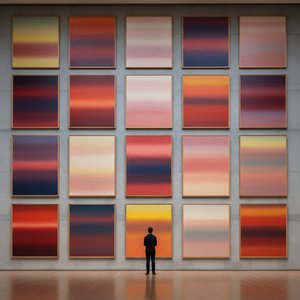
أعمال مارك روثكو الخالدة: 25 تحفة فنية تعبّر عن الروح والجمال
اكتشف 25 تحفة فنية لمارك روثكو، رائد التعبيرية المجردة. استكشف قصص لوحاته الزيتية الملونة وتأثيرها العميق على عالم الفن والديكور. احصل على نسخ عالية الجودة من أعمال روثكو الأصلية و أضف لمسة فنية راقية لمنزلك مع ArtsDot.com.

