


 معاينة الحجم الحقيقي
 مشاركة
 مشاركة
 التفاصيل

 تحميل الملف
 قطع مشابهة
 الأشعة السينية
 عرض شرائح
 الإحصائيات
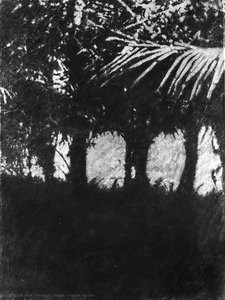
Purple Hearts
 1986
1986 76.0 x 57.0 cm
 عرض المزيد
طباعة جيلي / مطبوعات فنية
طباعة جيكلي أو كانفاس بجودة المتاحف، مع سرعة في التنفيذ وخيارات متنوعة للتشطيب. ( اشترِ لوحة مرسومة يدويًا الانتقال إلى الصورة الرقمية)




































اختر من بين أحجامنا المُعدّة مسبقًا والتي تتطابق مع النسب الأصلية للعمل الفني.

يمكنك إدخال أبعادك الخاصة لتناسب إطاراً أو مساحة معينة. وإذا لم يتطابق الحجم الذي اخترته مع نسب الصورة الأصلية، فسنقوم إما بقص العمل الفني أو تمديد الصورة باستخدام حافة معكوسة أو بلون مصمت. سيتم إرسال نموذج تجريبي رقمي لاعتمادك قبل بدء الإنتاج.
يرجى ملاحظة أن المعاينة على الشاشة لا تعكس عملية القص أو التمديد الفعلية؛ حيث سيوضح النموذج التجريبي فقط التكوين النهائي بدقة.
وعلى الرغم من توفر أحجام مخصصة، إلا أننا نوصي باختيار أبعاد من القائمة المحددة مسبقاً للحفاظ على النسب الأصلية.
توصيل عالمي إلى خلال أسبوعين بدلاً من المدة القياسية البالغة 4/5 أسابيع. 18 سبتمبر

شحن سريع ومجاني لجميع أنحاء العالم

قماش كتان عالي الجودة

تأمين شحن شامل

ضمان استرداد الرسوم الجمركية

ضمان مطابقة الألوان الحقيقية

سياسة الإرجاع خلال 100 يوم (في حالات العيوب فقط)

ضمان استرداد نقدي بنسبة 100%

خصم عند طلب عدة قطع
 خيار الزجاج متاح فقط للمقاسات التي تقل عن 110 سم

Purple Hearts
طباعة جيلي / مطبوعات فنية
مقاس النسخة المطبوعة
-


السعر الإجمالي النهائي
$ 62
أعمال فنية ذات صلة


السيرة الذاتية للفنان
Early Life and Formation in Buffalo
Michael Zwack, born in Buffalo, New York, in 1949, emerged as a significant voice within the Pictures Generation of artists. His artistic journey began with a foundation in sculpture at Buffalo State College, where he received his BA in 1970. However, it was his collaborative spirit and intellectual curiosity that truly defined this early period. Before relocating to New York City’s burgeoning art scene in 1976, Zwack co-founded Hallwalls Contemporary Arts Center alongside fellow artists Robert Longo, Cindy Sherman, Charles Clough, and Nancy Dwyer. This wasn't merely the establishment of a gallery; it was the creation of a vital space for experimental art—a non-profit organization that continues to thrive today, fostering dialogue and innovation within the artistic community.
The Pictures Generation and Appropriation
Moving to New York City placed Zwack at the epicenter of a transformative moment in contemporary art. He became closely associated with The Pictures Generation, a group of artists who challenged traditional notions of originality by embracing appropriation—borrowing imagery from mass media, advertising, and popular culture. This approach wasn’t about simple replication; it was a critical engagement with the pervasive influence of images on society, questioning their authenticity and power. Zwack's work distinguished itself through its unique layering of text and image, often incorporating ancient symbols and references to diverse cultures—from Mayan traditions to English literary sources. He didn’t simply *use* imagery; he wove it into complex narratives that invited contemplation and reinterpretation.
Developing a Distinct Visual Language
Zwack's paintings evolved into richly textured surfaces where fragments of history, mythology, and the natural world converged. He sought to “seduce people into worlds that they may not ordinarily take themselves—into a world of morality, a world of humanity,” creating spaces imbued with potential meanings and a palpable sense of life. His canvases weren’t depictions *of* reality but rather invitations to explore alternate realities, where everything resonated with symbolic weight. This pursuit led him to delve into Haitian Vodou music and traditions in the 1990s, eventually achieving the highest level of initiation as a *houngan asogwe*, a Vodou priest. This immersion profoundly influenced his artistic practice, adding another layer of spiritual depth and cultural resonance to his work.
Exhibitions and Recognition
Throughout his career, Zwack’s art was showcased in prominent galleries including Metro Pictures and Paul Kasmin Gallery in New York, as well as Thaddaeus Ropac in Salzburg, Austria. These exhibitions provided a platform for his distinctive vision to reach a wider audience. A major milestone came with his inclusion in the landmark 2009 exhibition *The Pictures Generation* at the Metropolitan Museum of Art, curated by Douglas Eklund. This retrospective solidified his position as a key figure within this influential artistic movement. Rosetta Brooks, writing about Zwack’s 1996 exhibition at Thomas Soloman's Garage in Artforum, highlighted his ability to “reconsider the impact of the photographic on our way of seeing,” praising his work for its contemplative quality and evocative depth.
Legacy and Historical Significance
Michael Zwack’s untimely death in New York City on May 5, 2017, at the age of 67, due to lung cancer marked a loss for the art world. However, his artistic legacy continues to inspire. He was not simply an artist who appropriated images; he was a storyteller, a cultural explorer, and a spiritual seeker whose work challenged viewers to question their perceptions of reality and engage with the complex layers of history and symbolism that shape our understanding of the world. His contributions to The Pictures Generation remain vital, demonstrating the power of art to critique, provoke, and ultimately, transform our way of seeing.
michael zwack
1949 - 2017 , United States of America
حقائق سريعة
- Artistic Movement Or Style: Pictures Generation
- Artists Who Influenced This Artist:
- Robert Longo
- Cindy Sherman
- Date Of Birth: 1949
- Date Of Death: May 5, 2017
- Full Name: Michael Zwack
- Nationality: American
- Notable Artworks: ['Purple Hearts']
- Place Of Birth: Buffalo, USA