
- الرئيسية

- طباعة على كانفاس
- mel kendrick
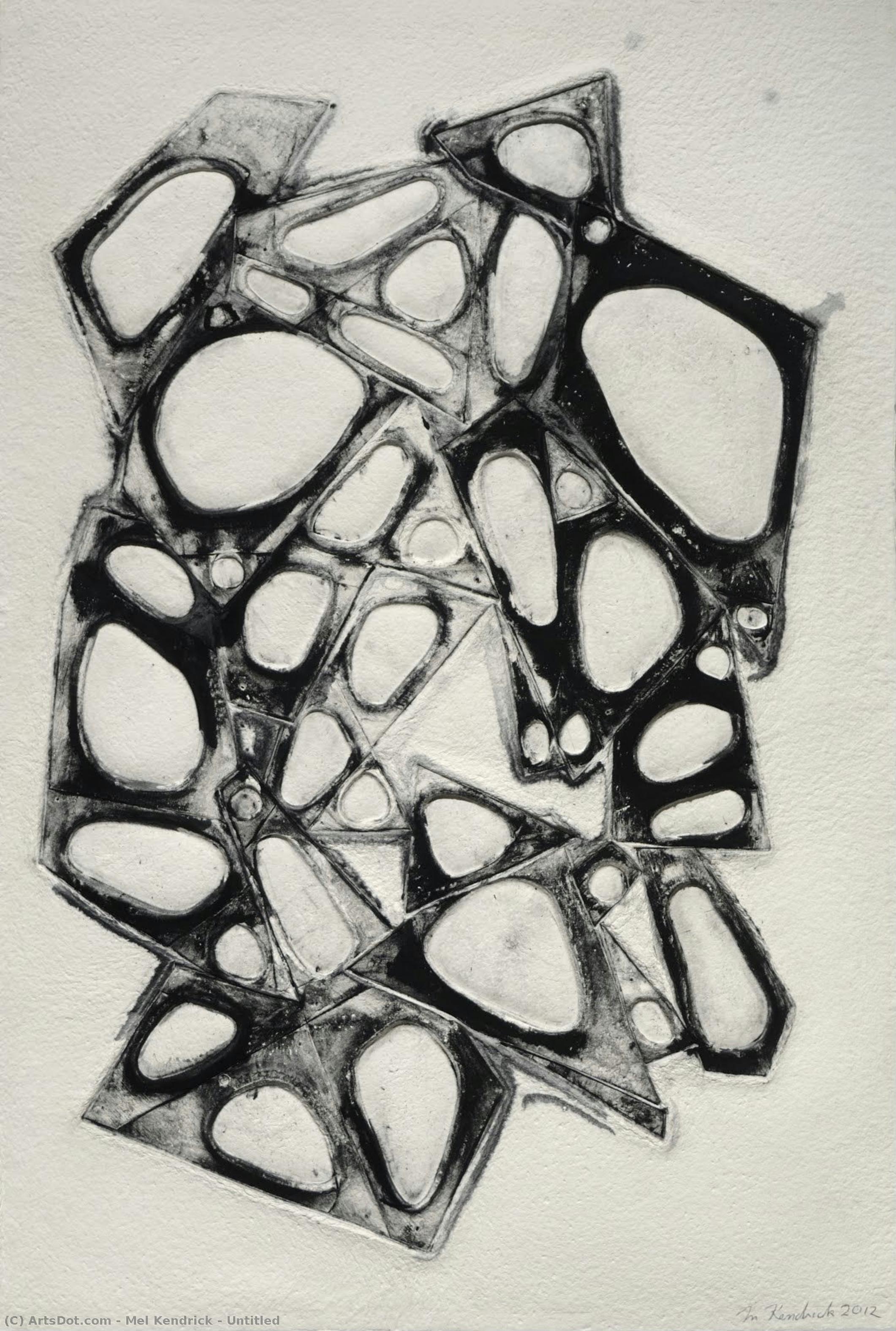
- Untitled
 اطلب نسخة مرسومة يدوياً شراء الصورة بدقة عالية
 مشاركة
 مشاركة
 التفاصيل
 أضف إلى المفضلة

 تحميل الملف
 قطع مشابهة
 الأشعة السينية
 عرض شرائح
Untitled


 عرض المزيد
طباعة جيلي / مطبوعات فنية
طباعة جيكلي أو كانفاس بجودة المتاحف، مع سرعة في التنفيذ وخيارات متنوعة للتشطيب.




































اختر من بين أحجامنا المُعدّة مسبقًا والتي تتطابق مع النسب الأصلية للعمل الفني.

يمكنك إدخال أبعادك الخاصة لتناسب إطاراً أو مساحة معينة. وإذا لم يتطابق الحجم الذي اخترته مع نسب الصورة الأصلية، فسنقوم إما بقص العمل الفني أو تمديد الصورة باستخدام حافة معكوسة أو بلون مصمت. سيتم إرسال نموذج تجريبي رقمي لاعتمادك قبل بدء الإنتاج.
يرجى ملاحظة أن المعاينة على الشاشة لا تعكس عملية القص أو التمديد الفعلية؛ حيث سيوضح النموذج التجريبي فقط التكوين النهائي بدقة.
وعلى الرغم من توفر أحجام مخصصة، إلا أننا نوصي باختيار أبعاد من القائمة المحددة مسبقاً للحفاظ على النسب الأصلية.
توصيل عالمي إلى خلال أسبوعين بدلاً من المدة القياسية البالغة 4/5 أسابيع. 23 يوليو

شحن سريع ومجاني لجميع أنحاء العالم

قماش كتان عالي الجودة

تأمين شحن شامل

ضمان استرداد الرسوم الجمركية

ضمان مطابقة الألوان الحقيقية

سياسة الإرجاع خلال 60 يومًا (في حالات العيوب فقط)

ضمان استرداد نقدي بنسبة 100%

خصم عند طلب عدة قطع
 خيار الزجاج متاح فقط للمقاسات التي تقل عن 110 سم

Untitled
طباعة جيلي / مطبوعات فنية
مقاس النسخة المطبوعة
-


السعر الإجمالي النهائي
-
وصف القطعة الفنية
السيرة الذاتية للفنان
Mel Kendrick: Sculpting Space and Material
Mel Kendrick (born July 28, 1949) stands as a pivotal figure in contemporary sculpture, recognized for his distinctive approach to form—a masterful blend of geometric precision and tactile materiality. His work transcends mere visual aesthetics; it delves into fundamental questions about process, space, and the inherent poetry within seemingly simple shapes derived from meticulously sliced and reconstituted wooden blocks. This singular technique has cemented Kendrick’s reputation as an innovator who champions both intellectual rigor and sensual engagement with artmaking.- Early Influences & Education: Kendrick's artistic journey began in Boston, Massachusetts, where he cultivated a passion for photography at Phillips Academy Andover alongside fellow artists destined for prominence. This formative experience instilled in him an appreciation for visual perception and spatial awareness—influences that would profoundly shape his sculptural explorations. He continued his studies at Trinity College Connecticut before relocating to New York City in 1971, immersing himself in the vibrant artistic milieu of Hunter College under mentors like Robert Morris and Tony Smith, furthering his understanding of minimalist principles.
- Minimalist Beginnings & Architectural Forms: Kendrick’s initial artistic endeavors aligned closely with the tenets of minimalism—characterized by reductive geometric forms and a deliberate rejection of ornamentation. His early sculptures prioritized architectural precision, mirroring the aesthetic sensibilities of influential predecessors such as Donald Judd, Sol LeWitt, Richard Serra, and Dorothea Rockburne. Notably, his debut solo exhibition at Artists Space in 1974 presented an ambitious challenge to viewers’ perceptions of space—a conceptual breakthrough that foreshadowed his enduring fascination with spatial relationships.
- A Shift Towards Expressive Materiality: Recognizing the limitations inherent in pure minimalism, Kendrick embarked on a transformative artistic evolution in 1982. Rejecting intellectual constraints, he embraced a more tactile and emotionally resonant style—one that prioritized direct engagement with materials like wood and bronze. This pivotal decision resulted in sculptures imbued with an unexpected dynamism, capturing subtle movements and textures that defied the sterile uniformity of earlier works. As critic Jerry Saltz eloquently described it, Kendrick’s subsequent creations “look offhand, but is in fact complex almost to the point of craziness, Piranesi-style,” reflecting a profound appreciation for the interplay between form and process.
- Exploring Spatial Poetry & Material Transformations: Kendrick's artistic practice consistently investigates the relationship between sculpture and drawing—a conceptual distinction he considers crucial to conveying “poetry in space.” He skillfully manipulates materials—ranging from wood, rubber, and cast concrete to paper—employing techniques that transform their original form into evocative representations of spatial dimensions. His retrospective "Seeing Things in Things," curated by Brice Marden, illuminated the core of his artistic vision—a deliberate deconstruction and reconstruction of geometric shapes, resulting in sculptures that invite contemplation and stimulate intellectual curiosity.
- Recognition & Legacy: Kendrick’s contributions to contemporary sculpture have garnered widespread acclaim and acknowledgment. He has received prestigious fellowships from the National Endowment for the Arts, an Academy Award from the American Academy of Arts & Letters, and was elected to the National Academy of Design—honors bestowed upon artists who exemplify exceptional artistic merit. His sculptures are housed in prominent museum collections worldwide—a testament to his enduring influence on the field and a lasting legacy as one of America’s foremost sculptors.

حقائق سريعة
- Artistic Movement Or Style: Minimalism, Abstract Sculpture
- Artists Or Movements Influenced By This Artist: ['Contemporary Sculpture']
- Artists Who Influenced This Artist:
- Donald Judd
- Sol LeWitt
- Richard Serra
- Dorothea Rockburne
- Date Of Birth: July 28, 1949
- Full Name: Mel Kendrick
- Nationality: American
- Notable Artworks:
- Untitled
- Seeing Things in Things
- Place Of Birth: Boston, Massachusetts

