


 معاينة الحجم الواقعي
 إرسال
إرسال مشاركة
 عرض التفاصيل
 دليل الأعمال الفنية للطلاب

 تحميل
تحميل
 قطع مشابهة
 الأشعة السينية
 عرض شرائح متتابع
 الإحصائيات
Crossing the River


 اقرأ المزيد
طباعة جيلي / مطبوعات فنية
طباعة جيكلي أو كانفاس بجودة المتاحف، مع سرعة في التنفيذ وخيارات متنوعة للتشطيب. ( اطلب نسخة مرسومة يدويًا التحويل إلى الصورة الرقمية)




































اختر من بين أحجامنا المُعدّة مسبقاً والتي تتوافق مع النسب الأصلية للعمل الفني.

يمكنك إدخال أبعاد خاصة لتناسب إطاراً أو مساحة معينة. وفي حال عدم تطابق الحجم المختار مع نسب الصورة الأصلية، سنقوم إما بقص العمل الفني أو تمديد الصورة باستخدام حافة معكوسة أو لون مصمت. وسيتم إرسال نموذج تجريبي رقمي لاعتمادك قبل بدء عملية الإنتاج.
يرجى ملاحظة أن المعاينة على الشاشة لا تعكس عملية القص أو التمديد الفعلية؛ حيث سيوضح النموذج التجريبي فقط التكوين النهائي بدقة.
وعلى الرغم من توفر أحجام مخصصة، إلا أننا نوصي باختيار أبعاد من القائمة المحددة مسبقاً للحفاظ على النسب الأصلية.
توصيل عالمي إلى خلال أسبوعين بدلاً من المدة القياسية البالغة 4/5 أسابيع. (26 سبتمبر)

شحن سريع ومجاني لجميع أنحاء العالم

قماش كتان فاخر

تأمين شامل على الشحن

ضمان استرداد الرسوم الجمركية

ضمان دقة مطابقة الألوان

سياسة الإرجاع خلال 100 يوم (في حالات العيوب فقط)

ضمان استرداد نقدي بنسبة 100%

عرض خصم الكميات
 خيار الزجاج متاح فقط للمقاسات التي تقل عن 110 سم

Crossing the River
طباعة جيلي / مطبوعات فنية
مقاس النسخة المطبوعة
-


إجمالي السعر
$ 62
أعمال فنية مشابهة


نبذة عن الفنان
The Renaissance of Indian Bronze
Meera Mukherjee emerged from the vibrant cultural landscape of Kolkata in 1923, not merely as a sculptor, but as a vital bridge between the ancient soul of India and the burgeoning modernism of the twentieth century. Her artistic journey was one of profound discovery, characterized by a desire to breathe new life into the ancestral rhythms of Bengali sculpting. By looking backward into the deep wells of tradition, she found the essential tools to move forward, creating a visual language that felt both timelessly rooted and strikingly contemporary.
Her artistic evolution was deeply shaped by her immersion within the tribal traditions of Chhattisgarh. It was here, amidst the Bastar sculpting community, that she mastered the intricate Dhokra method—a delicate lost-wax casting technique passed down through generations. Rather than simply replicating these ancient forms, Mukherjee possessed the rare brilliance to innovate upon them. She refined the bronze casting process, infusing the rugged, earthy textures of tribal art with a sophisticated modernist sensibility that allowed for greater fluidity and anatomical nuance.
A Humanist Lens on Tradition
The true heart of Mukherjee’s work lies in her unwavering commitment to humanism. Her sculptures do not merely depict figures; they capture the very essence of the common person, celebrating the dignity found in everyday life and folk traditions. Through her mastery of bronze, she transformed a heavy, industrial medium into something that feels remarkably alive, portraying scenes of communal strength and individual grace with an intimate, soulful touch.
Her monumental contributions to the Indian art scene were recognized with the prestigious Padma Shri in 1992, a testament to her role in elevating indigenous techniques to the global stage. Her legacy is defined by this unique duality: she was both a scholar of the past and a pioneer of the future. Through her work, the ancient echoes of the Dhokra tradition were transformed into a powerful, modern voice that continues to resonate within the history of Indian sculpture.

meera mukherjee
1923 - 1998 , India
لمحة سريعة
- Artistic Movement Or Style: Modern Bengali sculpture, Dhokra technique
- Artists Who Influenced This Artist: ['Bastar sculpting tradition']
- Date Of Birth: 1923
- Date Of Death: 1998
- Full Name: Meera Mukherjee
- Nationality: Indian
- Place Of Birth: Kolkata, India
مقالات ذات صلة

The Enduring Form: Sculpture Across History, Technique & Emotional Resonance
Explore the rich history of sculpture with ArtsDot. Discover key techniques, influential artists & investment potential for discerning collectors. Expert insights into valuing and collecting timeless masterpieces.

Bronze Sculptures That Defined Art History | ArtsDot
Journey through art history with our Top 10 bronze sculptures! Explore masterpieces by Rodin, Michelangelo & more. Discover stories behind iconic statues and find museum-quality reproductions for your home decor at ArtsDot.com.

Bronze Age to Modern Masters: 10 Sculptures That Redefined Art | ArtsDot
Journey through art history with 10 legendary bronze sculptures – from Michelangelo's David to Rodin’s Thinker. Explore the stories, techniques & timeless beauty of these masterpieces. Find museum-quality reproductions & elevate your home decor on ArtsDot.com.

The Enduring Form: Exploring Themes & Techniques in Sculpture Across Historical Periods
Explore the rich history of sculpture from ancient masterpieces to contemporary innovations. Discover key techniques, influential artists & investment potential for discerning art collectors.
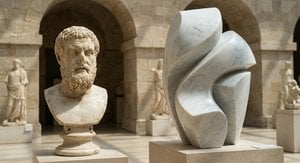
The Enduring Allure of Marble in Art History: From Classical Sculpture to Modern Abstraction
Explore the captivating history of marble sculpture from ancient Greece to modern art. Discover renowned artists like Canova & Michelangelo, carving techniques, and investment insights at ArtsDot.