

 إرسال
إرسال مشاركة
 عرض التفاصيل
 دليل الأعمال الفنية للطلاب

 تحميل
تحميل
 قطع مشابهة
 عرض شرائح متتابع
 Q&A
Q&A الإحصائيات
Tunic


 اقرأ المزيد
طباعة جيلي / مطبوعات فنية
طباعة جيكلي أو كانفاس بجودة المتاحف، مع سرعة في التنفيذ وخيارات متنوعة للتشطيب. ( اطلب نسخة مرسومة يدويًا التحويل إلى الصورة الرقمية)




































اختر من بين أحجامنا المُعدّة مسبقاً والتي تتوافق مع النسب الأصلية للعمل الفني.

أدخل العرض والارتفاع اللذين تحتاجهما، ليتناسب مع إطارك أو جدارك. يمكن قص المطبوعة فقط، ولا يمكن أبداً جعلها أكبر من الصورة الأصلية، لذا فإن أي مقاس بشكل مختلف سيؤدي إلى فقدان جزء من الصورة. سنرسل لك نموذجاً رقمياً تجريبياً لاعتماده قبل البدء في عملية الطباعة. الصورة المعروضة في هذه الصفحة لا توضح القص الفعلي — النموذج التجريبي فقط هو ما يظهر ذلك.
توصيل عالمي إلى خلال أسبوعين بدلاً من المدة القياسية البالغة 4/5 أسابيع. (2 نوفمبر)

شحن سريع ومجاني لجميع أنحاء العالم

قماش كتان فاخر

تأمين شامل على الشحن

ضمان استرداد الرسوم الجمركية

ضمان دقة مطابقة الألوان

سياسة الإرجاع خلال 100 يوم (في حالات العيوب فقط)

ضمان استرداد نقدي بنسبة 100%

عرض خصم الكميات
 خيار الزجاج متاح فقط للمقاسات التي تقل عن 110 سم

Tunic
طباعة جيلي / مطبوعات فنية
مقاس النسخة المطبوعة
-


إجمالي السعر
E£ 3238
The Enigmatic Allure of Mariano Fortuny’s Tunic
Mariano Fortuny y Madrazo (1871-1949), the Spanish artist and designer born in Venice, remains a figure of profound mystery and captivating beauty. More than simply a painter or textile innovator, he was a master orchestrator of sensation – a creator who seamlessly blended Orientalist dreams with European elegance, theatrical spectacle with intimate design. His legacy isn’t confined to a single style; it's woven into the very fabric of his creations, most famously embodied in pieces like this exquisite tunic, a testament to his revolutionary approach to color, texture, and light.
Fortuny’s artistic journey began not in Spain, but amidst the vibrant canals and artistic circles of Venice. His father, Mariano Fortuny y Marsal, a celebrated genre painter who tragically died when Mariano was just three years old, instilled in him a deep appreciation for visual storytelling and the power of capturing fleeting moments. This early exposure shaped his own approach – he wasn’t merely depicting reality; he was constructing an atmosphere, a mood, a carefully curated experience for the viewer. His work frequently draws upon the exoticism of the East, particularly Morocco, reflecting a fascination with its rich culture, vibrant colors, and intricate patterns, which he then reinterpreted through a distinctly European lens.
A Symphony of Silk and Shadow: Technique and Materials
This particular tunic exemplifies Fortuny’s groundbreaking techniques. Crafted from Marocain silk crepe – a luxurious fabric known for its subtle sheen and ability to hold dye with remarkable intensity – it showcases his mastery of layering and manipulation. The design itself is a marvel of intricate stamping, a process he perfected over decades, allowing him to create incredibly detailed patterns directly onto the fabric without the need for traditional printing methods. This technique, combined with hand-painted embellishments, resulted in a surface that appears both meticulously planned and intuitively organic.
Notice the subtle variations in color – the deep blues and greens of the background, punctuated by delicate ivory accents. Fortuny’s use of color wasn't arbitrary; he understood its psychological impact, employing muted tones to evoke a sense of serenity and mystery while strategically placed highlights drew the eye to key elements within the design. The fabric itself is treated with a special finish that gives it a unique tactile quality – a slight sheen combined with a subtle matte effect, creating an illusion of depth and movement.
Symbolism and Narrative: Echoes of Antiquity
The tunic’s design isn't merely decorative; it’s laden with symbolic meaning. The geometric patterns—squares, rectangles, and stylized floral motifs—echo the aesthetic principles of ancient civilizations, particularly Egypt and Greece. Fortuny was deeply influenced by antiquities, collecting fragments of Roman mosaics and Egyptian textiles that informed his artistic vision. The arrangement of these shapes suggests a deliberate attempt to evoke a sense of timelessness, connecting the viewer to a distant past.
Furthermore, the tunic’s overall composition—the interplay of light and shadow, the carefully balanced proportions—recalls the principles of theatrical design, a field in which Fortuny made his most significant contributions. He revolutionized stage lighting with his “fortuny cyclorama dome,” a device that used reflected light to create seamless transitions between scenes, transforming the theater into a truly immersive experience. This same meticulous attention to detail and dramatic effect is evident in this tunic, suggesting a deliberate intention to transport the wearer – and the viewer—to another world.
A Legacy of Elegance: Fortuny’s Enduring Influence
Mariano Fortuny's work continues to resonate today, not only for its exquisite beauty but also for its innovative techniques and profound artistic vision. His influence can be seen in the work of countless designers, from Elsa Schiaparelli to Yves Saint Laurent. The “Delphos” gown, a signature piece of his oeuvre, remains an iconic symbol of elegance and sophistication. Reproductions of Fortuny’s textiles are highly sought after by collectors and interior designers alike, who appreciate their timeless appeal and the unique atmosphere they create. This tunic, in particular, stands as a powerful reminder of the artist's genius – a testament to his ability to transform simple materials into objects of extraordinary beauty and enduring significance.
الأسئلة والأجوبة
ما هي الزاوية الأنسب في المنزل لوضع نسخة من "Tunic"؟
تتناسب نسخة من "Tunic" بشكل رائع مع Living Room.
كم كان عمر ماريانو فورتوني عند إبداع "Tunic" في عام 1925؟
عندما أُبدع العمل "Tunic" في عام 1925، كان عمر الفنان ماريانو فورتوني - المولود في 1871 - هو 54 عاماً.
من هو الفنان وما هو الأسلوب الذي يجسده العمل "Tunic"؟
أبدع ماريانو فورتوني لوحة "Tunic" ضمن حركة Orientalist Romanticism.
أعمال فنية مشابهة


نبذة عن الفنان
بداية حياة ومصادر الإلهام
ماريانو فورتوني، مصمم أزياء وفنان إسباني، ولد في 11 مايو 1871 في غرناطة بإسبانيا. توفي والده، ماريانو فورتوني ي مارسال، وهو رسام متخصص في تصوير المشاهد اليومية، عندما كان ماريانو في الثالثة من عمره فقط. أدى هذا الحدث المأساوي إلى انتقال العائلة إلى باريس، فرنسا، حيث قدمت والدته ماريانو إلى عالم واسع من المنسوجات والأقمشة المتنوعة التي ستلهم إبداعاته لاحقًا. منذ نعومة أظافره، أظهر ماريانو موهبة فنية استثنائية، برع في الرسم والتصوير والنحت والعمارة والطباعة الفنية وتصميم الإضاءة المسرحية.المواهب الفنية والاختراعات الرائدة
لم يقتصر فورتوني على مجال واحد، بل كان فنانًا متعدد المواهب. ابتكر أكثر من عشرين براءة اختراع بين عامي 1901 و 1934، مما أحدث ثورة في عالم تصميم المسرح. قام بتطوير قبة فورتوني الدائرية (Fortuny Cyclorama Dome)، وهي هيكل على شكل نصف دائرة مصنوع من الجص أو القماش، استخدم الإضاءة غير المباشرة لخلق انتقال سلس بين المشاهد. نشر كتابه "الإضاءة المسرحية" (Eclairage Scénique) في عام 1904، والذي وصف فيه اكتشافه لطريقة عكس الضوء على الأسطح المختلفة لتغيير لونه وكثافته وخصائصه. لم تكن هذه الاختراعات مجرد تحسينات تقنية، بل كانت رؤية فنية جديدة تمامًا لكيفية تقديم العروض المسرحية.مساهمات بارزة وتعاونات مؤثرة
اكتسب عمل فورتوني شهرة واسعة في عشرينيات القرن الماضي. تعاون مع شخصيات بارزة، بما في ذلك:- ريتشارد فاغنر، الموسيقار الألماني الشهير، الذي ألهمت أوبيراته ماريانو لرسم مشاهد مستوحاة منها.
- دار الأوبرا الشهيرة لا سكالا في ميلان، حيث قام بتركيب قبته الدائرية، وقام بتكييفها للمسرح الأكبر واختراع مروحة شفط للحفاظ على هيكلها المشدود.
الإرث والتأثير الدائم
توفي ماريانو فورتوني في 3 مايو 1949 في البندقية بإيطاليا. ألهم عمله الروائي الفرنسي مارسيل بروست، وتم تصوير حياته في رواية "فورتوني" للكاتب بيري جيمينير. يستمر إرث ماريانو في التأثير على عالم تصميم المسرح حتى اليوم.- استكشف المزيد حول اختراعات وتصاميم ماريانو فورتوني في مجموعة ArtsDot.
- اكتشف تأثير عمله على الإضاءة المسرحية في قصة "المتحف المدمر بالحرائق (الولايات المتحدة)"، وهي قصة حدث مؤسف شكل تاريخ الفن الأمريكي، متوفرة على مدونة ArtsDot.
أعمال مختارة لماريانو فورتوني وفنانين آخرين
- ماريانو فورتوني: ثوب الشاي (متحف الفنون الجميلة، بوسطن، الولايات المتحدة)، متوفر في مجموعة ArtsDot.
- مارك شاغال: دراسة لأغنية الأغاني الرابع (الفن الساذج / البدائية)، متوفرة في مجموعة ArtsDot.
- بابلو بيكاسو: كلارينيت (التكعيبية التحليلية، زيت على قماش)، متوفرة في مجموعة ArtsDot.
- فنسنت فان جوخ: جذور الأشجار (50 × 100 سم، ما بعد الانطباعية، زيت على قماش)، متوفرة في مجموعة ArtsDot.

ماريانو فورتوني
1871 - 1949 , إسبانيا
لمحة سريعة
- أعمال بارزة:
- فستان الشاي
- صورة هنرييت
- الاسم الكامل: Mariano Fortuny y Marsal
- الجنسية: إسباني
- الحركة الفنية: فن شرقي
- الفنانون المؤثرون: ['ريتشارد فاغنر']
- الفنانون المتأثرون: ['مارسيل بروست']
- تاريخ الميلاد: 11 مايو 1871
- تاريخ الوفاة: 3 مايو 1949
- مكان الميلاد: غرناطة، إسبانيا
مقالات ذات صلة

أعمال جاكوبو تينتوريتو الخالدة: 25 تحفة فنية تزين منزلك بجمال عصر النهضة
اكتشف 25 تحفة فنية لجاكوبو تينتوريتو، رائد فن عصر النهضة الإيطالي. استمتع بقصص لوحاته الرائعة وألوانه الزيتية المعبرة. احصل على إعادة إنتاج عالية الجودة لديكور منزلك الفاخر على ArtsDot.com

Woven Wonders: A Beginner's Guide to Elevating Your New Home with Timeless Textile Art
Discover how to transform your new home with the warmth of textile art. Our expert guide for newlyweds explores handwoven tapestries, tactile fibers, and timeless ways to curate a soulful, sophisticated interior through beautiful woven wonders.

Mariano Fortuny: A Fusion of Art, Fashion & Design – Exploring a Venetian Innovator's Legacy
Explore the captivating world of Mariano Fortuny – artist, designer & innovator. Discover his revolutionary textiles, iconic Delphos gown, and lasting influence on art, fashion & interiors. A collector's guide to a Venetian master.
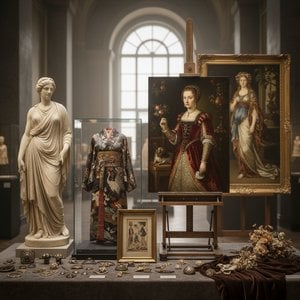
Draped Narratives: Fashion as Symbol & Subject in Historical Art
Explore the fascinating history of fashion as a symbol of power & status in art! Discover masterpieces from Gainsborough to Tissot and learn how clothing shaped societal narratives. Find museum-quality reproductions at ArtsDot.

Gianfranco Ferré: Deconstructing Haute Couture – A Legacy of Architectural Form
Explore the revolutionary world of Gianfranco Ferré, 'the architect of fashion.' Discover his architectural approach to haute couture, iconic Dior designs, and lasting influence on luxury style. A deep dive for collectors & enthusiasts.
