


 معاينة الحجم الحقيقي
 مشاركة
 مشاركة
 التفاصيل

 تحميل الملف
 قطع مشابهة
 الأشعة السينية
 عرض شرائح
Chaise Lounge


 عرض المزيد
نسخة زيتية مصنوعة يدوياً
لوحة زيتية مرسومة يدوياً على الكانفاس بالمقاس والإطار الذي تفضله، تُنفذ حسب الطلب على أيدي فنانينا. ( اشترِ نسخة مطبوعة اشترِ الصورة)




































اختر من بين أحجامنا المُعدّة مسبقًا والتي تتطابق مع النسب الأصلية للعمل الفني.

يمكنك إدخال أبعادك الخاصة لتناسب إطارًا معينًا أو مساحة محددة. وإذا لم يتطابق الحجم الذي اخترته مع نسب الصورة الأصلية، فسنقوم إما بقص العمل الفني أو توسيع اللوحة بإضافة عناصر مرسومة يدويًا. سيتم إرسال نموذج رقمي إليك للموافقة عليه قبل بدء الإنتاج.
يرجى ملاحظة أن المعاينة على الشاشة لا تعكس عملية القص أو التوسيع الفعلية؛ حيث إن النموذج الرقمي وحده هو الذي سيوضح التكوين النهائي بدقة.
وعلى الرغم من توفر أحجام مخصصة، إلا أننا نوصي باختيار أبعاد من القائمة المحددة مسبقًا للحفاظ على النسب الأصلية للعمل الفني.
بعد إتمام الطلب، سيرسل فريق ArtsDot.com بريداً إلكترونياً للعميل لطلب التعليمات وتزويده بمعاينة تجريبية (mockup).
توصيل عالمي إلى خلال 3 إلى 4 أسابيع بدلاً من المدة المعتادة البالغة 5 أسابيع. (6 سبتمبر). جودة لا تهاون فيها.

شحن سريع ومجاني لجميع أنحاء العالم

قماش كتان عالي الجودة

تأمين شحن شامل

ضمان استرداد الرسوم الجمركية

ضمان مطابقة الألوان الحقيقية

سياسة الإرجاع خلال 100 يومًا (في حالات العيوب فقط)

ضمان استرداد نقدي بنسبة 100%

خصم عند طلب عدة قطع
 خيار الزجاج متاح فقط للمقاسات التي تقل عن 110 سم

Chaise Lounge
خامة إعادة الإنتاج
مقاس النسخة المطبوعة
-


السعر الإجمالي النهائي
$ 263
أعمال فنية ذات صلة


السيرة الذاتية للفنان
The Architect of Minimalism: The Life and Legacy of Marcel Breuer
In the grand tapestry of twentieth-century modernism, few threads are as structurally sound or aesthetically pure as those woven by Marcel Lajos Breuer. Born in 1902 amidst the cultural richness of Pécs, Hungary, Breuer emerged from a world on the precipice of radical change. His early years, steeped in the intellectual currents of the Austro-Hungarian Empire, provided the foundation for a career that would eventually redefine the very boundaries between furniture, sculpture, and habitable space. To understand Breuer is to understand the transition from the ornate traditions of the past to the streamlined, industrial efficiency of the future—a journey that took him from the workshops of the Bauhaus to the skyline of New York City.
The true crucible of his genius was undoubtedly the Bauhaus. Enrolling in 1924, Breuer entered an environment where the boundaries between art and industry were being intentionally dissolved. Under the influence of visionaries like Walter Gropius, he embraced a philosophy where form followed function with uncompromising precision. It was within the school's carpentry workshop that Breuer began to experiment with materials that would become his signature. His fascination with the structural possibilities of tubular steel—inspired perhaps by the curved handlebars of an Adler bicycle—led to the creation of the legendary Wassily Chair. This piece was not merely a seat; it was a manifesto in metal and fabric, stripping away the bulk of traditional upholstery to reveal a skeletal, geometric elegance that remains a cornerstone of modern design.
A Symphony of Steel and Stone
As his career progressed, Breuer’s vision expanded from the intimate scale of furniture to the monumental scale of architecture. His work became a dialogue between the lightness of industrial materials and the heavy, tactile presence of natural elements. In his architectural practice, he mastered the art of the cantilever, creating structures that seemed to defy gravity through daring projections and suspended volumes. This period saw him exploring the textures of wood, stone, and glass, blending them into a cohesive language that spoke of both permanence and transparency.
His architectural repertoire was remarkably diverse, ranging from private residences to massive institutional landmarks. Notable achievements include:
- The Wassily and Cesca Chairs: Iconic furniture pieces that revolutionized the concept of lightweight, mass-producible design.
- Brutalist Masterpieces: Buildings characterized by their raw, honest use of concrete, reflecting a sculptural approach to urban landscapes.
- Residential Innovations: Projects like the Breuer House II in New Canaan, which utilized cantilevered designs and organic materials to harmonize with the surrounding landscape.
- Institutional Impact: The design of museums, libraries, and research facilities, such as the former IBM Research facility, which integrated cutting-edge technology into structural form.
The Enduring Resonance of a Modernist Master
Breuer’s migration to the United States in 1937 marked a new chapter in his evolution, as he brought the avant-garde sensibilities of Europe to the burgeoning American landscape. He became a naturalized citizen, yet he remained a bridge between two worlds, infusing American architecture with the rigorous discipline of the Bauhaus while embracing the expansive possibilities of the New World. His ability to adapt—moving from the delicate precision of bentwood and steel to the rugged, expressive power of Brutalism—demonstrates a rare versatility that few of his contemporaries could match.
Today, the legacy of Marcel Breuer is felt every time we sit in a chair that prioritizes clarity over clutter or walk through a building that celebrates its own structural truth. He did not merely design objects and buildings; he designed a way of seeing the world—one where beauty is found in the essential, and where the strength of a structure lies in its honesty. His life remains a testament to the idea that true innovation does not require excess, but rather a profound understanding of the soul of the material.

marcel lajos breuer
1902 - 1981 , Hungary
حقائق سريعة
- Artistic Movement Or Style: Modernist Architecture & Furniture Design
- Artists Or Movements Influenced By This Artist: ['Bauhaus']
- Artists Who Influenced This Artist:
- Walter Gropius
- Ludwig Mies van der Rohe
- Date Of Birth: May 21, 1902
- Date Of Death: July 1, 1981
- Full Name: Marcel Lajos Breuer
- Nationality: Hungarian, American
- Notable Artworks:
- Wassily Chair
- Villa Müller
- Harnishmacher House
- Place Of Birth: Pécs, Hungary
مقالات ذات صلة

Marcel Dyf: A Study in Belgian Surrealist Landscape and the Poetics of Memory
Explore the captivating landscapes of Marcel Dyf (1899-1985). Discover his Impressionist roots, subtle Surrealism, and enduring legacy. Learn about his life, art, and value with ArtsDot.

Angelo Chiacchio: A Mid-Century American Illustration Master & the Rise of Commercial Art
Explore the captivating world of Angelo Chiacchio, a master of mid-century American illustration. Discover his evolution, signature style, and lasting impact on commercial art & design. Learn about his legacy at the Museum of American Illustration.

Antoine Blanchard (Marcel Masson): Parisian Abstraction & the Legacy of Automatism
Explore the captivating world of Antoine Blanchard (Marcel Masson) and his nostalgic Parisian scenes. Discover his artistic influences, unique style, and the challenges of authentication. Expert insights & art appraisal information.
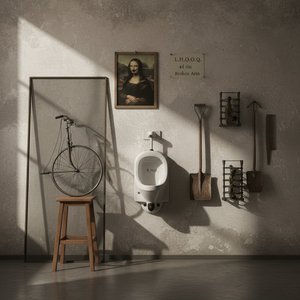
Marcel Duchamp: Challenging Conventions & Redefining Art in the 20th Century
Explore the revolutionary art of Marcel Duchamp! Discover how his Dadaist readymades challenged artistic conventions & redefined modern art. A deep dive into 'Fountain', conceptual shifts, and his lasting impact.

Franz Xaver Winterhalter: Court Painter, Academician & Embodiment of Mid-19th Century Portraiture
Explore the life & art of Franz Xaver Winterhalter, the celebrated court painter of the 19th century. Discover his exquisite portraits of royalty and aristocracy – a symbol of prestige and refined taste.