

 معاينة الحجم الحقيقي
 مشاركة
 مشاركة
 التفاصيل

 تحميل الملف
 قطع مشابهة
 الأشعة السينية
 عرض شرائح
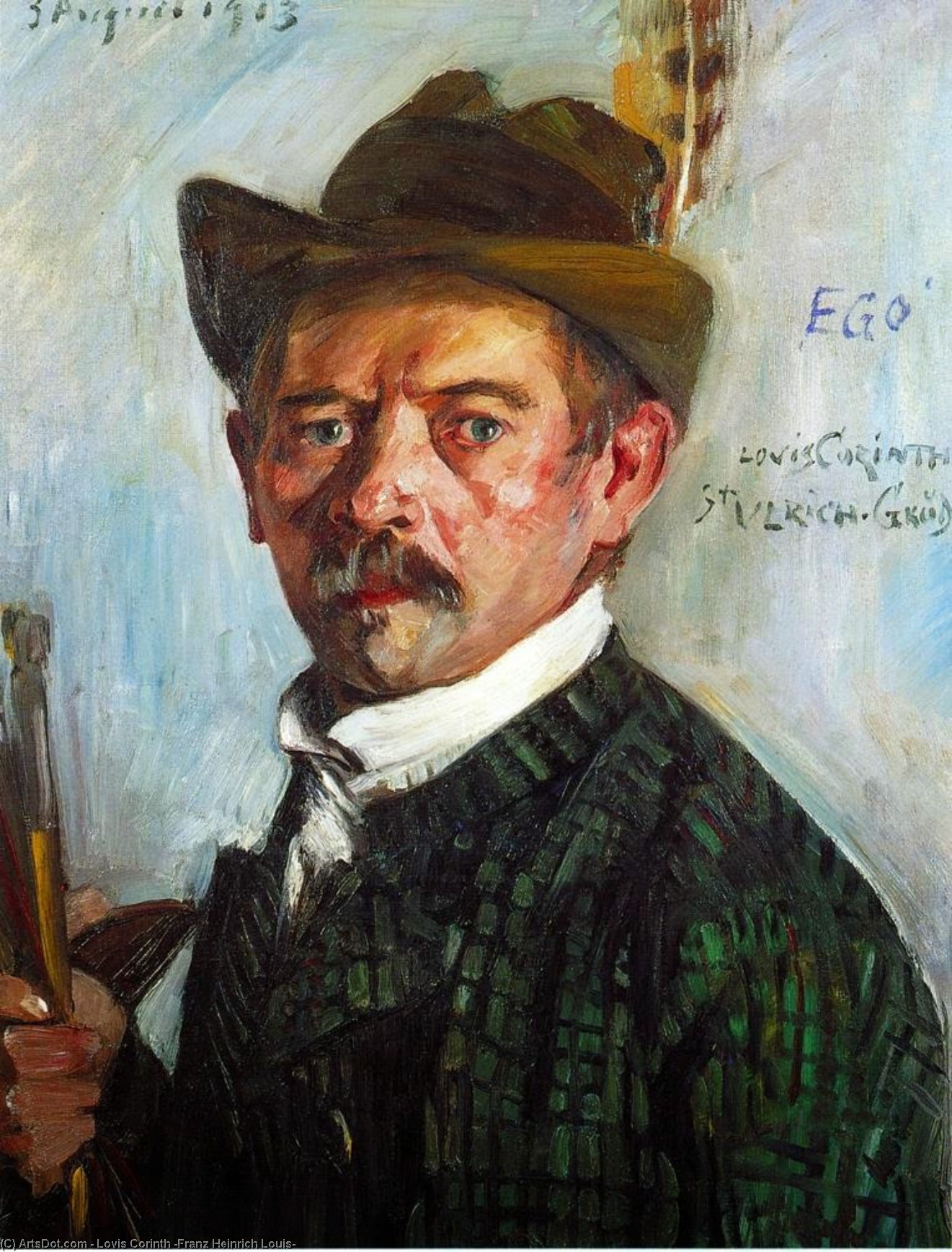
Self Portrait in a Tyrolean Hat
 Acrylic On Canvas
- WallArt
- Impressionism
 1913
1913 80.0 x 60.0 cm
 متحف فان جوخ
 عرض المزيد
طباعة جيلي / مطبوعات فنية
طباعة جيكلي أو كانفاس بجودة المتاحف، مع سرعة في التنفيذ وخيارات متنوعة للتشطيب. ( اشترِ لوحة مرسومة يدويًا اشترِ الصورة)




P118B $10

P118H $10

P118W $10

P438Z $10

P508JH $12

P508YH $12

P805H $10

P805Z $10

P919BZ $10

P919G $10

P919XJ $10

P959ZH $10

P968JZ $12

W106C $8

W218G $10

W218JH $8

W218Y $10

W307PJ $10

W316G $10

W316PJ $8

W316Y $10

W398PJ $8

W4111J $10

W500HY $15

W500JH $15

W692G $12

W849H $8

W940BG $15

W953PJ $8




اختر من بين أحجامنا المُعدّة مسبقًا والتي تتطابق مع النسب الأصلية للعمل الفني.

يمكنك إدخال أبعادك الخاصة لتناسب إطاراً أو مساحة معينة. وإذا لم يتطابق الحجم الذي اخترته مع نسب الصورة الأصلية، فسنقوم إما بقص العمل الفني أو تمديد الصورة باستخدام حافة معكوسة أو بلون مصمت. سيتم إرسال نموذج تجريبي رقمي لاعتمادك قبل بدء الإنتاج.
يرجى ملاحظة أن المعاينة على الشاشة لا تعكس عملية القص أو التمديد الفعلية؛ حيث سيوضح النموذج التجريبي فقط التكوين النهائي بدقة.
وعلى الرغم من توفر أحجام مخصصة، إلا أننا نوصي باختيار أبعاد من القائمة المحددة مسبقاً للحفاظ على النسب الأصلية.
توصيل عالمي إلى خلال أسبوعين بدلاً من المدة القياسية البالغة 4/5 أسابيع. 18 أغسطس

شحن سريع ومجاني لجميع أنحاء العالم

قماش كتان عالي الجودة

تأمين شحن شامل

ضمان استرداد الرسوم الجمركية

ضمان مطابقة الألوان الحقيقية

سياسة الإرجاع خلال 60 يومًا (في حالات العيوب فقط)

ضمان استرداد نقدي بنسبة 100%

خصم عند طلب عدة قطع
 خيار الزجاج متاح فقط للمقاسات التي تقل عن 110 سم

Self Portrait in a Tyrolean Hat
طباعة جيلي / مطبوعات فنية
مقاس النسخة المطبوعة
-


السعر الإجمالي النهائي
$ 62
وصف القطعة الفنية
A Portrait of Resilience: Lovis Corinth’s “Self-Portrait in a Tyrolean Hat” (1913)
Lovis Corinth's "Self-Portrait in a Tyrolean Hat," painted in 1913, is more than just a depiction of an artist; it’s a poignant study of identity, recovery, and the evolving spirit of a man grappling with both personal tragedy and artistic transformation. This remarkable work, currently housed within the Museum Folkwang in Essen, Germany, offers a rare glimpse into the inner world of a pivotal figure bridging the Impressionistic and Expressionist movements – a journey marked by physical hardship and an unwavering commitment to his craft.
The painting immediately draws the eye with its vibrant palette. Corinth employs bold strokes of ochre, crimson, and deep blues, creating a sense of immediacy and raw emotion. The Tyrolean hat itself—a symbol of rustic charm and regional identity—is rendered with meticulous detail, yet it feels slightly incongruous against the artist’s face, hinting at a deliberate juxtaposition. This isn't merely a casual addition; it speaks to Corinth’s conscious exploration of themes related to heritage, memory, and perhaps even a yearning for simpler times.
The Shadow of Recovery: Context and Technique
Painted just two years after a debilitating stroke severely impacted his left hand, “Self-Portrait in a Tyrolean Hat” is inextricably linked to Corinth’s arduous recovery. The physical limitations imposed by the stroke profoundly influenced his artistic approach. Notice how he subtly shifts his posture, adopting a more upright stance and holding his brush with his right hand – a deliberate act of reclaiming agency after a period of vulnerability. This isn't simply about overcoming disability; it’s about redefining his relationship with art itself.
Corinth’s technique during this period is particularly noteworthy. While retaining elements of Impressionism—evident in the loose brushwork and emphasis on capturing fleeting light—he increasingly incorporates expressive qualities reminiscent of Expressionism. The colors are intensified, the forms simplified, and a sense of urgency permeates the composition. The painting feels less like a carefully constructed portrait and more like an immediate emotional outpouring – a visual record of his internal struggle.
Symbolic Layers: Hat, Face, and the Unspoken
Beyond its technical merits, “Self-Portrait in a Tyrolean Hat” is rich with symbolic layers. The hat itself can be interpreted as a shield—a defense against the world and perhaps even his own self-doubt. Corinth’s face, etched with lines of worry and determination, reflects the weight of his experience. The direct gaze into the viewer creates an intimate connection, inviting us to share in his introspection.
Interestingly, Corinth's choice of a Tyrolean hat is not merely decorative. It connects him to the Alpine region, a place he would later find solace and inspiration during his recovery. This retreat to nature represents a crucial step in his healing process – a return to the physical world that had initially caused him so much pain.
A Legacy of Transformation
“Self-Portrait in a Tyrolean Hat” stands as a testament to Lovis Corinth’s resilience and artistic evolution. It's a powerful depiction of an artist confronting adversity, not with resignation, but with renewed determination and a willingness to embrace new forms of expression. This painting is more than just a portrait; it’s a visual diary of a man’s journey—a story of loss, recovery, and the enduring power of art to transform both the self and the world around us. Reproductions offer a remarkable opportunity to experience this deeply moving work firsthand.
أعمال فنية ذات صلة


السيرة الذاتية للفنان
حياة صيغت بالألوان: عالم لوفيس كورينث
كان لوفيس كورينث، الذي ولد باسم فرانس هاينريش لويس في 21 يوليو 1858 في مقاطعة بروسيا الشرقية، شخصية جسدت التحول العاصف في عالم الفن من القرن التاسع عشر إلى أوائل القرن العشرين. لم تكن رحلته طريقاً مفروشاً بالنجاح الفوري، بل كانت تطوراً تدريجياً غذّاه البحث الدؤوب، والتأثيرات المتنوعة، وفي نهاية المطاف، المأساة الشخصية. تعود جذور بدايات كورينث إلى المناظر الطبيعية الريفية في مسقط رأسه، تابيوا، حيث كان والده يعمل دباغاً؛ وهذا الاحتكاك المبكر بفيزيائية العمل وجمال الطبيعة الخام تسلل ببراعة إلى أعماله اللاحقة، حتى في خضم استكشافاته الأسلوبية الأكثر تعقيداً. بدأ دراسته في أكاديمية كونيغسبرغ عام 1876، لكنه سرعان ما أدرك أن التقاليد الأكاديمية وحدها لن تشبع طموحاته الفنية، فبدأت رحلة ترحال قادته إلى ميونيخ، ثم أنتويرب، وأخيراً باريس، حيث كانت كل مدينة بمثابة حجر زاوية في تطوره. في ميونيخ، استوعب الواقعية الدقيقة التي نادى بها لودفيج فون لوفتز، مما صقل مهاراته الملاحظة وإتقانه للتقنية، بينما عرفته أنتويرب على الكثافة الباروكية الدرامية لرسام مثل روبنز، في حين عرضته باريس على الحركة الانطباعية الناشئة، وإن كان رد فعله الأولي اتسم بالمراقبة الحذرة بدلاً من الاحتضان الفوري.من الطبيعية إلى صهر الأساليب
لم يتسم التطور الفني لكورينث بثورات خاطفة، بل بعملية استيعاب وصهر تدريجية لمؤثرات متنوعة. مالت أعماله المبكرة بقوة نحو المدرسة الطبيعية، مما عكس المعايير الأكاديمية السائدة في ذلك العصر؛ فلوحات مثل "في المذبحة" (1878)، بتصويرها الصريح لذبائح الحيوانات، تظهر هذا الالتزام بالتمثيل الواقعي، ومع ذلك، بدأت حتى هنا ملامح كثافة عاطفية ناشئة في الظهور. إن الموضوع نفسه — المروع والحيوي — يلمح إلى رغبة في مواجهة الحقائق غير المريحة، وهي سمة ستصبح بارزة بشكل متزايد في أعماله اللاحقة. كما أن وقته الذي قضاه في دراسة كبار الأساتذة القدامى، وخاصة روبنز، غرس فيه حباً للتكوين الديناميكي وضربات الفرشاة التعبيرية. ومع ذلك، كان تعرضه للانطباعية — التي نظر إليها في البداية بشك — هو التحول الحقيقي؛ فهو لم يكتفِ بتبني الألوان المتقطعة وتأثيرات الضوء العابرة كما فعل مونيه أو رينوار، بل دمج هذه العناصر في رؤيته الفريدة، مبتكراً أسلوباً يمزج بين الحيوية الانطباعية والحس الألماني الخالص. هذا الصهر الفني وضعه في نهاية المطاف كجسر يربط بين الانطباعية والتعبيرية، وهما حركتان رسمتا المعالم الفنية لأوائل القرن العشرين.سيد البورتريه والمناظر الطبيعية
بينما استكشف كورينث أنواعاً فنية مختلفة طوال مسيرته — بما في ذلك المشاهد الكتابية والمواضيع الأسطورية — إلا أنه يُذكر على الأرجح ببراعته في رسم البورتريه والمناظر الطبيعية. لم يكن فن البورتريه لديه مجرد محاولة لالتقاط الشبه الجسدي، بل كان محاولة للنفاذ إلى الأعماق النفسية لمن يرسمهم، كاشفاً عن عوالمهم الداخلية من خلال إيماءات دقيقة، وعيون معبرة، وتكوينات مدروسة بعناية؛ فقد امتلك قدرة مذهلة على نقل الشخصية والعاطفة بأقل قدر من الوسائل التقنية. وبالمثل، لم تكن مناظره الطبيعية مجرد تصوير لمشاهد خلابة، بل كانت استجابات عاطفية للطبيعة. وقد أصبحت منطقة "فالشنزي" في جبال الألب البافارية مصدراً خاصاً لإلهامه، حيث زودته بوفرة من الزخارف التي استكشفها مراراً وتكراراً في سنواته الأخيرة. تميزت هذه اللوحات بألوانها الجريئة، وضربات فرشاتها الديناميكية، وإحساس بالطاقة الخام التي تعكس ارتباط كورينث الشغوف بالعالم الطبيعي؛ فلم يكن مهتماً بالتمثيلات المثالية الهادئة، بل سعى لالتقاط القوة الجامحة والدراما المتأصلة في المشهد الطبيعي.المأساة، الصمود، والإرث الخالد
كانت اللحظة المحورية في حياة كورينث — وربما في تطوره الفني — هي السكتة الدماغية التي تعرض لها في ديسمبر 1911. فقد هدد الشلل الذي أصاب جانبه الأيسر بإنهاء مسيرته المهنية تماماً، ومع ذلك، وبإصرار لا يتزعزع ودعم من زوجته شارلوت بيريند-كورينث، تعلم الرسم من جديد، متكيفاً مع قيوده الجسدية ومطوراً أسلوباً أكثر تعبيراً. مثلت هذه الفترة نقطة تحول في أعماله، حيث أصبحت لوحاته أكثر جرأة وحركة وشحناً بالعاطفة. إن تجربة مواجهة الموت والضعف الجسدي ضخت في فنه إحساساً جديداً بالإلحاح والأصالة؛ فتبنى ضربات فرشاة أكثر حرية ولوحة ألوان أكثر كثافة، مستبقاً العديد من الابتكارات الأسلوبية التي ستحدد ملامح التعبيرية. لم يقتصر تأثير كورينث على لوحاته فحسب، بل كان أيضاً معلماً وكاتباً محترماً في مجال الفن، حيث نشر مقالات مثل "عن تعلم الرسم" عام 1908، مقدماً رؤى حول فلسفته الفنية ومنهجه التقني. كما شغل منصب رئيس "انفصال برلين" (Berlin Secession) من عام 1915 حتى وفاته في عام 1925، مدافعاً عن الأفكار الفنية التقدمية وراعياً لمجتمع إبداعي حيوي. إن إرث لوفيس كورينث لا يكمن فقط في مجموعته الرائعة من الأعمال، بل أيضاً في التزامه الراسخ بالنزاهة الفنية وقدرته على تحويل المأساة الشخصية إلى تعبير فني عميق؛ ليظل شخصية محورية في تاريخ الفن الألماني، وأستاذاً جسر بين عصرين وترك بصمة لا تُمحى في ذاكرة الأجيال القادمة من الفنانين.أعمال رئيسية ودلالاتها
- في المذبحة (1878): تصوير واقعي صارخ لذبائح الحيوانات، يستعرض تمكن كورينث المبكر من التقنية ورغبته في مواجهة الموضوعات المثيرة للقلق.
- بورتريه ذاتي (سنوات مختلفة): سلسلة من الصور الذاتية التي رسمها سنوياً في يوم ميلاده، لتقدم تأريخاً رائعاً لتطور إدراك الفنان لذاته وأسلوبه الفني، وتكشف عن استبطان عميق واستكشاف جريء للهوية.
- امرأة شبه عارية مع قبعة (1906): تظهر قدرة كورينث على مزج الزخارف الكلاسيكية بالتقنيات الانطباعية، مما يخلق بورتريه حسي ومقنع نفسياً.
- سلسلة فالشنزي (سنوات مختلفة): مجموعة من المناظر الطبيعية التي تصور منطقة فالشنزي في بافاريا، وتتميز بألوانها النابضة بالحياة وضربات الفرشاة الديناميكية وكثافتها العاطفية، وهي تمثل أسلوب كورينث الناضج في أقوى حالاته التعبيرية.
- البورتريه الذاتي الأخير (1924): رُسم قبل وفاته بفترة وجيزة، ويعد هذا العمل شهادة مؤثرة على صمود الفنان وروحه التي لا تقهر في مواجهة الشدائد الجسدية، حيث يجسد ذروة رحلته الفنية ورمزاً قوياً للقدرة البشرية على التحمل.

لوئيس كورينت
1858 - 1925 , هولندا
حقائق سريعة
- Artistic Movement Or Style: الطباعة والتعبيرية
- Artists Who Influenced This Artist: ['كورت"،"روبنز']
- Date Of Birth: 21 يوليو 1858
- Date Of Death: 17 يوليو 1925
- Full Name: فرانس هيلموت لويس كورينت
- Nationality: ألماني
- Notable Artworks:
- من الذبائح
- تذكار ذاتي
- امرأة شبه عارية وقبعة
- Place Of Birth: تاووده، هولندا
مقالات ذات صلة

Lovis Corinth: Bridging Impressionism & Expressionism – A Study of Artistic Evolution
Explore the fascinating artistic journey of Lovis Corinth, a pivotal figure bridging Impressionism & Expressionism. Discover his evolution, key works, and lasting impact on modern art with ArtsDot.

Reflecting the Self: A History of Portraiture & Psychological Insight
Explore the fascinating history of self-portraiture from Renaissance masters like Dürer & Rembrandt to modern interpretations. Discover the psychological insights and artistic techniques behind these iconic works. Expert analysis for art enthusiasts.

The Echo of Self: Reflectivity as a Core Theme in Art History & Contemporary Practice
Explore the rich history of self-representation in art, from Renaissance masters to modern innovators. Discover how artists use portraiture to reveal identity, emotion & the depths of the human psyche. Expert insights for collectors.

Impressionism's Masterpieces: 10 Paintings That Defined a Movement | ArtsDot
Journey through Impressionism's heart with 10 iconic paintings by Monet, Renoir & Degas. Explore light, color & the stories behind these masterpieces. Find museum-quality art reproductions and elevate your home decor on ArtsDot.com.

أعمال بول سيزان الخالدة: 25 تحفة فنية تزين منزلك بجمال الألوان والضوء
اكتشف 25 تحفة فنية لبول سيزان، رائد الانطباعية وما بعد الانطباعية. استكشف قصص لوحاته الزيتية الشهيرة وألوانه الجريئة وتقنياته الفريدة. احصل على إلهام لديكور منزلك الفاخر مع ArtsDot.com.


