


 معاينة الحجم الحقيقي
 مشاركة
 مشاركة
 التفاصيل

 تحميل الملف
 قطع مشابهة
 الأشعة السينية
 عرض شرائح
 الإحصائيات
Fuchsias
 Impressionism
 76.0 x 64.0 cm
 عرض المزيد
نسخة زيتية مصنوعة يدوياً
لوحة زيتية مرسومة يدوياً على الكانفاس بالمقاس والإطار الذي تفضله، تُنفذ حسب الطلب على أيدي فنانينا. ( التحويل إلى المطبوعات الانتقال إلى الصورة الرقمية)




































اختر من بين أحجامنا المُعدّة مسبقًا والتي تتطابق مع النسب الأصلية للعمل الفني.

يمكنك إدخال أبعادك الخاصة لتناسب إطارًا معينًا أو مساحة محددة. وإذا لم يتطابق الحجم الذي اخترته مع نسب الصورة الأصلية، فسنقوم إما بقص العمل الفني أو توسيع اللوحة بإضافة عناصر مرسومة يدويًا. سيتم إرسال نموذج رقمي إليك للموافقة عليه قبل بدء الإنتاج.
يرجى ملاحظة أن المعاينة على الشاشة لا تعكس عملية القص أو التوسيع الفعلية؛ حيث إن النموذج الرقمي وحده هو الذي سيوضح التكوين النهائي بدقة.
وعلى الرغم من توفر أحجام مخصصة، إلا أننا نوصي باختيار أبعاد من القائمة المحددة مسبقًا للحفاظ على النسب الأصلية للعمل الفني.
بعد إتمام الطلب، سيرسل فريق ArtsDot.com بريداً إلكترونياً للعميل لطلب التعليمات وتزويده بمعاينة تجريبية (mockup).
توصيل عالمي إلى خلال 3 إلى 4 أسابيع بدلاً من المدة المعتادة البالغة 5 أسابيع. (10 سبتمبر). جودة لا تهاون فيها.

شحن سريع ومجاني لجميع أنحاء العالم

قماش كتان عالي الجودة

تأمين شحن شامل

ضمان استرداد الرسوم الجمركية

ضمان مطابقة الألوان الحقيقية

سياسة الإرجاع خلال 100 يوم (في حالات العيوب فقط)

ضمان استرداد نقدي بنسبة 100%

خصم عند طلب عدة قطع
 خيار الزجاج متاح فقط للمقاسات التي تقل عن 110 سم

Fuchsias
خامة إعادة الإنتاج
مقاس النسخة المطبوعة
-


السعر الإجمالي النهائي
$ 263
أعمال فنية ذات صلة


السيرة الذاتية للفنان
Louise Pickard: A Quiet Master of Still Life and Light
Louise Pickard (1865-1928) remains a quietly significant figure in late 19th and early 20th century British art, often overshadowed by the more flamboyant movements of her time. Born in Kingston upon Hull, she initially faced societal constraints that limited artistic opportunities for women, yet through perseverance and a keen eye, Pickard established herself as a respected painter specializing in meticulously observed still lifes, evocative landscapes, and intimate portraits. Her work, characterized by a delicate palette, subtle modeling, and an almost meditative quality, offers a poignant glimpse into the domestic world of Edwardian England.
Pickard’s early artistic training was largely self-directed, fueled by a desire to escape the limitations imposed upon her gender. She began studying at the local School of Art in Hull, absorbing the principles of observation and technique. A pivotal moment arrived when, at thirty years old, she secured a place at the Slade School of Art in London – a significant achievement for an artist of her time. This period provided invaluable exposure to established artists and a rigorous academic environment. Following her studies, Pickard spent a year in Paris, immersing herself in the vibrant artistic scene and experimenting with new approaches to light and color. Returning to England, she established a studio in Chelsea, a hub of artistic activity during this era, and began exhibiting her work regularly.
Pickard’s artistic development can be traced through a series of recurring themes and stylistic choices. Initially influenced by the Impressionists' focus on capturing fleeting moments of light and color, she gradually developed a more restrained and controlled approach. Her still lifes, often featuring humble domestic objects – fruit bowls, vases of flowers, jugs – are rendered with remarkable detail and sensitivity. She wasn’t interested in dramatic displays or bold statements; instead, she sought to convey the quiet beauty of everyday life through subtle shifts in tone and texture. Landscapes, frequently depicting scenes from North Yorkshire, demonstrate a similar appreciation for observation and restraint, capturing the atmospheric qualities of the countryside with a delicate touch. Portraits, though less frequent than her still lifes and landscapes, reveal a keen understanding of human character and an ability to convey emotion through nuanced expressions.
Despite exhibiting at prestigious venues such as the Royal Academy and the New English Art Club – institutions that championed both established and emerging artists – Pickard’s career was marked by relative obscurity. Contemporary critics often noted her struggles against poverty, a common plight for many working-class artists during this period. This lack of recognition contributed to a delayed appreciation of her work, which has only recently begun to receive the attention it deserves. However, her paintings are now recognized as significant examples of British art from the early 20th century, showcasing a unique blend of observation, sensitivity, and technical skill.
Key Works and Exhibitions
- Still Life with Fruit (c. 1910): This painting exemplifies Pickard’s meticulous attention to detail and her ability to capture the subtle nuances of light and color. The arrangement of fruit – apples, pears, and grapes – is rendered with remarkable precision, while the play of light on their surfaces creates a sense of depth and atmosphere.
- The Thames at Chelsea (c. 1915): A serene depiction of the riverbank, capturing the hazy light and atmospheric conditions characteristic of early morning in London. The painting’s muted palette and delicate brushwork evoke a sense of tranquility and contemplation.
- Portrait of a Young Woman (c. 1920): Demonstrating her skill in portraying human character, this portrait captures the subject's quiet dignity and inner strength through subtle gestures and expressions.
Influences and Artistic Context
Pickard’s artistic journey was shaped by a confluence of influences. The Impressionist movement, with its emphasis on capturing fleeting moments of light and color, undoubtedly played a role in her early development. However, she also drew inspiration from the work of Pre-Raphaelite painters, particularly their interest in depicting beauty in everyday life. The quiet introspection of artists like Walter Sickert and Joseph Hibbs, who focused on domestic scenes and portraits, may have also influenced her approach. Importantly, Pickard’s work reflects the broader social and cultural context of Edwardian England – a period marked by both prosperity and social inequality.
Legacy and Recognition
Despite facing challenges throughout her career, Louise Pickard left behind a body of work that is increasingly recognized for its quiet beauty and technical skill. Her paintings are now held in important collections, including the Ferens Art Gallery in Hull and the Tate in London, testament to their enduring value. Recent scholarship has shed new light on her life and work, challenging previous assumptions about her artistic significance and highlighting her contribution to British art history. Louise Pickard’s story serves as a reminder of the often-overlooked contributions of women artists during a period when opportunities were limited.

louise pickard
1865 - 1928
حقائق سريعة
- Artistic Movement Or Style: Still life, landscapes
- Artists Or Movements Influenced By This Artist: ['']
- Artists Who Influenced This Artist: ['']
- Date Of Birth: 1865
- Date Of Death: 1928
- Full Name: Louise Pickard
- Nationality: British
- Notable Artworks:
- Eyam Dale
- Dessert
- Thames – Early Morning
- Blue flowers
- Place Of Birth: Kingston-Upon-Hull, UK
مقالات ذات صلة
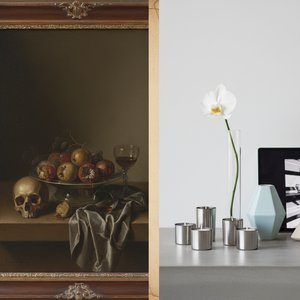
The Enduring Appeal of Still Life: A Historical & Contemporary Exploration
Explore the rich history & symbolism of still life painting with ArtsDot. Discover masterpieces from the Dutch Golden Age, learn about vanitas art, and find expert guidance for collecting timeless artworks.

أعلى 10 لوحات طبعت "المشهد الانطباعي": رحلة فنية في عالم الفن الراقي و الديكور
اكتشفوا 10 روائع فنية رسمت "المشهد الانطباعي"! رحلة في عالم مونيه، رينوار و بيسار. استلهموا ألوان الطبيعة و تقنيات الفنانين. ديكور منزلي راقي و لوحات زيتية مميزة. تسوقوا أعمالًا فنية أصيلة على ArtsDot.com

Crimson Threads of Narrative: Exploring Symbolism & Representation in Artworks Featuring the Red Dress
Explore the rich symbolism of the red dress in art history! From ancient power displays to iconic portraits like Cézanne’s 'Madame Cezanne', discover the cultural and artistic significance behind this captivating color. Expert analysis & insights.

Silent Narratives: Exploring the Enduring Appeal of Still Life Painting Across Centuries
Explore the rich history of still life painting with ArtsDot. Discover Dutch Masters, decode vanitas symbolism & learn about collecting timeless art. Expert insights and museum-quality reproductions.

Impressionistic Realism's Finest: 10 Masterpieces for Your Home | ArtsDot
Journey through Impressionistic Realism with 10 iconic masterpieces by Monet, Renoir & Van Gogh. Explore art history, techniques & find museum-quality reproductions for your home at ArtsDot.com. Discover all masterpieces online!