


 معاينة الحجم الحقيقي
 مشاركة
 مشاركة
 التفاصيل
 الدليل

 تحميل الملف
 قطع مشابهة
 الأشعة السينية
 عرض شرائح
 الإحصائيات
Horace John Abbot
 Academic Realism
 51.0 x 38.0 cm
 عرض المزيد
طباعة جيلي / مطبوعات فنية
طباعة جيكلي أو كانفاس بجودة المتاحف، مع سرعة في التنفيذ وخيارات متنوعة للتشطيب. ( اشترِ لوحة مرسومة يدويًا الانتقال إلى الصورة الرقمية)




































اختر من بين أحجامنا المُعدّة مسبقًا والتي تتطابق مع النسب الأصلية للعمل الفني.

يمكنك إدخال أبعادك الخاصة لتناسب إطاراً أو مساحة معينة. وإذا لم يتطابق الحجم الذي اخترته مع نسب الصورة الأصلية، فسنقوم إما بقص العمل الفني أو تمديد الصورة باستخدام حافة معكوسة أو بلون مصمت. سيتم إرسال نموذج تجريبي رقمي لاعتمادك قبل بدء الإنتاج.
يرجى ملاحظة أن المعاينة على الشاشة لا تعكس عملية القص أو التمديد الفعلية؛ حيث سيوضح النموذج التجريبي فقط التكوين النهائي بدقة.
وعلى الرغم من توفر أحجام مخصصة، إلا أننا نوصي باختيار أبعاد من القائمة المحددة مسبقاً للحفاظ على النسب الأصلية.
توصيل عالمي إلى خلال أسبوعين بدلاً من المدة القياسية البالغة 4/5 أسابيع. 23 سبتمبر

شحن سريع ومجاني لجميع أنحاء العالم

قماش كتان عالي الجودة

تأمين شحن شامل

ضمان استرداد الرسوم الجمركية

ضمان مطابقة الألوان الحقيقية

سياسة الإرجاع خلال 100 يوم (في حالات العيوب فقط)

ضمان استرداد نقدي بنسبة 100%

خصم عند طلب عدة قطع
 خيار الزجاج متاح فقط للمقاسات التي تقل عن 110 سم

Horace John Abbot
طباعة جيلي / مطبوعات فنية
مقاس النسخة المطبوعة
-


السعر الإجمالي النهائي
$ 62
أعمال فنية ذات صلة


السيرة الذاتية للفنان
Louis Fabron: Bridging Neoclassicism and Romantic Emotion
Louis Fabron (1855 – 1907) stands as a remarkable figure in late nineteenth-century American art, skillfully blending the stylistic rigor of Neoclassicism with the expressive fervor characteristic of Romanticism. Born in Paris, France, Fabron’s artistic journey began amidst the intellectual currents shaping European culture—a period marked by debates over artistic idealism versus realism and fueled by burgeoning interest in psychological portraiture. His formative years were spent absorbing the lessons of established masters like Jean-Auguste Dominique Ingres and Alexandre Cabanel, whose meticulous attention to detail and idealized representations profoundly impacted Fabron’s approach to painting. Fabron's early works demonstrate a dedication to classical principles—precise lines, balanced compositions, and muted palettes—reflecting the prevailing aesthetic sensibilities of his time. However, he swiftly moved beyond mere imitation, injecting emotional depth into his canvases that distinguished him from many of his contemporaries. This stylistic duality is particularly evident in portraits like “Francis Chardon’s Father” (1893), where Fabron captures not just physical likeness but also the subtle nuances of character and paternal affection. The painting utilizes a masterful blend of academic realism—characterized by meticulous rendering of textures and anatomical accuracy—with an expressive tonal range that conveys warmth and dignity. His collaboration with Horace John Abbot, another prominent portraitist of the era, resulted in several celebrated commissions showcasing Fabron’s ability to convey psychological complexity within a formal framework. Abbot's portraits often explored themes of introspection and moral contemplation, mirroring Fabron’s own artistic vision. Fabron skillfully employed rich browns and golds—a hallmark of Abbot’s technique—to imbue his canvases with an aura of sophistication and gravitas. Fabron’s influence extended beyond individual portraits; he championed the pursuit of “emotional truth” within academic painting—a controversial stance that challenged prevailing dogma. He argued passionately for artists to strive not merely for accurate representation but also for conveying genuine feeling, asserting that beauty resided in capturing the inner life of their subjects. This conviction solidified Fabron’s legacy as a pioneer of psychological portraiture and contributed significantly to the evolution of American art during the Gilded Age. Fabron's enduring contribution lies in his ability to synthesize disparate artistic traditions—classical precision and Romantic emotion—creating images that resonate with both intellectual rigor and profound human empathy. His paintings continue to captivate viewers today, serving as a testament to his artistic genius and his unwavering commitment to exploring the complexities of human experience. He remains an important artist for understanding the transition from Neoclassicism to Impressionism in America.
louis fabron
1855 - 1907
حقائق سريعة
- Artistic Movement Or Style: Academic Realism
- Artists Or Movements Influenced By This Artist: ['Romanticism']
- Artists Who Influenced This Artist: ['Anne-Louis Girodet']
- Date Of Birth: 1855
- Date Of Death: 1907
- Full Name: Louis Fabron
- Nationality: French
- Notable Artworks:
- Francis Chardon's Father
- Horace John Abbot
- Place Of Birth: Paris, France
مقالات ذات صلة
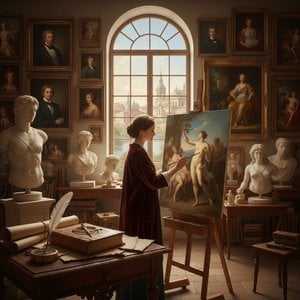
Academic Realism: Technique, History & Enduring Influence on Art
Explore the captivating world of Academic Realism! Discover key artists, techniques & its lasting impact on art history. Expert insights & high-quality reproductions at ArtsDot.

The Poetic Truth of Observation: Exploring 19th-Century Realism in Painting
Explore the captivating world of 19th-century Realism! Discover key artists like Courbet & Millet, masterpieces, and the powerful social commentary behind this influential art movement. Expert insights at ArtsDot.

Romantic Realism's Finest: 10 Masterpieces for Your Home | ArtsDot
Explore 10 defining masterpieces of Romantic Realism! Discover Courbet, Millet & Daumier's powerful paintings—capturing emotion and social realities. Find museum-quality reproductions for your home at ArtsDot.com.

Academic Realism's Finest: 10 Masterpieces for Art Lovers & Home Decor
Explore 10 defining Academic Realism masterpieces by Bouguereau, Gérôme & Cabanel. Discover the stories behind these iconic paintings and bring timeless art into your home with museum-quality reproductions from ArtsDot.com. Explore the full collection online!

Academic Art: Tradition, Technique & the Pursuit of Ideal Form in the 19th Century
Explore the world of Academic Art! Discover its history, key artists like Ingres & Bouguereau, defining techniques, and lasting influence on 19th-century painting. Learn about the Salon system and its legacy.