


 معاينة الحجم الحقيقي
 مشاركة
 مشاركة
 التفاصيل
 الدليل

 تحميل الملف
 قطع مشابهة
 الأشعة السينية
 عرض شرائح
 الإحصائيات
Still Life with Grapes
 Oil On Canvas
- WallArt
- Synthetic Cubism
 1914
1914 81.0 x 60.0 cm
 Staatliche Kunsthalle Karlsruhe
 عرض المزيد
طباعة جيلي / مطبوعات فنية
طباعة جيكلي أو كانفاس بجودة المتاحف، مع سرعة في التنفيذ وخيارات متنوعة للتشطيب. ( اشترِ لوحة مرسومة يدويًا الانتقال إلى الصورة الرقمية)




P118B $10

P118H $10

P118W $10

P438Z $10

P508JH $12

P508YH $12

P805H $10

P805Z $10

P919BZ $10

P919G $10

P919XJ $10

P959ZH $10

P968JZ $12

W106C $8

W218G $10

W218JH $8

W218Y $10

W307PJ $10

W316G $10

W316PJ $8

W316Y $10

W398PJ $8

W4111J $10

W500HY $15

W500JH $15

W692G $12

W849H $8

W940BG $15

W953PJ $8




اختر من بين أحجامنا المُعدّة مسبقًا والتي تتطابق مع النسب الأصلية للعمل الفني.

يمكنك إدخال أبعادك الخاصة لتناسب إطاراً أو مساحة معينة. وإذا لم يتطابق الحجم الذي اخترته مع نسب الصورة الأصلية، فسنقوم إما بقص العمل الفني أو تمديد الصورة باستخدام حافة معكوسة أو بلون مصمت. سيتم إرسال نموذج تجريبي رقمي لاعتمادك قبل بدء الإنتاج.
يرجى ملاحظة أن المعاينة على الشاشة لا تعكس عملية القص أو التمديد الفعلية؛ حيث سيوضح النموذج التجريبي فقط التكوين النهائي بدقة.
وعلى الرغم من توفر أحجام مخصصة، إلا أننا نوصي باختيار أبعاد من القائمة المحددة مسبقاً للحفاظ على النسب الأصلية.
توصيل عالمي إلى خلال أسبوعين بدلاً من المدة القياسية البالغة 4/5 أسابيع. 24 سبتمبر

شحن سريع ومجاني لجميع أنحاء العالم

قماش كتان عالي الجودة

تأمين شحن شامل

ضمان استرداد الرسوم الجمركية

ضمان مطابقة الألوان الحقيقية

سياسة الإرجاع خلال 100 يوم (في حالات العيوب فقط)

ضمان استرداد نقدي بنسبة 100%

خصم عند طلب عدة قطع
 خيار الزجاج متاح فقط للمقاسات التي تقل عن 110 سم

Still Life with Grapes
طباعة جيلي / مطبوعات فنية
مقاس النسخة المطبوعة
-


السعر الإجمالي النهائي
$ 62
Juan Gris’s “Still Life with Grapes” – A Symphony of Cubist Geometry
Juan Gris's "Still Life with Grapes," painted in 1914, isn’t merely a depiction of fruit and bottles; it’s a meticulously constructed exploration of form, space, and the burgeoning possibilities of early 20th-century art. Born José Victoriano González-Pérez in Madrid, Gris embarked on an artistic journey that would ultimately position him as a pivotal figure within Cubism, alongside Picasso and Braque. This particular work exemplifies his unique approach – a synthesis of analytical and synthetic elements, resulting in a dynamic composition brimming with intellectual rigor and visual delight.
The painting immediately captivates with its fractured geometry. The bottles, rendered in sharp angles and overlapping planes, aren’t presented as solid objects but rather as fragmented volumes, simultaneously present and absent. This is characteristic of Gris's embrace of Cubism, a movement he helped define alongside his colleagues. Unlike the purely analytical approach of Picasso and Braque, which sought to deconstruct objects into their basic geometric components, Gris introduced elements of “synthetic” Cubism – incorporating collage-like elements like newspaper fragments and textured surfaces directly onto the canvas. The subtle hints of these materials, barely perceptible beneath the paint, add a layer of tactile complexity to the scene.
A Palette of Precision and Emotion
Gris’s color palette is remarkably restrained yet profoundly effective. He primarily employs muted blues, greens, ochres, and browns – colors that evoke the atmosphere of a late afternoon indoors. However, these somber tones are punctuated by flashes of vibrant red and yellow within the grapes themselves, drawing the eye and injecting a vital energy into the composition. This careful orchestration of color isn’t simply decorative; it serves to heighten the sense of spatial depth and create a subtle tension between solidity and transparency.
The artist's meticulous attention to detail is evident in every brushstroke. The grapes, rendered with an almost photographic precision, appear plump and luscious, while the bottles are depicted with a cool detachment that belies their importance within the overall arrangement. This combination of realism and abstraction reflects Gris’s desire to capture not just the appearance of objects but also their underlying structure and essence.
Historical Context: The Dawn of Modernism
"Still Life with Grapes" was created during a period of immense artistic ferment – the early years of the 20th century, a time when traditional artistic conventions were being challenged and redefined. Cubism, born out of the collaboration between Picasso, Braque, and Gris, represented a radical departure from the representational art that had dominated Western painting for centuries. It sought to depict objects from multiple viewpoints simultaneously, challenging the viewer’s perception of reality and paving the way for abstract art.
Painted in 1914, just as Europe was teetering on the brink of World War I, the work carries a subtle undercurrent of anxiety. The fragmented forms and muted colors evoke a sense of instability and uncertainty – mirroring the turbulent times in which it was created. However, amidst this tension, there’s also a remarkable sense of order and control, reflecting Gris's belief that art could provide a means of understanding and navigating the complexities of modern life.
Symbolism and Interpretation
While seemingly straightforward, “Still Life with Grapes” is rich in symbolic potential. The grapes themselves have long been associated with abundance, fertility, and even mortality – their fleeting beauty serving as a reminder of the transience of life. The bottles, often symbols of luxury and indulgence, could represent the excesses of bourgeois society or the ephemeral pleasures of modern life. The arrangement itself—a carefully constructed tableau—suggests a meditation on form, space, and the relationship between the artist and his subject.
Gris’s “Still Life with Grapes” is more than just a pretty picture; it's a profound statement about the nature of perception, the challenges of modernism, and the enduring power of art to both reflect and shape our understanding of the world. It remains a captivating work that continues to inspire and intrigue viewers today.
أعمال فنية ذات صلة


السيرة الذاتية للفنان
نشأة خوان جريس وتكوينه الفني
ولد خوسيه فيكتورiano غونزاليس-بيريز في مدريد عام 1887، ليمضي مسيرةً تجعله من أبرز شخصيات فن القرن العشرين. لم يكن طريقه الأوليّ مُوَجَّهًا نحو القماش والفرشاة بشكل مباشر؛ فقد درس الهندسة في مدرسة الفنون والعلوم، مما يدل على عقل تحليلي سيؤثر بعمق في منهجه الفني لاحقًا. حتى خلال هذه السنوات التكوينية، برزت شرارة إبداعية – مساهمته برسوماته في الدوريات المحلية أشارت إلى موهبة بصرية نامية. وفي عام 1905 تبنى الاسم المستعار خوان جريس، وهو اسم يتردد صداه مع شعور جديد بالهوية والهدف عندما بدأ دراسات رسمية تحت إشراف خوسيه مورينو كاربونيرو. كانت هذه نقطة تحول محورية، وضعته على طريق الابتكار الفني.الصحوة الباريسية واحتضان التكعيبية
شهد عام 1906 انتقالًا جذريًا إلى باريس، وهي مدينة كانت تعج بالطاقة الفنية. انغمس جريس في هذا الجو النابض بالحياة، وصادق شخصيات لامعة مثل هنري ماتيس وجورج براك وفيرناند ليجر. بدأ في البداية في الرسوم التوضيحية الساخرة للمنشورات مثل *L'Assiette au Beurre*، وصقل مهاراته في الملاحظة وطوّر إحساسًا حادًا بالفكاهة البصرية. ومع ذلك، كان جاذبية بابلو بيكاسو مؤثرة بشكل خاص. حوالي عام 1910، بدأ جريس في تكريس نفسه بجدية للرسم، مبتعدًا عن المحاكاة الساخرة نحو لغة التكعيبية الناشئة. لم يكن هذا مجرد تقليد؛ فقد انطلق في مهمة لتقطير جوهر الشكل والفضاء، باحثًا عن نظام بصري جديد. تميزت استكشافاته المبكرة بمغادرة متعمدة للتمثيل التقليدي، واحتضان التجريد كوسيلة لالتقاط البنية الكامنة للواقع.هندسة الإدراك: الأسلوب والأعمال الرئيسية
يتميز إنتاج خوان جريس الفني بوضوح استثنائي ودقة فكرية. لم يكتفِ بتفكيك الأشياء؛ بل أعاد بنائها بدقة متناهية، مع التركيز على الأشكال الهندسية ولوحة ألوان مدروسة بعناية. أدى هذا النهج إلى ما أصبح يُعرف بـ "الفترة البلورية"، والتي تجسدت في روائع مثل *Still Life Before an Open Window* و *Place Ravignan* (1915). تعرض هذه الأعمال تفاعلًا رائعًا بين المستويات والزوايا، مما يخلق إحساسًا بالعمق والثبات مع تحدي المفاهيم التقليدية للمنظور في الوقت نفسه. بعد عام 1913، تبنى جريس بكل حماس التكعيبية التركيبية، ورائد استخدام *papier collé* – الكولاج – ودمج مواد واقعية مثل قصاصات الصحف والأوراق ذات الملمس في تكوينه. أضافت هذه التقنية طبقة أخرى من التعقيد ولمسة إلى عمله، مما ضباب الحدود بين الرسم والنحت. ومن الأمثلة البارزة *Guitar in front of the sea* (1925)، وهو شهادة على أشكاله المبسطة والالتزام بمبادئ التكعيبية، و *Homage à Pablo Picasso* (1912)، الذي أشار إلى اعترافه المتزايد في عالم الفن الطليعي.الإرث والتأثير الدائم
يمتد مساهمة خوان جريس في التكعيبية إلى ما هو أبعد من الابتكار الأسلوبي؛ فقد جلب عمقًا فكريًا فريدًا ووضوحًا هيكليًا للحركة. انتقل من المرحلة التحليلية نحو نهج أكثر تنظيمًا وتجميعيًا، مع التركيز على النظام والدقة. كان لعمله تأثير عميق على أسلوب البوريزم الذي دافع عنه أميدي أوزنفانت وتشارلز إدوارد جينيريت (لو كوربوزييه)، ويدعو إلى العودة إلى المبادئ الكلاسيكية للشكل والتكوين. رسخ تركيز جريس على الأشكال الهندسية ولوحات الألوان المتناغمة ودمج الأشياء اليومية في فنه مكانته كشخصية محورية في فن القرن العشرين. لا يزال إرثه يلهم الفنانين حتى يومنا هذا، مما يدل على القوة الدائمة للتكعيبية وبراعة خوان جريس البصرية – سيد إسباني أعاد تشكيل فهمنا للإدراك والتمثيل.
خوان غريس
1887 - 1927 , إسبانيا
حقائق سريعة
- أعمال بارزة:
- غيتار أمام البحر
- تحية لبابلو بيكاسو
- الطحان
- الاسم الكامل: خوسيه فيكتورiano غونزاليس-بيريز
- الجنسية: إسباني
- الحركة الفنية: التكعيبية
- تاريخ الميلاد: 23 مارس 1887
- تاريخ الوفاة: 11 مايو 1927
- حركات فنية متأثرة:
- التجريدية
- أمديه أوزنفان
- فنانون مؤثرون:
- بابلو بيكاسو
- هنري ماتيس
- جورج براك
- مكان الميلاد: مدريد، إسبانيا
مقالات ذات صلة

Deconstructing Reality: A Comprehensive Exploration of Synthetic Cubism's Evolution & Impact
Explore the revolutionary world of Synthetic Cubism! Discover its origins, key artists like Picasso & Braque, techniques, and lasting impact on modern art. A comprehensive guide for enthusiasts.
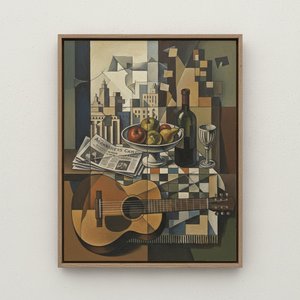
Juan Gris: Cubist Deconstruction & Synthesis – A Comprehensive Exploration
Explore the revolutionary art of Juan Gris – a master of Cubism. Discover his unique approach to deconstruction, vibrant Synthetic Cubist works, and lasting influence on modern art. Expert analysis for collectors.
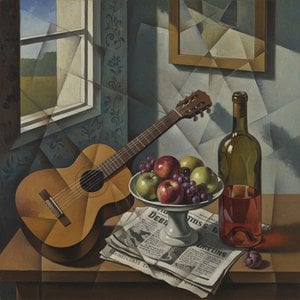
Deconstructing Reality: A Comprehensive Exploration of Cubist Still Life
Explore the revolutionary world of Cubist Still Life with ArtsDot. Discover Picasso & Braque's groundbreaking techniques, its philosophical roots, and lasting impact on modern art. Expert insights for collectors.

Deconstructing Identity: A Comprehensive Exploration of Cubist Portraiture
Explore the revolutionary world of Cubist portraiture with our comprehensive guide. Discover Picasso, Braque, Gris & the movement's impact on modern art. Expert analysis for collectors and enthusiasts.

Deconstructing Reality: Cubism's Revolutionary Impact on 20th-Century Art
Explore the revolutionary world of Cubism with ArtsDot. Discover Picasso & Braque's groundbreaking techniques, its philosophical roots, and lasting impact on modern art. Expert insights for collectors.


