

 معاينة الحجم الواقعي
 مشاركة
 مشاركة
 التفاصيل
 دليل
دليل

 تحميل الملف
 قطع مشابهة
 الأشعة السينية
 عرض شرائح
 الأسئلة والأجوبة
 الإحصائيات
Grapes

- 47.0 x 55.0 cm


 عرض المزيد
طباعة جيلي / مطبوعات فنية
طباعة جيكلي أو كانفاس بجودة المتاحف، مع سرعة في التنفيذ وخيارات متنوعة للتشطيب. ( شراء لوحة مرسومة يدويًا الانتقال إلى الصورة الرقمية)




P118B E£10

P118H E£10

P118W E£10

P438Z E£10

P508JH E£12

P508YH E£12

P805H E£10

P805Z E£10

P919BZ E£10

P919G E£10

P919XJ E£10

P959ZH E£10

P968JZ E£12

W106C E£8

W218G E£10

W218JH E£8

W218Y E£10

W307PJ E£10

W316G E£10

W316PJ E£8

W316Y E£10

W398PJ E£8

W4111J E£10

W500HY E£15

W500JH E£15

W692G E£12

W849H E£8

W940BG E£15

W953PJ E£8




اختر من بين أحجامنا المُعدّة مسبقاً والتي تتوافق مع النسب الأصلية للعمل الفني.

أدخل العرض والارتفاع المطلوبين ليتناسب المقاس مع إطارك أو جدارك. يرجى الملاحظة أن المطبوعة يمكن قصها فقط ولا يمكن تكبيرها لتتجاوز أبعاد الصورة الأصلية، لذا فإن اختيار مقاس بأبعاد مختلفة سيؤدي إلى فقدان جزء من الصورة. سنرسل لك نموذجاً رقمياً تجريبياً لاعتماده قبل البدء في عملية الطباعة. الصورة المعروضة في هذه الصفحة لا توضح شكل القص الفعلي — النموذج التجريبي فقط هو ما يظهر ذلك بدقة.
توصيل عالمي إلى خلال أسبوعين بدلاً من المدة القياسية البالغة 4/5 أسابيع. (8 نوفمبر)

شحن سريع ومجاني لجميع أنحاء العالم

قماش كتان عالي الجودة

تأمين شامل على الشحن

ضمان استرداد الرسوم الجمركية

ضمان مطابقة الألوان الحقيقية

سياسة الإرجاع خلال 100 يوم (في حالات العيوب فقط)

ضمان استرداد نقدي بنسبة 100%

خصم عند طلب كميات
 خيار الزجاج متاح فقط للمقاسات التي تقل عن 110 سم

Grapes
طباعة جيلي / مطبوعات فنية
مقاس النسخة المطبوعة
-


إجمالي السعر النهائي
E£ 3300
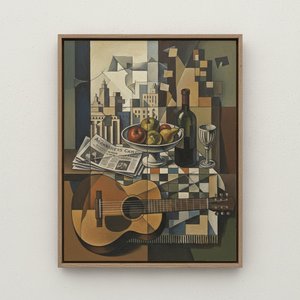
Juan Gris’s “Grapes”: A Symphony of Geometric Light
“Grapes,” painted in 1916 by Juan Gris, isn't merely a still life; it’s a meticulously constructed exploration of form, color, and the very nature of perception. Emerging from the heart of early Cubism, this work represents a pivotal moment in Gris’s artistic evolution, showcasing his burgeoning mastery of geometric abstraction while retaining a profound sensitivity to light and texture. The painting depicts a simple arrangement – a bowl overflowing with plump grapes, a newspaper partially obscured by a hand, and a glass reflecting the scene—yet within this apparent simplicity lies a complex interplay of visual elements that demand careful observation.
Gris’s approach during this period leaned heavily into Synthetic Cubism, a style characterized by its incorporation of collage elements – in this case, fragments of newspaper – alongside meticulously rendered geometric shapes. Unlike the Analytical Cubism of Picasso and Braque, which sought to dissect objects into their constituent parts, Gris employed a more integrated approach, building his compositions from interlocking planes and facets. The newspaper, strategically placed, isn’t merely an added element; it actively disrupts the traditional representation of space, introducing a sense of dynamism and fragmentation that mirrors the artist's own evolving worldview.
The Language of Light and Color
The color palette of “Grapes” is remarkably restrained yet profoundly evocative. Gris utilizes muted tones – ochres, browns, and deep blues – to create a sense of quiet intimacy. However, these seemingly simple colors are carefully modulated, layered upon one another to generate subtle shifts in value and hue. The reflective surface of the glass introduces a crucial element: light itself becomes a subject of the painting. Gris masterfully captures the way light bounces off the grapes, the newspaper, and the bowl, creating an illusion of depth and volume that defies traditional perspective. Notice how the shadows are not dark voids but rather areas of subtle color variation, contributing to the overall sense of luminosity.
Gris’s technique is characterized by a remarkable precision and control. He employs a pointillist approach – using small, distinct dots of color – to build up surfaces with incredible texture and vibrancy. This method allows him to capture the subtle nuances of light and shadow with astonishing accuracy. The meticulous application of paint creates a shimmering effect, as if the grapes themselves are radiating warmth and vitality.
A Reflection of Modernity
“Grapes” was created during a period of immense social and artistic upheaval in Europe. The rise of industrialization, urbanization, and technological advancements were fundamentally altering people’s perceptions of reality. Cubism, with its fragmented forms and rejection of traditional representation, reflected this sense of disorientation and uncertainty. Gris's work can be interpreted as an attempt to grapple with these changes, offering a new way of seeing the world—one that is both intellectually stimulating and emotionally resonant.
The inclusion of the newspaper – a ubiquitous symbol of modern life – further underscores this theme. It suggests a blurring of boundaries between art and everyday experience, inviting the viewer to consider the role of media in shaping our understanding of reality. The painting’s quiet intimacy contrasts sharply with the frenetic pace of urban life, offering a moment of contemplative stillness.
Capturing the Essence: A High-Quality Reproduction
Owning a reproduction of “Grapes” is more than simply acquiring a beautiful image; it's an opportunity to bring a piece of art history into your home. TOPofART’s hand-painted reproductions meticulously recreate Gris’s original techniques, capturing the subtle nuances of color, texture, and light with unparalleled fidelity. Each reproduction is created by experienced European artists trained in academic painting methods, ensuring that every detail—from the delicate brushstrokes to the shimmering reflections—is faithfully reproduced. The canvas is stretched on a high-quality linen surface, providing a timeless and elegant presentation.
Consider this artwork not just as decoration, but as a window into the mind of a visionary artist – a testament to the power of geometric abstraction and the enduring beauty of light and color.
الأسئلة والأجوبة
هل ألوان "Grapes" زاهية أم خافتة؟
تتميز لوحة "Grapes" للفنان خوان غريس بدرجة تشبع تبلغ Subtle Color وكثافة لونية تصل إلى Monochromatic.
ما هو المكان والاستخدام الموصى به لـ "Grapes"؟
يُنصح باستخدام (Statement) وتخصيص مساحة (Living Room) لـ "Grapes" للفنان خوان غريس.
ما الشعور الذي يثيره "Grapes" للفنان خوان غريس؟
في "Grapes"، ترافقه أجواء Calm مع إحساس Reflective.
أعمال فنية ذات صلة


السيرة الذاتية للفنان
نشأة خوان جريس وتكوينه الفني
ولد خوسيه فيكتورiano غونزاليس-بيريز في مدريد عام 1887، ليمضي مسيرةً تجعله من أبرز شخصيات فن القرن العشرين. لم يكن طريقه الأوليّ مُوَجَّهًا نحو القماش والفرشاة بشكل مباشر؛ فقد درس الهندسة في مدرسة الفنون والعلوم، مما يدل على عقل تحليلي سيؤثر بعمق في منهجه الفني لاحقًا. حتى خلال هذه السنوات التكوينية، برزت شرارة إبداعية – مساهمته برسوماته في الدوريات المحلية أشارت إلى موهبة بصرية نامية. وفي عام 1905 تبنى الاسم المستعار خوان جريس، وهو اسم يتردد صداه مع شعور جديد بالهوية والهدف عندما بدأ دراسات رسمية تحت إشراف خوسيه مورينو كاربونيرو. كانت هذه نقطة تحول محورية، وضعته على طريق الابتكار الفني.الصحوة الباريسية واحتضان التكعيبية
شهد عام 1906 انتقالًا جذريًا إلى باريس، وهي مدينة كانت تعج بالطاقة الفنية. انغمس جريس في هذا الجو النابض بالحياة، وصادق شخصيات لامعة مثل هنري ماتيس وجورج براك وفيرناند ليجر. بدأ في البداية في الرسوم التوضيحية الساخرة للمنشورات مثل *L'Assiette au Beurre*، وصقل مهاراته في الملاحظة وطوّر إحساسًا حادًا بالفكاهة البصرية. ومع ذلك، كان جاذبية بابلو بيكاسو مؤثرة بشكل خاص. حوالي عام 1910، بدأ جريس في تكريس نفسه بجدية للرسم، مبتعدًا عن المحاكاة الساخرة نحو لغة التكعيبية الناشئة. لم يكن هذا مجرد تقليد؛ فقد انطلق في مهمة لتقطير جوهر الشكل والفضاء، باحثًا عن نظام بصري جديد. تميزت استكشافاته المبكرة بمغادرة متعمدة للتمثيل التقليدي، واحتضان التجريد كوسيلة لالتقاط البنية الكامنة للواقع.هندسة الإدراك: الأسلوب والأعمال الرئيسية
يتميز إنتاج خوان جريس الفني بوضوح استثنائي ودقة فكرية. لم يكتفِ بتفكيك الأشياء؛ بل أعاد بنائها بدقة متناهية، مع التركيز على الأشكال الهندسية ولوحة ألوان مدروسة بعناية. أدى هذا النهج إلى ما أصبح يُعرف بـ "الفترة البلورية"، والتي تجسدت في روائع مثل *Still Life Before an Open Window* و *Place Ravignan* (1915). تعرض هذه الأعمال تفاعلًا رائعًا بين المستويات والزوايا، مما يخلق إحساسًا بالعمق والثبات مع تحدي المفاهيم التقليدية للمنظور في الوقت نفسه. بعد عام 1913، تبنى جريس بكل حماس التكعيبية التركيبية، ورائد استخدام *papier collé* – الكولاج – ودمج مواد واقعية مثل قصاصات الصحف والأوراق ذات الملمس في تكوينه. أضافت هذه التقنية طبقة أخرى من التعقيد ولمسة إلى عمله، مما ضباب الحدود بين الرسم والنحت. ومن الأمثلة البارزة *Guitar in front of the sea* (1925)، وهو شهادة على أشكاله المبسطة والالتزام بمبادئ التكعيبية، و *Homage à Pablo Picasso* (1912)، الذي أشار إلى اعترافه المتزايد في عالم الفن الطليعي.الإرث والتأثير الدائم
يمتد مساهمة خوان جريس في التكعيبية إلى ما هو أبعد من الابتكار الأسلوبي؛ فقد جلب عمقًا فكريًا فريدًا ووضوحًا هيكليًا للحركة. انتقل من المرحلة التحليلية نحو نهج أكثر تنظيمًا وتجميعيًا، مع التركيز على النظام والدقة. كان لعمله تأثير عميق على أسلوب البوريزم الذي دافع عنه أميدي أوزنفانت وتشارلز إدوارد جينيريت (لو كوربوزييه)، ويدعو إلى العودة إلى المبادئ الكلاسيكية للشكل والتكوين. رسخ تركيز جريس على الأشكال الهندسية ولوحات الألوان المتناغمة ودمج الأشياء اليومية في فنه مكانته كشخصية محورية في فن القرن العشرين. لا يزال إرثه يلهم الفنانين حتى يومنا هذا، مما يدل على القوة الدائمة للتكعيبية وبراعة خوان جريس البصرية – سيد إسباني أعاد تشكيل فهمنا للإدراك والتمثيل.
خوان غريس
1887 - 1927 , إسبانيا
حقائق سريعة
- أعمال بارزة:
- غيتار أمام البحر
- تحية لبابلو بيكاسو
- الطحان
- الاسم الكامل: خوسيه فيكتورiano غونزاليس-بيريز
- الجنسية: إسباني
- الحركة الفنية: التكعيبية
- تاريخ الميلاد: 23 مارس 1887
- تاريخ الوفاة: 11 مايو 1927
- حركات فنية متأثرة:
- التجريدية
- أمديه أوزنفان
- فنانون مؤثرون:
- بابلو بيكاسو
- هنري ماتيس
- جورج براك
- مكان الميلاد: مدريد، إسبانيا
مقالات ذات صلة

أعمال بول سيزان الخالدة: 25 تحفة فنية تزين منزلك بجمال الألوان والضوء
اكتشف 25 تحفة فنية لبول سيزان، رائد الانطباعية وما بعد الانطباعية. استكشف قصص لوحاته الزيتية الشهيرة وألوانه الجريئة وتقنياته الفريدة. احصل على إلهام لديكور منزلك الفاخر مع ArtsDot.com.

Deconstructing Reality: Cubism's Revolutionary Impact on 20th-Century Art
Explore the revolutionary world of Cubism with ArtsDot. Discover Picasso & Braque's groundbreaking techniques, its philosophical roots, and lasting impact on modern art. Expert insights for collectors.

أعمال جورج براك الخالدة: 25 تحفة فنية تزين منزلك بلمسة فنية راقية
اكتشف 25 تحفة فنية لجورج براك، رائد الت تكعيبية. تعرف على قصص لوحاته الخالدة وألوانها الفريدة. طباعة لوحات أصلية عالية الجودة لديكور منزلي فاخر. استكشف المجموعة الكاملة الآن على ArtsDot.com!

Deconstructing Identity: A Comprehensive Exploration of Cubist Portraiture
Explore the revolutionary world of Cubist portraiture with our comprehensive guide. Discover Picasso, Braque, Gris & the movement's impact on modern art. Expert analysis for collectors and enthusiasts.
Juan Gris: Cubist Deconstruction & Synthesis – A Comprehensive Exploration
Explore the revolutionary art of Juan Gris – a master of Cubism. Discover his unique approach to deconstruction, vibrant Synthetic Cubist works, and lasting influence on modern art. Expert analysis for collectors.


