


The picture follows your choices: , .
وصف المقتنيات
Admire Josse de Corte’s neoclassical marble bust of Medusa – a stunning example of Baroque sculpture. Explore intricate detail & timeless beauty in this captivating artwork.
نبذة عن الفنان
Discover Josse de Corte (1627-1679), a Flemish Baroque sculptor renowned for dramatic religious scenes & intricate marble carvings like the Altar of the Crucifixion.
 اقرأ المزيد
نسخة زيتية مصنوعة يدوياً
لوحة زيتية مرسومة يدوياً على الكانفاس بالمقاس والإطار الذي تفضله، تُنفذ حسب الطلب على أيدي فنانينا. ( التبديل إلى المطبوعات التحويل إلى الصورة الرقمية)
More about this painting
 معاينة الحجم الواقعي
 إرسال
إرسال مشاركة
 عرض التفاصيل
 دليل الأعمال الفنية للطلاب

 تحميل
تحميل
 قطع مشابهة
 الأشعة السينية
 عرض شرائح متتابع
 Q&A
Q&A الإحصائيات
Order your painting in four simple steps
Take your time. You can change any answer; the price in your order card follows each choice.
1 Step one of four
Which size would you like?
These sizes keep the proportions of the original painting. The drawing shows your choice on a wall, above a two-metre sofa.
Or give your own measurements
اختر من بين أحجامنا المُعدّة مسبقاً والتي تتوافق مع النسب الأصلية للعمل الفني.

أدخل العرض والارتفاع اللذين تحتاجهما، ليتناسب العمل مع إطارك أو جدارك. وبما أن هذه اللوحة مرسومة يدوياً، ففي حال اختيار مقاس بشكل مختلف، يمكن للفنان رسم مساحة إضافية حول الصورة أو تقليصها قليلاً — الخيار لك. سنرسل لك نموذجاً رقمياً تجريبياً لاعتماده قبل البدء في الرسم. علماً بأن الصورة المعروضة في هذه الصفحة لا تعكس النتيجة النهائية الحقيقية — فالنموذج التجريبي هو الوحيد الذي يوضح ذلك بدقة.
2 Step two of four
How should it be prepared: rolled, stretched or framed?
The prices below are for the size you chose in step one.
Choose the edges of the stretched canvas
Choose your frame

White E£1

Blurside E£1

Extended E£1

P118B E£10

P118H E£10

P118W E£10

P438Z E£10

P508JH E£12

P508YH E£12

P805H E£10

P805Z E£10

P919BZ E£10

P919G E£10

P919XJ E£10

P959ZH E£10

P968JZ E£12

W106C E£8

W218G E£10

W218JH E£8

W218Y E£10

W307PJ E£10

W316G E£10

W316PJ E£8

W316Y E£10

W398PJ E£8

W4111J E£10

W500HY E£15

W500JH E£15

W692G E£12

W849H E£8

W940BG E£15

W953PJ E£8

H24-GOLD E£30

H24-SILVER E£30

H36-GOLD E£45

H36-SILVER E£45
مؤطر
Moulding: . Overall size with the frame: .
3 Step three of four
Would you like anything changed in the painting?
Most people answer no. Because each painting is made by hand, our artist can also adapt it for you.
After order, ArtsDot.com team will email client for instructions and provide a mockup preview
4 Step four of four
A few finishing options
All of them are optional. The answers already selected cost nothing extra.
Who paints it?
توصيل عالمي إلى خلال 3 إلى 4 أسابيع بدلاً من المدة المعتادة البالغة 5 أسابيع. (2 نوفمبر). جودة لا تهاون فيها.
A nameplate, as in a museum?
تفاصيل اللوحة البرونزية المحفورة
This elegant plaque features the artist's name and the title of the artwork, finely engraved for a timeless presentation.
It is made from bronze with a refined, elegant finish. The text is precisely laser-engraved for a sharp and permanent result. Measuring 9x2 cm, the plaque is compact yet easy to read. It's built to be durable and scratch-resistant, offering a professional, museum-quality look. Mounting is simple thanks to the included adhesive backing.
تفاصيل اللوحة الأكريليكية الشفافة
The plaque includes essential engraved details such as the artist's name, the title of the artwork, the date it was created, the type of media used-like oil on canvas or watercolor-a brief description of the piece, and a QR code that links to the complete artwork information.
It is crafted from clear acrylic, offering a sleek, modern appearance. The text is UV-engraved in black to ensure strong visual contrast. With a size of 10x15 cm, it ensures optimal readability. It comes equipped with two metal hooks for secure wall mounting. The plaque is designed to be weather-resistant, making it suitable for various environments, and it includes interactive features that work seamlessly with smartphone scanning.
تفاصيل اللوحة الأكريليكية السوداء
This elegant plaque includes engraved information such as the artist's name, the title of the artwork, the date it was created, the type of media used (like oil on canvas or watercolor), a short description of the artwork, and a QR code for quick access to more information.
The plaque itself is made from refined black acrylic with a premium finish. The text is laser-engraved in white for high contrast and readability. Its size is 10x15 cm, designed to be easy to read. It comes with two metal hooks for professional mounting. The design is sleek and fits any interior style. It is also weather-resistant and durable, with built-in digital integration for mobile compatibility.
A protective varnish?
When do you need it?
✓ Check and order
Your painting, as you ordered it

Envy
وسيط إعادة الإنتاج
مقاس النسخة المطبوعة
-

نخبة كبار الفنانين
دقة أكبر، ولمسات فنية أمتن، ووقت إضافي للإنتاج
-

إطار النسخة المطبوعة
-
-
بالنسبة للأعمال الفنية أو النسخ المطبوعة التي يتجاوز طول أي من أضلاعها 105 سم (حوالي 41 بوصة)، سيتم شحن الإطار كمجموعة مفككة. تضمن هذه الطريقة سلامة التوصيل وتمنع حدوث أي أضرار أثناء النقل.
يتطلب الأمر تجميعاً احترافياً - هذا المنتج ليس مخصصاً للتركيب الذاتي.
يجب تجميع المجموعة وشد القماش بواسطة فني إطارات محترف وخبير، باستخدام غراء الخشب (غير مرفق)، وكماشة شد القماش، وملاقط لتثبيت القضبان بشكل مستوٍ أثناء جفاف الغراء. إن التجميع غير الصحيح أو عدم توازن شد القماش قد يؤدي إلى تلف العمل الفني بشكل دائم، وهو أمر لا يغطيه الضمان الخاص بنا.
 بالنسبة للأعمال الفنية أو النسخ المطبوعة التي يتجاوز طول أي من أضلاعها 105 سم (حوالي 41 بوصة)، سيتم شحن الإطار كمجموعة مفككة. تضمن هذه الطريقة سلامة التوصيل وتمنع حدوث أي أضرار أثناء النقل.
تتضمن المجموعة جميع القطع الخشبية الصلبة، والمقطعة بدقة لتناسب المقاسات المطلوبة.
يتم التجميع باستخدام البراغي المرفقة، بالإضافة إلى غراء الخشب للوصلات الزاوية، وهو غير مرفق ويجب توفيره من قبل فني التأطير الخاص بك.
تتطلب العملية استخدام أدوات احترافية غير مدرجة في المجموعة: مثل زرادية شد القماش (أداة شد) وملاقط لتثبيت القضبان بشكل مستوٍ أثناء جفاف الغراء.
تنبيه هام:
تتطلب الوصلات الزاوية استخدام غراء الخشب، كما يجب تثبيت القضبان باستخدام المشابك حتى يجف الغراء تماماً، ويتطلب شد القماش على الإطار المجمع استخدام كماشة شد القماش. لا تشتمل المجموعة على أي من هذه الأدوات؛ لذا يرجى التواصل مع فني تأطير محترف قبل طلب هذا المقاس.

لوحة التعريف
-
-

ورنيش حماية
ورنيش لامع (يُبرز الألوان ويحمي من الضوء والرطوبة)
-

تخصيص عملي الفني
أمثلة على التعديلات المتاحة: استبدال الوجه بصورة العميل؛ إضافة حيوان أليف (مثل استبدال قطة بكلب)؛ إدراج رسالة مخفية في الخلفية؛ تغيير المناظر الطبيعية أو العناصر في الخلفية.
-

عاجل
توصيل عالمي إلى خلال 3-4 أسابيع بدلاً من المدة المعتادة البالغة 5 أسابيع. (2 نوفمبر). جودة لا تضاهى.
-
شحن سريع ومميز
توصيل عالمي إلى خلال 5 أسابيع. (9 نوفمبر).
مُضمَّن
إجمالي السعر
E£ 13736
خيار الزجاج متاح فقط للمقاسات التي تقل عن 110 سم
Included with every order
- شحن سريع ومجاني لجميع أنحاء العالم
- قماش كتان فاخر
- تأمين شامل على الشحن
- ضمان استرداد الرسوم الجمركية
- ضمان دقة مطابقة الألوان
- سياسة الإرجاع خلال 100 يوم (في حالات العيوب فقط)
- ضمان استرداد نقدي بنسبة 100%
- عرض خصم الكميات


أعمال فنية مشابهة


Josse De Corte
1627 - 1679, Belgium
نبذة عن الفنان
Josse de Corte: A Master of Baroque Drama
Josse de Corte (1627-1679) stands as a pivotal figure in the vibrant artistic landscape of 17th-century Flanders, a period defined by dramatic religious fervor and burgeoning classical influences. Born in Ypres, a strategically important city at the heart of the Spanish Netherlands, his early life remains somewhat shrouded in mystery, though it’s believed he received foundational training in Rome under the tutelage of François Duquesnoy, a renowned sculptor known for his elegant and refined style. This Roman education proved crucial, laying the groundwork for de Corte's own distinctive approach – one that skillfully blended the dynamism of Baroque aesthetics with a growing appreciation for classical forms.
De Corte’s career truly blossomed in Venice, a city then at the epicenter of European art and commerce. He arrived around 1657 and quickly established himself as a sought-after sculptor, commanding commissions from wealthy patrons and religious institutions throughout the Venetian Republic. This move marked a significant shift; Venice offered a radically different artistic environment than his native Flanders – one characterized by intense competition, a diverse range of influences (including Italian Mannerism and Caravaggismo), and a thriving market for sculpture intended to adorn lavish churches and palazzi.
The Sculptor’s Palette: Technique and Style
De Corte's sculptures are immediately recognizable for their dramatic intensity and meticulous detail. He possessed an extraordinary ability to convey emotion through gesture, expression, and the manipulation of light and shadow. Unlike some of his contemporaries who favored a more restrained approach, de Corte embraced theatricality, often depicting scenes of religious ecstasy or profound suffering with startling realism. His works are characterized by a powerful sense of movement – figures seem poised on the brink of action, caught in moments of intense spiritual experience.
His mastery of marble carving was particularly noteworthy. He worked primarily with white marble, skillfully exploiting its inherent luminosity and translucence to create surfaces that shimmered with an almost ethereal quality. He employed a technique known as *schiacciato*, or “flattening,” which involved subtly manipulating the surface of the stone to create the illusion of depth and volume. This technique, combined with his precise modeling skills, allowed him to achieve remarkable anatomical accuracy while maintaining a sense of dynamism and movement.
Key Works: A Testament to His Vision
Among de Corte’s most celebrated achievements is undoubtedly the ‘Altar of the Crucifixion’ (1672), currently housed in ArtsDot's collection. This monumental work exemplifies his signature style – a dramatic depiction of Christ’s sacrifice rendered with breathtaking realism and emotional intensity. The intricate marble carvings, showcasing the agony and compassion of the figures involved, are a testament to his technical skill and artistic vision.
Another significant piece is “Envy” (1660), a neoclassical marble bust of Medusa, demonstrating his growing interest in classical forms. The sculpture captures the terrifying beauty of the Gorgon’s visage with remarkable detail, reflecting a shift towards greater restraint and elegance in his style as he matured.
Furthermore, de Corte's contribution to the High Altar for Santa Maria della Salute in Venice remains a cornerstone of Baroque art. This colossal sculptural complex, depicting the Virgin Mary expelling the plague, is considered one of his masterpieces, showcasing his ability to create monumental works that powerfully conveyed religious themes and emotions.
Legacy and Influence
Josse de Corte’s impact on 17th-century sculpture extends beyond his individual creations. He played a crucial role in shaping the artistic landscape of Venice, fostering a vibrant community of sculptors and influencing the work of subsequent generations. His dynamic style, combined with his technical mastery, helped to establish Baroque sculpture as a dominant force in Europe.
His association with the Somascan Fathers at Santa Maria della Salute further cemented his legacy, contributing significantly to the elaborate sculptural decoration of one of Venice’s most iconic churches. De Corte's work continues to be studied and admired for its dramatic intensity, technical skill, and profound emotional resonance – a testament to the enduring power of his artistic vision.
مقالات ذات صلة
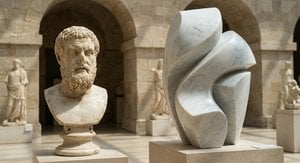
The Enduring Allure of Marble in Art History: From Classical Sculpture to Modern Abstraction
Explore the captivating history of marble sculpture from ancient Greece to modern art. Discover renowned artists like Canova & Michelangelo, carving techniques, and investment insights at ArtsDot.

Bronze Sculptures That Defined Art History | ArtsDot
Journey through art history with our Top 10 bronze sculptures! Explore masterpieces by Rodin, Michelangelo & more. Discover stories behind iconic statues and find museum-quality reproductions for your home decor at ArtsDot.com.

أفضل 25 لوحة لفنانٍ عبقري: جوايا يلامس الروح بالفن والتاريخ
اكتشف 25 تحفة فنية لفنان العبقري جوايا! رحلة في عالم لوحاته المؤثرة، من الرومانسية إلى الواقعية. احصل على نسخ عالية الجودة لديكور منزلك الفاخر على ArtsDot.com