
- الرئيسية

- طباعة على كانفاس
- John Roddam Spencer Stanhope
- Knowledge Strangling Ignorance

 اطلب نسخة مرسومة يدوياً شراء الصورة بدقة عالية
 مشاركة
 مشاركة
 التفاصيل
 أضف إلى المفضلة

 تحميل الملف
 قطع مشابهة
 الأشعة السينية
 عرض شرائح
Knowledge Strangling Ignorance

 عرض المزيد
طباعة جيلي / مطبوعات فنية
طباعة جيكلي أو كانفاس بجودة المتاحف، مع سرعة في التنفيذ وخيارات متنوعة للتشطيب.




































اختر من بين أحجامنا المُعدّة مسبقًا والتي تتطابق مع النسب الأصلية للعمل الفني.

يمكنك إدخال أبعادك الخاصة لتناسب إطاراً أو مساحة معينة. وإذا لم يتطابق الحجم الذي اخترته مع نسب الصورة الأصلية، فسنقوم إما بقص العمل الفني أو تمديد الصورة باستخدام حافة معكوسة أو بلون مصمت. سيتم إرسال نموذج تجريبي رقمي لاعتمادك قبل بدء الإنتاج.
يرجى ملاحظة أن المعاينة على الشاشة لا تعكس عملية القص أو التمديد الفعلية؛ حيث سيوضح النموذج التجريبي فقط التكوين النهائي بدقة.
وعلى الرغم من توفر أحجام مخصصة، إلا أننا نوصي باختيار أبعاد من القائمة المحددة مسبقاً للحفاظ على النسب الأصلية.
توصيل عالمي إلى خلال أسبوعين بدلاً من المدة القياسية البالغة 4/5 أسابيع. 19 يوليو

شحن سريع ومجاني لجميع أنحاء العالم

قماش كتان عالي الجودة

تأمين شحن شامل

ضمان استرداد الرسوم الجمركية

ضمان مطابقة الألوان الحقيقية

سياسة الإرجاع خلال 60 يومًا (في حالات العيوب فقط)

ضمان استرداد نقدي بنسبة 100%

خصم عند طلب عدة قطع
 خيار الزجاج متاح فقط للمقاسات التي تقل عن 110 سم

Knowledge Strangling Ignorance
طباعة جيلي / مطبوعات فنية
مقاس النسخة المطبوعة
-


السعر الإجمالي النهائي
-
أعمال فنية ذات صلة


السيرة الذاتية للفنان
A Yorkshire Squire of Dreams: The Life and Art of John Roddam Spencer Stanhope
Born into a world steeped in classical learning and artistic appreciation, John Roddam Spencer Stanhope emerged as a significant, though often understated, voice within the Pre-Raphaelite movement and the broader currents of Aestheticism. His story begins in 1829 at Cannon Hall, near Barnsley in Yorkshire, England—a home resonant with the echoes of antiquity thanks to his father, John Spencer Stanhope, a dedicated classical antiquarian. This familial environment, coupled with the artistic inclinations of his mother, Elizabeth Wilhelmina Coke, and her sisters who had studied under Thomas Gainsborough, fostered an early sensitivity to beauty and form within the young artist. Though destined initially for a more conventional path due to family expectations, Stanhope’s trajectory shifted decisively towards painting, guided by a burgeoning passion that could not be denied. His formal education at Rugby School and Christ Church, Oxford, provided a foundation of intellectual rigor, but it was his apprenticeship under George Frederic Watts that truly ignited his artistic development. Traveling with Watts to Italy and Asia Minor exposed him to the grandeur of classical art and architecture, experiences that would profoundly shape his aesthetic vision.Embracing Symbolism: Artistic Development and Influences
Stanhope’s entry into the vibrant world of the Pre-Raphaelites was facilitated by Dante Gabriel Rossetti, who invited him to contribute to the ambitious decorative scheme at the Oxford Union Debating Hall—a project centered around Arthurian legends. This collaboration marked a pivotal moment, solidifying his connection with the brotherhood and leading to his co-founding of the Hogarth Club, a hub for progressive artistic thought. His debut at the Royal Academy in 1859 signaled his arrival on the London art scene, though his style was not one of immediate radical departure. Instead, Stanhope synthesized influences from masters like Edward Burne-Jones and Watts, absorbing their meticulous detail and rich color palettes while forging a unique path characterized by symbolic depth and allegorical resonance. He became deeply immersed in Aestheticism and British Symbolism, movements that prioritized beauty, subjective experience, and the exploration of inner worlds over strict realism or moralizing narratives. His paintings began to reflect this shift, moving towards dreamlike compositions populated with mythological figures and imbued with a sense of spiritual contemplation.Myth, Allegory, and the Language of Dreams
The subject matter that captivated Stanhope was remarkably diverse, encompassing mythology, allegory, biblical stories, and contemporary themes. However, regardless of the narrative source, his approach remained consistent: to create works that transcended mere representation and entered the realm of evocative symbolism. Love and the Maiden, completed around 1860, stands as a testament to this artistic philosophy—a masterpiece celebrated for its ethereal beauty and enigmatic imagery. Beyond this iconic work, Stanhope produced numerous depictions of mythological figures, scenes from literature, and introspective portraits that reveal his fascination with the human condition. He worked across various mediums – oil, watercolor, fresco, tempera, and mixed media – demonstrating a versatility born from technical skill and artistic curiosity. His paintings are distinguished by their meticulous attention to detail, luminous colors, and an atmosphere of quiet intensity. The effect is often one of entering a dreamscape—a world where the boundaries between reality and imagination blur, inviting viewers to contemplate deeper meanings and emotional truths.A Florentine Retreat and Lasting Legacy
In 1880, Stanhope made a significant life change, settling permanently in Florence, Italy. This move marked not an abandonment of his artistic pursuits but rather a deliberate embrace of a more contemplative environment conducive to his creative process. He received important religious commissions, including the reredos for the English Church and works for the chapel of Marlborough College, demonstrating his ability to blend symbolic artistry with devotional purpose. His family remained central to his life; he was a beloved uncle and mentor to Evelyn De Morgan, nurturing her artistic talent and encouraging her own explorations within Symbolism. Stanhope’s death in Florence in 1908 marked the end of a long and productive career. He is remembered as an important figure within the second wave of Pre-Raphaelitism, a significant contributor to Aestheticism and British Symbolism, and a painter whose works continue to resonate with their beauty, mystery, and profound emotional depth. His legacy lies not in grand pronouncements or revolutionary techniques, but in his quiet dedication to crafting images that speak to the enduring power of myth, allegory, and the human spirit.
John Roddam Spencer Stanhope
1829 - 1908 , United Kingdom
حقائق سريعة
- Artistic Movement Or Style: Pre-Raphaelite, Aestheticism
- Artists Or Movements Influenced By This Artist: ['Evelyn De Morgan']
- Artists Who Influenced This Artist:
- George Frederic Watts
- Edward Burne-Jones
- Date Of Birth: January 20, 1829
- Date Of Death: August 2, 1908
- Full Name: John Roddam Spencer Stanhope
- Nationality: British
- Notable Artworks:
- Love and the Maiden
- The Angel Azazel
- Cupid And Psyche
- Place Of Birth: Yorkshire, UK
مقالات ذات صلة
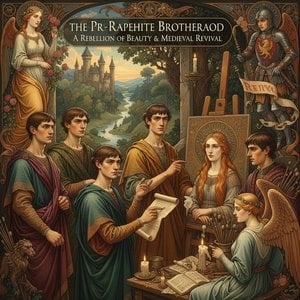
The Pre-Raphaelite Brotherhood: A Rebellion of Beauty & Medieval Revival
Explore the captivating world of the Pre-Raphaelite Brotherhood! Discover their rebellion against academic art, iconic masterpieces, and lasting influence on Victorian aesthetics. Learn about Rossetti, Burne-Jones & more.

Celestial Messengers: A Comprehensive Exploration of Angelic Representation in Art History
Explore the captivating history of angels in art! Discover symbolism, iconic Renaissance masterpieces & renowned artists. Expert insights for art lovers & collectors at ArtsDot.

Arthur Hughes: Pre-Raphaelite Visions of Beauty & Melancholy
Explore the captivating world of Arthur Hughes (1832-1915), a leading Pre-Raphaelite painter. Discover his dreamy landscapes, poetic narratives & iconic Victorian artworks. Learn about his life, style & collecting today.

Celestial Messengers: Angels in Painting – A Historical & Artistic Exploration
Explore the captivating history of angels in painting! Discover symbolism, iconic Renaissance & Byzantine masterpieces, and renowned artists. Expert insights for art lovers & collectors at ArtsDot.

Abbott Handerson Thayer: Ethereal Realism & Spiritual Symbolism in American Art
Explore the captivating world of Abbott Handerson Thayer, a pioneer of American realism & Symbolism. Discover his ethereal angel paintings, innovative techniques, and lasting influence on art history. Learn about his scientific pursuits & Transcendentalist spirit.

