

 معاينة الحجم الحقيقي
 مشاركة
 مشاركة
 التفاصيل

 تحميل الملف
 قطع مشابهة
 الأشعة السينية
 عرض شرائح
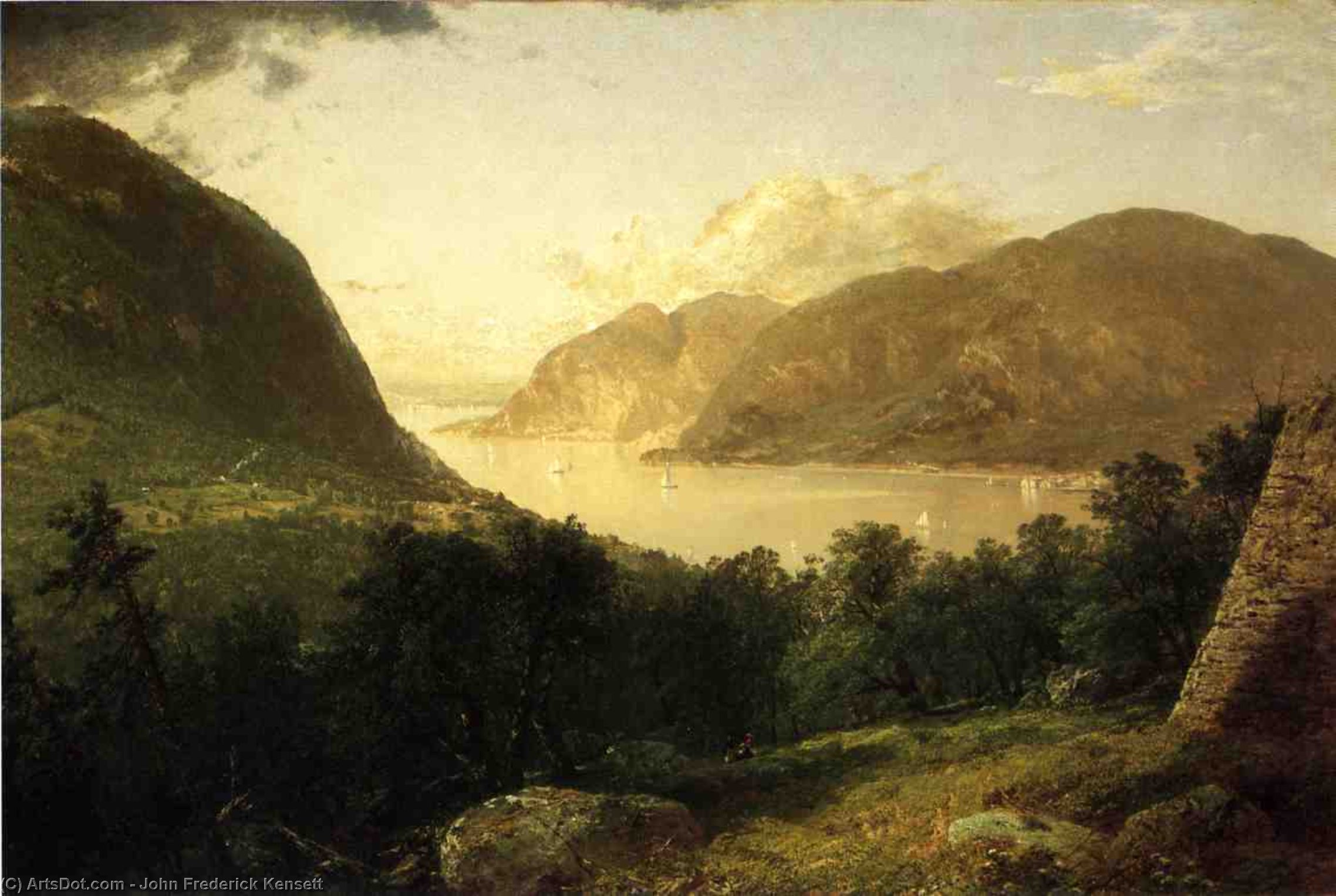
Hudson River Scene


 عرض المزيد
طباعة جيلي / مطبوعات فنية
طباعة جيكلي أو كانفاس بجودة المتاحف، مع سرعة في التنفيذ وخيارات متنوعة للتشطيب. ( اشترِ لوحة مرسومة يدويًا اشترِ الصورة)




P118B $10

P118H $10

P118W $10

P438Z $10

P508JH $12

P508YH $12

P805H $10

P805Z $10

P919BZ $10

P919G $10

P919XJ $10

P959ZH $10

P968JZ $12

W106C $8

W218G $10

W218JH $8

W218Y $10

W307PJ $10

W316G $10

W316PJ $8

W316Y $10

W398PJ $8

W4111J $10

W500HY $15

W500JH $15

W692G $12

W849H $8

W940BG $15

W953PJ $8




اختر من بين أحجامنا المُعدّة مسبقًا والتي تتطابق مع النسب الأصلية للعمل الفني.

يمكنك إدخال أبعادك الخاصة لتناسب إطاراً أو مساحة معينة. وإذا لم يتطابق الحجم الذي اخترته مع نسب الصورة الأصلية، فسنقوم إما بقص العمل الفني أو تمديد الصورة باستخدام حافة معكوسة أو بلون مصمت. سيتم إرسال نموذج تجريبي رقمي لاعتمادك قبل بدء الإنتاج.
يرجى ملاحظة أن المعاينة على الشاشة لا تعكس عملية القص أو التمديد الفعلية؛ حيث سيوضح النموذج التجريبي فقط التكوين النهائي بدقة.
وعلى الرغم من توفر أحجام مخصصة، إلا أننا نوصي باختيار أبعاد من القائمة المحددة مسبقاً للحفاظ على النسب الأصلية.
توصيل عالمي إلى خلال أسبوعين بدلاً من المدة القياسية البالغة 4/5 أسابيع. 17 أغسطس

شحن سريع ومجاني لجميع أنحاء العالم

قماش كتان عالي الجودة

تأمين شحن شامل

ضمان استرداد الرسوم الجمركية

ضمان مطابقة الألوان الحقيقية

سياسة الإرجاع خلال 60 يومًا (في حالات العيوب فقط)

ضمان استرداد نقدي بنسبة 100%

خصم عند طلب عدة قطع
 خيار الزجاج متاح فقط للمقاسات التي تقل عن 110 سم

Hudson River Scene
طباعة جيلي / مطبوعات فنية
مقاس النسخة المطبوعة
-


السعر الإجمالي النهائي
$ 62
وصف القطعة الفنية
A Serene Vision of the Hudson Valley: John Frederick Kensett’s “Hudson River Scene”
John Frederick Kensett's "Hudson River Scene," painted in 1857, isn’t merely a landscape; it’s a carefully constructed meditation on light, tranquility, and the sublime beauty of the American wilderness. Belonging to the illustrious Hudson River School, a movement that profoundly shaped the course of American art, this painting embodies the core tenets of Luminism – an approach prioritizing atmospheric effects and subtle tonal variations over dramatic detail. Kensett, deeply influenced by the Romantic ideals of his time, sought not to represent nature as it *is*, but rather as it *feels*—a source of profound spiritual resonance.
The scene unfolds along the banks of the Hudson River, a quintessential vista of the New York countryside. Rolling hills, draped in a soft, hazy blue, recede into the distance, their contours softened by atmospheric perspective. A meandering river reflects the muted light of the sky, creating an illusion of infinite depth and mirroring the serenity above. Two figures, rendered with remarkable delicacy, are positioned near the center of the composition, suggesting a quiet moment of contemplation amidst this idyllic setting. Their presence isn’t intrusive; rather, they serve to anchor the viewer in the scene, inviting us to share their peaceful observation.
The Language of Light and Color
Kensett's mastery lies not just in his depiction of the landscape but also in his innovative use of color. He eschewed the bold, vibrant hues favored by some of his contemporaries, opting instead for a palette dominated by cool blues, greens, and grays. This restrained approach creates a sense of stillness and quietude, emphasizing the subtle shifts in light and shadow. The artist’s brushwork is remarkably delicate—almost invisible—allowing the colors to blend seamlessly into one another, mimicking the hazy atmosphere of a summer afternoon. He employed a technique known as “broken color,” applying thin layers of paint that refract light and create shimmering effects, particularly noticeable in the water and sky.
The painting’s luminosity – its ability to seem to glow from within – is a hallmark of Luminism. Kensett meticulously studied the way light interacts with different surfaces, capturing the ephemeral quality of sunlight filtering through trees or reflecting off the river's surface. This pursuit of atmospheric effects was deeply influenced by his travels in Europe, particularly his admiration for the Dutch Masters who excelled at depicting light and shadow.
A Reflection of Transcendentalist Ideals
"Hudson River Scene" is inextricably linked to the broader philosophical currents of the mid-19th century. The Hudson River School artists, including Kensett, were deeply influenced by the Transcendentalist movement, which emphasized the inherent goodness of humanity and the importance of connecting with nature. For these artists, the landscape wasn’t simply a picturesque backdrop; it was a conduit to spiritual truth. Kensett's paintings, like this one, aim to evoke a sense of awe and wonder, prompting viewers to contemplate their place within the vastness of the natural world.
The inclusion of the two figures adds another layer of meaning. They represent humanity’s ability to find solace and connection in nature—a theme central to Transcendentalist thought. Their quiet contemplation suggests a harmonious relationship between humans and the environment, reflecting an ideal of balance and serenity.
Collecting a Legacy: Reproduction and Beyond
Reproductions of “Hudson River Scene” offer a remarkable opportunity to bring this timeless masterpiece into your home or office. ArtsDot’s hand-painted reproductions meticulously recreate Kensett's delicate brushwork and nuanced color palette, capturing the essence of his original vision. Whether you seek an authentic work of art or a high-quality reproduction that evokes the spirit of the Hudson River School, this painting remains a powerful symbol of American landscape artistry and its enduring appeal.
Consider how this serene scene can complement your interior design—bringing a touch of tranquility and natural beauty to any space. The subtle colors and atmospheric effects create a calming atmosphere, perfect for relaxation or contemplation. “Hudson River Scene” is more than just a painting; it’s an invitation to connect with the timeless allure of the American wilderness.
أعمال فنية ذات صلة


السيرة الذاتية للفنان
حياة مكرسة لالتقاط المناظر الطبيعية الهادئة
جون فريدريك كنسيت، فنان وناقش أمريكي، ولد في 22 مارس 1816 في تشيشير، كونيتيكت. كان كنسيت عضوًا في الجيل الثاني من مدرسة نهر هدسون للفنانين، وتميزت أعماله المميزة بالهدوء والصفاء وجودة الإضاءة، واحتفالاً بالجوانب المتعالية للطبيعة. بدأ كنسيت مسيرته الفنية في سن مبكرة، حيث درس النقش مع والده توماس كنسيت وحضر مدرسة أكاديمية تشيشير. عمل كناقش في نيو هافن حتى عام 1838، ثم انتقل إلى مدينة نيويورك للعمل في نقوش الأوراق النقدية. في عام 1840، سافر كنسيت إلى أوروبا لدراسة الرسم، وصقل مواهبه جنبًا إلى جنب مع بنجامين شامبني. كانت هذه الرحلة بمثابة نقطة تحول في حياته المهنية، حيث اكتسب رؤى جديدة وتقنيات أثرت على أسلوبه الفني اللاحق.الاستوديو الراسخ وأسلوب اللومينيسم
بعد تأسيس استوديوه في نيويورك، سافر كنسيت على نطاق واسع في جميع أنحاء الشمال الشرقي وجبال روكي الكولورادو، والتقط جوهر هذه المناظر الطبيعية. تطور أسلوبه من مدرسة نهر هدسون التقليدية إلى نهج أكثر دقة من نوع اللومينيسم، يتميز بضربات فرشاة غير واعية تنقل صفات الضوء الجوي. سعى كنسيت إلى التقاط التأثير العابر للضوء والظل، وخلق إحساسًا بالسلام والتأمل في لوحاته. كان يركز بشكل خاص على المناظر الطبيعية الساحلية والمياه الهادئة والأجواء الغامضة التي تثيرها. من بين أعماله الشهيرة "جبل واشنطن من وادي كونواي" (1851)، وهي لوحة أيقونية اشترتها جمعية الفنون الأمريكية وتم توزيعها على 13000 مشترك، و"إيتون نك، لونغ آيلاند" (1872)، وهو مثال رئيسي لأسلوب كنسيت اللومينيسم ويقع الآن في مجموعة متحف المتروبوليتان للفنون في نيويورك.الإرث والمساهمات
كان كنسيت أحد مؤسسي متحف المتروبوليتان للفنون وعضوًا كاملًا في الأكاديمية الوطنية للتصميم. حظي عمله بتقدير واسع النطاق خلال حياته، ولا يزال يلهم رسامي المناظر الطبيعية حتى اليوم. كان كنسيت فنانًا ملتزمًا بتصوير جمال الطبيعة وأهميتها الروحية. لقد سعى إلى التقاط الجوهر العابر للمناظر الطبيعية الأمريكية، وخلق أعمالًا تثير إحساسًا بالرهبة والتقدير للعالم الطبيعي. بالإضافة إلى مساهماته الفنية، كان كنسيت أيضًا مدافعًا قويًا عن الحفاظ على البيئة ودعم إنشاء الحدائق والمتنزهات العامة. الأعمال الرئيسية:- غروب الشمس (حوالي 1870)، متحف المتروبوليتان للفنون، نيويورك
- ثلاثة أميال هاربور (حوالي 1860)، متحف الفنون الجميلة، تالاهاسي
التأثيرات والتطور الفني
تلقى جون فريدريك كنسيت تأثيرًا كبيرًا من أعمال توماس كول، وهو شخصية رائدة في مدرسة نهر هدسون. تبنى كنسيت شغف كول بالمناظر الطبيعية الأمريكية ورغبته في التقاط عظمة الطبيعة. ومع ذلك، طور كنسيت أسلوبه الفريد الخاص به، والذي تميز بتركيز أكبر على الضوء والأجواء. كان أيضًا متأثرًا بأعمال بنجامين شامبني، الذي تعاون معه في رحلات أوروبية مختلفة. ساعدت هذه التجارب كنسيت على صقل تقنياته وتوسيع آفاقه الفنية. مع مرور الوقت، ابتعد كنسيت عن الأسلوب الواقعي لمدرسة نهر هدسون واعتمد نهجًا أكثر شاعرية وتأمليًا. لقد سعى إلى التقاط الجوهر العاطفي للمناظر الطبيعية الأمريكية، وخلق أعمالًا تثير إحساسًا بالسلام والهدوء.الأهمية التاريخية
يُعتبر جون فريدريك كنسيت أحد أهم رسامي المناظر الطبيعية في القرن التاسع عشر. لقد لعب دورًا مهمًا في تطوير مدرسة نهر هدسون وأسلوب اللومينيسم، وساعد على تشكيل الطريقة التي يُنظر بها إلى الفن الأمريكي اليوم. تميزت لوحاته بجمالها الهادئ وجودتها الإضاءة وقدرتها على التقاط الجوهر الروحاني للطبيعة. كان كنسيت أيضًا مدافعًا قويًا عن الحفاظ على البيئة ودعم إنشاء الحدائق والمتنزهات العامة. إن إرثه يستمر في إلهام الفنانين والمشاهدين على حد سواء، ولا تزال أعماله تحظى بالتقدير لجمالها الفني وأهميتها التاريخية. عرض فن جون فريدريك كنسيت على ArtsDot
جون فريدريك كينست
1816 - 1872 , الولايات المتحدة الأمريكية
حقائق سريعة
- أعمال بارزة:
- جبل واشنطن من وادي كونواي
- إيتونز نك، لونغ آيلاند
- الاسم الكامل: جون فريدريك كينست
- الجنسية: أمريكي
- الحركة الفنية: مدرسة نهر هدسون ولومينيزم
- تاريخ الميلاد: 22 مارس 1816
- تاريخ الوفاة: 14 ديسمبر 1872
- فنانون مؤثرون:
- توماس كول
- بنجامين شامبني
- فنانون متأثرون: ['لومينيزم']
- مكان الميلاد: تشيشير، الولايات المتحدة
مقالات ذات صلة

John Frederick Kensett: Luminosity, Landscape & the American Identity
Explore the luminous landscapes of John Frederick Kensett, a master of Luminism and key figure in the Hudson River School. Discover his serene paintings & enduring legacy with ArtsDot.

أعلى 10 روائع تحدد مدرسة نهر هدسون: رحلة في الفن الراقي وجمال الطبيعة
اكتشف روائع مدرسة نهر هدسون! استكشف 10 لوحات فنية خالدة لـ Thomas Cole و Frederic Church وغيرهم. فن أمريكي رومانسي، مناظر طبيعية خلابة وألوان ترابية ساحرة. احصل على أعمال فنية راقية لديكور منزلك على ArtsDot.com

Robert Spencer: Luminism, Narrative & the American Landscape Tradition
Explore the captivating world of Luminism & the Hudson River School with our expert analysis. Discover the history, artists, and enduring beauty of 19th-century American landscape painting. Find museum-quality reproductions at ArtsDot.

The Sublime Landscape: Exploring the Hudson River School Movement
Explore the captivating world of the Hudson River School! Discover the history, artists, and defining characteristics of this iconic American art movement. Learn about Romanticism's influence & find inspiration for your collection.

The Sublime American Landscape: Frederic Edwin Church & the Dawn of Luminism
Explore the captivating world of Frederic Edwin Church and the Luminist movement. Discover the history, techniques & enduring legacy of America’s first great landscape painters with ArtsDot.



