

 معاينة الحجم الواقعي
 مشاركة
 مشاركة
 التفاصيل
 دليل
دليل

 تحميل الملف
 قطع مشابهة
 الأشعة السينية
 عرض شرائح
 الأسئلة والأجوبة
 الإحصائيات
Self Portrait


 عرض المزيد
طباعة جيلي / مطبوعات فنية
طباعة جيكلي أو كانفاس بجودة المتاحف، مع سرعة في التنفيذ وخيارات متنوعة للتشطيب. ( شراء لوحة مرسومة يدويًا الانتقال إلى الصورة الرقمية)




P118B E£10

P118H E£10

P118W E£10

P438Z E£10

P508JH E£12

P508YH E£12

P805H E£10

P805Z E£10

P919BZ E£10

P919G E£10

P919XJ E£10

P959ZH E£10

P968JZ E£12

W106C E£8

W218G E£10

W218JH E£8

W218Y E£10

W307PJ E£10

W316G E£10

W316PJ E£8

W316Y E£10

W398PJ E£8

W4111J E£10

W500HY E£15

W500JH E£15

W692G E£12

W849H E£8

W940BG E£15

W953PJ E£8




اختر من بين أحجامنا المُعدّة مسبقاً والتي تتوافق مع النسب الأصلية للعمل الفني.

أدخل العرض والارتفاع المطلوبين ليتناسب المقاس مع إطارك أو جدارك. يرجى الملاحظة أن المطبوعة يمكن قصها فقط ولا يمكن تكبيرها لتتجاوز أبعاد الصورة الأصلية، لذا فإن اختيار مقاس بأبعاد مختلفة سيؤدي إلى فقدان جزء من الصورة. سنرسل لك نموذجاً رقمياً تجريبياً لاعتماده قبل البدء في عملية الطباعة. الصورة المعروضة في هذه الصفحة لا توضح شكل القص الفعلي — النموذج التجريبي فقط هو ما يظهر ذلك بدقة.
توصيل عالمي إلى خلال أسبوعين بدلاً من المدة القياسية البالغة 4/5 أسابيع. (12 نوفمبر)

شحن سريع ومجاني لجميع أنحاء العالم

قماش كتان عالي الجودة

تأمين شامل على الشحن

ضمان استرداد الرسوم الجمركية

ضمان مطابقة الألوان الحقيقية

سياسة الإرجاع خلال 100 يوم (في حالات العيوب فقط)

ضمان استرداد نقدي بنسبة 100%

خصم عند طلب كميات
 خيار الزجاج متاح فقط للمقاسات التي تقل عن 110 سم

Self Portrait
طباعة جيلي / مطبوعات فنية
مقاس النسخة المطبوعة
-


إجمالي السعر النهائي
E£ 3345
A Glimpse Through the Artist's Eyes
In the quiet intimacy of his studio, away from the sun-drenched shores and bustling Mediterranean ports that defined his public persona, Joaquín Sorolla captured something profoundly personal in his 1909 Self Portrait. This work serves as a window into the soul of the master of light, painted at a pivotal moment of professional triumph. Following a landmark exhibition at the Hispanic Society of America, Sorolla found himself not only financially secure but standing at the zenith of his career. Yet, in this particular piece, there is no grand spectacle or monumental social theme; instead, we find an artist reflecting upon his own identity, presenting himself with a dignified elegance that belies the ruggedness of his creative life.
The subject sits with a commanding yet contemplative presence, adorned in an elegant grey felt hat—a choice that follows the long-standing tradition of artists depicting themselves in formal attire rather than the paint-stained smocks of their daily labor. His gaze, intense and piercing, seems to look through the viewer, perhaps lost in thought about the very light he spent his life chasing. The composition is anchored by a sense of domestic stillness, with the subtle presence of chairs and dining tables in the background suggesting the lived-in reality of his workspace, creating a bridge between the man and his craft.
The Mastery of Light and Texture
Technically, this self-portrait is a masterclass in the expressive potential of oil paint. Sorolla, often celebrated for his ability to capture the fleeting brilliance of Spanish sunlight, demonstrates here a remarkable versatility in his brushwork. The painting is a beautiful contradiction of textures; he employs almost liquid, fluid strokes that seem to dance across the canvas, juxtaposed against areas of heavy, sculptural impasto. This tactile approach gives the work a rhythmic energy, where the thickness of the paint adds a physical dimension to the artist's features and the fabric of his hat.
For the discerning collector or interior designer, this piece offers a sophisticated interplay of tonal depth and movement. The way the light catches the raised ridges of the paint creates a dynamic surface that changes as one moves around the work, much like the sunlight on water that Sorolla so famously depicted. It is a painting that demands attention not through loud colors, but through the sheer virtuosity of its execution and the subtle gradations of shadow and highlight.
An Emotional Legacy for the Modern Home
Beyond its technical brilliance, the Self Portrait carries an emotional weight that makes it a profound addition to any curated collection. There is a sense of quiet confidence and introspective strength radiating from the canvas. It captures the duality of the artist: the public figure of international acclaim and the private man, dedicated to his family and his craft. This tension between the formal presentation and the raw, energetic technique creates an atmosphere of authenticity that is rare in portraiture.
Integrating a high-quality reproduction of this masterpiece into a living space or a professional gallery setting brings with it a sense of historical gravity and artistic passion. It serves as a conversation piece that invites contemplation on the nature of creativity and the enduring power of the human spirit. Whether placed in a sunlit study or a contemporary lounge, Sorolla's self-portrait provides an infusion of classical elegance and much-needed soul, reminding us of the beauty found in moments of profound self-reflection.
الأسئلة والأجوبة
ما سبب الوضع الحالي لحقوق الطبع والنشر لـ "Self Portrait"؟
تُعد لوحة "Self Portrait" للفنان خواكين سورويا من الأعمال التي تندرج ضمن ملك عام - انتهت مدة حماية حقوق الطبع والنشر الخاصة به؛ حيث تُحتسب مدة حقوق الطبع والنشر بدءاً من تاريخ وفاة الفنان، وقد توفي خواكين سورويا في عام 1923.
ما الذي يجمع بين "Self Portrait" وبقية أعمال خواكين سورويا؟
تتشارك لوحة "Self Portrait" مع أعمال خواكين سورويا الأخرى أسلوبها الذي ينتمي إلى Impressionism وموضوعاتها المتكررة: light impressionism, family portrait, valencia tradition, artist legacy, reflection style.
ما مدى تناغم الألوان في "Self Portrait" للفنان خواكين سورويا؟
يتميز التناغم اللوني لـ "Self Portrait" بكونه Softly Mixed Palette.
أعمال فنية ذات صلة


السيرة الذاتية للفنان
الحياة المبكرة، العائلة والتدريب
أبصر خوآكين سورولَا النور في السابع والعشرين من فبراير عام 1863 في مدينة فالنسيا بإسبانيا، ليكون الابن الأكبر لحرفي يدعى خوآكين سورولَا وزوجته كونسبسيون باستيدا. إلا أن حياة هذا الصغير لم تكن هادئة، فقد خيم صمت مفاجئ وثقيل على حياته عندما حصد وباء الكوليرا والده ووالدته في أغسطس من عام 1865، تاركاً خوآكين سورولَا وشقيقته كونشا يتيمين في مقتبل العمر. وفي تلك اللحظات العصيبة، احتضنهما خالهما وزوجته، الذي كان يعمل في مهنة القفل، ليوفرا لهما الاستقرار والسكينة اللذين كانا يحتاجانهما للنمو في عالم قاسٍ.
لم تكن موهبته مجرد شرارة عابرة، بل برقت بوضوح في سنوات شبابه الأولى في فالنسيا؛ حيث تلقى دروسه الأولى في الفن داخل مسقط رأسه، مطوراً قدرة فطرية مذهلة لم يكن من الممكن تجاهلها. وضعت هذه البدايات المتواضعة حجر الأساس لتعليم أكاديمي رصين تحت إشراف فنانين مرموقين، من بينهم كايتانو كابوز وخوسيه بينليور، الذين ساهموا في صقل مهاراته التقنية، مما مهد له الطريق لاحقاً لتجاوز حدود المشهد الفني المحلي والانطلاق نحو آفاق عالمية رحبة.
الحياة والمسيرة المهنية في مدريد
في عام 1888، ارتبط خوآكين سورولَا بالزواج من كلوتيلد غارسيا ديل كاستيلو، تلك المرأة التي عرفها منذ أن كان شاباً يعمل في مرسم والدها. وفي عام 1890، انتقلت حياتهما المشتركة إلى مدريد، وهو التحول الذي شكل فصلاً جوهرياً في تطوره الشخصي والمهني على حد سواء. ومع استقرارهم في العاصمة، بدأت عائلتهما في النمو، حيث انضمت ماريا وخوآكين وإيلينا إلى الأسرة بحلول عام 1895. كانت تلك السنوات بمثابة مرحلة لتأسيس كيان أسري وبناء سمعة فنية بدأت تتجاوز حدود إسبانيا لتصل إلى آفاق عالمية.
وخلال العقد الذي أعقب انتقاله إلى مدريد، تحول تركيز خوآكين سورولَا نحو ابتكار لوحات ضخمة ذات أبعاد ملحمية؛ حيث قضى جلّ وقته في العمل على موضوعات صرحية، تراوحت بين المشاهد الأسطورية والتاريخية، وبين الثيمات الاستشراقية والدراسات الاجتماعية. وقد تجلى طموحه في حجم أعماله، حيث سعى من خلال ريشته إلى معالجة سرديات بصرية معقدة. وشهدت هذه الفترة من الإنتاج الغزير اتساع نطاق شهرته عبر معارض دولية متعددة، حيث عرض أعماله في صالونات فنية في مختلف أنحاء أوروبا والأمريكتين، بما في ذلك مدن كبرى مثل باريس والبندقية وميونخ وبرلين وشيكاغو.
- العودة من الصيد؛ سحب القارب (1894)
- الإرث الحزين (1899)
الأعمال الرئيسية والإنجازات الكبرى
جاءت نقطة التحول الجوهرية في مسيرته الفنية مع إبداعه للوحة الإرث الحزين عام 1899. هذه اللوحة الضخمة، التي جسدت أطفالاً يستمتعون بالاستحمام في عرض البحر، عُرضت في المعرض العالمي في باريس، لتمنحه مستوى من الاعتراف الفني غير مجرى حياته تماماً؛ حيث تُوج بلقب فارس في جوقة الشرف عام 1900. وفي العام ذاته، حصد الجائزة الكبرى وميدالية الشرف في معرض باريس، مما أعلن عن بزوغ نجمه في سماء الفن العالمي.
واستمر نجاحه في التصاعد مع مطلع القرن الجديد، ففي عام 1901، نال ميدالية الشرف في المعرض الوطني بمدريد. ولم تكن هذه الأوسمة إلا انعكاساً لقدرته الفائقة على التنقل ببراعة بين المواضيع الاجتماعية العميقة والمشاهد المشرقة الغارقة في ضوء الشمس، وهي الميزة التي صاغت هويته الفنية لاحقاً. وبفضل سمعته التي لا تُضاهى في أسرار الضوء والحياة، امتد صيته ليتجاوز حدود إسبانيا، حيث نال تكليفات فنية من كبرى المؤسسات الدولية.
ولعل من أكثر مشاريعه طموحاً هو التكليف الذي تلقاه لرسم سلسلة رؤية إسبانيا لصالح الجمعية الهيسبانية في أمريكا. سمحت له هذه السلسلة من الأعمال الصرحية بالتعبير عن ارتباطه الوجداني العميق بوطنه من خلال سرد قصصي ملحمي على نطاق واسع. لقد اتسمت مسيرة خوآكين سورولَا بهذه اللحظات من الإنجاز السامي، حيث تلاقت مهارته التقنية الفذة مع شعور عميق بالرسالة والغاية.
- الإرث الحزين (1899)
- رؤية إسبانيا
التقنية والأسلوب الفني
امتلك خوآكين سورولَا أسلوباً في العمل يتسم بالحيوية والاضطراب، تماماً كحركة البحر الأبيض المتوسط نفسها. لقد كان رساماً يفضل العفوية والمواجهة المباشرة مع الطبيعة، حيث اختار رسم معظم أعماله في الهواء الطلق. هذا الالتزام بالرسم في الفضاء المفتوح منحه القدرة على مواجهة العناصر المتغيرة والتقلبات الجوية وجهاً لوجه؛ فلم يكن هدفه مجرد تسجيل مشهد عابر، بل كان يسعى لاقتناص تلك اللحظة التي يتفاعل فيها الضوء مع العالم، وتحديداً تلك الرقصة الساحرة التي يؤديها الضوء فوق سطح الماء المتلألئ، وكيف يغمر الضوء بشرة شخوص لوحاته. اتسمت ضربات فرشاته بالتحرر والطاقة، مستخدماً لمسات كثيفة ومعبرة لترجمة الحركة الزائلة لأشعة الشمس وتحويلها إلى واقع ملموس على القماش.
تأرجح تركيزه التقني ببراعة بين العوالم الحميمة والموضوعات الملحمية؛ فكان يمتلك ذات القدرة على تجسيد بورتريه هادئ وعميق، كما كان بارعاً في معالجة القضايا الاجتماعية والتاريخية الضخمة. وتتجلى مهارته الفائقة في كيفية تعامله مع المناظر الطبيعية، حيث كان يضع الشخصيات غالباً تحت شمس إسبانيا الساطعة، مما يخلق حالة من التلاشي الفني للحدود الفاصلة بين البحر والسماء. هذا النهج حوّل اللحظات العادية إلى مشاهد تنبض بالحياة وتشعر المشاهد بأنها تتنفس. لقد ركز على تفاصيل ملامح الحياة اليومية، مسخراً الضوء لتعريف أشكال البشر والبيئات التي يقطنونها، مما جعل لوحاته تجربة بصرية غامرة.
السنوات الأخيرة والرحيل
اتسمت السنوات الأخيرة من حياة خوآكين سورولَا بمشروع فني ضخم تطلب منه قدرة هائلة على التحمل الجسدي والذهني؛ حيث قضى جلّ هذه الفترة من عمره منكبّاً على إنجاز جدارياته الصرحية، وهو المشروع الذي استنزف كامل انتباهه وقوته الإبداعية. وقد نجح في إتمام اللوحة الأخيرة من هذه الأعمال الملحمية في يوليو 1919، ليكون ذلك بمثابة ختام عظيم لمسيرته الإبداعية الحافلة.
بيد أن قدرته على مواصلة الرسم سرعان ما اصطدمت بصعوبات صحية قاسية، ففي عام 1920، تعرض لجلطة دماغية كانت بمثابة منعطف أوقف نشاطه الفني وغير إيقاع حياته تماماً. كانت فترة التعافي تلك بمثابة رحيل هادئ عن تلك الجلسات الحيوية في الهواء الطلق التي ميزت سنواته الأولى المفعمة بالحياة. وفي العاشر من أغسطس عام 1923، فارق الحياة، ليُوارى الثرى في مقبرة فالنسيا بإسبانيا، عائداً إلى أحضان المنطقة التي كانت دوماً هي القلب النابض لحياته وفنه.
الإرث والتأثير الخالد
لم يتوقف صدى إبداع خوآكين سورولَا عند حدود الشواطئ الإسبانية التي شهدت بداياته، بل امتد أثره ليعبر البحار ويصل إلى آفاق عالمية رحبة. لقد تكرس حضورُه في مجتمع الفن الدولي من خلال عضويته في أعرق المؤسسات الفنية، بما في ذلك أكاديمية الفنون الجميلة في باريس، والأكاديمية الوطنية للفنون الجميلة في لشبونة، والملكية الأكاديمية للفنون الجميلة في سان كارلوس بفالنسيا. ولم تكن هذه الأوسمة مجرد تكريمات رسمية، بل كانت تجسيداً لمسيرة فنية استثنائية نجحت في مد الجسور بين الهوية المحلية الضاربة في القدم والاعتراف العالمي الواسع. لقد لُقب بـ "ابن فالنسيا المدلل"، وهو لقب يختزل تلك العلاقة الروحية العميقة التي ربطت بين ريشة الرسام ونور منطقته الأم.
واليوم، تستقر لوحاته ككنوز فنية في مجموعات ممتدة عبر إسبانيا وأوروبا والأمريكتين. إن قدرته الفائقة على ترجمة حركة البحر الهائجة ودفء الشمس المتراقص على سطح اللوحة قد ضمنت بقاء رؤيته الفنية حية في الوجدان الجمعي. ولا تزال أعماله مادة خصبة للدراسة والإعجاب في كبرى المتاحف العالمية، محتفظةً بحضور طاغٍ يتجاوز القارات. إن تأثيره يتجلى بوضوح في الطريقة التي استطاع بها التقاط جوهر المكان وسحر الضوء، تاركاً وراءه إرثاً فنياً يظل جزءاً حيوياً ونابضاً من المشهد الإبداعي العالمي.
- Sad Inheritance (1899)
- Children on the Seashore (1903)
- The Return from Fishing; Hauling the Boat (1894)
أين يمكن مشاهدة أعماله اليوم
لأولئك الذين يتوقون للسير في الردهات التي شكلت تفاصيل حياته، يفتح متحف سورولَا في مدريد نافذة نادرة على عالمه الخاص. هذا المتحف الفريد، الذي خُصص لفنان واحد، يقع في منزله ومرسمه السابق، حيث لا يزال يحفظ الأجواء الحميمة التي عاش وعمل فيها. وبين هذه الجدران، يمكن للمرء أن يجد قطعاً فنية تفيض بالمشاعر مثل لوحة أطفالي، التي تمنحنا لمحة عن روابطه الشخصية العميقة بعيداً عن التكليفات الفنية الضخمة التي ميزت مسيرته المهنية.
إن تأثير خوآكين سورولَا يمتد إلى ما هو أبعد من حدود إسبانيا، ليصل إلى كبرى المجموعات الفنية العالمية. ففي نيويورك، يضم متحف ومكتبة الجمعية الهيسبانية العديد من أعماله، مما يحفظ جزءاً هاماً من إرثه الفني للزوار القادمين من أنحاء العالم إلى الولايات المتحدة. كما يبرز حضوره في أوروبا بشكل جلي، لا سيما في باريس، حيث يحتفظ متحف أورسيه بلوحة العودة من الصيد؛ سحب القارب.
- أطفالي، متحف سورولَا، مدريد
- العودة من الصيد؛ سحب القارب، متحف أورسيه، باريس

خواكين سورويا
1863 - 1923 , إسبانيا
حقائق سريعة
- Artistic Movement Or Style: اللومينية، الانطباعية، الواقعية الاجتماعية
- Artists Who Influenced This Artist: ['الانطباعية']
- Date Of Birth: 1863
- Date Of Death: 1923
- Full Name: خوآكين سورولَا ي باستيدَا
- Nationality: إسباني
- Notable Artworks:
- الميراث الحزين
- أطفال على الشاطئ
- خياطة الشراع
- العودة من الصيد
- رؤية إسبانيا
- Place Of Birth: فالنسيا، إسبانيا
مقالات ذات صلة

أعمال خوان ميرو الخالدة: 25 تحفة فنية تزين منزلك بجمال السريالية
اكتشف 25 تحفة فنية لخوان ميرو، رائد الفن السريالي. استكشف قصص لوحاته الملونة وأسلوبه الفريد. احصل على نسخ عالية الجودة لديكور منزلي فاخر. اكتشف جميع الروائع على ArtsDot.com
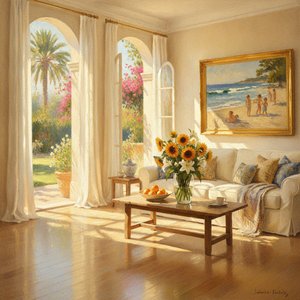
A Symphony of Light: Transform Your Interior with the Sun-Drenched Masterpieces of Joaquín Sorolla
Transform your space with the luminous energy of Joaquín Sorolla. ArtsDot.com offers exquisite, hand-painted oil reproductions and bespoke custom portraits. Experience professional artistry, museum-grade quality, and free worldwide shipping to bring light into your home.
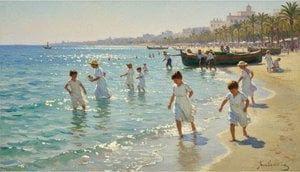
Joaquín Sorolla: Capturing Spanish Light & Life – A Legacy of Impressionism
Explore the luminous world of Joaquín Sorolla, Spanish master of Impressionism. Discover his life, techniques & legacy – a guide for art collectors and enthusiasts. Invest in timeless beauty.

Master of Light: The 25 Most Iconic Paintings by Joaquín Sorolla
Immerse yourself in the radiant world of Joaquín Sorolla. Explore 25 iconic masterpieces of Spanish Impressionism, from sun-drenched seascapes to luminous portraits. Find inspiration for museum-quality art reproductions and decor. Discover all masterpieces on ArtsDot.com.


