
- الرئيسية

- صورة رقمية
- خوآكين سورولَا ي باستيدَا
- La Siesta
 شراء نسخة مطبوعة اطلب نسخة مرسومة يدوياً
 مشاركة
 مشاركة
 Details
 أضف إلى المفضلة

 تحميل الملف
 قطع مشابهة
 X-Ray
X-Ray
 عرض شرائح
La Siesta


احصل على صورة رقمية عالية الدقة ومعزّنة، بجودة تفوق بكثير المعاينة عبر الإنترنت.
يتم إعداد كل ملف بعناية فائقة من قبل متخصصينا الداخليين باستخدام أدوات متقدمة ولمسات يدوية خبيرة. نضمن أن تتمتع كل صورة بوضوح استثنائي، ودقة لونية متناهية، وتفاصيل دقيقة.
يتم تسليم الملف النهائي عبر البريد الإلكتروني في غضون 72 ساعة، وهو مُحسَّن للاستخدام الفوري في المجالات المهنية والتحريرية ومجالات الطباعة. هذه هي ذات الجودة التي تعتمد عليها كبرى استوديوهات التصميم ودور النشر والمعارض الفنية المرموقة.
 للمزيد من المعلومات
صورة رقمية
حمّل ملفاً عالي الدقة للعرض الشخصي، والطباعة، والمشاريع الإبداعية.
مزايا مُضمّنة في كل طلب صورة رقمية
تسليم رقمي احترافي، مضمون
عندما تختار ArtsDot.com، فأنت لا تحصل على مجرد صورة فحسب، بل ستحصل على عمل فني رقمي مُحسّن باحترافية، صُمم بدقة متناهية ومصحوب بضمان الرضا. إليك كل ما يتضمنه طلبك تلقائياً:

تسليم سريع عبر البريد الإلكتروني
ستصلك ملفات صورك الرقمية عالية الدقة عبر البريد الإلكتروني في غضون 72 ساعة من إتمام الطلب - لتكون جاهزة للاستخدام الفوري.

ملف رقمي مُحسّن بالذكاء الاصطناعي
يتم تحسين عملك الفني باحترافية باستخدام أدوات الذكاء الاصطناعي المتقدمة والتحرير اليدوي، لضمان أقصى درجات التفاصيل والوضوح ودقة الألوان.

إعادة إرسال مجانية مدى الحياة
هل حذفت ملفك أو فقدته عن طريق الخطأ؟ لا تقلق - سنعيد إرساله إليك في أي وقت، ومجاناً.

بدون رسوم استيراد - على الإطلاق
استمتع بأعمالك الفنية فوراً دون أي رسوم جمركية أو ضرائب أو مصاريف شحن - فالتحميلات الرقمية دائماً ما تكون معفاة من الضرائب.

ضمان دقة الألوان
نحن نضمن أن تعكس صورتك الرقمية الألوان الأصلية بأقصى قدر ممكن من الدقة، وذلك باستخدام أدوات احترافية وتقنيات إدارة الألوان.

ضمان الرضا لمدة 60 يومًا
إذا لم تكن راضياً عن صورتك الرقمية، فسنقوم بتعديلها أو استرداد 100% من قيمتها خلال 60 يوماً - دون أي أسئلة.

ضمان استعادة الأموال بنسبة % 100
لم تكن راضياً؟ احصل على استرداد كامل المبلغ خلال 60 يومًا من استلام ملفك الرقمي - دون أي أسئلة.

خصومات الطلبات الكبيرة
اشتري 3 صور، ووفر 10% - اشتري 5، ووفر 15% - اشتري +10، ووفر 20%. مثالية للمشاريع الإبداعية، والمعارض، والوكالات.
وصف المقتنى الفني
A Moment Frozen in Time: Exploring Joaquín Sorolla’s “La Siesta”
Joaquín Sorolla y Bastida (1863 – 1923) stands as one of Spain's most celebrated Impressionists, a painter whose canvases capture the essence of Mediterranean life with unparalleled luminosity and immediacy. His oeuvre is defined by an obsession with capturing fleeting moments of sunlight filtering through foliage—a preoccupation that finds its purest expression in “La Siesta,” completed in 1911 during his family’s summer retreat to San Sebastián. More than just a picturesque depiction of leisure, this painting delves into the psychological landscape of domestic tranquility and embodies Sorolla's signature artistic vision.The Subject Matter: Domestic Harmony
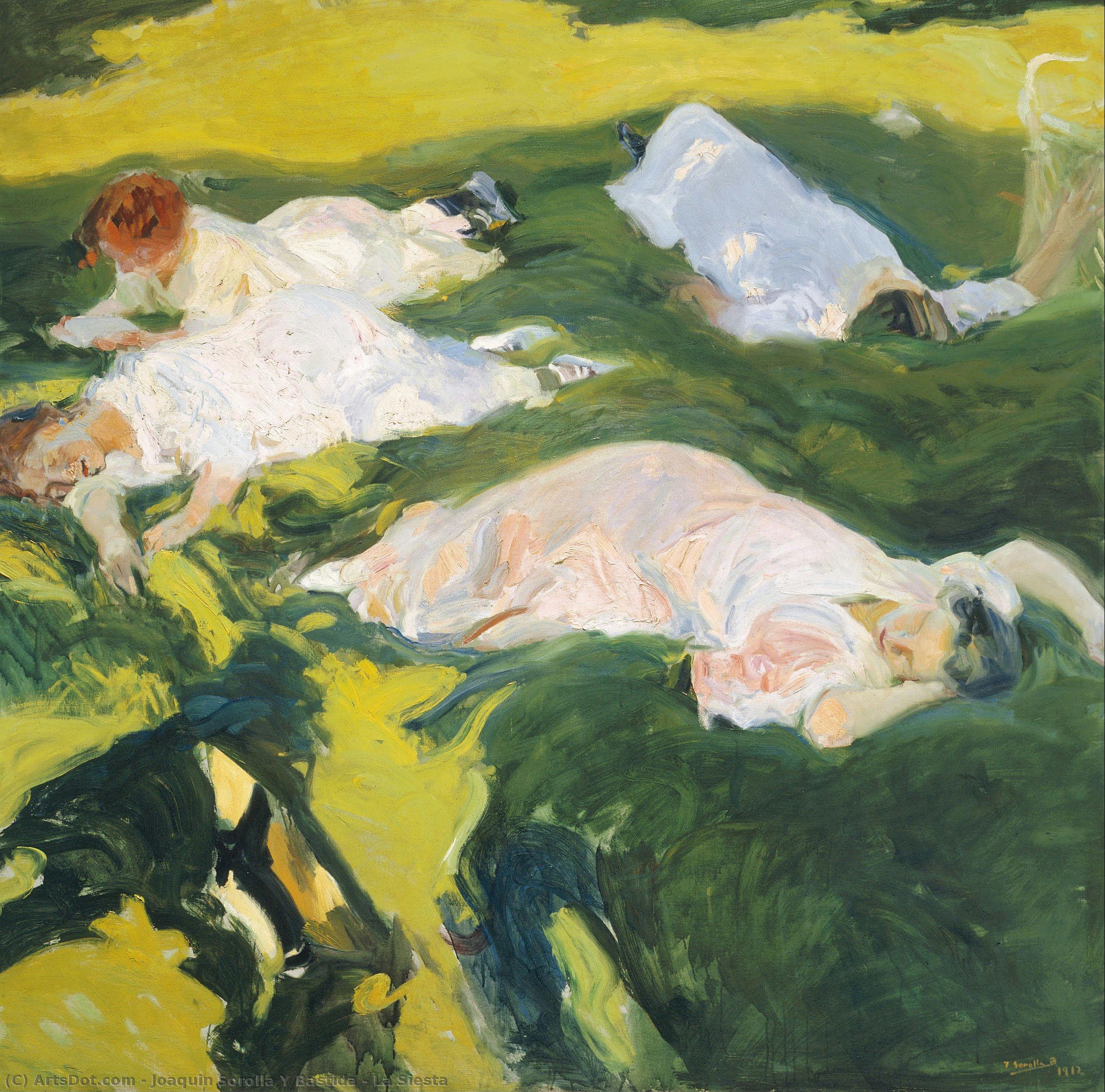
Sorolla meticulously portrays a scene of serene repose – four women reclining on the grass beneath the shade of olive trees. These figures represent Sorolla’s wife, María Mercè Farreras, their two daughters, Julieta and Cristiana, and a cousin. The composition eschews grand vistas or dramatic narratives; instead, it focuses intently on the intimate details of everyday life. This deliberate choice reflects Sorolla's belief that true beauty resides in capturing the simplest pleasures and emotions—a sentiment powerfully conveyed through the languid postures of the women and their quiet contemplation.Sorolla’s Technique: Impressionistic Brilliance
Sorolla’s masterful technique is instantly recognizable. He employs rapid, loose brushstrokes – a hallmark of Impressionism – to achieve an astonishing effect of light and color. The artist abandons traditional perspective, flattening the canvas to heighten the sense of presence and immediacy. Notice particularly the vibrant emerald green of the grass, rendered with shimmering pigments that seem to vibrate with warmth. Sorolla’s palette is dominated by shades of yellow and ochre, mirroring the golden glow of the afternoon sun. These colors aren't merely descriptive; they are emotionally charged, evoking feelings of comfort, serenity, and nostalgia for summer days gone by. The artist skillfully blends color onto color, creating a hazy atmosphere that softens edges and enhances the overall impression of softness and tranquility.Historical Context: Spain at the Dawn of Modernity
“La Siesta” emerges from a pivotal period in Spanish history – the Belle Époque—a time marked by optimism, artistic experimentation, and burgeoning social reform. Sorolla’s work aligns perfectly with the broader Impressionist movement's rejection of academic conventions and embrace of subjective experience. He was influenced by artists like Claude Monet and Pierre-Auguste Renoir, who similarly sought to capture the fleeting beauty of nature and human emotion. However, Sorolla distinguishes himself through his unwavering commitment to portraying Spanish life authentically—a conscious effort to celebrate the nation’s cultural heritage while simultaneously engaging with new artistic ideas.Symbolism: Light as Embodiment of Peace
The pervasive luminescence of “La Siesta” is laden with symbolic significance. Light, for Sorolla, represents not merely illumination but also vitality and spiritual transcendence—themes central to his artistic philosophy. The dappled sunlight filtering through the olive trees symbolizes respite from labor and responsibility, fostering a state of blissful inactivity. Furthermore, the reclining posture of the women embodies vulnerability and acceptance – an invitation to pause, reflect, and savor the beauty of the present moment. Sorolla’s deliberate exclusion of the horizon reinforces this sense of enclosure and intimacy, drawing the viewer into the tranquil heart of the scene.Emotional Impact: A Balm for the Soul
Ultimately, “La Siesta” succeeds in transporting the viewer to a place of profound peace and contentment. Sorolla's masterful rendering of light and color evokes feelings of warmth, nostalgia, and joy—a testament to his ability to capture not just what he saw but also what he felt. It’s a painting that speaks to our deepest desires for simplicity, beauty, and connection with nature—a timeless masterpiece that continues to resonate with audiences today.أعمال فنية ذات صلة


السيرة الذاتية للفنان
Joaquín Sorolla y Bastida: A Life Bathed in Light
Joaquín Sorolla y Bastida, a name synonymous with the radiant light and vibrant energy of Spain, was more than just a painter; he was a chronicler of his nation’s soul. Born in Valencia in 1863, Sorolla's early life was marked by tragedy. Orphaned at the tender age of two following a cholera epidemic that claimed both parents, young Joaquín and his sister were raised by their maternal aunt and uncle. This early experience with loss perhaps instilled within him a profound appreciation for the fleeting beauty of life – a sentiment that would permeate his art. Though hardship shadowed his beginnings, it did not dim the spark of artistic talent that quickly became apparent. He received initial instruction in Valencia, demonstrating an aptitude that led to studies under established artists like Cayetano Capuz and José Benlliure, eventually culminating in a four-year grant to study in Rome. It was there, amidst the classical grandeur of Italy, that Sorolla began to forge his unique artistic path, absorbing influences while simultaneously developing a style distinctly his own.Early Life and Artistic Beginnings
Joaquín Sorolla’s formative years were shaped by profound loss and circumstance. Born into a modest Valencian family—his father a tradesman and his mother Concepción Bastida—the sudden demise of both parents at just two years old due to cholera irrevocably altered the trajectory of his life. He and his sister, Concha, found solace in the care of their maternal aunt and uncle, fostering within him an empathy for vulnerability and resilience – qualities that would inform his artistic vision throughout his career. Recognizing his exceptional talent from a young age, Sorolla pursued formal art education at Valencia’s School of Artisans, honing his skills under instructors like Cayetano Capuz and José Benlliure. This early exposure to artistic principles laid the groundwork for his subsequent explorations into diverse styles and mediums. At eighteen he travelled to Madrid where he studied master paintings in the Museo del Prado, absorbing the legacy of Velázquez and other titans of Spanish art.Rome: The Crucible of Style
A pivotal moment arrived when Sorolla secured a prestigious grant enabling him to embark on a four-year residency in Rome—a pilgrimage to the heart of artistic innovation during the Belle Époque. Amidst the monumental sculptures and architectural splendor of the Italian capital, he encountered artists who championed Impressionism and Luminism – movements that profoundly impacted his aesthetic sensibilities. Notably influential were exhibitions featuring Jules Bastien-Lepage and Adolf von Menzel, whose works challenged academic conventions and embraced a more spontaneous approach to representation. Sorolla’s time in Rome solidified his commitment to capturing the ephemeral qualities of light and color—a stylistic hallmark that would define his oeuvre for decades to come. He diligently studied under José Benlliure and Emilio Sala, absorbing techniques and perspectives that broadened his artistic horizons.From Historical Narratives to Sun-Drenched Realism
Sorolla’s initial artistic endeavors leaned toward the grand narratives of history and mythology—large-scale canvases depicting heroic figures and dramatic events. However, a transformative shift occurred upon his return to Spain as he turned his gaze towards the everyday lives of his countrymen—particularly those inhabiting the vibrant coastal region of Valencia. The intense Mediterranean sunlight, the shimmering sea, and the palpable energy of human interaction became Sorolla’s primary subjects—a deliberate rejection of academic formalism in favor of a more immediate and emotionally resonant aesthetic. This stylistic evolution culminated in masterpieces like Sad Inheritance (1899)—a poignant depiction of children afflicted by polio bathing in the sea—which garnered considerable acclaim but simultaneously revealed Sorolla's compassionate engagement with social issues. The painting powerfully conveyed empathy for those marginalized by circumstance, demonstrating Sorolla’s artistic commitment to portraying human experience with sensitivity and nuance.The Luminist Vision: Light as Subject Matter
Sorolla’s technique became instantly recognizable—a bravura display of brushwork characterized by loose, energetic strokes that conveyed movement and atmosphere. He worked *en plein air* whenever possible, confronting the challenges of capturing fleeting light conditions head-on. This dedication to painting outdoors resulted in canvases brimming with life and immediacy—a stylistic decision that distinguished him from many of his contemporaries who favored studio settings. His beach scenes—perhaps his most iconic works—are not merely picturesque representations of leisure; they are studies in luminosity, reflections, and the joyful interaction between people and their environment. Paintings like Children on the Seashore and Sewing the Sail exemplify this mastery—figures bathed in golden light, rendered with a remarkable sense of spontaneity and vitality. Sorolla wasn’t interested in meticulous detail; rather, he sought to convey the *impression* of reality, prioritizing atmosphere and emotion over precise representation. This approach earned him comparisons to Impressionists like Monet and Renoir, but Sorolla's work possessed a unique Spanish character—a warmth, intensity, and emotional depth that set it apart. He achieved remarkable success in his early years, securing prestigious commissions and garnering widespread recognition for his artistic prowess. ## Major Achievements & Recognition- 1892: Gold medal at the National Exhibition in Madrid for Another Marguerite
- 1894: Acclaimed for The Return from Fishing: Hauling the Boat, acquired by the Musée du Luxembourg
- 1899: Grand Prix and medal of honor at the Universal Exhibition in Paris for Sad Inheritance
- 1900-1923: Extensive exhibitions throughout Europe and the United States, establishing international recognition
- 1912-1928: Commissioned to create Vision of Spain for the Hispanic Society of America (completed posthumously)

خوآكين سورولَا ي باستيدَا
1863 - 1923 , إسبانيا
لمحة سريعة
- Artistic Movement Or Style: إمبراسيووني، لومينيسم
- Artists Who Influenced This Artist:
- فرانسيسكو برadilla
- جيولس باستيان ليپاغ
- أدولف فون مينزل
- Date Of Birth: ٢٧ فبراير ١٨٦٣
- Date Of Death: ١٠ أغسطس ١٩٢٣
- Full Name: Joaquín Sorolla y Bastida
- Nationality: إسبانية
- Notable Artworks: ['مارجريت أخرى"، "جلب القارب"، "العائد من الصيد"، "الخادمة البيضاء"، "الأطفال على الشاطئ"، "تثبيت البساط']
- Place Of Birth: فالنسيا، إسبانيا

