

 معاينة الحجم الواقعي
 مشاركة
 مشاركة
 التفاصيل
 دليل
دليل

 تحميل الملف
 قطع مشابهة
 الأشعة السينية
 عرض شرائح
 Q&A
Q&A الإحصائيات
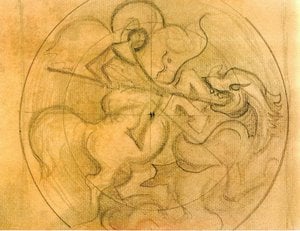
Untitled (475)
 عرض المزيد
إن العمل الفني المعروض في هذه الصفحة محمي بموجب قوانين حقوق الطبع والنشر، مما يعني أنه لا يحق لنا قانوناً إنشاء أو بيع نسخ مطابقة له. وتُطبق هذه الحماية بموجب الاتفاقيات الدولية مثل الـ اتفاقية برن ووفقاً للقوانين الوطنية، بما في ذلك تلك المنصوص عليها في قانون حقوق الطبع والنشر في الولايات المتحدة - الباب 17.
تتوافق هذه الطريقة تماماً مع لوائح حقوق النشر لأنها لا تتضمن نسخ أو تكرار العمل الفني المحمي، بل هي إعادة تفسير إبداعية؛ أي أنها لوحة جديدة مستوحاة من الأصل ولكنها ليست مطابقة له.
طباعة جيلي / مطبوعات فنية
طباعة جيكلي أو كانفاس بجودة المتاحف، مع سرعة في التنفيذ وخيارات متنوعة للتشطيب. ( شراء لوحة مرسومة يدويًا الانتقال إلى الصورة الرقمية)




































اختر من بين أحجامنا المُعدّة مسبقاً والتي تتوافق مع النسب الأصلية للعمل الفني.

أدخل العرض والارتفاع المطلوبين ليتناسب المقاس مع إطارك أو جدارك. يرجى الملاحظة أن المطبوعة يمكن قصها فقط ولا يمكن تكبيرها لتتجاوز أبعاد الصورة الأصلية، لذا فإن اختيار مقاس بأبعاد مختلفة سيؤدي إلى فقدان جزء من الصورة. سنرسل لك نموذجاً رقمياً تجريبياً لاعتماده قبل البدء في عملية الطباعة. الصورة المعروضة في هذه الصفحة لا توضح شكل القص الفعلي — النموذج التجريبي فقط هو ما يظهر ذلك بدقة.
توصيل عالمي إلى خلال أسبوعين بدلاً من المدة القياسية البالغة 4/5 أسابيع. (2 نوفمبر)

شحن سريع ومجاني لجميع أنحاء العالم

قماش كتان عالي الجودة

تأمين شامل على الشحن

ضمان استرداد الرسوم الجمركية

ضمان مطابقة الألوان الحقيقية

سياسة الإرجاع خلال 100 يوم (في حالات العيوب فقط)

ضمان استرداد نقدي بنسبة 100%

خصم عند طلب كميات
 خيار الزجاج متاح فقط للمقاسات التي تقل عن 110 سم

Untitled (475)
طباعة جيلي / مطبوعات فنية
مقاس النسخة المطبوعة
-


إجمالي السعر النهائي
E£ 3243
أعمال فنية ذات صلة


السيرة الذاتية للفنان
The Romantic Visionary of Mexican Identity
Jesús Enrique Emilio de la Helguera Espinoza, known to the world as Jesús Helguera, was far more than a mere illustrator; he was a painter of legends who captured the very soul of Mexico through a lens of profound romanticism. Born in Chihuahua in 1910, his early life was a tapestry of movement and cultural immersion. The winds of the Mexican Revolution swept his family from the heart of Mexico to the historic streets of Spain, settling eventually in Madrid. It was within the hallowed, silent halls of the Prado Museum that a young Helguera first encountered the masters, an experience that planted the seeds of an enduring aesthetic: a seamless blend of European academic precision and an unyielding devotion to his Mexican roots.
His formal education at the Escuela Superior de Bellas Artes and the Academia de San Fernando provided him with the technical rigor necessary to translate complex mythologies into vibrant visual narratives. Under the guidance of masters such as Cecilio Plá and Julio Romero de Torres, Helguera mastered the delicate use of gouache and oil, developing a style that could oscillate between the ethereal beauty of a pin-up girl and the epic gravity of an Aztec legend. When the Spanish Civil War forced his return to Veracruz, Mexico, he did not merely return to a homeland; he returned to a mission. He began to weave the fragmented pieces of Mexican history—its indigenous deities, its colonial religious fervor, and its sweeping landscapes—into a cohesive visual language that resonated with a nation seeking its own identity.
A Legacy Painted in Legend and Light
Helguera’s career reached its zenith through his ability to bridge the gap between high art and popular culture. While contemporaries were focused on the political grit of the muralist movement, Helguera pursued a more lyrical path, finding divinity in the landscape and heroism in folklore. His work became an omnipresent part of Mexican daily life, gracing the surfaces of cigar boxes, magazines, and most famously, the iconic calendars of Cigarrera La Moderna. These mass-produced works allowed his romanticized visions to enter the homes of millions, turning his paintings into shared cultural touchstones.
The themes of his oeuvre are as varied as they are evocative:
- Aztec Mythology: He breathed life into ancient gods, most notably in his masterpiece La Leyenda de los Volcanes, where the tragic romance of Popocatépetl and Iztaccíhuatl is rendered with breathtaking emotion.
- Catholic Devotion: His depictions of figures like Juan Diego and the Virgin of Guadalupe infused religious iconography with a tender, humanistic warmth.
- The Mexican Landscape: He possessed an uncanny ability to idealize the rugged beauty of the Mexican terrain, making the mountains and valleys appear as characters in their own right.
- Cultural Archetypes: From the strength of La Malinche to the idealized grace of indigenous women, his figures embodied a romanticized vision of the Mexican spirit.
Through his brush, the past was never dead; it was a living, breathing presence. Even as he navigated the commercial demands of illustration, Helguera maintained an artistic integrity that elevated popular imagery to the realm of fine art. His death in 1971 marked the end of an era, yet his influence persists. He remains a pivotal figure of Mexican modernism, a painter who taught a nation to see its own history not just as a series of dates and battles, but as a beautiful, enduring legend written in color and light.

Jesús Helguera
1910 - 1971 , Mexico
حقائق سريعة
- Full Name: Jesús Enrique Emilio de la Helguera Espinoza
- Nationality: Mexican
- Date Of Birth: 1910
- Date Of Death: 1971
- Place Of Birth: Chihuahua, Mexico
- Notable Artworks:
- La Leyenda de los Volcanes
- La Leyenda
- Popocatépetl & Ixtaccihuatl
- Hidalgo
- Artistic Movement Or Style: Romantic Modernism
- Artists Who Influenced This Artist:
- Gustavo Delfín
- José María Velasco
- Artists Or Movements Influenced By This Artist: ['Romanticism']