

- 74.0 x 195.0 cm


تتبع الصورة اختياراتك: , .
وصف القطعة المقتناة
Admire Jean Goujon's 'Naiad,' a stunning Renaissance sculpture depicting a graceful water nymph from 1547. A masterpiece of detail and classical beauty, showcasing intricate drapery and serene form.
 عرض المزيد
السيرة الذاتية للفنان
كان جان جوجون (1510-1567) نحاتاً ومعمارياً فرنسياً رائداً في عصر النهضة، اشتهر بأسلوب المانييرية وتماثيله الأنيقة وأعماله في اللوفر. استكشف منحوتاته للحوريات والرموز والنقوش التي أثرت في الكلاسيكية الفرنسية.
نسخة زيتية مرسومة يدوياً
لوحة زيتية مرسومة يدوياً على الكانفاس بالمقاس والإطار الذي تفضله، تُنفذ حسب الطلب على أيدي فنانينا. ( التبديل إلى نسخة مطبوعة الانتقال إلى الصورة الرقمية)
المزيد حول هذه اللوحة
 مشاركة
 مشاركة
 التفاصيل
 دليل
دليل

 تحميل الملف
 قطع مشابهة
 عرض شرائح
 الأسئلة والأجوبة
 الإحصائيات
اطلب لوحتك في أربع خطوات بسيطة
خذ وقتك؛ يمكنك تغيير أي إجابة، حيث يتغير السعر في سلة طلبك بناءً على كل اختيار.
1 الخطوة الأولى من أصل أربع
أي حجم تود اختيار؟
تحافظ هذه المقاسات على أبعاد اللوحة الأصلية. ويُظهر الرسم التوضيحي اختيارك معروضاً على جدار، فوق أريكة بطول مترين.
أو أدخل مقاساتك الخاصة
اختر من بين أحجامنا المُعدّة مسبقاً والتي تتوافق مع النسب الأصلية للعمل الفني.

أدخل العرض والارتفاع اللذين تحتاجهما ليتناسب العمل مع إطارك أو جدارك. وبما أن هذه اللوحة مرسومة يدوياً، ففي حال اختيار مقاس بأبعاد مختلفة، يمكن للفنان رسم مساحة إضافية حول الصورة أو تقليصها قليلاً — الخيار لك. سنرسل لك نموذجاً رقمياً تجريبياً لاعتماده قبل البدء في الرسم. علماً بأن الصورة المعروضة في هذه الصفحة لا تعكس النتيجة النهائية الحقيقية، فالنموذج التجريبي هو الوحيد الذي يوضح ذلك بدقة.
2 الخطوة الثانية من أصل أربع
كيف تفضل استلامه: ملفوفاً، أم مشدوداً على إطار، أم مؤطراً؟
الأسعار أدناه هي للمقاس الذي اخترته في الخطوة الأولى.
اختر حواف اللوحة القماشية المشدودة
اختر إطارك

أبيض E£1

حواف ضبابية E£1

ممتد الحواف E£1

P118B E£10

P118H E£10

P118W E£10

P438Z E£10

P508JH E£12

P508YH E£12

P805H E£10

P805Z E£10

P919BZ E£10

P919G E£10

P919XJ E£10

P959ZH E£10

P968JZ E£12

W106C E£8

W218G E£10

W218JH E£8

W218Y E£10

W307PJ E£10

W316G E£10

W316PJ E£8

W316Y E£10

W398PJ E£8

W4111J E£10

W500HY E£15

W500JH E£15

W692G E£12

W849H E£8

W940BG E£15

W953PJ E£8

H24-GOLD E£30

H24-SILVER E£30

H36-GOLD E£45

H36-SILVER E£45
مؤطر
الإطار: . الحجم الإجمالي مع الإطار: .
3 الخطوة الثالثة من أصل أربع
هل تود إجراء أي تغييرات على اللوحة؟
تكون الإجابة "لا" لدى معظم الناس؛ فبما أن كل لوحة تُصنع يدوياً، يمكن لفناننا أيضاً تخصيصها لتناسب ذوقك.
بعد الطلب، سيقوم فريق ArtsDot.com بمراسلة العميل عبر البريد الإلكتروني للحصول على التعليمات وتزويده بمعاينة تجريبية للعمل
4 الخطوة الرابعة من أصل أربع خطوات
بعض خيارات اللمسات النهائية
جميعها اختيارية. الإجابات المختارة مسبقاً لا تترتب عليها أي تكاليف إضافية.
من رسمها؟
توصيل عالمي إلى خلال 3 إلى 4 أسابيع بدلاً من المدة المعتادة البالغة 5 أسابيع. (6 نوفمبر). جودة لا تهاون فيها.
لوحة تعريفية، تماماً كما في المتاحف؟
تفاصيل اللوحة البرونزية المحفورة
This elegant plaque features the artist's name and the title of the artwork, finely engraved for a timeless presentation.
It is made from bronze with a refined, elegant finish. The text is precisely laser-engraved for a sharp and permanent result. Measuring 9x2 cm, the plaque is compact yet easy to read. It's built to be durable and scratch-resistant, offering a professional, museum-quality look. Mounting is simple thanks to the included adhesive backing.
تفاصيل اللوحة الأكريليكية الشفافة
The plaque includes essential engraved details such as the artist's name, the title of the artwork, the date it was created, the type of media used-like oil on canvas or watercolor-a brief description of the piece, and a QR code that links to the complete artwork information.
It is crafted from clear acrylic, offering a sleek, modern appearance. The text is UV-engraved in black to ensure strong visual contrast. With a size of 10x15 cm, it ensures optimal readability. It comes equipped with two metal hooks for secure wall mounting. The plaque is designed to be weather-resistant, making it suitable for various environments, and it includes interactive features that work seamlessly with smartphone scanning.
تفاصيل اللوحة الأكريليكية السوداء
This elegant plaque includes engraved information such as the artist's name, the title of the artwork, the date it was created, the type of media used (like oil on canvas or watercolor), a short description of the artwork, and a QR code for quick access to more information.
The plaque itself is made from refined black acrylic with a premium finish. The text is laser-engraved in white for high contrast and readability. Its size is 10x15 cm, designed to be easy to read. It comes with two metal hooks for professional mounting. The design is sleek and fits any interior style. It is also weather-resistant and durable, with built-in digital integration for mobile compatibility.
ورنيش واقٍ؟
متى تحتاجها؟
✓ المراجعة والطلب
لوحتك، تماماً كما طلبتها

Naiad
خامة النسخة المطبوعة
مقاس النسخة المطبوعة
-

نخبة كبار الفنانين
مزيد من التفاصيل، والبراعة، ووقت إضافي للإنتاج
-

إطار النسخة المطبوعة
-
-
بالنسبة للأعمال الفنية أو النسخ المطبوعة التي يتجاوز طول أي من أضلاعها 105 سم (حوالي 41 بوصة)، سيتم شحن الإطار كمجموعة مفككة؛ حيث تضمن هذه الطريقة سلامة التوصيل وتمنع حدوث أي أضرار أثناء النقل.
يتطلب الأمر تجميعاً احترافياً - هذا المنتج ليس مخصصاً للتركيب الذاتي.
يجب تجميع المجموعة وشد القماش بواسطة فني إطارات محترف وخبير، باستخدام غراء الخشب (غير مرفق)، وكماشة شد القماش، وملاقط لتثبيت القضبان بشكل مستوٍ أثناء جفاف الغراء. إن التجميع غير الصحيح أو عدم توازن شد القماش قد يؤدي إلى تلف العمل الفني بشكل دائم، وهو أمر لا يغطيه الضمان الخاص بنا.
 بالنسبة للأعمال الفنية أو النسخ المطبوعة التي يتجاوز طول أي من أضلاعها 105 سم (حوالي 41 بوصة)، سيتم شحن الإطار كمجموعة مفككة؛ حيث تضمن هذه الطريقة سلامة التوصيل وتمنع حدوث أي أضرار أثناء النقل.
تتضمن المجموعة جميع القطع الخشبية الصلبة، والمقطعة بدقة لتناسب المقاسات المطلوبة.
يتم التجميع باستخدام البراغي المرفقة، بالإضافة إلى غراء الخشب للوصلات الزاوية، وهو غير مرفق ويجب توفيره من قبل فني التأطير الخاص بك.
تتطلب العملية استخدام أدوات احترافية غير مدرجة في المجموعة: مثل زرادية شد القماش (أداة شد) وملاقط لتثبيت القضبان بشكل مستوٍ أثناء جفاف الغراء.
تنبيه هام:
تتطلب الوصلات الزاوية استخدام غراء الخشب، كما يجب تثبيت القضبان باستخدام المشابك حتى يجف الغراء تماماً، ويتطلب شد القماش على الإطار المجمع استخدام كماشة شد القماش. لا تشتمل المجموعة على أي من هذه الأدوات؛ لذا يرجى التواصل مع فني تأطير محترف قبل طلب هذا المقاس.

بطاقة التعريف
-
-

ورنيش واقٍ
ورنيش لامع (يُبرز الألوان ويحمي من الضوء والرطوبة)
-

تخصيص عملي الفني
أمثلة على التعديلات المتاحة: استبدال الوجه بصورة العميل؛ إضافة حيوان أليف (مثل استبدال قطة بكلب)؛ إدراج رسالة مخفية في الخلفية؛ تغيير المناظر الطبيعية أو العناصر في الخلفية.
-

شحن سريع
توصيل عالمي إلى خلال 3-4 أسابيع بدلاً من المدة المعتادة البالغة 5 أسابيع. (6 نوفمبر). جودة لا تضاهى.
-
شحن سريع
توصيل عالمي إلى خلال 5 أسابيع. (13 نوفمبر).
مُضمَّن
إجمالي السعر النهائي
E£ 15084
خيار الزجاج متاح فقط للمقاسات التي تقل عن 110 سم
مرفق مع كل طلب
- شحن سريع ومجاني لجميع أنحاء العالم
- قماش كتان عالي الجودة
- تأمين شامل على الشحن
- ضمان استرداد الرسوم الجمركية
- ضمان مطابقة الألوان الحقيقية
- سياسة الإرجاع خلال 100 يوم (في حالات العيوب فقط)
- ضمان استرداد نقدي بنسبة 100%
- خصم عند طلب كميات


A Whisper from the Waters: Jean Goujon’s Naiad
Jean Goujon's "Naiad," sculpted in 1547, is more than just a depiction of a water nymph; it’s a frozen moment of graceful longing and timeless beauty. This limestone relief, now housed within the Royal Łazienki Park in Warsaw, Poland, offers a captivating glimpse into the heart of Renaissance Mannerism – a style characterized by its elegant fluidity, heightened emotion, and subtle distortions that imbue figures with an almost palpable sense of movement.
The sculpture immediately draws the eye to the reclining figure, whose form is both powerfully sculpted and exquisitely delicate. Goujon masterfully renders the flowing drapery, creating an illusion of water swirling around her body, a direct reference to the nymph’s aquatic origins. The pose itself—one arm extended downwards as if reaching for the depths, the other gracefully bent—suggests a quiet contemplation, a yearning for something beyond the visible world. Her face, though partially obscured by the folds of her garment, retains an expression of serene vulnerability, hinting at both beauty and a touch of melancholy.
Dominating the scene to the right is a smaller winged figure – often interpreted as an angel or cherub – seemingly observing the naiad with a mixture of concern and admiration. This pairing elevates the sculpture beyond a simple depiction of a mythological subject; it introduces elements of divine intervention and perhaps even a cautionary tale, suggesting the potential dangers inherent in pursuing unattainable desires. The contrast in scale between the two figures further emphasizes this dynamic, creating a visual dialogue that invites interpretation.
The Renaissance Embrace: Style and Technique
Goujon’s “Naiad” is a quintessential example of Mannerist sculpture, a style flourishing during the late 15th and early 16th centuries. Unlike the idealized forms of High Renaissance art, Mannerism embraced asymmetry, elongated proportions, and dramatic lighting to evoke intense emotion and psychological complexity. Goujon skillfully employs these techniques here, subtly distorting the naiad’s form – her limbs are slightly exaggerated, her features delicately rendered – to create a sense of heightened realism and emotional depth.
The sculpture's surface is remarkably smooth, achieved through meticulous carving and polishing. The artist demonstrates a profound understanding of texture, particularly in the rendering of the drapery, which appears both fluid and substantial. Notice how Goujon uses subtle variations in tone to create an illusion of light and shadow, enhancing the three-dimensionality of the relief and drawing the viewer’s eye across its surface. The use of limestone – a relatively soft stone – allowed for intricate detailing and graceful curves, essential elements of the Mannerist style.
A Mythological Echo: Symbolism and Context
The naiad herself is a figure deeply rooted in Greek mythology, representing the spirits of springs, streams, and wells. In ancient Greece, these nymphs were often associated with fertility, purity, and healing – qualities that resonated strongly within Renaissance culture. The sculpture’s placement within the Łazienki Park, originally designed as a royal retreat, further reinforces this connection to nature and the divine.
The inclusion of the winged figure adds another layer of symbolic meaning. Angels and cherubs frequently represented divine grace and protection in Renaissance art, suggesting that the naiad’s yearning is not merely a personal desire but also a reflection of humanity's longing for spiritual fulfillment. The sculpture can be seen as an allegory for the pursuit of beauty, knowledge, or even immortality – themes that preoccupied artists and intellectuals during this period.
A Legacy in Stone: Reproduction and Appreciation
Reproductions of Jean Goujon’s “Naiad” offer a remarkable opportunity to bring this exquisite work of art into your home or office. The original sculpture, crafted over 500 years ago, is a testament to the enduring power of human creativity and artistic skill. When commissioning a reproduction, consider the materials used – high-quality canvas stretched over a wooden frame will faithfully capture the essence of Goujon’s masterpiece.
More than just a decorative object, “Naiad” invites contemplation and reflection. Its graceful lines, evocative symbolism, and masterful technique make it a timeless treasure—a poignant reminder of the beauty, mystery, and enduring allure of the natural world and the human spirit. It’s a piece that speaks to our deepest longings and reminds us of the power of art to transcend time and connect us to the past.
الأسئلة والأجوبة
ما هو حجم الطباعة المقترح لـ "Naiad" للفنان جان جوجون؟
يُقترح طباعة نسخة بحجم Medium لعمل "Naiad" للفنان جان جوجون، مع إمكانية تعديل الحجم مع الحفاظ على التناسب.
ما هي الاستخدامات المقترحة لـ "Naiad" للفنان جان جوجون؟
يُنصح باستخدام نسخة مطبوعة من "Naiad" لغرض Statement.
ما هو المكان الأنسب لتعليق "Naiad" للفنان جان جوجون؟
تنسيق العمل (Panoramic) والمساحة الموصى بها (Living Room) هما التفاصيل الخاصة بوضع العمل الفني المسجلة لـ "Naiad" للفنان جان جوجون.
أعمال فنية ذات صلة


جان جوجون
1510 - 1567, فرنسا
السيرة الذاتية للفنان
النحات الذي صاغ ملامح الأناقة الباريسية
يبرز جان جوجون (نحو 1510 – نحو 1567) كحجر زاوية في فن النحت والعمارة خلال عصر النهضة الفرنسي، حيث جسّد ببراعة الاندفاع الأسلوبي للمدرسة "المانيرية" مع الحفاظ في الوقت ذاته على جذور راسخة في المبادئ الكلاسيكية. ورغم أن بدايات حياته في نورماندي لا تزال محاطة بالغموض، إلا أن إنتاجه الغزير سرعان ما جعل منه أحد أبرز الأصوات الفنية في عصره—وهو ما يعد شهادة حية على موهبته الفذة وتفانيه المطلق في حرفته. بدأت رحلة جوجون بتجارب تكوينية في إيطاليا، حيث استلهم عظمة النحت الروماني ودمج مبادئه في أسلوبه الخاص والمتميز، ويظهر هذا التأثير جلياً في كامل أعماله، لا سيان في براعته الفائقة في نحت ثنايا الملابس ودقته التشريحية المذهلة.
بدأ صعوده الفني في كاتدرائية روان (1541-42)، حيث تولى المهمة الجسيمة المتمثلة في نحت الضريح التذكاري للويس دي بريزيه، سيد أنيت؛ وهي مهمة كشفت عن مهاراته المتنامية وطموحه الكبير. وقد رسخ هذا المشروع الطموح مكانته كنجم صاعد في مشهد النحت الفرنسي. وفي الوقت ذاته، صقل قدراته المعمارية في كنيسة سان ماكلو، مظهراً قدرة فطرية على دمج الرؤية الفنية بالهندسة الإنشائية، ليقف الصرح الناتج كمثال رائع على العمارة الكنسية في عصر النهضة، عاكساً التزام جوجون بكل من الجمال الجمالي والسلامة الوظيفية.
شراكة ذات رؤية عظيمة
مع انتقاله إلى باريس في عام 1544، دخل جوجون في شراكة محورية مع بيير ليسكو، المهندس المعماري الذي أشرف على إعادة الإعمار الطموحة لكاتدرائية سان جيرمان لوزيرو. ومعاً، ابتكرا ونفذا زخارف نحتية تحبس الأنفاس—وأبرزها المنبر—الذي يعد تحفة فنية تجسد الحساسية الكلاسيكية الجديدة لدى ليسكو وتقنية جوجون المتقنة في نحت الثنايا. لقد حددت حقبة التعاون هذه اللغة البصرية لعصر النهضة الفرنسي، حيث بدأ جوجون يضفي على الحجر إحساساً بالحركة الانسيابية والنعمة الأثيرية.
ولعل ذروة تأثيره تتجلى بوضوح أكبر في مساهماته في متحف اللوفر؛ إذ تظل أعماله في واجهة كورت كاري (جناح ليسكو) إنجازاً أيقونياً، تستعرض الأناقة الكلاسيكية من خلال نقوش معقدة تعكس البراعة الفنية الفرنسية. وفي هذه الأعمال، يمكن للمرء أن يلاحظ التفاعل الدقيق بين الضوء والظل عبر التماثيل المنحوتة، وهي سمة مميزة لقدرته على بث الحياة في الرخام البارد. وقد امتد إتقانه ليشمل واجهة اللوفر (تفاصيل)، حيث أدى اهتمامه الفائق بالتفاصيل إلى خلق تحفة من أسلوب المانييرية، يمزج بين الأناقة الكلاسيكية والنقوش المتشابكة التي لا تزال تأسر المشاهدين بعد مرور قرون.
إرث النعمة والشكل الكلاسيكي
يتحدد إرث جوجون بقدرة لا تضاهى على التناغم بين توتر المدرسة المانييرية وسكينة الكلاسيكية. فغالباً ما تتميز منحوتاته بالحوريات والشخصيات الرمزية التي تبدو وكأنها تطفو داخل إطاراتها المعمارية، وهي تقنية تجلت في أبهى صورها في أعماله المعروفة باسم الكارياتيد. تمثل هذه الشخصيات العشر المتقنة ذروة فن النحت الفرنسي في القرن السادس عشر، حيث تمنح المشاهد شعوراً بالعظمة الكلاسيكية والأناقة الراقية. ومن خلال هذه الأعمال، لم يكتفِ جوجون بتزيين المباني فحسب، بل نحت الهوية الجوهرية للرقي الجمالي الفرنسي.
إن الأهمية التاريخية لأعماله لا يمكن المبالغة في تقديرها، حيث أثر نهجه في التشريح وثنايا الملابس على أجيال من الفنانين الأوروبيين. إن قدرته على تحويل الحجر الثقيل إلى أشكال إيقاعية متدفقة وضعت معياراً للكلاسيكية الفرنسية استمر طويلاً بعد وفاته. واليوم، تظل بقايا عبقريته—من التفاصيل المعقدة في أجنحة اللوفر إلى تأثيره العميق على الزخرفة المعمارية—شاهداً باقياً على رجل صاغ حقاً ملامح الأناقة في باريس.
مقالات ذات صلة
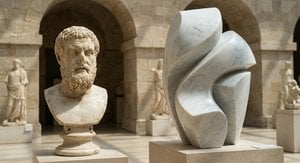
The Enduring Allure of Marble in Art History: From Classical Sculpture to Modern Abstraction
Explore the captivating history of marble sculpture from ancient Greece to modern art. Discover renowned artists like Canova & Michelangelo, carving techniques, and investment insights at ArtsDot.

The Enduring Form: Sculpture Across History, Technique & Emotional Resonance
Explore the rich history of sculpture with ArtsDot. Discover key techniques, influential artists & investment potential for discerning collectors. Expert insights into valuing and collecting timeless masterpieces.

The Enduring Form: Exploring Themes & Techniques in Sculpture Across Historical Periods
Explore the rich history of sculpture from ancient masterpieces to contemporary innovations. Discover key techniques, influential artists & investment potential for discerning art collectors.