


 معاينة الحجم الواقعي
 إرسال
إرسال مشاركة
 عرض التفاصيل
 دليل الأعمال الفنية للطلاب

 تحميل
تحميل
 قطع مشابهة
 الأشعة السينية
 عرض شرائح متتابع
 الإحصائيات
Study
 Oil On Canvas
- WallArt
- Realism
 1845
1845 70.0 x 97.0 cm
 متحف الإرميتاج
 اقرأ المزيد
طباعة جيلي / مطبوعات فنية
طباعة جيكلي أو كانفاس بجودة المتاحف، مع سرعة في التنفيذ وخيارات متنوعة للتشطيب. ( اطلب نسخة مرسومة يدويًا التحويل إلى الصورة الرقمية)




P118B E£10

P118H E£10

P118W E£10

P438Z E£10

P508JH E£12

P508YH E£12

P805H E£10

P805Z E£10

P919BZ E£10

P919G E£10

P919XJ E£10

P959ZH E£10

P968JZ E£12

W106C E£8

W218G E£10

W218JH E£8

W218Y E£10

W307PJ E£10

W316G E£10

W316PJ E£8

W316Y E£10

W398PJ E£8

W4111J E£10

W500HY E£15

W500JH E£15

W692G E£12

W849H E£8

W940BG E£15

W953PJ E£8




اختر من بين أحجامنا المُعدّة مسبقاً والتي تتوافق مع النسب الأصلية للعمل الفني.

أدخل العرض والارتفاع اللذين تحتاجهما، ليتناسب مع إطارك أو جدارك. يمكن قص المطبوعة فقط، ولا يمكن أبداً جعلها أكبر من الصورة الأصلية، لذا فإن أي مقاس بشكل مختلف سيؤدي إلى فقدان جزء من الصورة. سنرسل لك نموذجاً رقمياً تجريبياً لاعتماده قبل البدء في عملية الطباعة. الصورة المعروضة في هذه الصفحة لا توضح القص الفعلي — النموذج التجريبي فقط هو ما يظهر ذلك.
توصيل عالمي إلى خلال أسبوعين بدلاً من المدة القياسية البالغة 4/5 أسابيع. (22 أكتوبر)

شحن سريع ومجاني لجميع أنحاء العالم

قماش كتان فاخر

تأمين شامل على الشحن

ضمان استرداد الرسوم الجمركية

ضمان دقة مطابقة الألوان

سياسة الإرجاع خلال 100 يوم (في حالات العيوب فقط)

ضمان استرداد نقدي بنسبة 100%

عرض خصم الكميات
 خيار الزجاج متاح فقط للمقاسات التي تقل عن 110 سم

Study
طباعة جيلي / مطبوعات فنية
مقاس النسخة المطبوعة
-


إجمالي السعر
E£ 3188
A Snapshot of a Vibrant Era: The Essence of Jean-Baptiste Madou's "Study"
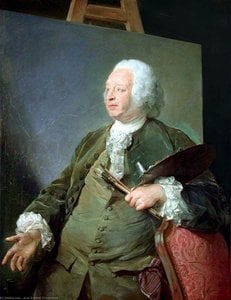
Jean-Baptiste Madou, a pivotal figure in the history of Belgian art, possessed an extraordinary ability to capture the essence of everyday life. His paintings weren’t grand historical narratives or mythological scenes; instead, he focused on the bustling realities of his time – the social interactions, labors, and simple pleasures of ordinary people. “Study,” painted in 1845, offers a remarkably intimate glimpse into this world, transporting us to a lively tavern interior brimming with activity and conversation. It’s more than just a depiction of a room; it's a carefully constructed tableau vivant, a frozen moment of communal life that speaks volumes about the values and rhythms of 19th-century Belgium.
The painting immediately draws the eye into a crowded space, meticulously rendered with a keen observational eye. Madou’s composition is deliberately dense, layering figures across multiple levels – men standing at tables, women seated, children playing on the floor. This creates a powerful sense of depth and movement, as if we are stepping directly into the heart of the scene. The artist skillfully employs overlapping forms and receding planes to achieve this effect, mimicking the visual experience of navigating a busy public space. The perspective is subtly flattened, a common technique in genre paintings designed to accommodate the numerous figures within a confined setting, prioritizing the overall narrative over strict realism.
Realism Infused with Dramatic Light: Technique and Style
Madou’s style leans heavily towards realism, yet it's far from a purely objective representation. He imbues his scenes with a theatrical quality, suggesting an underlying story or event unfolding before our eyes. The figures are not simply posed; they are engaged in animated conversation, drinking, eating, and playing – typical activities for such a space. A man reading aloud to the group adds a layer of narrative complexity, hinting at shared stories and communal bonds. The brushwork is visible, adding texture and character to the scene, reflecting Madou’s commitment to capturing the materiality of his subjects. Notice how he uses short, broken strokes to define the rough plaster walls and wooden furniture, contrasting with smoother, blended techniques for rendering the clothing and faces.
The lighting is particularly striking, emanating from an unseen source above and slightly in front of the scene. This creates a dramatic interplay of light and shadow, defining the forms of the figures and adding volume to the space. The darker areas suggest intimacy and enclosure, while the brighter patches highlight moments of interaction and activity. Madou’s masterful use of chiaroscuro – the contrast between light and dark – not only enhances the visual impact but also contributes to the painting's overall mood, creating a sense of warmth and conviviality.
Symbolism and Social Commentary: A Reflection of Belgian Society
Beyond its immediate depiction of tavern life, “Study” offers subtle insights into 19th-century Belgian society. The abundance of food and drink – overflowing platters, brimming tankards – symbolizes prosperity and hospitality, reflecting the relative economic stability of the period. The presence of children adds a touch of innocence and playfulness, reminding us of the future generations within this community. However, there’s also an element of social observation; Madou subtly captures the dynamics of power and interaction within the group, hinting at hierarchies and unspoken rules. The scene is not simply celebratory; it's a carefully observed portrait of a complex social fabric.
A Timeless Masterpiece: Reproduction and Legacy
“Study” by Jean-Baptiste Madou stands as a testament to his remarkable talent for capturing the spirit of his time. Reproductions, such as those offered by ArtsDot.com, allow us to appreciate the painting’s intricate details and vibrant atmosphere in our own homes. Whether adorning a living room wall or serving as a focal point in an office space, this artwork evokes a sense of warmth, community, and timeless charm. It's a window into a bygone era, inviting viewers to contemplate the enduring values of social connection and shared experience.
الأسئلة والأجوبة
هل العمل "Study" للفنان Jean Baptiste Madou ضمن الملكية العامة، ولماذا؟
إن عمل "Study" للفنان Jean Baptiste Madou يندرج ضمن ملك عام - انتهت مدة حماية حقوق الطبع والنشر الخاصة به. وتبدأ مدة حماية حقوق الطبع والنشر من تاريخ وفاة الفنان، والتي حدثت في عام 1877.
هل يمكنني استخدام تقنية الواقع المعزز لرؤية "Study" للفنان Jean Baptiste Madou في غرفتي؟
تتوفر ميزة المعاينة بالواقع المعزز لـ "Study": حيث تعرض صفحة معاينة الواقع المعزز العمل الفني في مساحتك الخاصة عبر جهاز متوافق.
متى تم إنجاز "Study" وبأي مواد؟
أُنجزت لوحة "Study" في عام 1845، باستخدام Oil On Canvas.
أعمال فنية مشابهة




نبذة عن الفنان
The Dawn of a Belgian Visionary
Born in the heart of Brussels in 1796, Jean Baptiste Madou emerged as a vital voice in the rich tapestry of nineteenth-century Belgian art. His artistic journey began within the hallowed halls of the prestigious Brussels Academy of Fine Arts, where he studied under the disciplined guidance of Pierre Joseph Célestin François. While his early training was steeped in the formal traditions of Neoclassicism, Madou possessed a restless, observant spirit that sought something far more profound than idealized mythologies or grand historical narratives. He found his true calling not in the distant legends of antiquity, but in the breathing, bustling realities of the world around him, paving the way for a career defined by an unwavering commitment to the beauty of the everyday.From Lithographic Precision to National Chronicles
In the early decades of the nineteenth century, Madou harnessed the burgeoning power of lithography to document the very soul of his homeland. His tenure as a draftsman for the topographical military division at Kortrijk provided him with a unique and intimate vantage point, allowing him to traverse the Belgian landscape with a keen, almost scientific eye. This period was marked by an extraordinary technical evolution, as he translated the textures of rural life and the intricate customs of society into exquisite prints. Through collaborative projects such as Les vues pittoresques de la Belgique, Madou became more than just an artist; he became a visual historian, capturing the essence of Belgian heritage through a medium that could reach the hands of the many, documenting landscapes and societal nuances with unparalleled accuracy.The Parisian Transition and the Art of the Genre
As the mid-century approached, Madou’s artistic ambitions underwent a transformative shift that would redefine his legacy. Around 1840, he transitioned from the graphic precision of lithography to the rich, emotive depths of oil painting, establishing himself within the vibrant and competitive artistic circles of Paris. This move propelled him into the vanguard of Belgian Realism, where he could explore the interplay of light and shadow in much more intimate, human settings. His works from this era, such as his evocative Study (1s45), transport viewers into the heart of communal life—crowded taverns, lively interiors, and the simple, shared pleasures of the working class.- Mastery of Composition: He utilized dense, layered figures to create a profound sense of movement and spatial depth.
- Theatrical Realism: His scenes were imbued with a dramatic light that suggested unfolding narratives and hidden stories.
- Observational Depth: Every detail, from the placement of a child on a floor to the warm glow of a candle, served to ground his work in a palpable reality.
A Lasting Legacy of Everyday Splendor
The true significance of Jean Baptiste Madou lies in his ability to elevate the mundane to the level of high art. By eschewing the grandiosity of traditional historical painting for the authentic, rhythmic pulse of village and city life, he resonated deeply with the sensibilities of a changing era. His legacy is etched into the very geography of Brussels, where the Madou metro station stands as a permanent tribute to his enduring influence. Through his meticulous observation and technical versatility, Madou ensured that the fleeting, vibrant moments of nineteenth-century Belgian life would be preserved forever in a glow of painterly brilliance.
Jean Baptiste Madou
1796 - 1877 , Belgium
لمحة سريعة
- Full Name: Jean Baptiste Madou
- Nationality: Belgian
- Date Of Birth: 1796
- Date Of Death: 1877
- Place Of Birth: Brussels, Belgium
- Notable Artworks:
- The Fiddler
- The Jewel Merchant
- Generally regarded as his masterpiece
- Artistic Movement Or Style: Realist Painting
- Artists Who Influenced This Artist: ['Pierre Joseph Célestin François']
- Artists Or Movements Influenced By This Artist: ['European Genre Art']
مقالات ذات صلة

Scenes of Daily Life: A Comprehensive Exploration of Genre Painting Through History
Explore the rich history of genre painting! Discover Dutch Masters & European artists who captured everyday life with stunning realism. Learn about symbolism, techniques & lasting influence.

Jean-Baptiste-Siméon Chardin: Master of Still Life & Everyday Elegance
Explore the serene world of Jean-Baptiste-Siméon Chardin, master of still life & genre painting. Discover his revolutionary techniques, enduring legacy, and timeless depictions of everyday elegance. Learn more at ArtsDot.

Jean-Baptiste Carpeaux: Sculpting Passion & Controversy in 19th-Century France
Explore the passionate life & controversial works of Jean-Baptiste Carpeaux, a leading French sculptor of the Second Empire. Discover his realism, iconic sculptures like 'Ugolino,' and lasting legacy as a precursor to Rodin.

Jean-Baptiste Greuze: Morality, Sentiment & the Rise of Genre Painting
Explore the life & art of Jean-Baptiste Greuze, a pivotal French Rococo painter renowned for his emotionally resonant genre scenes and moral lessons. Discover his legacy & impact on 18th-century art history.

19th Century Masterpieces: 10 Paintings That Defined an Era | ArtsDot
Journey through 19th century art with ArtsDot! Explore 10 iconic paintings – from Monet & Renoir to Courbet – and discover the stories behind Romanticism, Realism & Impressionism. Find museum-quality reproductions for your home decor. Explore the full collection online!