


 معاينة الحجم الحقيقي
 مشاركة
 مشاركة
 التفاصيل
 الدليل

 تحميل الملف
 قطع مشابهة
 الأشعة السينية
 عرض شرائح
 الإحصائيات
Rinaldo abandoning Armida

 عرض المزيد
نسخة زيتية مصنوعة يدوياً
لوحة زيتية مرسومة يدوياً على الكانفاس بالمقاس والإطار الذي تفضله، تُنفذ حسب الطلب على أيدي فنانينا. ( التحويل إلى المطبوعات الانتقال إلى الصورة الرقمية)




































اختر من بين أحجامنا المُعدّة مسبقًا والتي تتطابق مع النسب الأصلية للعمل الفني.

يمكنك إدخال أبعادك الخاصة لتناسب إطارًا معينًا أو مساحة محددة. وإذا لم يتطابق الحجم الذي اخترته مع نسب الصورة الأصلية، فسنقوم إما بقص العمل الفني أو توسيع اللوحة بإضافة عناصر مرسومة يدويًا. سيتم إرسال نموذج رقمي إليك للموافقة عليه قبل بدء الإنتاج.
يرجى ملاحظة أن المعاينة على الشاشة لا تعكس عملية القص أو التوسيع الفعلية؛ حيث إن النموذج الرقمي وحده هو الذي سيوضح التكوين النهائي بدقة.
وعلى الرغم من توفر أحجام مخصصة، إلا أننا نوصي باختيار أبعاد من القائمة المحددة مسبقًا للحفاظ على النسب الأصلية للعمل الفني.
بعد إتمام الطلب، سيرسل فريق ArtsDot.com بريداً إلكترونياً للعميل لطلب التعليمات وتزويده بمعاينة تجريبية (mockup).
توصيل عالمي إلى خلال 3 إلى 4 أسابيع بدلاً من المدة المعتادة البالغة 5 أسابيع. (22 سبتمبر). جودة لا تهاون فيها.

شحن سريع ومجاني لجميع أنحاء العالم

قماش كتان عالي الجودة

تأمين شحن شامل

ضمان استرداد الرسوم الجمركية

ضمان مطابقة الألوان الحقيقية

سياسة الإرجاع خلال 100 يوم (في حالات العيوب فقط)

ضمان استرداد نقدي بنسبة 100%

خصم عند طلب عدة قطع
 خيار الزجاج متاح فقط للمقاسات التي تقل عن 110 سم

Rinaldo abandoning Armida
خامة إعادة الإنتاج
مقاس النسخة المطبوعة
-


السعر الإجمالي النهائي
$ 313
أعمال فنية ذات صلة


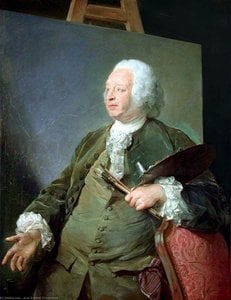
السيرة الذاتية للفنان
The Luminous Legacy of Jean-Baptiste Lallemand
In the soft, amber glow of the eighteenth century, few artists captured the ephemeral beauty of the natural world with as much grace as Jean-Baptiste Lallemand. Born in 1716 in the historic city of Dijon, France, Lallemand’s origins were rooted in the humble craft of a tailor, a trade passed down by his father that perhaps instilled in him a lifelong respect for precision and fine detail. While his early years were shaped by the traditions of his home province, his artistic spirit was destined for much larger stages. Moving to Paris in 1739, he sought to master the complexities of painting, potentially under the tutelage of the great Giovanni Niccolò Servandoni. This transition from the provincial to the metropolitan marked the beginning of a journey that would see him traverse the most influential artistic hubs of Europe, from the bustling streets of Paris to the sun-drenched grandeur of Rome.
Lallemand’s development was profoundly shaped by his deep immersion in the Italian landscape. During a significant fourteen-year residency in Rome, interrupted only briefly by travels to Naples, he breathed in the classical atmosphere that defined the era. This period allowed him to engage with the masters of his time, absorbing the light and architectural majesty of the Roman school. He found himself in the company of notable figures such as Claude-Joseph Vernet, whose Italianate approach to landscape likely left an indelible mark on Lallemand’s own brushwork. His time in Italy was not merely one of observation but of active contribution; he worked on frescoes within the Palazzo Corsini and executed large-scale paintings of antique architecture for the Anitchkov Palace in St. Petersburg. These endeavors demonstrate a versatile talent capable of moving between the intimate scale of a landscape drawing and the monumental demands of imperial commissions.
A Mastery of Light, Landscape, and Genre
The true essence of Lallemand’s oeuvre lies in his ability to weave together the delicate aesthetics of the Rococo movement with a burgeoning sense of Romanticism. His landscapes are far more than mere topographical records; they are emotive experiences. Whether depicting a serene riverside, a picturesque villa nestled among verdant hills, or the haunting beauty of a ruined temple at dusk, Lallemand employed a masterful command of light and color. He possessed an exquisite sensitivity to atmospheric effects, using subtle gradations of tone to evoke a profound sense of tranquility. In works such as "An Evening Landscape With An Estuary And A Ruined Temple," one can feel the weight of history and the quietude of nature through his soft, muted palettes and classical compositions.
Beyond the sweeping vistas of the natural world, Lallemand also excelled in genre painting and intricate engravings, capturing the nuances of human life and domesticity. His ability to find beauty in the mundane is perhaps best exemplified by his depictions of everyday scenes, such as the charmingly detailed "Soap Bubbles," which celebrates the fleeting joy of childhood through luminous tones and masterful technique. Furthermore, his skill as a draughtsman allowed him to collaborate with architects like Charles de Wailly, creating views of the Château of Montmusard that blended architectural precision with artistic flair. This duality—the ability to be both a precise chronicler of structure and a poet of the atmosphere—is what defines his unique contribution to French art.
Historical Significance and Enduring Influence
As the eighteenth century transitioned into the nineteenth, Lallemand’s work remained a bridge between the decorative elegance of the Rococo and the more dramatic, emotive qualities of later movements. His membership in the Académie de Saint-Luc in Paris solidified his status within the professional elite, ensuring that his influence would be felt throughout the academic circles of Europe. Even as styles shifted toward Neoclassicism, Lallemand’s dedication to capturing the "soul" of a landscape provided a foundation for future generations of landscape painters.
Today, the legacy of Jean-Baptiste Lallemand lives on through the prestigious collections that house his treasures, from the Musée des Beaux-Arts of Dijon to the Pinacoteca Vaticana. His works serve as a window into an era of profound cultural flourishing, reminding modern viewers of a time when art sought to harmonize the grandeur of human achievement with the eternal, quiet beauty of the earth. To look upon a Lallemand landscape is to experience a moment of stillness, a carefully composed breath of history captured in pigment and light.

jean baptiste lallemand
1716 - 1803 , France
حقائق سريعة
- Artistic Movement Or Style: Rococo & Baroque
- Artists Or Movements Influenced By This Artist: ['Classical French Art']
- Artists Who Influenced This Artist: ['Nicolas Frémiet']
- Date Of Birth: Dijon, France (1716)
- Date Of Death: 1803
- Full Name: Jean Baptiste Lallemand
- Nationality: French
- Notable Artworks:
- Soap Bubbles
- An Evening Landscape With An Estuary And A Ruined Temple
- Vue Du Château De Pierre Scize À Lyon Par Jean Baptiste Lallemand
- Place Of Birth: Dijon, France
مقالات ذات صلة

The Dramatic Flourish: Exploring the Baroque Movement's Enduring Legacy in Art History
Explore the dramatic world of Baroque art! Discover iconic artists like Caravaggio & Rubens, defining techniques, and its lasting impact on art history. Expert insights for collectors & enthusiasts at ArtsDot.

From Grandeur to Grace: Exploring the Evolution of Baroque & Rococo Art
Explore the captivating evolution from Baroque's drama to Rococo's grace! Discover key artists, characteristics & lasting influence of these art movements with expert insights at ArtsDot.

دراما الباروك: إحياء الفخامة والعاطفة في الدواخل المعاصرة
اكتشف سحر الباروك! دليل شامل حول الحركة الفنية، عناصرها الجمالية، وكيفية دمج فخامتها وعاطفتها في الدواخل المعاصرة. نصائح من خبراء ArtsDot لإضفاء لمسة باروكية على منزلك.

The Visceral Stage: Exploring Dramatic Narratives & Emotional Intensity in Baroque Art
Explore the dramatic world of Baroque art! Discover iconic masters like Caravaggio & Rembrandt, their techniques, and the movement's lasting impact. Expert insights for collectors & enthusiasts at ArtsDot.

أعلى 10 روائع باروكية رسمت مسار الفن وجمالية الديكور | ArtsDot
اكتشف روائع عصر الباروك! استكشف 10 لوحات فنية خالدة مع كارافاجيو، رامبرانت وغيرهم. تاريخ الفن، أسلوب باروكي مذهل، و ديكور منزلي فاخر. تسوق إعادة إنتاج فني عالي الجودة على ArtsDot.com