
- الرئيسية

- نسخة زيتية مطابقة للأصل
- james passmore smith
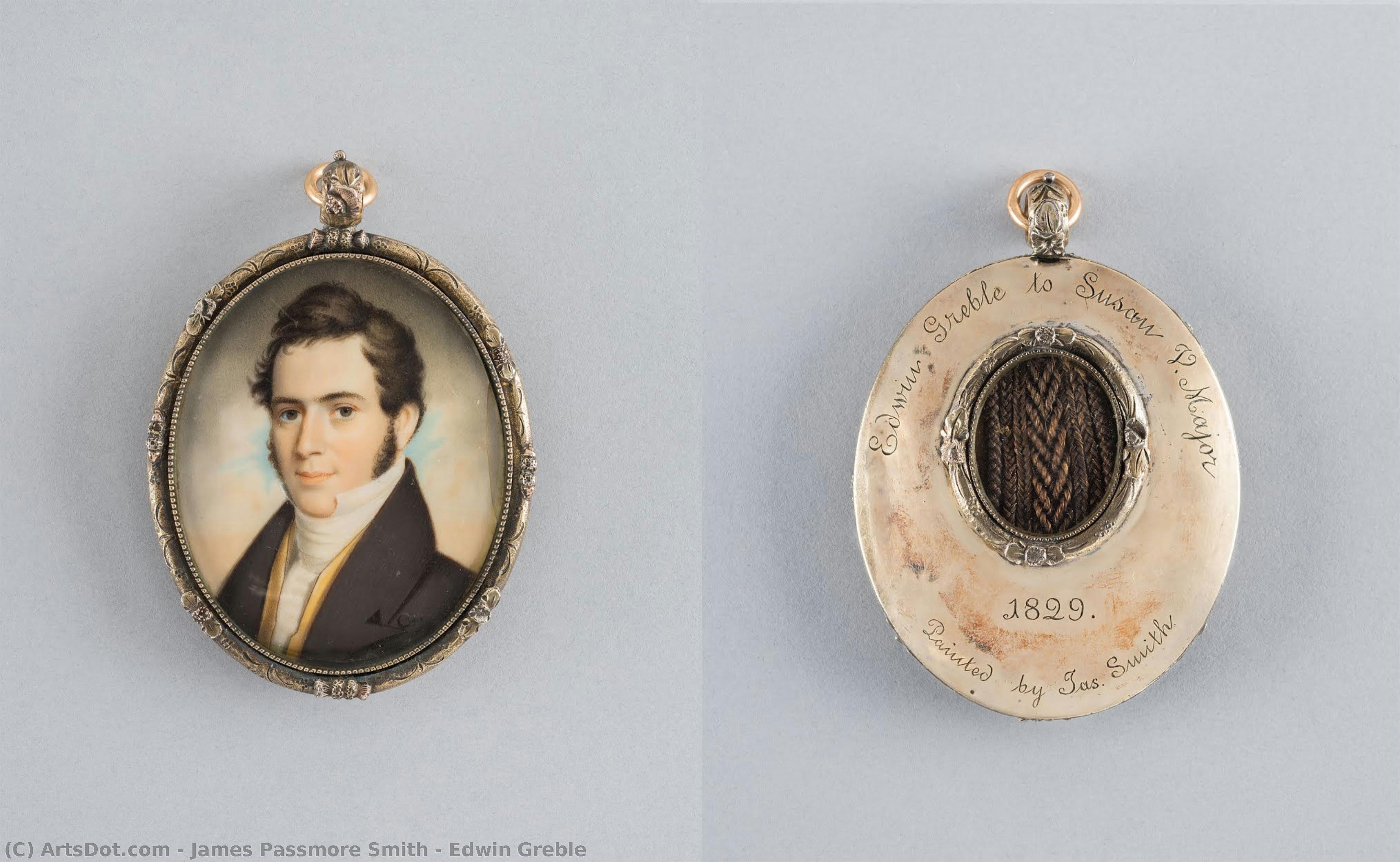
- Edwin Greble
 شراء نسخة مطبوعة شراء الصورة بدقة عالية
 مشاركة
 مشاركة
 التفاصيل
 أضف إلى المفضلة

 تحميل الملف
 قطع مشابهة
 الأشعة السينية
 عرض شرائح
Edwin Greble
 1829
1829 5.0 x 4.0 cm
 عرض المزيد
نسخة زيتية مصنوعة يدوياً
لوحة زيتية مرسومة يدوياً على الكانفاس بالمقاس والإطار الذي تفضله، تُنفذ حسب الطلب على أيدي فنانينا.




































اختر من بين أحجامنا المُعدّة مسبقًا والتي تتطابق مع النسب الأصلية للعمل الفني.

يمكنك إدخال أبعادك الخاصة لتناسب إطارًا معينًا أو مساحة محددة. وإذا لم يتطابق الحجم الذي اخترته مع نسب الصورة الأصلية، فسنقوم إما بقص العمل الفني أو توسيع اللوحة بإضافة عناصر مرسومة يدويًا. سيتم إرسال نموذج رقمي إليك للموافقة عليه قبل بدء الإنتاج.
يرجى ملاحظة أن المعاينة على الشاشة لا تعكس عملية القص أو التوسيع الفعلية؛ حيث إن النموذج الرقمي وحده هو الذي سيوضح التكوين النهائي بدقة.
وعلى الرغم من توفر أحجام مخصصة، إلا أننا نوصي باختيار أبعاد من القائمة المحددة مسبقًا للحفاظ على النسب الأصلية للعمل الفني.
بعد إتمام الطلب، سيرسل فريق ArtsDot.com بريداً إلكترونياً للعميل لطلب التعليمات وتزويده بمعاينة تجريبية (mockup).
توصيل عالمي إلى خلال 3 إلى 4 أسابيع بدلاً من المدة المعتادة البالغة 5 أسابيع. (18 يوليو). جودة لا تهاون فيها.

شحن سريع ومجاني لجميع أنحاء العالم

قماش كتان عالي الجودة

تأمين شحن شامل

ضمان استرداد الرسوم الجمركية

ضمان مطابقة الألوان الحقيقية

سياسة الإرجاع خلال 60 يومًا (في حالات العيوب فقط)

ضمان استرداد نقدي بنسبة 100%

خصم عند طلب عدة قطع
 خيار الزجاج متاح فقط للمقاسات التي تقل عن 110 سم

Edwin Greble
خامة إعادة الإنتاج
مقاس النسخة المطبوعة
-


السعر الإجمالي النهائي
-
وصف العمل الفني
أعمال فنية ذات صلة


السيرة الذاتية للفنان
James Passmore Smith: A Victorian Portraitist Rooted in African Heritage
James Passmore Smith (1803 – 1888) stands as a quietly influential figure within the landscape of Victorian portraiture, particularly recognized for his exquisite miniature paintings that captured the dignity and nuance of aristocratic subjects. Born in Salisbury, Rhodesia (now Zimbabwe), Smith’s artistic journey began amidst the burgeoning colonial ambitions of Britain, yet his creative spirit transcended geographical boundaries, establishing him as a respected artist across continents. Smith's formative years instilled within him an appreciation for detail and observation—qualities that would become hallmarks of his distinctive style. While biographical information remains somewhat sparse, evidence suggests he honed his skills initially in London’s artistic milieu before embarking on expeditions to Africa, specifically Rhodesia, where he documented the region’s flora and fauna with remarkable accuracy. This exposure to diverse environments undoubtedly broadened his visual vocabulary and informed his approach to portraiture. His artistic technique was characterized by meticulous layering of translucent glazes—a hallmark of academic painting—allowing for subtle gradations of color and capturing the ethereal quality often associated with portraits of women. Smith’s canvases possessed a remarkable luminosity, achieved through careful manipulation of light and shadow, reflecting the influence of artists like Sir Joshua Reynolds and Thomas Lawrence, masters of neoclassical portraiture who championed naturalism and psychological insight. He skillfully rendered textures—from velvet gowns to satin jackets—with astonishing precision, conveying not merely likeness but also character and emotion. Smith’s oeuvre comprises approximately 300 portraits, predominantly miniature paintings executed in watercolor and occasionally oil on ivory. These diminutive canvases are treasured for their exceptional draughtsmanship and expressive tonal range. Subjects ranged from prominent members of the British aristocracy to wealthy merchants and philanthropists—individuals who sought to commemorate their status and legacy through artistic representation. Notable commissions included portraits of Lord Salisbury (after whom the city bears his name), Edwin Greble, and numerous unnamed ladies of considerable social standing. Beyond his technical prowess, Smith’s work holds significance as one of the earliest documented depictions of African subjects in Western art. His detailed botanical illustrations—particularly those documenting Rhodesian orchids—demonstrate a commitment to scientific observation alongside artistic creativity. These images contributed to the burgeoning interest in African biodiversity during the Victorian era and stand as testament to Smith's pioneering role in bridging the gap between European artistic conventions and African cultural heritage. James Passmore Smith’s legacy resides not merely in his stunning portraits but also in his contribution to shaping perceptions of Africa within the broader context of Victorian art history.
james passmore smith
1803 - 1888 , Zimbabwe
حقائق سريعة
- Artistic Movement Or Style: Portrait Miniature
- Date Of Birth: 1803
- Full Name: James Passmore Smith
- Nationality: American
- Notable Artworks:
- Portrait of a Lady
- Portrait of a Gentleman
- Edwin Greble
- Place Of Birth: Salisbury, Zimbabwe

