


 معاينة الحجم الواقعي
 إرسال
إرسال مشاركة
 عرض التفاصيل
 دليل الأعمال الفنية للطلاب

 تحميل
تحميل
 قطع مشابهة
 الأشعة السينية
 عرض شرائح متتابع
 الإحصائيات
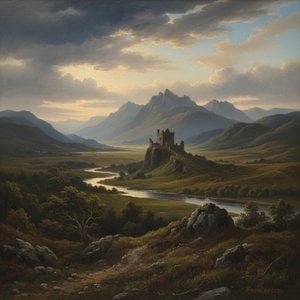
Deer Forest
 Romanticism
 1845
1845 25.0 x 40.0 cm
 The National Trust For Scotland
 اقرأ المزيد
نسخة زيتية مصنوعة يدوياً
لوحة زيتية مرسومة يدوياً على الكانفاس بالمقاس والإطار الذي تفضله، تُنفذ حسب الطلب على أيدي فنانينا. ( التبديل إلى المطبوعات التحويل إلى الصورة الرقمية)




































اختر من بين أحجامنا المُعدّة مسبقاً والتي تتوافق مع النسب الأصلية للعمل الفني.

أدخل العرض والارتفاع اللذين تحتاجهما، ليتناسب العمل مع إطارك أو جدارك. وبما أن هذه اللوحة مرسومة يدوياً، ففي حال اختيار مقاس بشكل مختلف، يمكن للفنان رسم مساحة إضافية حول الصورة أو تقليصها قليلاً — الخيار لك. سنرسل لك نموذجاً رقمياً تجريبياً لاعتماده قبل البدء في الرسم. علماً بأن الصورة المعروضة في هذه الصفحة لا تعكس النتيجة النهائية الحقيقية — فالنموذج التجريبي هو الوحيد الذي يوضح ذلك بدقة.
بعد إتمام الطلب، سيرسل فريق ArtsDot.com بريداً إلكترونياً للعميل لطلب التعليمات وتزويده بمعاينة تجريبية (mockup).
توصيل عالمي إلى خلال 3 إلى 4 أسابيع بدلاً من المدة المعتادة البالغة 5 أسابيع. (21 أكتوبر). جودة لا تهاون فيها.

شحن سريع ومجاني لجميع أنحاء العالم

قماش كتان فاخر

تأمين شامل على الشحن

ضمان استرداد الرسوم الجمركية

ضمان دقة مطابقة الألوان

سياسة الإرجاع خلال 100 يوم (في حالات العيوب فقط)

ضمان استرداد نقدي بنسبة 100%

عرض خصم الكميات
 خيار الزجاج متاح فقط للمقاسات التي تقل عن 110 سم

Deer Forest
وسيط إعادة الإنتاج
مقاس النسخة المطبوعة
-


إجمالي السعر
E£ 13580
Composition and Style
The composition of the painting is characterized by the use of tall trees with green leaves, creating a lush atmosphere. In the background, a mountain range adds to the picturesque scene, while the cloudy sky above contributes to the overall mood of the painting. The combination of these elements creates a sense of tranquility and natural beauty that is characteristic of James Giles' artwork. For more information on James Giles and his paintings, visit /art/list/?Filter=AQSALF-James-Giles-Deer-Forest.Similar Artists and Paintings
Other artists, such as Asher Brown Durand, have also created notable landscape paintings. For example, Asher Brown Durand's Shandaken Range, Kingston is a masterpiece of American landscape art. To learn more about Asher Brown Durand and his work, visit /art/list/?Filter=asher+brown+durand,asher,brown,durand&.- Handmade oil paintings reproductions of famous artworks like Deer Forest can be found on https://ArtsDot.com.
- Discover the artworks of other notable artists, such as Archibald Henry Swinton, at https://ArtsDot.com/@/Archibald-Henry-Swinton.
The Deer Forest painting by James Giles is a remarkable piece of art that showcases the artist's skill in capturing the beauty of nature. With its serene landscape and picturesque composition, this painting is a must-see for anyone interested in landscape art.
الأسئلة والأجوبة
هل ألوان "Deer Forest" للفنان جيمس جيلز مشبعة أم خافتة؟
تتميز ألوان "Deer Forest" للفنان جيمس جيلز بدرجة تشبع Subtle Color. ويصف التشبع مدى حيوية الألوان أو خفوتها.
كيف يوازن "Deer Forest" بين الضوء والظلال؟
سُجلت درجة سطوع "Deer Forest" للفنان جيمس جيلز عند shadow، مع مستوى لمعان يبلغ Soft Shadow.
إلى أي مرحلة من مسيرة جيمس جيلز المهنية تنتمي لوحة "Deer Forest"، بالنظر إلى تاريخ إنتاجها؟
تعد لوحة "Deer Forest"، التي أُبدعت في عام 1845، من أعمال حقبة Mature Period في مسيرة جيمس جيلز الفنية.
أعمال فنية مشابهة


نبذة عن الفنان
جيمس جيلز: الرؤيوي المخلص للمرتفعات
لم يكن اسم جيمس ويليام جيلز (1801–1870) من تلك الأسماء التي هيمنت على القاعات المهيبة للأكاديمية الملكية في لندن، ولم تكن لوحاته لتستحوذ على الانتباه الفوري لعالم الفن الباريسي. ومع ذلك، ففي قلب اسكتلندا، وتحديداً في أبردين، استطاع أن ينمي أسلوباً فريداً ومثيراً للمشاعر بعمق؛ أسلوباً جسّد الجمال الوعر للمرتفعات بنعمة تكاد تكون حزينة. لقد كان، في جوهره، رسام الأجواء، ورسام الضوء المتسلل عبر الجبال المكسوة بالضباب، ورسام الهيبة الهادئة للقلاع القديمة التي تقف كحارس أمين أمام اتساع المشهد الاسكتلدي. إن إرثه لا يكمن في المعارض الصاخبة أو رعاية المشاهير، بل في مجموعة أعمال شخصية للغاية ومتسقة بشكل ملحوظ، لا تزال تلامس وجدان المشاهدين حتى يومنا هذا.
وُلد جيلز في غلاسكو عام 1801، واتسمت حياته المبكرة بالصعاب التي أعقبت وفاة والده. وبسبب اضطراره للمساهمة في دخل الأسرة في سن مبكرة، صقل مهاراته الفنية من خلال التعلم الذاتي والدروس الخاصة، مُظهراً موهبة فطرية تجاوزت سريعاً مجرد البراعة التقنية. إن ارتباط عائلته بصناعة المنسوجات – حيث كان والده يعمل مصمماً لأقمشة الكاليكو – قد غرس فيه عيناً ثاقبة للألوان والأنماط، وهو ما انعكس لاحقاً في لوحاته الطبيعية من خلال تحولات دقيقة في التدرجات اللونية والملمس. ومع انتقاله إلى أبردين حوالي عام 1805، وجد أرضاً خصبة للتطور الفني، حيث انغمس في المشهد الثقافي النابض للمدينة وأنشأ مرسماً بدأ فيه بتطوير أسلوبه المميز.
تأثير إيطاليا وطبيعة المرتفعات
اتخذت رحلة جيلز الفنية منعطفاً محورياً مع سفره إلى إيطاليا في منتصف عشرينيات القرن التاسم عشر. وقد كانت هذه الرحلة الطويلة تحولية بكل المقاييس، حيث أتاح له التعرف على روائع كبار الأساتذة القدامى – مثل رافاييل وميكيلانجيلو وتيتيان – مما أثر بعمق على نهجه في التكوين واللون والضوء. لقد عكف بدقة على نسخ العديد من اللوحات، ليس فقط كمجرد تمارين تقنية، بل كوسيلة لاستيعاب جوهرها، وتعلم كيفية تجسيد الأجواء والعاطفة. وعند عودته إلى اسكتلندا، حمل معه شعوراً متجدداً بالهدف وقدرة فائقة على ترجمة المناظر الطبيعية الدرامية للمرتفعات على قماش اللوحة. والأهم من ذلك، أن تجربته الإيطالية لم تؤدِ إلى تقليد أعمى للأساليب الكلاسيكية؛ بل زودته بفهم راقٍ للمبادئ الفنية التي طبقها لاحقاً بشكل فريد على موضوعاته الاسكتلندية.
كانت موضوعاته في الغالب مناظر طبيعية – الجبال الوعرة في منطقة ديسايد، والتلال المتموجة في أبردينشاير، والخط الساحلي الدرامي. لم يكن مهتماً بالمناظر الواسعة الضخمة أو المشاهد البطولية؛ بل كان يبحث عن اللحظات الحميمة—راعٍ وحيد تحت سماء كئيبة، قلعة مهدمة يلفها الضباب، أو جدول مائي يتلوى عبر وادٍ ضيق. وكثيراً ما صور هذه المشاهد خلال فترات الطقس المتقلب – من مطر وضباب وثلوج – مما أضفى عليها إحساساً بالوحدة والشجن. وقد أصبح هذا التفضيل للظروف الجوية سمة مميزة لأسلوبه، مما ساهم في الجمال الساحر والآسر للوحاته.
التكليفات الملكية والاعتراف الفني
سرعان ما نالت موهبة جيلز تقديراً واسعاً داخل الدوائر الأرستقراطية في اسكتلندا. فقد كُلّف برسم العديد من المناظر الطبيعية لعائلات بارزة، بما في ذلك إيرلات أبردين وسذرلاند، مما ضمن له عيشاً رغيداً وثبّت سمعته كفنان ماهر وموثوق. ولعل الأهم من ذلك هو أن الملكة فيكتوريا نفسها أصبحت راعية له، حيث كلفت بإنتاج عدة لوحات لقلعة بالمورال – الضيعة التي استحوذت عليها في عام 1848. ويجدر بالذكر تصوير جيلز للقلعة القديمة، قبل إعادة بنائها العظيم في العصر الفيكتوري، لدقته في نقل الهيكل الأصلي وتصويره المؤثر للمناظر الطبيعية المحيطة. لقد رسخت هذه الرعاية الملكية مكانته كواحد من أكثر الفنانين احتراماً في اسكتلندا.
وفي عام 1829، انتُخب عضواً في الأكاديمية الملكية الاسكتلندية، وهو شرف رفيع أكد إنجازاته الفنية. واستمر في عرض أعماله في كل من الأكاديمية الملكية الاسكتلندية والمؤسسة البريطانية في لندن طوال مسيرته المهنية، متلقياً باستمرار مراجعات إيجابية لمناظره الطبيعية الجوية وتجسيده الماهر للضوء واللون. وقد تميزت سنواته الأخيرة بتفانيه في توثيق القلاع القديمة في أبردينشاير، وهو ما تُوج بنشر كتاب "رسومات قلاع أبردينشاير" (1838-1855)، وهي مجموعة من الرسوم المائية المنفذة بدقة والتي لا تزال تحظى بتقدير كبير لقيمتها الفنية وأهميتها التاريخية.
إرث خالد
توفي جيمس جيلز في أبردين عام 1870، تاركاً وراءه مجموعة ضخمة من الأعمال التي تعكس ارتباطه العميق بالطبيعة الاسكتلندية. ورغم أنه قد لا يكون مشهوراً على نطاق واسع مثل بعض معاصريه، إلا أن لوحاته تمتلك قوة هادئة ورنيناً عاطفياً يستمر في جذب المشاهدين حتى اليوم. إن قدرته على التقاط جوهر أجواء المرتفعات—الجبال التي يلفها الضباب، والسماء المثقلة بالغيوم، والإحساس بالوحدة الأبدية—تجعل منه أحد أهم رسامي المناظر الطبيعية في اسكتلندا. ويقف عمله كشهادة على الجمال الخالد للمرتفعات الاسكتلندية وعلى الرؤية الفنية لرجل كرس حياته لتخليد روحها على قماش اللوحة.

جيمس جيلز
1801 - 1870 , اسكتلندا
لمحة سريعة
- أعمال فنية بارزة:
- لوحة قلعة بالمورال
- رسومات قلاع أبردين
- الاسم الكامل: جيمس ويليام جيلز
- الجنسية: اسكتلندي
- الحركة الفنية أو الأسلوب: الرسم الطبيعي (Landscape painting)
- تاريخ الميلاد: 4 يناير 1801
- تاريخ الوفاة: 6 أكتوبر 1870
- فنانون أثروا في هذا الفنان: ['جان فرانسوا رينو']
- فنانون أو حركات تأثرت بهذا الفنان: ['تيرنر']
- مكان الميلاد: غلاسكو، اسكتلندا
مقالات ذات صلة

أفضل 10 لوحات طبيعية رومانسية غيرت مسار الفن وجمّلت الديكور | ArtsDot
اكتشف 10 روائع فنية رسمت مسار الفن الرومانسي! استكشف لوحات فريدريش، مالارد وأكثر. قصص الفنانين، تقنيات الرسم، وجمال المناظر الطبيعية الخلابة. احصل على أعمال فنية عالية الجودة من ArtsDot.com!
Alexander Nasmyth: Picturing Scotland's Romantic Landscape – Innovation & Identity
Explore the life & art of Alexander Nasmyth, a pivotal figure in Scottish Romantic landscape painting. Discover his iconic works, including portraits of Robert Burns, and learn about his lasting influence on national identity. Fine art reproductions available.

أعمال جيمس أبتون ماكنيل ويستلر الـ 25 الأكثر شهرة: تحف فنية لتزيين منزلك
اكتشف 25 تحفة فنية لجيمس أبتون ماكنيل ويستلر، رائد حركة التجميل. نوكتورن، بورتريهات أيقونية وأكثر! قصص ملهمة وتقنيات فنية رائعة لتزيين منزلك بأناقة. استكشف المجموعة الكاملة على ArtsDot.com

Sir Alfred Munnings' Masterpieces: 25 Paintings That Define Equine Art | ArtsDot
Explore 25 iconic Sir Alfred Munnings paintings! Discover the beauty of British Impressionism, equine art & rural England. Find museum-quality reproductions and elevate your home decor with ArtsDot. Explore the full collection online.

James Giles: Capturing Scottish Life Through the Lens of British Realism
Explore the life & work of James Giles (1801-1870), a master of Scottish landscape painting and favored artist of Queen Victoria. Discover his atmospheric realism & royal commissions.