


 معاينة الحجم الحقيقي
 مشاركة
 مشاركة
 التفاصيل
 الدليل

 تحميل الملف
 قطع مشابهة
 الأشعة السينية
 عرض شرائح
 الإحصائيات
The Last Evening
 Oil On Canvas
- WallArt
- Belle Époque Realism
 1873
1873- 19th Century
 72.0 x 103.0 cm
 Guildhall Art Gallery - London's Roman Amphitheatre
 عرض المزيد
نسخة زيتية مصنوعة يدوياً
لوحة زيتية مرسومة يدوياً على الكانفاس بالمقاس والإطار الذي تفضله، تُنفذ حسب الطلب على أيدي فنانينا. ( التحويل إلى المطبوعات الانتقال إلى الصورة الرقمية)




P118B $10

P118H $10

P118W $10

P438Z $10

P508JH $12

P508YH $12

P805H $10

P805Z $10

P919BZ $10

P919G $10

P919XJ $10

P959ZH $10

P968JZ $12

W106C $8

W218G $10

W218JH $8

W218Y $10

W307PJ $10

W316G $10

W316PJ $8

W316Y $10

W398PJ $8

W4111J $10

W500HY $15

W500JH $15

W692G $12

W849H $8

W940BG $15

W953PJ $8




اختر من بين أحجامنا المُعدّة مسبقًا والتي تتطابق مع النسب الأصلية للعمل الفني.

يمكنك إدخال أبعادك الخاصة لتناسب إطارًا معينًا أو مساحة محددة. وإذا لم يتطابق الحجم الذي اخترته مع نسب الصورة الأصلية، فسنقوم إما بقص العمل الفني أو توسيع اللوحة بإضافة عناصر مرسومة يدويًا. سيتم إرسال نموذج رقمي إليك للموافقة عليه قبل بدء الإنتاج.
يرجى ملاحظة أن المعاينة على الشاشة لا تعكس عملية القص أو التوسيع الفعلية؛ حيث إن النموذج الرقمي وحده هو الذي سيوضح التكوين النهائي بدقة.
وعلى الرغم من توفر أحجام مخصصة، إلا أننا نوصي باختيار أبعاد من القائمة المحددة مسبقًا للحفاظ على النسب الأصلية للعمل الفني.
بعد إتمام الطلب، سيرسل فريق ArtsDot.com بريداً إلكترونياً للعميل لطلب التعليمات وتزويده بمعاينة تجريبية (mockup).
توصيل عالمي إلى خلال 3 إلى 4 أسابيع بدلاً من المدة المعتادة البالغة 5 أسابيع. (21 سبتمبر). جودة لا تهاون فيها.

شحن سريع ومجاني لجميع أنحاء العالم

قماش كتان عالي الجودة

تأمين شحن شامل

ضمان استرداد الرسوم الجمركية

ضمان مطابقة الألوان الحقيقية

سياسة الإرجاع خلال 100 يوم (في حالات العيوب فقط)

ضمان استرداد نقدي بنسبة 100%

خصم عند طلب عدة قطع
 خيار الزجاج متاح فقط للمقاسات التي تقل عن 110 سم

The Last Evening
خامة إعادة الإنتاج
مقاس النسخة المطبوعة
-


السعر الإجمالي النهائي
$ 263
A Twilight Encounter on the High Seas
In the soft, amber glow of a fading day, Jacques Joseph Tissot’s 1873 masterpiece, “The Last Evening,” invites us to step aboard a vessel suspended between the elegance of the Belle Époque and the quiet melancholy of an approaching night. This exquisite oil on canvas is far more than a mere maritime scene; it is a meticulously choreographed tableau of Victorian social grace. As the sun dips below the horizon, Tissot captures a group of well-dressed individuals gathered upon a yacht, their figures bathed in a warm, atmospheric light that seems to vibrate with the stillness of the moment. The composition draws the eye through a delicate dance of gazes and postures, where the rustle of embroidered gowns and the quiet presence of leather-bound books suggest a world of refined intellect and leisurely sophistication.
The painting serves as a profound window into the soul of the late nineteenth century, a period defined by both opulent splendor and an underlying preoccupation with the fleeting nature of time. While the setting is one of luxury, there is a palpable sense of intimacy and perhaps even a touch of memento mori—a gentle reminder of mortality that often haunted the Victorian psyche. The way the figures are clustered together, some lost in thought and others engaged in quiet companionship, evokes a feeling of shared solitude. For the discerning collector or interior designer, this piece offers an unparalleled emotional depth, providing a focal point that is simultaneously commanding in its detail and soothing in its nostalgic warmth.
Mastery of Light and Japonisme Influence
Technically, “The Last Evening” stands as a testament to Tissot’s extraordinary ability to blend the precision of academic realism with the burgeoning sensibilities of Impressionism. His brushwork, though controlled and precise when rendering the intricate textures of silk and lace, possesses a luminous quality that captures the shimmering reflections on the water and the hazy atmosphere of twilight. One cannot overlook the subtle yet striking influence of Japonisme—the era's fascination with Japanese aesthetics—which manifests in Tissot’s sophisticated use of asymmetrical balance and his nuanced, muted color palette. By eschewing garish contrasts in favor of harmonious browns, deep blues, and soft golds, he creates a sense of atmospheric luminescence that feels remarkably modern.
This mastery of light does more than just illuminate the scene; it sculpts the very mood of the artwork. The interplay of shadow and glow lends a three-dimensional weight to the figures, making them feel as though they might step off the canvas and into the room. For those seeking to adorn a space with art that breathes life into an interior, Tissot’s technique offers a perfect balance of classical structure and ethereal beauty. The painting does not merely sit upon a wall; it transforms the surrounding environment, casting a spell of historical grandeur and quiet contemplation over any room it inhabits.
A Timeless Legacy for the Modern Collector
To possess a reproduction of “The Last Evening” is to hold a fragment of history. Tissot’s ability to capture the nuances of fashion, social hierarchy, and human emotion ensures that this work remains eternally relevant. Whether it is the way a woman tilts her head in quiet reflection or the meticulous rendering of the yacht's fine furnishings, every detail serves to transport the viewer to an era of unparalleled elegance. It is a piece that speaks to the connoisseur who appreciates the intersection of narrative storytelling and technical brilliance.
For interior designers crafting sophisticated, curated spaces, this artwork provides a foundational element of class and character. It pairs exquisitely with period-appropriate decor or serves as a stunning, soulful contrast to contemporary minimalist settings. As an investment in beauty, Tissot’s work continues to inspire awe, offering a timeless escape into a world where every evening holds the promise of quiet splendor and every shadow tells a story of elegance lost to time.
أعمال فنية ذات صلة


السيرة الذاتية للفنان
Early Life and Artistic Beginnings
Jacques Joseph Tissot, born October 15, 1836, in Nantes, France, was destined for a life steeped in artistic passion from his earliest years. His father, a drapery merchant, instilled in him an appreciation for craftsmanship and detail—qualities that would profoundly shape his artistic vision. Simultaneously, his mother, a milliner, nurtured his sensitivity to beauty and fashion, exposing him to the vibrant world of Parisian society. Despite familial responsibilities, Tissot relentlessly pursued his artistic ambitions, enrolling at the École des Beaux-Arts in Paris where he honed his skills under the tutelage of luminaries like Ingres, Flandrin, and Lamothe. This formative period cemented his commitment to painting as a vocation and established him firmly within the influential Parisian art milieu.The Salon Years and Recognition
Tissot’s debut at the Paris Salon in 1861 marked a pivotal moment—the unveiling of “The Meeting of Faust and Marguerite,” a dramatic tableau that captivated audiences and garnered considerable acclaim from critics. Purchased by the state for inclusion in the Luxembourg Gallery, this ambitious undertaking signaled Tissot's burgeoning reputation as a painter capable of capturing complex narratives and conveying profound emotion. Subsequent Salon exhibitions solidified his position within the artistic establishment, showcasing his evolving style and attracting commissions from prominent patrons. His early successes fueled confidence and propelled him toward exploring new subjects and techniques—a trajectory that would ultimately define his illustrious career.Genre Painting and Parisian Society
Tissot’s artistic breakthrough arrived with his series “La Femme à Paris,” a meticulously observed depiction of the demi-mondaine world of late Victorian London. These paintings, characterized by their luminous color palettes and masterful rendering of textures—particularly fabrics—became synonymous with capturing the allure and dynamism of Parisian high society. Tissot's meticulous attention to detail extended beyond mere visual representation; he sought to convey not only appearances but also psychological nuances, reflecting the anxieties and aspirations of his subjects. His work stands as a testament to Impressionistic influences blended with realism, offering an unparalleled glimpse into the social customs and artistic sensibilities of the Belle Époque.Biblical Themes and Japonisme
Throughout his prolific output, Tissot embraced diverse artistic inspirations—ranging from medieval narratives to biblical scenes—demonstrating remarkable versatility. His depictions of religious subjects, imbued with spiritual depth and emotional resonance, showcased his ability to elevate visual storytelling into profound contemplation. Simultaneously, he was captivated by Japonisme—the fascination with Japanese art and aesthetics that swept across Europe during the Victorian era—evident in compositions infused with asymmetrical arrangements and subtle color harmonies reminiscent of Japanese prints. This stylistic fusion underscored Tissot’s intellectual curiosity and his willingness to experiment with innovative artistic approaches.Later Years and Legacy
Tissot's life took a dramatic turn when he enlisted in the Franco-Prussian War, serving on the French side—an experience that undoubtedly shaped his worldview. Following the war’s conclusion, he relocated to London where he pursued etching alongside Sir Seymour Haden and honed his artistic skills through portrait commissions and caricatures for Vanity Fair. His relationship with Kathleen Newton blossomed into a passionate companionship, providing him with enduring inspiration for numerous paintings. Tragically, Newton succumbed to tuberculosis in 1882—a profound loss that deeply affected Tissot’s creative output. Despite this sorrowful chapter, he continued to produce exceptional artwork until his death in 1902. Today, Jacques Joseph Tissot's legacy resides in museums across Europe and North America—most notably the Musée National Jean-Jacques Henner in Paris—where his celebrated paintings continue to inspire admiration for their artistic brilliance and evocative portrayal of Victorian life and faith. His enduring influence on genre painting and Impressionism secures his place as one of France’s most distinguished artists of the 19th century.
جاك جوزيف تيسوت
1836 - 1902 , فرنسا
حقائق سريعة
- Artistic Movement Or Style: الرسم الجوهري
- Artists Who Influenced This Artist: ['جان أغسطس إنجرس"، "جاستاف كوبريت']
- Date Of Birth: 1836
- Date Of Death: 1902
- Full Name: Jacques Joseph Tissot
- Nationality: فرنسي
- Notable Artworks: ['المواعدة بين فوست ومارغريت"، "المرأة في باريس']
- Place Of Birth: نANTES، فرنسا
مقالات ذات صلة
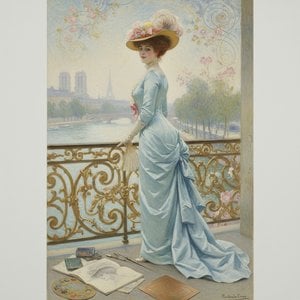
Paul César Helleu: Capturing Belle Époque Elegance & Artistic Innovation
Explore the captivating world of Paul César Helleu, master portraitist of the Belle Époque. Discover his innovative techniques, iconic works like 'Portrait of Margaret Kelly,' and investment potential with ArtsDot.

Giovanni Boldini: A Study in Belle Époque Portraiture & the Cult of Personality
Explore the captivating world of Giovanni Boldini, master of Belle Époque portraiture. Discover his signature style, iconic works like 'Miss Bell,' and lasting influence on art history. Expert analysis for collectors.

Echoes of 1882: Art, Culture & the Belle Époque's Lasting Impression
Explore the art & culture of the Belle Époque! Discover Impressionism, Realism, and iconic Parisian paintings from Degas, Béraud & more. High-quality reproductions at ArtsDot.

Step into Elegance: Discover the Timeless Beauty and Opulence of Belle Époque Art
Immerse yourself in the splendor of Belle Époque art. From Art Nouveau to Impressionism, ArtsDot.com provides exquisite, hand-painted oil reproductions and custom portraits. Discover timeless elegance and expert artistry to elevate your home decor with confidence.

Jean-Georges Béraud: Capturing Parisian Life in the Belle Époque
Explore the captivating world of Jean-Georges Béraud, master painter of Belle Époque Paris. Discover his iconic scenes, artistic evolution, and social commentary. A deep dive into 19th-century French art.