


 معاينة الحجم الواقعي
 إرسال
إرسال مشاركة
 عرض التفاصيل
 دليل الأعمال الفنية للطلاب

 تحميل
تحميل
 قطع مشابهة
 الأشعة السينية
 عرض شرائح متتابع
 الإحصائيات
Tea
 Oil On Canvas
- WallArt
- Realism
 1872
1872- 19th Century
 66.0 x 48.0 cm
 المتحف المتروبوليتاني للفنون
 اقرأ المزيد
طباعة جيلي / مطبوعات فنية
طباعة جيكلي أو كانفاس بجودة المتاحف، مع سرعة في التنفيذ وخيارات متنوعة للتشطيب. ( اطلب نسخة مرسومة يدويًا التحويل إلى الصورة الرقمية)




P118B E£10

P118H E£10

P118W E£10

P438Z E£10

P508JH E£12

P508YH E£12

P805H E£10

P805Z E£10

P919BZ E£10

P919G E£10

P919XJ E£10

P959ZH E£10

P968JZ E£12

W106C E£8

W218G E£10

W218JH E£8

W218Y E£10

W307PJ E£10

W316G E£10

W316PJ E£8

W316Y E£10

W398PJ E£8

W4111J E£10

W500HY E£15

W500JH E£15

W692G E£12

W849H E£8

W940BG E£15

W953PJ E£8




اختر من بين أحجامنا المُعدّة مسبقاً والتي تتوافق مع النسب الأصلية للعمل الفني.

أدخل العرض والارتفاع اللذين تحتاجهما، ليتناسب مع إطارك أو جدارك. يمكن قص المطبوعة فقط، ولا يمكن أبداً جعلها أكبر من الصورة الأصلية، لذا فإن أي مقاس بشكل مختلف سيؤدي إلى فقدان جزء من الصورة. سنرسل لك نموذجاً رقمياً تجريبياً لاعتماده قبل البدء في عملية الطباعة. الصورة المعروضة في هذه الصفحة لا توضح القص الفعلي — النموذج التجريبي فقط هو ما يظهر ذلك.
توصيل عالمي إلى خلال أسبوعين بدلاً من المدة القياسية البالغة 4/5 أسابيع. (23 أكتوبر)

شحن سريع ومجاني لجميع أنحاء العالم

قماش كتان فاخر

تأمين شامل على الشحن

ضمان استرداد الرسوم الجمركية

ضمان دقة مطابقة الألوان

سياسة الإرجاع خلال 100 يوم (في حالات العيوب فقط)

ضمان استرداد نقدي بنسبة 100%

عرض خصم الكميات
 خيار الزجاج متاح فقط للمقاسات التي تقل عن 110 سم

Tea
طباعة جيلي / مطبوعات فنية
مقاس النسخة المطبوعة
-


إجمالي السعر
E£ 3188
A Moment Frozen in Victorian Elegance
In the quiet, sun-dappled atmosphere of James Jacques Joseph Tissot’s Tea, we are invited into a private sanctuary of nineteenth-century refinement. This exquisite oil painting, dating from 1872, serves as more than just a depiction of a domestic ritual; it is a window into the soul of the Victorian era. The scene centers on a woman poised with grace in a tea room, her presence commanding yet serene. Clad in a sophisticated black dress accented by a delicate yellow ribbon at her throat, she embodies the meticulous fashion and social etiquette of her time. As she tends to the teapot, surrounded by the fine porcelain of cups and bowls, there is an intimate sense of stillness, as if the bustling world outside has momentarily ceased to exist.
The composition masterfully balances the intimacy of the interior with a breathtaking glimpse of the wider world. Beyond the immediate warmth of the tea service, the eye is drawn through the window to the dense, sprawling cityscape and the shimmering waters of the Thames. This juxtaposition between the sheltered, domestic sphere and the industrial vitality of London creates a profound narrative tension. It reminds the viewer that even in our most private moments of repose, the pulse of the modern city beats just beyond the glass. The inclusion of a distant boat on the river adds a layer of movement and life, grounding this elegant portrait within the real, breathing geography of Tissot’s adopted home.
Mastery of Realism and Light
Tissot, a painter who bridged the gap between the meticulous detail of Realism and the atmospheric light of Impressionism, demonstrates his technical prowess through the textures present in this work. Every element—from the reflective surface of the tea service to the heavy, luxurious fabric of the woman’s gown—is rendered with an almost tactile precision. His ability to capture the play of light across different surfaces creates a sense of depth that draws the collector into the room. The artist uses light not merely to illuminate, but to sculpt the scene, highlighting the delicate contours of the porcelain and the soft shadows that dance within the tea room.
For the discerning art lover or interior designer, Tea offers a versatile emotional resonance. It possesses a quiet dignity that can anchor a sophisticated living space, providing a focal point of calm and historical depth. The painting’s palette, rich with deep blacks, warm yellows, and the soft blues of the distant London sky, makes it an ideal piece for those looking to introduce a sense of timeless luxury and narrative complexity into a room. To possess a reproduction of this work is to hold a fragment of history—a beautifully preserved moment of Victorian grace that continues to inspire awe and contemplation in the modern age.
الأسئلة والأجوبة
كيف يمكن وصف الحالة المزاجية لـ "Tea" للفنان جاك جوزيف تيسو؟
تتمثل الحالة المزاجية العامة لـ "Tea" للفنان جاك جوزيف تيسو في Elegant. وتصف هذه الحالة الأجواء العامة للعمل الفني.
كيف يتناسب عمل "Tea" مع موضوعات جاك جوزيف تيسو وأسلوبه الفني؟
تتشارك لوحة "Tea" مع أعمال جاك جوزيف تيسو الأخرى في أسلوبها الذي ينتمي إلى Realism والموضوعات المتكررة: realism and impressionism, victorian social elegance, london urban life, domestic genre painting, refined society scenes.
ما مدى حدة الألوان في "Tea" للفنان جاك جوزيف تيسو؟
تتميز شدة ألوان "Tea" بأنها Monochromatic. وتصف الشدة مدى قوة ووضوح الألوان.
أعمال فنية مشابهة


نبذة عن الفنان
جيمس جاك جوزيف تيسو (1836-1902): رؤية فيكتورية جسرت الهوة بين الواقعية والانطباعية
ولد جيمس جاك جوزيف تيسو في الخامس عشر من أكتوبر عام 1836 في باريس بفرنسا، وكان رساماً غزيراً الإنتاج امتدت مسيرته لعقود، ليحفر اسمه كواحد من أشهر فناني العصر الفيكتوري. ورغم أنه تلقى تدريبه الأول كمهندس معماري، إلا أن تيسو سرعان ما هجر هذا المسار مأخوذاً بسحر الرسم الأخاذ، مكرساً حياته لتجسيد عظمة وتعقيدات المجتمع الباريسي جنباً إلى جنب مع السرديات الكتابية العميقة. ولا يزال أسلوبه المتميز—الذي يعد مزيجاً بارعاً بين الواقعية والتقنيات الانبراطاعية—يفتن مؤرخي الفن وجامعي التحف على حد سواء.- اتسمت سنوات تيسو التكوينية بنشأة مرفهة داخل عائلة ثرية، مما أتاح له فرصة الحصول على تعليم فني استثنائي. فقد درس الهندسة المعمارية في مدرسة "إيكول بوليتكنيك" قبل أن ينتقل إلى فن الرسم تحت إشراف ألكسندر كابيل وجان ليون جيروم، مستوعباً التأثيرات الأسلوبية للواقعية الأكاديمية التي كانت سائدة في عصره. وقد غرست هذه التجارزم التأسيسية فيه دقة متناهية في التفاصيل ونهجاً منضبطاً في التكوين، وهي السمات التي ميزت كامل نتاجه الفني.
- وقد تجلت الطفرة الفنية لتيسو في تصويره للحياة الباريسية خلال عصر "البل إيبوك" (العصر الجميل). حيث وثق بدقة متناهية مشاهد من المسارح، ودور الأوبرا، والتجمعات الراقية، ملتقطاً ليس فقط البهاء البصري بل وأيضاً الفروق الدقيقة في السلوك الاجتماعي. وأصبحت لوحاته—مثل "قبعة روبنز" و"الشاي"—تمثيلات أيقونية للأناقة والرقي الفيكتوري، عاكسةً بذلك القلق والتطلعات في مجتمع يتغير بسرعة مذهلة.
- وبعيداً عن المشاهد الحضرية، برع تيسو في تصوير القصص الكتابية بمسرحية لافتة للنظر؛ حيث تعامل مع هذه السرديات بالتزام لا يتزعزع بالدقة التاريخية ممزوجاً بضربات فرشاة تعبيرية—وهي سمة مميزة للانطباعية—مما خلق صوراً ذات رنين عاطفي أسرت الجماهير. وتبرز أعماله الشهيرة مثل "العثور على الكأس المقدسة" و"العشاء الأخير" قدرته الفائقة على نقل العمق الروحي جنباً إلى جنب مع الديناميكية البصرية.
- لقد تطورت التقنية الفنية لتيسو بشكل ملحوظ طوال مسيرته؛ فبعد أن كان يميل في البداية إلى الواقعية الأكاديمية، احتضن تدريجياً التأثيرات الانطباعية، مجرباً ضربات فرشاة أكثر حرية لالتقاط اللحظات العابرة للضوء واللون. وقد سمح له هذا التحول الأسلوبي بإضفاء إحساس ملموس بالجو العام والعاطفة على لوحاته، في ابتعاد واضح عن الرسمية الساكنة التي اتسمت بها أعماله المبكرة.
- رحل جاك جوزيف تيسو في الثامن من أغسطس عام 1902، تاركاً وراءه إرثاً فنياً مبهراً لا يزال يلهم الإعجاب. وتوجد لوحاته اليوم في أبرز المتاحف العالمية، بما في ذلك المكتبة الوطنية المركزية ومتحف غيتي، مما يعد شهادة على إرثه الفني الخالد. إن تيسو لم يكتفِ بمجرد توثيق عصره، بل ارتقى بالرسم ليصبح شكلاً من أشكال سرد القصص—مزيجاً قوياً من الملاحظة والخيال الذي رسخ مكانته كواحد من أكثر الفنانين تأثيراً في العصر الفيكتوري.
مزيد من الاستكشاف
يمكنكم التعمق أكثر في الرحلة الفنية لتيسو من خلال زيارة هذه المصادر:- جيمس تيسو - ويكيبيديا: https://en.wikipedia.org/wiki/James_Tissot
- جاك جوزيف تيسو - متحف غيتي: https://www.getty.edu/art/collection/person/103KY1
- جاك جوزيف تيسو: تأريخ للحياة الباريسية والتطور السردي: /en/articles/jacques-joseph-tissot-a-chronicle-of-parisian-life-narrative-evolution-en/
- جيمس تيسو (1836-1902)، حداثة غامضة | متحف أورسيه: https://www.musee-orsay.fr/en/whats-on/exhibitions/presentation/james-tissot-1836-1902-ambiguously-modern

جاك جوزيف تيسو
1836 - 1902 , فرنسا
لمحة سريعة
- أعمال فنية بارزة:
- قبعة روبنز
- الشاي
- الاسم الكامل: جاك جوزيف تيسو
- الجنسية: فرنسي
- الحركة أو الأسلوب الفني: الواقعية والانطباعية
- تاريخ الميلاد: 15 أكتوبر 1836
- تاريخ الوفاة: 8 أغسطس 1902
- فنانون أثروا في هذا الفنان:
- غوستاف كوربيه
- جان فرانسوا ميليه
- فنانون أو حركات تأثرت بهذا الفنان: ['الانطباعية']
- مكان الميلاد: باريس، فرنسا
مقالات ذات صلة

أعمال جيمس أبتون ماكنيل ويستلر الـ 25 الأكثر شهرة: تحف فنية لتزيين منزلك
اكتشف 25 تحفة فنية لجيمس أبتون ماكنيل ويستلر، رائد حركة التجميل. نوكتورن، بورتريهات أيقونية وأكثر! قصص ملهمة وتقنيات فنية رائعة لتزيين منزلك بأناقة. استكشف المجموعة الكاملة على ArtsDot.com

Romantic Realism's Finest: 10 Masterpieces for Your Home | ArtsDot
Explore 10 defining masterpieces of Romantic Realism! Discover Courbet, Millet & Daumier's powerful paintings—capturing emotion and social realities. Find museum-quality reproductions for your home at ArtsDot.com.

Sir Alfred Munnings' Masterpieces: 25 Paintings That Define Equine Art | ArtsDot
Explore 25 iconic Sir Alfred Munnings paintings! Discover the beauty of British Impressionism, equine art & rural England. Find museum-quality reproductions and elevate your home decor with ArtsDot. Explore the full collection online.
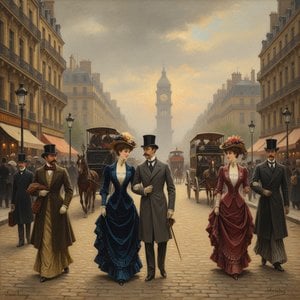
Jacques Joseph Tissot: A Chronicle of Parisian Life & Narrative Evolution
Explore the captivating world of Jacques Joseph Tissot, a master painter of Belle Époque society. Discover his realism, Impressionistic style, and lasting influence on art history. Learn more at ArtsDot.

The Gaze of a Changing World: Victorian Realism & Modern Life
Explore the captivating world of Victorian Realism! Discover genre painting's rise, social commentary in art, & masters like Fedotov and Wilkie. Expert analysis & high-quality reproductions at ArtsDot.