

 معاينة الحجم الواقعي
 مشاركة
 مشاركة
 التفاصيل
 دليل
دليل

 تحميل الملف
 قطع مشابهة
 الأشعة السينية
 عرض شرائح
 الأسئلة والأجوبة
 الإحصائيات
Grainfields

- 47.0 x 57.0 cm


 عرض المزيد
طباعة جيلي / مطبوعات فنية
طباعة جيكلي أو كانفاس بجودة المتاحف، مع سرعة في التنفيذ وخيارات متنوعة للتشطيب. ( شراء لوحة مرسومة يدويًا الانتقال إلى الصورة الرقمية)




P118B E£10

P118H E£10

P118W E£10

P438Z E£10

P508JH E£12

P508YH E£12

P805H E£10

P805Z E£10

P919BZ E£10

P919G E£10

P919XJ E£10

P959ZH E£10

P968JZ E£12

W106C E£8

W218G E£10

W218JH E£8

W218Y E£10

W307PJ E£10

W316G E£10

W316PJ E£8

W316Y E£10

W398PJ E£8

W4111J E£10

W500HY E£15

W500JH E£15

W692G E£12

W849H E£8

W940BG E£15

W953PJ E£8




اختر من بين أحجامنا المُعدّة مسبقاً والتي تتوافق مع النسب الأصلية للعمل الفني.

أدخل العرض والارتفاع المطلوبين ليتناسب المقاس مع إطارك أو جدارك. يرجى الملاحظة أن المطبوعة يمكن قصها فقط ولا يمكن تكبيرها لتتجاوز أبعاد الصورة الأصلية، لذا فإن اختيار مقاس بأبعاد مختلفة سيؤدي إلى فقدان جزء من الصورة. سنرسل لك نموذجاً رقمياً تجريبياً لاعتماده قبل البدء في عملية الطباعة. الصورة المعروضة في هذه الصفحة لا توضح شكل القص الفعلي — النموذج التجريبي فقط هو ما يظهر ذلك بدقة.
توصيل عالمي إلى خلال أسبوعين بدلاً من المدة القياسية البالغة 4/5 أسابيع. (4 نوفمبر)

شحن سريع ومجاني لجميع أنحاء العالم

قماش كتان عالي الجودة

تأمين شامل على الشحن

ضمان استرداد الرسوم الجمركية

ضمان مطابقة الألوان الحقيقية

سياسة الإرجاع خلال 100 يوم (في حالات العيوب فقط)

ضمان استرداد نقدي بنسبة 100%

خصم عند طلب كميات
 خيار الزجاج متاح فقط للمقاسات التي تقل عن 110 سم

Grainfields
طباعة جيلي / مطبوعات فنية
مقاس النسخة المطبوعة
-


إجمالي السعر النهائي
E£ 3295
A Moment Frozen in Time: Exploring Jacob van Ruisdael’s “Grainfields”
Jacob van Ruisdael's "Grainfields," painted around 1665, isn’t merely a depiction of a rural Dutch landscape; it’s a profound meditation on the relationship between humanity and nature, a quiet drama unfolding beneath an expansive sky. This remarkable work, now housed within the Metropolitan Museum of Art in New York, offers a glimpse into the heart of the Dutch Golden Age – a period defined by burgeoning prosperity, artistic innovation, and a deep appreciation for the beauty of the natural world. Ruisdael, considered the pre-eminent landscape painter of his era, masterfully captures not just the visual elements of the scene but also an underlying sense of serenity and timelessness that continues to resonate with viewers today.The Canvas as Window: Composition and Technique
Ruisdael’s genius lies in his ability to create a remarkably immersive experience within the confines of a canvas. The composition is deceptively simple, yet profoundly effective. A gently sloping road, barely discernible amidst the undulating grainfields, draws the eye into the heart of the scene. Two figures – likely laborers tending their harvest – stand at the field’s edge, small and unassuming against the vastness of the landscape. Their presence isn't intrusive; rather, they serve as anchors, grounding us in this world while simultaneously emphasizing its scale and solitude. The artist employs a technique characterized by subtle gradations of light and shadow, creating an atmospheric depth that is both realistic and dreamlike. Notice how he uses broken brushstrokes to suggest the texture of the earth, the rustle of the grain, and the hazy distance of the horizon. Crucially, Ruisdael’s decision to dominate the composition with the sky – occupying nearly two-thirds of the canvas – elevates the scene beyond a simple depiction of farmland. It imbues the landscape with a sense of grandeur and spiritual significance, echoing the vastness of God's creation.Echoes of History: Context and Influences
To understand “Grainfields,” it’s essential to consider its historical context. The Dutch Golden Age witnessed an unprecedented economic boom fueled by trade and agriculture. Landscapes like this one weren’t simply decorative; they reflected a national identity deeply rooted in the land. Ruisdael, influenced by earlier landscape painters such as Cornelis Vroom and Allart van Everdingen, built upon established traditions while forging his own distinctive style. His trip to Germany in 1650 exposed him to new artistic influences, particularly the dramatic lighting and atmospheric perspective of Northern European masters. The painting also reflects a broader shift in Dutch society – a growing interest in secular subjects alongside traditional religious themes. The focus on everyday life, as depicted here, signaled a move away from solely didactic art towards works that celebrated beauty and offered moments of contemplation.Symbolism and Emotional Resonance
Beyond its technical brilliance, “Grainfields” is rich in symbolic meaning. The figures at the edge of the field represent humanity’s connection to the land – a relationship built on labor, resilience, and an understanding of nature's rhythms. The windmill, a ubiquitous symbol of Dutch ingenuity and prosperity, stands as a testament to human adaptation and mastery over the environment. However, there is also a sense of melancholy in the scene, perhaps reflecting the hardships of rural life or the fleeting nature of time. The overcast sky hints at an impending storm, suggesting that even in this seemingly idyllic landscape, forces beyond our control are always present. Ultimately, “Grainfields” evokes a feeling of quiet contemplation – a reminder to appreciate the beauty and fragility of the natural world and to find solace in its enduring presence.Bringing Ruisdael Home: Reproductions and Interior Design
Reproductions of "Grainfields" offer a remarkable opportunity to bring this iconic work into your home or office. When selecting a print, consider the quality of the reproduction – seek out options that accurately capture the subtle nuances of Ruisdael’s brushwork and atmospheric effects. The painting's muted palette—dominated by earthy browns, greens, and grays—works beautifully in a variety of interior settings. It complements both rustic and contemporary styles, adding a touch of timeless elegance and contemplative serenity to any space. Whether displayed as a statement piece or incorporated into a larger gallery wall, “Grainfields” is sure to become a cherished focal point, inviting viewers to pause, reflect, and connect with the enduring beauty of the Dutch countryside.الأسئلة والأجوبة
ما هي الألوان الطاغية على "Grainfields" للفنان يعقوب إيزاكسزون فان رويسدال؟
تتميز لوحة "Grainfields" للفنان يعقوب إيزاكسزون فان رويسدال بمجموعة ألوان Earthy، مع بروز اللون Celadon (#beb8bc) كلون مهيمن.
هل توجد أعمال فنية مشابهة لـ "Grainfields"؟
يمكنكم العثور على أعمال مشابهة لـ "Grainfields" في صفحة أعمال مشابهة الخاصة بالعمل الفني.
ما هو اتجاه عرض "Grainfields"؟
تتميز لوحة "Grainfields" للفنان يعقوب إيزاكسزون فان رويسدال بتكوين Landscape. ويُنصح بمراجعة الأبعاد قبل اختيار حجم الطباعة.
أعمال فنية ذات صلة


السيرة الذاتية للفنان
الحياة المبكرة والنشأة الفنية
يعقوب إيزاكسزون فان رويسديل، الرسام الهولندي البارز، رسام الرسومات والنقاشين، ولد في عام 1628 في هولندا. يُعتبر على نطاق واسع أعظم رسامي المناظر الطبيعية في العصر الذهبي الهولندي، وهي فترة تميزت بالثروة الكبيرة والإنجازات الثقافية العظيمة. نشأ رويسديل في مدينة هارلم، التي كانت مركزًا فنيًا مزدهرًا، وتلقى تدريبه الأولي على يد والده إيزاك فان رويسديل، وهو رسام أيضًا. على الرغم من أن تفاصيل حياته المبكرة لا تزال غامضة إلى حد ما، إلا أنه من الواضح أنه طور شغفًا مبكرًا بالمناظر الطبيعية الهولندية، والتي ستصبح الموضوع المهيمن في أعماله طوال حياته المهنية.
تطور الأسلوب الفني ومساهماته
تميز عمل فان رويسديل بتنوعه وغزارته الإنتاجية، حيث صور مجموعة واسعة من موضوعات المناظر الطبيعية. بدءًا من عام 1646 تقريبًا، رسم مشاهد رائعة للريف الهولندي، والتي اكتسبت لاحقًا طابعًا بطوليًا أكثر بعد رحلته إلى ألمانيا في عام 1650. خلال هذه الفترة، بدأ رويسديل في استكشاف تأثيرات الضوء والظل بشكل أكبر، واستخدم تقنيات جديدة لخلق شعور بالعمق والواقعية في لوحاته. في عمله اللاحق، الذي أنتجه أثناء العيش والعمل في أمستردام، ظهرت بانورامات المدن والمناظر البحرية، وغالبًا ما احتلت السماء ثلثي القماش. كان هذا التركيز على السماء سمة مميزة لأسلوبه المتأخر، مما يعكس اهتمامه بالظواهر الجوية وتغيرات الضوء الطبيعي.
روائع فنية وتقنيات مبتكرة
تُظهر أعمال رويسديل إتقانه للضوء والتكوين. من بين أشهر لوحاته:
- شلال في منظر طبيعي صخري وجبلي، وهي شهادة على قدرته على تصوير قوة الطبيعة وعظمتها.
- منظر لهارلم مع ساحات التبييض، وهو مثال على قدرته على التقاط جوهر المناظر الطبيعية الهولندية.
- منظر لـ دام و دامراك في أمستردام، والذي يسلط الضوء على مهاراته في رسم المدن.
استخدم رويسديل مجموعة متنوعة من التقنيات لتحقيق تأثيراته الفنية الفريدة. كان ماهرًا بشكل خاص في استخدام التلوين الدقيق والفرشاة المتقنة لخلق شعور بالواقعية والعمق في لوحاته. كما أنه استخدم تقنية "الطبقات" لإنشاء طبقات متعددة من الطلاء، مما أضاف تعقيدًا وثراءً لأعماله.
التأثير والإرث الدائم
يُعتبر تأثير فان رويسديل على تقاليد رسم المناظر الطبيعية عميقًا، حيث شكّل الرومانسيين الإنجليز ومدرسة باربيزون في فرنسا ومدرسة نهر هدسون في الولايات المتحدة. ألهم أجيالاً من رسامي المناظر الطبيعية الهولنديين، وترك إرثًا دائمًا لا يزال محسوسًا حتى اليوم. تنتشر أعماله عبر المجموعات الخاصة والمؤسسية حول العالم، مع مقتنيات بارزة في المعرض الوطني في لندن ومتحف ريكزميوزوم في أمستردام ومتحف هيرميتاج في سانت بطرسبرغ. لا يزال يُحتفى به كواحد من أعظم رسامي المناظر الطبيعية في كل العصور، ولا تزال لوحاته تلهم وتأسر الجماهير في جميع أنحاء العالم.

يعقوب إيزاكسزون فان رويسدال
1628 - 1682 , هولندا
حقائق سريعة
- أعمال بارزة:
- منظر هارلم
- شلال جبلي
- منظر أمستردام
- الاسم الكامل: يعقوب إيزاكسزون فان رويسديل
- الجنسية: هولندي
- الحركة الفنية: العصر الذهبي الهولندي
- تاريخ الميلاد: 1628، هارلم
- تاريخ الوفاة: 1682، أمستردام
- فنانون مؤثرون: ['هنريك فروم']
- فنانون متأثرون: ['الرومانسيون الإنجليز']
- مكان الميلاد: هارلم، هولندا
مقالات ذات صلة

Jacob van Ruisdael: Master of Dutch Landscape & the Evocation of National Identity
Explore the life & work of Jacob van Ruisdael, the preeminent Dutch landscape painter. Discover his technical brilliance, symbolic depth, and lasting influence on art history. Learn about collecting Ruisdael's masterpieces.

أفضل 10 روائع العصر الذهبي الهولندي: تحف فنية وجماليات منزلية خالدة | ArtsDot
اكتشف روائع العصر الذهبي الهولندي! استكشف 10 لوحات خالدة لرامبرانت، فيرمير وغيرهم. فن هولندي باروكي، ألوان آسرة وقصص فنية لا تُنسى. احصل على إعادة إنتاج عالية الجودة وتحف فنية لديكور منزلك مع ArtsDot.com

Golden Light & Dutch Skies: Bringing the Magic of Dutch Golden Age Landscapes into Your Home
Transform your home with the breathtaking light of Dutch Golden Age landscapes. Discover how hand-painted oil reproductions of masterworks like Ruisdael and Vermeer bring timeless elegance, atmosphere, and soulful texture to modern interiors. Elevate your space with museum-quality art.
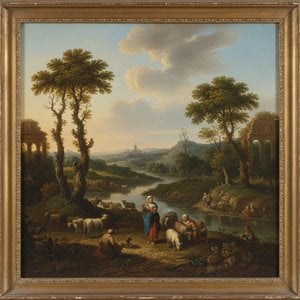
Nicolaes Berchem: Dutch Golden Age Pastoralism & the Evolution of Landscape Painting
Explore the captivating world of Nicolaes Berchem, a leading Dutch Golden Age painter. Discover his idyllic landscapes, masterful technique & lasting influence on art history. Learn more at ArtsDot.

Charles Leickert: Capturing the Dutch Golden Age Light – A Comprehensive Study of Technique, Context, and Legacy
Explore the captivating winter landscapes of Charles Leickert, a master of Dutch Golden Age light & atmosphere. Discover his techniques, symbolism, and lasting legacy – a comprehensive study for art enthusiasts and collectors.

