

 معاينة الحجم الواقعي
 مشاركة
 مشاركة
 التفاصيل
 دليل
دليل

 تحميل الملف
 قطع مشابهة
 الأشعة السينية
 عرض شرائح
 الأسئلة والأجوبة
 الإحصائيات
Imogen


 عرض المزيد
طباعة جيلي / مطبوعات فنية
طباعة جيكلي أو كانفاس بجودة المتاحف، مع سرعة في التنفيذ وخيارات متنوعة للتشطيب. ( شراء لوحة مرسومة يدويًا الانتقال إلى الصورة الرقمية)




































اختر من بين أحجامنا المُعدّة مسبقاً والتي تتوافق مع النسب الأصلية للعمل الفني.

أدخل العرض والارتفاع المطلوبين ليتناسب المقاس مع إطارك أو جدارك. يرجى الملاحظة أن المطبوعة يمكن قصها فقط ولا يمكن تكبيرها لتتجاوز أبعاد الصورة الأصلية، لذا فإن اختيار مقاس بأبعاد مختلفة سيؤدي إلى فقدان جزء من الصورة. سنرسل لك نموذجاً رقمياً تجريبياً لاعتماده قبل البدء في عملية الطباعة. الصورة المعروضة في هذه الصفحة لا توضح شكل القص الفعلي — النموذج التجريبي فقط هو ما يظهر ذلك بدقة.
توصيل عالمي إلى خلال أسبوعين بدلاً من المدة القياسية البالغة 4/5 أسابيع. (4 نوفمبر)

شحن سريع ومجاني لجميع أنحاء العالم

قماش كتان عالي الجودة

تأمين شامل على الشحن

ضمان استرداد الرسوم الجمركية

ضمان مطابقة الألوان الحقيقية

سياسة الإرجاع خلال 100 يوم (في حالات العيوب فقط)

ضمان استرداد نقدي بنسبة 100%

خصم عند طلب كميات
 خيار الزجاج متاح فقط للمقاسات التي تقل عن 110 سم

Imogen
طباعة جيلي / مطبوعات فنية
مقاس النسخة المطبوعة
-


إجمالي السعر النهائي
E£ 3295
أعمال فنية ذات صلة


السيرة الذاتية للفنان
The Genesis of a Victorian Visionary
Born in the quiet surroundings of Ryton on Tyne in 1856, Herbert Gustave Schmalz emerged as a painter whose soul was deeply entwined with the romanticism of his era. His artistic journey began with the disciplined training of the South Kensington Art School, but it was at the Royal Academy of Arts that his true potential began to unfurl under the watchful eyes of masters such as Frank Dicksee and Stanhope Forbes. This rigorous academic foundation was further enriched by his time in Antwerp, where the influence of the Royal Academy of Fine Arts instilled in him a technical virtuosity that would become his hallmark. Schmalz’s early development was marked by a pursuit of perfection, blending the structured discipline of his mentors with an innate sensitivity to the emotional weight of his subjects.
A Fusion of Classical Grace and Orientalist Wonder
Schmalz’s work is a profound dialogue between the established traditions of the Pre-Raphaelite movement and a burgeoning fascination with the exotic allure of the East. Unlike many of his contemporaries who remained tethered to purely Western motifs, Schmalz looked toward Persia and Egypt, weaving these distant, sun-drenched landscapes into his narratives. His artistic repertoire is characterized by several defining elements:
- The mastery of light and texture, particularly in how sunlight interacts with the delicate folds of classical drapery to create a luminous contrast.
- An evocative use of color that captures the vibrant, often dramatic atmosphere of historical and biblical settings.
- A meticulous attention to detail that breathes life into every architectural ledge and distant figure within his sprawling compositions.
Sacred Narratives and the Legacy of Faith
The spiritual dimension of Schmalz’s oeuvre reached its zenith following his transformative pilgrimage to Jerusalem in 1890. This journey breathed new life into his religious compositions, leading to the creation of poignant biblical scenes such as Return from Calvary. These works are not merely historical recreations but are deeply emotive explorations of loss, faith, and divine presence. Even as he later adopted the name Herbert Carmichael in 1918, his commitment to the profound themes of Christian art remained unshakable. His refusal to embrace the fleeting trends of Impressionism allowed him to maintain a steadfast devotion to the enduring power of the figure and the sanctity of the story, securing his place as a definitive voice in late Victorian painting.

Herbert Gustav Schmalz
1856 - 1935 , United Kingdom
حقائق سريعة
- Artistic Movement Or Style: Pre-Raphaelite
- Artists Or Movements Influenced By This Artist: ['Orientalism']
- Artists Who Influenced This Artist:
- Frank Dicksee
- Arthur Hacker
- Stanhope Forbes
- Date Of Birth: 1856
- Date Of Death: 1935
- Full Name: Herbert Gustave Schmalz
- Nationality: English
- Notable Artworks:
- The Great Awakening
- Imogen
- Where Is The Lord, My King
- Place Of Birth: Ryton on Tyne, United Kingdom
مقالات ذات صلة

The Pre-Raphaelite Brotherhood: Rebellion, Romance & Medieval Revival
Explore the captivating world of the Pre-Raphaelite Brotherhood! Discover their rebellious spirit, iconic masterpieces & lasting influence on art history. Learn about Rossetti, Millais & more.

Arthur Hughes: Pre-Raphaelite Visions of Beauty & Melancholy
Explore the captivating world of Arthur Hughes (1832-1915), a leading Pre-Raphaelite painter. Discover his dreamy landscapes, poetic narratives & iconic Victorian artworks. Learn about his life, style & collecting today.

أعمال دانتي غابرييل روسيتي الخالدة: 25 تحفة فنية تزين منزلك برقيّ
اكتشف 25 تحفة فنية آسرة لدانتي غابرييل روسيتي، رائد حركة ما قبل الرفائيلية. استكشف قصص لوحاته الرومانسية ورمزيته العميقة وألوانه الزيتية الخالدة. أضف لمسة فنية راقية لمنزلك مع ArtsDot.com.

Sir John Everett Millais: Pre-Raphaelite Rebellion & Victorian Narrative Detail
Explore the revolutionary art of Sir John Everett Millais & the Pre-Raphaelite Brotherhood. Discover their radical realism, symbolic narratives, and lasting impact on Victorian aesthetics. A deep dive into 19th-century masterpieces.
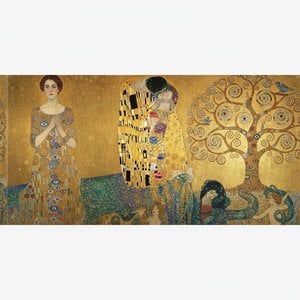
أعمال غوستاف كليمت الخالدة: 25 تحفة فنية تزين منزلك بجمال الأرت نوفو
اكتشف 25 تحفة فنية لغوستاف كليمت، رائد الأرت نوفو. استكشف قصص لوحاته الذهبية الشهيرة، ورموزيته العميقة، وتأثيره الخالد في عالم الفن والديكور. احصل على إعادة إنتاج عالية الجودة من ArtsDot.com.