


 إرسال
إرسال مشاركة
 عرض التفاصيل
 دليل الأعمال الفنية للطلاب

 تحميل
تحميل
 قطع مشابهة
 عرض شرائح متتابع
 الإحصائيات
A Miner at Work
 Sculpture
- Sculpture
- Contemporary Realism
 1942
1942- Modern
 49.0 x 49.0 cm
 Imperial War Museums
 اقرأ المزيد
إن العمل الفني المعروض في هذه الصفحة محمي بموجب قوانين حقوق الطبع والنشر، مما يعني أنه لا يحق لنا قانوناً إنشاء أو بيع نسخ مطابقة له. وتُطبق هذه الحماية بموجب الاتفاقيات الدولية مثل الـ اتفاقية برن ووفقاً للقوانين الوطنية، بما في ذلك تلك المنصوص عليها في قانون حقوق الطبع والنشر في الولايات المتحدة - الباب 17.
وكبديل قانوني ومحترم، نقدم أعمالاً فنية مخصصة ومرسومة يدوياً مستوحاة من العمل الأصلي. حيث يقوم فنانونا المهرة والمحترفون بدراسة أسلوب العمل الأصلي، وأجوائه، وجوهره الفني بعناية فائقة لابتكار قطعة جديدة وفريدة تثير الشعور ذاته - مع بقائها عملاً أصيلاً بحد ذاته.
تتوافق هذه الطريقة تماماً مع لوائح حقوق النشر لأنها لا تتضمن نسخ أو تكرار العمل الفني المحمي، بل هي إعادة تفسير إبداعية؛ أي أنها لوحة جديدة مستوحاة من الأصل ولكنها ليست مطابقة له.
نسخة زيتية مصنوعة يدوياً
لوحة زيتية مرسومة يدوياً على الكانفاس بالمقاس والإطار الذي تفضله، تُنفذ حسب الطلب على أيدي فنانينا. ( التبديل إلى المطبوعات التحويل إلى الصورة الرقمية)




































اختر من بين أحجامنا المُعدّة مسبقاً والتي تتوافق مع النسب الأصلية للعمل الفني.

يمكنك إدخال أبعاد خاصة لتناسب إطاراً أو مساحة معينة. وفي حال عدم تطابق الحجم المختار مع نسب الصورة الأصلية، سنقوم إما بقص العمل الفني أو توسيع اللوحة عبر إضافة عناصر مرسومة يدوياً. وسيتم إرسال نموذج رقمي إليك للموافقة عليه قبل بدء عملية الإنتاج.
يرجى ملاحظة أن المعاينة على الشاشة لا تعكس عملية القص أو التوسيع الفعلية؛ إذ إن النموذج الرقمي هو الوحيد الذي يوضح التكوين النهائي بدقة.
وعلى الرغم من توفر أحجام مخصصة، إلا أننا نوصي باختيار أبعاد من القائمة المحددة مسبقاً للحفاظ على النسب الأصلية للعمل الفني.
بعد إتمام الطلب، سيرسل فريق ArtsDot.com بريداً إلكترونياً للعميل لطلب التعليمات وتزويده بمعاينة تجريبية (mockup).
توصيل عالمي إلى خلال 3 إلى 4 أسابيع بدلاً من المدة المعتادة البالغة 5 أسابيع. (10 أكتوبر). جودة لا تهاون فيها.

شحن سريع ومجاني لجميع أنحاء العالم

قماش كتان فاخر

تأمين شامل على الشحن

ضمان استرداد الرسوم الجمركية

ضمان دقة مطابقة الألوان

سياسة الإرجاع خلال 100 يوم (في حالات العيوب فقط)

ضمان استرداد نقدي بنسبة 100%

عرض خصم الكميات
 خيار الزجاج متاح فقط للمقاسات التي تقل عن 110 سم

A Miner at Work
وسيط إعادة الإنتاج
مقاس النسخة المطبوعة
-


إجمالي السعر
E£ 13502
A Poignant Encounter with Resilience
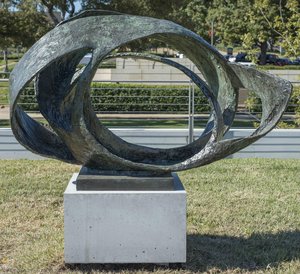
In the heavy, shadowed atmosphere of 1942, amidst the profound uncertainties of the Second World War, Henry Moore captured a moment of quiet, monumental strength in "A Miner at Work." This piece serves as much more than a mere depiction of industrial labor; it is a profound meditation on the human spirit under pressure. The artwork presents a solitary figure, a miner seated at the coal face, rendered through Moore’s signature lens of abstraction and simplified form. There is an immediate, visceral connection to the earth and the toil required to sustain a nation under siege, making the piece an evocative choice for those who appreciate art that speaks to the enduring power of perseverance.
The subject matter transcends simple portraiture, as Moore moves away from traditional realism to explore the very essence of the miner's existence. By utilizing geometric shapes and the strategic use of negative space, the artist invites the viewer to look through the form rather than just at it. The figure is hunched, absorbed in his task, a posture that simultaneously suggests the physical weight of the subterranean world and a psychological state of deep focus and quiet dignity. For collectors and designers, this work offers a sophisticated balance of heavy, grounded presence and an airy, intellectual lightness.
Mastery of Form and Texture
Technically, "A Miner at Work" is a masterclass in the Romanesco method, a process where the sculptor creates a hollow form and then meticulously removes material from the interior to reveal the underlying structure. This technique imbues the work with a remarkable tactile quality, creating a surface that feels organic and alive. The use of smooth, polished limestone allows for a precise geometric precision that contrasts beautifully with the rugged, natural themes of the piece. Every curve and hollow is intentional, designed to capture the essence of both the miner’s anatomy and the surrounding environment.
The historical context of the work adds a layer of profound emotional depth. Created during a time when coal mining was the lifeblood of the British economy, the sculpture resonates with the social fabric of communities like Wheldale Colliery. It captures the anxieties and the aspirations of an era defined by adversity. To possess a reproduction of this work is to hold a piece of history that symbolizes vulnerability transformed into strength. The interplay of light and shadow within its forms makes it a captivating centerpiece for any curated space, offering a sense of stability, reflection, and timelessness.
الأسئلة والأجوبة
ما مدى التناغم بين ألوان "A Miner at Work"؟
تُظهر لوحة "A Miner at Work" للفنان هنري مور تناغماً لونياً Strong Color Unity.
من هو الفنان الذي أبدع "A Miner at Work"؟
يُنسب العمل "A Miner at Work" إلى هنري مور.
ماذا يصور "A Miner at Work" للفنان هنري مور، وبأي طابع؟
تُظهر لوحة "A Miner at Work" موضوعات coal mining, yorkshire, sculpture, form, labor, human figure, minimalism، وتتجلى فيها حالة من Dramatic.
في أي عمر أبدع هنري مور لوحة "A Miner at Work"؟
أبدع هنري مور لوحة "A Miner at Work" وهو في سن 44. وُلد الفنان في 1898 ويعود تاريخ هذا العمل إلى 1942.
متى تم إنجاز "A Miner at Work"؟
أُبدع العمل الفني "A Miner at Work" للفنان هنري مور في عام 1942.
متى تم إنجاز "A Miner at Work" وبأي مواد؟
أُنجزت لوحة "A Miner at Work" في عام 1942، باستخدام Sculpture.
هل تبدو ألوان "A Miner at Work" قوية أم هادئة؟
تُظهر لوحة "A Miner at Work" للفنان هنري مور كثافة لونية Monochromatic.
أعمال فنية مشابهة




نبذة عن الفنان
Henry Moore: Sculptor of Form and Emotion
Henry Spencer Moore, born in the Yorkshire mining town of Castleford on July 30, 1898, stands as one of Britain’s most revered sculptors of the twentieth century. His life was shaped by a profound engagement with artistic exploration—a journey from humble beginnings to global acclaim fueled by an unwavering dedication to capturing the essence of human experience and the beauty inherent in natural forms. From his early fascination with modeling clay and carving wood, Moore demonstrated an innate talent that foreshadowed the remarkable trajectory of his career.Early Influences and Artistic Formation
Moore’s formative years were marked by a steadfast belief in education instilled by his father—a self-taught man who championed intellectual curiosity and steered him away from traditional trades toward formal schooling. Even as a young boy, he exhibited an exceptional aptitude for artistic endeavors, particularly sculpting, demonstrating a sensitivity to texture and form that would become central to his distinctive style. His studies at Leeds School of Art and subsequently the Royal College of Art in London exposed him to the transformative ideas of classical sculpture and modern movements like Cubism—influences that irrevocably shaped his artistic vision. However, Moore transcended mere stylistic imitation; he synthesized these diverse inspirations into a singular aesthetic expression characterized by profound emotional depth.The Embrace of Abstraction and Landscape
A pivotal encounter in 1925 during a trip to Mexico ignited Moore’s passion for abstraction—specifically the monumental sculptures of the Aztec civilization. The simplicity and geometric precision of Aztec art liberated him from representational constraints, prompting him to explore forms devoid of literal depiction yet brimming with expressive power. This period witnessed the genesis of his signature style: semi-abstract sculptures distinguished by rounded, organic shapes—often punctuated by voids or apertures—that interacted dynamically with light and space. Moore’s artistic sensibility was deeply rooted in the Yorkshire landscape—the rolling hills and windswept moors that served as constant source of inspiration. He sought to convey not just visual impressions but also intangible feelings—a sense of serenity, vulnerability, and connection to the natural world.The Reclining Figure: A Symbol of Tranquility
Moore’s artistic legacy rests primarily upon his exploration of the *reclining figure*, which became synonymous with his name. These sculptures are not merely representations of repose; they are meditations on form, volume, and the relationship between the human body and its surroundings—a deliberate departure from conventional anatomical accuracy. The undulating curves characteristic of reclining figures evoke a timelessness that transcends cultural boundaries, conveying a profound sense of peace and contemplation. Furthermore, Moore’s sculptures frequently incorporate openings or voids—strategic incisions that invite viewers to consider the interplay between light and shadow—enhancing their expressive qualities and deepening their symbolic resonance.Recognition and Enduring Impact
Throughout his illustrious career, Moore received numerous commissions from prominent institutions—allowing him to realize ambitious sculptural projects that transformed urban spaces and captivated audiences worldwide. He firmly believed that art should serve as a catalyst for dialogue and understanding—actively championing accessibility and fostering artistic innovation. His monumental bronzes stand as enduring emblems of human creativity—testaments to his unwavering commitment to capturing the essence of human experience and conveying profound emotional truths. Henry Moore’s influence on subsequent generations of sculptors is undeniable—he challenged prevailing aesthetic conventions and championed abstraction as a means of expressing complex ideas—leaving an indelible mark on the history of modern art.- Notable Sculptures: Reclining Figure, Family Group, Shelter Drawings
- Influential Movements: Modernism, Cubism
- Key Themes: Human Form, Landscape, Tranquility

هنري مور
1898 - 1986 , المملكة المتحدة
لمحة سريعة
- Artistic Movement Or Style: التعبيرية الفرنسية، النحت المجرد
- Artists Who Influenced This Artist: ['إدوارد كانينجز"، "بيير مكيسي']
- Date Of Birth: ٣٠ يوليو ١٨٩٨
- Date Of Death: ٣١ أغسطس ١٩٨٦
- Full Name: هنري مور
- Nationality: بريطانية
- Notable Artworks: ['شكل مستلقٍ"، "رسومات المأوى"، "المارّة والطفل']
- Place Of Birth: كاستلفراد، المملكة المتحدة
مقالات ذات صلة

أعمال فيرناند ليجر الخالدة: 25 تحفة فنية تزين منزلك بلمسة عصرية
اكتشف 25 تحفة فنية لفيرناند ليجر، رائد الت تكعيبية والفن الحديث. استكشف قصص لوحاته الجريئة وألوانها المميزة وتأثيرها على عالم الديكور والتصميم الداخلي. احصل على نسخ عالية الجودة من أعمال ليجر الأصلية على ArtsDot.com.

Kandinsky's Masterpieces: 25 Paintings That Define Abstract Art | ArtsDot
Journey through Wassily Kandinsky's 25 most iconic abstract paintings. Explore his revolutionary use of color, form & spiritual expressionism. Find museum-quality Kandinsky reproductions and elevate your home decor with ArtsDot.com. Discover all masterpieces on ArtsDot.com!

Beyond Form & Color: Geometric Abstraction's Evolution in 20th/21st Century Art
Explore the evolution of geometric abstraction from Cubism to contemporary art. Discover key artists like Malevich & Mondrian, investment insights, and expert collecting advice at ArtsDot.

أكثر 10 روائع فنية حدّدت حركة التجريد الهندسي | ArtsDot.com
اكتشف 10 روائع فنية غيرت مسار التجريد الهندسي! تعرف على بيكاسو، موندريان وماليفيتش وغيرهم. لوحات أصلية وإعادة إنتاج فاخرة لديكور عصري. استلهم منزلك مع ArtsDot.com

Bronze Sculptures That Defined Art History | ArtsDot
Journey through art history with our Top 10 bronze sculptures! Explore masterpieces by Rodin, Michelangelo & more. Discover stories behind iconic statues and find museum-quality reproductions for your home decor at ArtsDot.com.


