


 معاينة الحجم الحقيقي
 مشاركة
 مشاركة
 التفاصيل
 الدليل

 تحميل الملف
 قطع مشابهة
 الأشعة السينية
 عرض شرائح
 الإحصائيات
Landscape
 Impressionism
 45.0 x 33.0 cm
 عرض المزيد
نسخة زيتية مصنوعة يدوياً
لوحة زيتية مرسومة يدوياً على الكانفاس بالمقاس والإطار الذي تفضله، تُنفذ حسب الطلب على أيدي فنانينا. ( التحويل إلى المطبوعات الانتقال إلى الصورة الرقمية)




































اختر من بين أحجامنا المُعدّة مسبقًا والتي تتطابق مع النسب الأصلية للعمل الفني.

يمكنك إدخال أبعادك الخاصة لتناسب إطارًا معينًا أو مساحة محددة. وإذا لم يتطابق الحجم الذي اخترته مع نسب الصورة الأصلية، فسنقوم إما بقص العمل الفني أو توسيع اللوحة بإضافة عناصر مرسومة يدويًا. سيتم إرسال نموذج رقمي إليك للموافقة عليه قبل بدء الإنتاج.
يرجى ملاحظة أن المعاينة على الشاشة لا تعكس عملية القص أو التوسيع الفعلية؛ حيث إن النموذج الرقمي وحده هو الذي سيوضح التكوين النهائي بدقة.
وعلى الرغم من توفر أحجام مخصصة، إلا أننا نوصي باختيار أبعاد من القائمة المحددة مسبقًا للحفاظ على النسب الأصلية للعمل الفني.
بعد إتمام الطلب، سيرسل فريق ArtsDot.com بريداً إلكترونياً للعميل لطلب التعليمات وتزويده بمعاينة تجريبية (mockup).
توصيل عالمي إلى خلال 3 إلى 4 أسابيع بدلاً من المدة المعتادة البالغة 5 أسابيع. (25 سبتمبر). جودة لا تهاون فيها.

شحن سريع ومجاني لجميع أنحاء العالم

قماش كتان عالي الجودة

تأمين شحن شامل

ضمان استرداد الرسوم الجمركية

ضمان مطابقة الألوان الحقيقية

سياسة الإرجاع خلال 100 يوم (في حالات العيوب فقط)

ضمان استرداد نقدي بنسبة 100%

خصم عند طلب عدة قطع
 خيار الزجاج متاح فقط للمقاسات التي تقل عن 110 سم

Landscape
خامة إعادة الإنتاج
مقاس النسخة المطبوعة
-


السعر الإجمالي النهائي
$ 263
أعمال فنية ذات صلة


السيرة الذاتية للفنان
Hachiro Nakagawa: Bridging East and West in Landscape Painting
Hachiro Nakagawa (1877 – 1922) stands as a pivotal figure in Japanese landscape painting, representing a fascinating confluence of Western Impressionism and traditional Japanese aesthetics. Born in Nagasaki Prefecture, Nakagawa’s artistic journey began under the tutelage of prominent artists Matsumoto Sangoro and Koyama Shotaro, grounding him in the foundational principles of Japanese art before embarking on a transformative European expedition in 1899. This formative experience profoundly impacted his stylistic sensibilities, propelling him toward mastering Western techniques while retaining an unwavering devotion to capturing the essence of Japan’s serene natural beauty.- Early Influences: Nakagawa's initial training instilled within him a deep appreciation for compositional balance and tonal gradation—characteristics prevalent in Japanese monochrome prints (ukiyo-e). These influences would subtly permeate his later works, demonstrating an enduring connection to the artistic heritage of his homeland.
- European Exploration & Impressionistic Transformation: His travels through Europe exposed Nakagawa to the burgeoning Impressionist movement, spearheaded by artists like Claude Monet and Camille Pissarro. He eagerly absorbed their innovative approaches to color and light, incorporating these techniques into his landscape paintings with remarkable success. This fusion resulted in canvases imbued with vibrant hues and shimmering textures—a deliberate departure from conventional Japanese painting styles.
- The Taiheiyo Gakai & Collaborative Spirit: Nakagawa’s artistic ambitions extended beyond individual creation; he actively participated in the establishment of the Taiheiyo Gakai (Pacific Ocean Society) alongside Maruyama Banka, a collective dedicated to promoting Japanese art and culture internationally. This collaborative endeavor underscores his belief in shared artistic endeavors as catalysts for cultural exchange and advancement.
- Signature Style: Nakagawa’s distinctive style is characterized by meticulous observation of nature combined with masterful execution—traits that define the best examples of his oeuvre. He skillfully blended Impressionistic color palettes with Japanese compositional conventions, producing landscapes that resonate with both Western dynamism and Eastern tranquility.
Notable Landscapes & Artistic Achievements
Nakagawa’s artistic output encompassed a considerable number of paintings depicting iconic Japanese vistas—mountains, rivers, forests, and coastal scenes—each rendered with exceptional detail and sensitivity. Among his most celebrated works are depictions of Mount Fuji, capturing its majestic grandeur under varying atmospheric conditions, and panoramic views of Nara Park, showcasing the lush greenery and blossoming cherry blossoms characteristic of springtime in Japan. His paintings were exhibited extensively throughout Europe during his lifetime, garnering critical acclaim for their artistic merit and conveying a profound appreciation for the beauty of the Japanese landscape.Legacy & Historical Significance
Hachiro Nakagawa’s contribution to Japanese art history is undeniable. He stands as one of the foremost proponents of Western Impressionism within Japan, successfully bridging the gap between Eastern tradition and Western innovation. His paintings continue to inspire artists today, serving as a testament to his artistic vision and enduring legacy—a reminder that beauty can flourish across cultural boundaries when informed by meticulous observation and skillful execution. Nakagawa’s work exemplifies the spirit of experimentation and adaptation that propelled Japanese art into the 20th century, securing its place as an important chapter in the broader narrative of global artistic development.
hachiro nakagawa
1877 - 1922 , Japan
حقائق سريعة
- Artistic Movement Or Style: Western Style Landscape Painting
- Artists Or Movements Influenced By This Artist: ['Utagawa Hiroshige']
- Artists Who Influenced This Artist:
- Matsubara Sangoro
- Koyama Shōtarō
- Date Of Death: 1922
- Full Name: Hachiro Nakagawa
- Nationality: Japanese
- Notable Artworks: ['Landscape']
- Place Of Birth: Japan
مقالات ذات صلة

Ephemeral Visions: Exploring the History & Emotional Resonance of Watercolor Painting
Explore the captivating history of watercolor painting, from ancient techniques to modern masters like Kandinsky & Blake. Discover essential artists, collecting tips & the emotional power of this luminous medium. Expert insights for art enthusiasts.

Beyond the Horizon: A Curated Guide to Integrating Post-Impressionist Landscapes into Modern Interiors
Transform your home with the emotive power of Post-Impressionist landscapes. Discover expert tips on selecting hand-painted oil reproductions to create a soulful, vibrant interior that reflects your unique style and connection to nature.

Ephemeral Visions: Exploring the Artistic Legacy & Contemporary Practice of Watercolor Painting
Explore the captivating world of watercolor painting! Discover its rich history, essential techniques, influential artists & collecting tips. A comprehensive guide for art enthusiasts from ArtsDot.
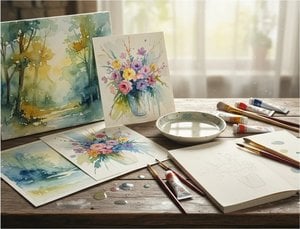
Ephemeral Visions: Exploring the Artistic Legacy & Nuances of Watercolor Painting
Explore the captivating world of watercolor painting! Discover its rich history, essential techniques, influential artists & collecting tips from art experts. A comprehensive guide for enthusiasts.

Watercolor Wonders: 10 Masterpieces That Redefined Art History | ArtsDot
Journey through 10 legendary watercolor masterpieces by Sargent, Turner & Homer! Explore iconic landscapes, portraits & floral art that redefined history. Find museum-quality reproductions and curated decor ideas at ArtsDot.com.