


 معاينة الحجم الواقعي
 إرسال
إرسال مشاركة
 عرض التفاصيل
 دليل الأعمال الفنية للطلاب

 تحميل
تحميل
 قطع مشابهة
 الأشعة السينية
 عرض شرائح متتابع
 الإحصائيات
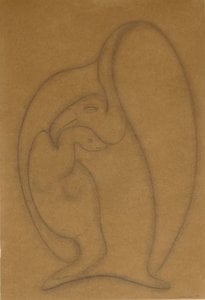
Three Generations
 اقرأ المزيد
طباعة جيلي / مطبوعات فنية
طباعة جيكلي أو كانفاس بجودة المتاحف، مع سرعة في التنفيذ وخيارات متنوعة للتشطيب. ( اطلب نسخة مرسومة يدويًا التحويل إلى الصورة الرقمية)




































اختر من بين أحجامنا المُعدّة مسبقاً والتي تتوافق مع النسب الأصلية للعمل الفني.

يمكنك إدخال أبعاد خاصة لتناسب إطاراً أو مساحة معينة. وفي حال عدم تطابق الحجم المختار مع نسب الصورة الأصلية، سنقوم إما بقص العمل الفني أو تمديد الصورة باستخدام حافة معكوسة أو لون مصمت. وسيتم إرسال نموذج تجريبي رقمي لاعتمادك قبل بدء عملية الإنتاج.
يرجى ملاحظة أن المعاينة على الشاشة لا تعكس عملية القص أو التمديد الفعلية؛ حيث سيوضح النموذج التجريبي فقط التكوين النهائي بدقة.
وعلى الرغم من توفر أحجام مخصصة، إلا أننا نوصي باختيار أبعاد من القائمة المحددة مسبقاً للحفاظ على النسب الأصلية.
توصيل عالمي إلى خلال أسبوعين بدلاً من المدة القياسية البالغة 4/5 أسابيع. (10 أكتوبر)

شحن سريع ومجاني لجميع أنحاء العالم

قماش كتان فاخر

تأمين شامل على الشحن

ضمان استرداد الرسوم الجمركية

ضمان دقة مطابقة الألوان

سياسة الإرجاع خلال 100 يوم (في حالات العيوب فقط)

ضمان استرداد نقدي بنسبة 100%

عرض خصم الكميات
 خيار الزجاج متاح فقط للمقاسات التي تقل عن 110 سم

Three Generations
طباعة جيلي / مطبوعات فنية
مقاس النسخة المطبوعة
-


إجمالي السعر
E£ 3183
أعمال فنية مشابهة



نبذة عن الفنان
A Life Forged in Wood and War
The life of Gyula Derkovits was a profound struggle between the heavy reality of manual labor and the ethereal call of artistic expression. Born in Szombathely, Hungary, his early years were defined by the scent of sawdust and the discipline of craftsmanship, as he was initially apprenticed to his father’s carpentry workshop. This foundation in physical labor would later haunt and inform the very texture of his visual language. Despite a burgeoning talent nurtured by a sign painter, Derkovical's path was diverted by the onset of World War I. He volunteered for service, a decision that left him with lasting scars: a paralyzed left hand and a debilitating lung condition. These physical hardships did not stifle his spirit but rather redirected it toward the pursuit of art through night schools and private instruction, eventually leading him to study under Károly Kernstok.
The Evolution of a Visual Language
As Derkovits navigated the turbulent political landscape of early 20th-century Hungary, his artistic style underwent a remarkable metamorphosis. His early works, shaped by his time in Budapest and later in Vienna, vibrated with the energy of Expressionism, Cubism, and Constructivism. During his years in Vienna, the influence of German expressionist painting became palpable, lending a certain raw intensity to his compositions. However, as he matured, his work moved away from purely formal experimentation toward a deeply personal and eccentric style. He began to favor tempera, utilizing it to create larger, almost monumental paintings that captured the essence of daily life with a unique blend of strict image editing and lyrical color.
Social Consciousness and Graphic Mastery
Beyond the canvas, Derkovits was a master of graphic arts, using printmaking to voice his profound social critiques. His connection to the political movements of his time—including his period of involvement with the Hungarian Communist Party—deeply permeated his subject matter. One of his most significant achievements remains his series of twelve woodcuts depicting the peasant revolt of 1514, a work that solidified his reputation through its powerful depiction of historical struggle. His graphic output often served as a biting satire of bourgeois society, utilizing sharp lines and stark contrasts to highlight the plight of the common person. Through both his monumental paintings and his intricate etchings, Derkovits left an indelible mark on Hungarian visual arts, blending social criticism with an unmistakable, individual formal language.

Gyula Derkovits
1894 - 1934 , Hungary
لمحة سريعة
- Artistic Movement Or Style: Expressionism, Cubism and Constructivism
- Artists Who Influenced This Artist: ['Károly Kernstok']
- Full Name: Gyula Derkovits
- Nationality: Hungarian
- Notable Artworks:
- The Last Supper
- Sleeping Woman
- Boat Smith
- Mother
- 1514 woodcuts
- Place Of Birth: Szombathely, Hungary
- Date Of Birth: 1894
- Date Of Death: 1934