


 معاينة الحجم الحقيقي
 مشاركة
 مشاركة
 التفاصيل
 الدليل

 تحميل الملف
 قطع مشابهة
 الأشعة السينية
 عرض شرائح
 الإحصائيات
Hibiscus syriacus


 عرض المزيد
احصل على صورة رقمية عالية الدقة ومعزّنة، بجودة تفوق بكثير المعاينة عبر الإنترنت.
يتم إعداد كل ملف بعناية فائقة من قبل متخصصينا الداخليين باستخدام أدوات متقدمة ولمسات يدوية خبيرة. نضمن أن تتمتع كل صورة بوضوح استثنائي، ودقة لونية متناهية، وتفاصيل دقيقة.
يتم تسليم الملف النهائي عبر البريد الإلكتروني في غضون 72 ساعة، وهو مُحسَّن للاستخدام الفوري في المجالات المهنية والتحريرية ومجالات الطباعة. هذه هي ذات الجودة التي تعتمد عليها كبرى استوديوهات التصميم ودور النشر والمعارض الفنية المرموقة.
صورة رقمية
حمّل ملفاً عالي الدقة للعرض الشخصي، والطباعة، والمشاريع الإبداعية. ( التحويل إلى المطبوعات اشترِ لوحة مرسومة يدويًا)
مزايا مُضمّنة في كل طلب صورة رقمية
تسليم رقمي احترافي، مضمون
عندما تختار ArtsDot.com، فأنت لا تحصل على مجرد صورة فحسب، بل ستحصل على عمل فني رقمي مُحسّن باحترافية، صُمم بدقة متناهية ومصحوب بضمان الرضا. إليك كل ما يتضمنه طلبك تلقائياً:

تسليم سريع عبر البريد الإلكتروني
ستصلك ملفات صورك الرقمية عالية الدقة عبر البريد الإلكتروني في غضون 72 ساعة من إتمام الطلب - لتكون جاهزة للاستخدام الفوري.

ملف رقمي مُحسّن بالذكاء الاصطناعي
يتم تحسين عملك الفني باحترافية باستخدام أدوات الذكاء الاصطناعي المتقدمة والتحرير اليدوي، لضمان أقصى درجات التفاصيل والوضوح ودقة الألوان.

إعادة إرسال مجانية مدى الحياة
هل حذفت ملفك أو فقدته عن طريق الخطأ؟ لا تقلق - سنعيد إرساله إليك في أي وقت، ومجاناً.

بدون رسوم استيراد - على الإطلاق
استمتع بأعمالك الفنية فوراً دون أي رسوم جمركية أو ضرائب أو مصاريف شحن - فالتحميلات الرقمية دائماً ما تكون معفاة من الضرائب.

ضمان دقة الألوان
نحن نضمن أن تعكس صورتك الرقمية الألوان الأصلية بأقصى قدر ممكن من الدقة، وذلك باستخدام أدوات احترافية وتقنيات إدارة الألوان.

ضمان الرضا لمدة 100 يوم
إذا لم تكن راضياً عن صورتك الرقمية، فسنقوم بتعديلها أو استرداد 100% من قيمتها خلال 100 يوم - دون طرح أي أسئلة.

ضمان استعادة الأموال بنسبة % 100
لم تكن راضياً؟ استرد كامل المبلغ خلال 100 يوم من استلام ملفك الرقمي - دون طرح أي أسئلة.

خصومات الطلبات الكبيرة
اشتري 3 صور، ووفر 10% - اشتري 5، ووفر 15% - اشتري +10، ووفر 20%. مثالية للمشاريع الإبداعية، والمعارض، والوكالات.
أعمال فنية ذات صلة


السيرة الذاتية للفنان
Francis Bacon: A Life Etched in Darkness
Born on October 28, 1909, in Dublin, Ireland, Francis Bacon’s life and art were inextricably linked to a profound sense of unease and existential questioning. His early years were marked by instability – his parents separated when he was young, and he spent much of his childhood moving between various relatives. This fragmented upbringing profoundly shaped his artistic vision, fostering a deep-seated preoccupation with isolation, pain, and the fragility of human existence. Unlike many artists who sought to capture beauty or idealized forms, Bacon relentlessly pursued the grotesque, the unsettling, and the raw depiction of psychological torment. He famously stated that he “saw images in series,” suggesting an almost compulsive need to return to recurring motifs – distorted faces, screaming figures, and fragmented bodies – each iteration imbued with a unique layer of anguish.
Bacon’s formal artistic training was minimal; he received only brief instruction at Yale University and the Art Students League in New York. This lack of traditional academic grounding proved liberating, allowing him to develop his intensely personal and idiosyncratic style. He began his career as an interior decorator and bon vivant in London's Soho district, a vibrant hub of artists, writers, and intellectuals. This bohemian lifestyle fueled his artistic exploration, providing him with a network of friends – Lucian Freud, John Deakin, Henrietta Moraes, and others – who became recurring subjects in his work. These figures weren’t simply portraits; they were embodiments of the anxieties and passions that consumed Bacon.
The Evolution of a Style: From Bio-Morphs to Crucifixions
Bacon's artistic journey can be broadly divided into several distinct periods, each characterized by a specific thematic focus. His early work in the 1930s, often referred to as “bio-morphs,” featured distorted, almost embryonic figures – a direct influence of Picasso’s work—that seemed to emerge from a primal darkness. These figures were frequently enclosed within geometric structures, suggesting a sense of confinement and psychological distress. As World War II loomed, Bacon's art became increasingly preoccupied with violence and suffering, culminating in the harrowing *Three Studies for Figures at the Base of a Crucifixion* (1944), a triptych depicting three screaming figures emerging from a pool of blood.
The 1940s saw the emergence of his iconic “male heads” – isolated, staring faces trapped within claustrophobic rooms or enclosed by sharp angles. These images powerfully conveyed feelings of loneliness, paranoia, and impending doom. In the mid-to-late 1950s, Bacon shifted his attention to animals—particularly hens and pigs—and lone figures, often depicted in dramatic, almost theatrical poses. This period marked a move towards greater abstraction, with forms becoming increasingly fragmented and distorted. The 1960s brought a renewed focus on crucifixions, reflecting the artist’s growing interest in mortality and religious iconography. Finally, in his later years, Bacon returned to portraits of friends and companions, often rendered in somber, technical paintings that seemed to capture the passage of time and the inevitability of death – exemplified by *The Black Triptychs* (1982-1985).
Influences and Techniques
Bacon’s art was shaped by a diverse range of influences. He admired the work of artists such as Picasso, whose distorted figures provided a starting point for his own explorations of form and expression. He also drew inspiration from Surrealism, particularly the works of Max Ernst and Salvador Dalí, which explored the subconscious mind and the irrationality of human experience. Bacon’s technique was equally innovative. He employed a distinctive method of applying paint directly to the canvas with minimal preparation, often using rags, knives, and other tools to create textured surfaces and jagged edges. His use of color was deliberately jarring – harsh reds, yellows, and blacks dominated his palette, contributing to the overall sense of unease and drama in his paintings.
Legacy and Significance
Francis Bacon died on April 28, 1992, leaving behind a body of work that continues to challenge and disturb viewers. His art is often described as “nightmarish” or “grotesque,” but it also possesses a profound emotional resonance. Bacon’s unflinching depiction of human suffering—both physical and psychological—has cemented his place as one of the most important artists of the 20th century. He rejected traditional notions of beauty and representation, instead offering a brutally honest and deeply unsettling vision of the human condition. His influence on subsequent generations of artists is undeniable, and his work remains a powerful testament to the enduring power of art to confront us with our own mortality.
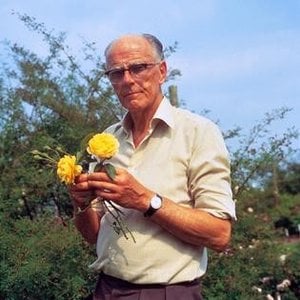
graham stuart thomas
1909 - 2003 , United Kingdom
لمحة سريعة
- Artistic Movement Or Style: Figurative painting
- Artists Or Movements Influenced By This Artist: ['Existentialism']
- Artists Who Influenced This Artist:
- Picasso
- Furies
- Date Of Birth: October 28, 1909
- Date Of Death: April 28, 1992
- Full Name: Francis Bacon
- Nationality: British
- Notable Artworks:
- Three Studies for Figures at the Base of a Crucifixion
- Study for a Self-Portrait—Triptych
- Place Of Birth: Dublin, Ireland