


 معاينة الحجم الواقعي
 إرسال
إرسال مشاركة
 عرض التفاصيل
 دليل الأعمال الفنية للطلاب

 تحميل
تحميل
 قطع مشابهة
 الأشعة السينية
 عرض شرائح متتابع
 الإحصائيات
Gladiatori

 اقرأ المزيد
إن العمل الفني المعروض في هذه الصفحة محمي بموجب قوانين حقوق الطبع والنشر، مما يعني أنه لا يحق لنا قانوناً إنشاء أو بيع نسخ مطابقة له. وتُطبق هذه الحماية بموجب الاتفاقيات الدولية مثل الـ اتفاقية برن ووفقاً للقوانين الوطنية، بما في ذلك تلك المنصوص عليها في قانون حقوق الطبع والنشر في الولايات المتحدة - الباب 17.
وكبديل قانوني ومحترم، نقدم أعمالاً فنية مخصصة ومرسومة يدوياً مستوحاة من العمل الأصلي. حيث يقوم فنانونا المهرة والمحترفون بدراسة أسلوب العمل الأصلي، وأجوائه، وجوهره الفني بعناية فائقة لابتكار قطعة جديدة وفريدة تثير الشعور ذاته - مع بقائها عملاً أصيلاً بحد ذاته.
تتوافق هذه الطريقة تماماً مع لوائح حقوق النشر لأنها لا تتضمن نسخ أو تكرار العمل الفني المحمي، بل هي إعادة تفسير إبداعية؛ أي أنها لوحة جديدة مستوحاة من الأصل ولكنها ليست مطابقة له.
نسخة زيتية مصنوعة يدوياً
لوحة زيتية مرسومة يدوياً على الكانفاس بالمقاس والإطار الذي تفضله، تُنفذ حسب الطلب على أيدي فنانينا. ( التبديل إلى المطبوعات التحويل إلى الصورة الرقمية)




P118B E£10

P118H E£10

P118W E£10

P438Z E£10

P508JH E£12

P508YH E£12

P805H E£10

P805Z E£10

P919BZ E£10

P919G E£10

P919XJ E£10

P959ZH E£10

P968JZ E£12

W106C E£8

W218G E£10

W218JH E£8

W218Y E£10

W307PJ E£10

W316G E£10

W316PJ E£8

W316Y E£10

W398PJ E£8

W4111J E£10

W500HY E£15

W500JH E£15

W692G E£12

W849H E£8

W940BG E£15

W953PJ E£8




اختر من بين أحجامنا المُعدّة مسبقاً والتي تتوافق مع النسب الأصلية للعمل الفني.

أدخل العرض والارتفاع اللذين تحتاجهما، ليتناسب العمل مع إطارك أو جدارك. وبما أن هذه اللوحة مرسومة يدوياً، ففي حال اختيار مقاس بشكل مختلف، يمكن للفنان رسم مساحة إضافية حول الصورة أو تقليصها قليلاً — الخيار لك. سنرسل لك نموذجاً رقمياً تجريبياً لاعتماده قبل البدء في الرسم. علماً بأن الصورة المعروضة في هذه الصفحة لا تعكس النتيجة النهائية الحقيقية — فالنموذج التجريبي هو الوحيد الذي يوضح ذلك بدقة.
بعد إتمام الطلب، سيرسل فريق ArtsDot.com بريداً إلكترونياً للعميل لطلب التعليمات وتزويده بمعاينة تجريبية (mockup).
توصيل عالمي إلى خلال 3 إلى 4 أسابيع بدلاً من المدة المعتادة البالغة 5 أسابيع. (23 أكتوبر). جودة لا تهاون فيها.

شحن سريع ومجاني لجميع أنحاء العالم

قماش كتان فاخر

تأمين شامل على الشحن

ضمان استرداد الرسوم الجمركية

ضمان دقة مطابقة الألوان

سياسة الإرجاع خلال 100 يوم (في حالات العيوب فقط)

ضمان استرداد نقدي بنسبة 100%

عرض خصم الكميات
 خيار الزجاج متاح فقط للمقاسات التي تقل عن 110 سم

Gladiatori
وسيط إعادة الإنتاج
مقاس النسخة المطبوعة
-


إجمالي السعر
E£ 14888
A Fragment of Dreamscape: De Chirico’s ‘Teste di Gladiatori’
Giorgio de Chirico's “Teste di gladiatori” – literally "Gladiator Heads" – stands as a cornerstone of Metaphysical Art, an unsettling yet undeniably beautiful exploration of the subconscious mind and its confrontation with classical grandeur. Painted in 1916, this lithograph encapsulates the artist’s profound engagement with philosophical ideas championed by Schopenhauer and Nietzsche, mirroring their preoccupation with irrationality and the illusory nature of perception. The scene depicts two nude male figures positioned against a stark circular base bathed in diffused light—a deliberate echo of Roman arcades, instantly transporting viewers to a realm beyond mere realism.- Composition & Technique: De Chirico employs masterful hatching and cross-hatching techniques to sculpt the musculature of the gladiators’ heads, creating an illusion of depth and texture that defies conventional perspective. The geometric simplicity of the base—a circle—contrasts sharply with the organic contours of the figures, emphasizing their isolation within this stylized space. Lithography ensures exceptional tonal precision, allowing for nuanced shading and capturing the subtle interplay between light and shadow.
- Symbolism & Context: The gladiators themselves are not merely anatomical representations; they embody themes of confrontation and vulnerability. Their masks—a direct reference to classical portraiture—suggest a detachment from emotion and an awareness of being observed, mirroring the artist’s own intellectual anxieties about the role of art in representing reality. De Chirico's preoccupation with Schopenhauer’s concept of ‘will,’ which posits that all existence is driven by unconscious desires, finds expression in the unsettling stillness of the scene.
- Color Palette & Emotional Impact: The muted color palette—primarily shades of grey, brown, and ochre—contributes to the artwork's melancholic atmosphere. The subtle inclusion of red highlights—perhaps referencing blood or passion—adds a jarring element of tension, underscoring the psychological drama unfolding within the composition.
- Influence & Legacy: “Teste di gladiatori” profoundly impacted Surrealist artists like René Magritte and Salvador Dalí, who adopted de Chirico’s unsettling juxtapositions of familiar objects in unfamiliar contexts as a stylistic hallmark. It remains an enduring testament to the power of art to evoke emotion and provoke contemplation about the human condition—a dreamscape rendered with meticulous detail and imbued with intellectual rigor.
Exploring Metaphysical Art: De Chirico’s Vision
Giorgio de Chirico's artistic breakthrough occurred during a period marked by significant intellectual upheaval in Europe, fueled by thinkers like Nietzsche and Schopenhauer who questioned traditional beliefs about morality and metaphysics. Rejecting Impressionism’s focus on sensory experience, he sought to depict inner psychological states rather than external appearances—a radical departure from prevailing artistic conventions. This ambition led him to develop Metaphysical Art, characterized by dreamlike landscapes populated by enigmatic figures and objects rendered with unsettling precision.- Philosophical Roots: De Chirico’s fascination with Schopenhauer's pessimism – the belief that life is fundamentally meaningless and driven by irrational forces – profoundly shaped his artistic vision. He aimed to capture the elusive realm of subconscious thought, mirroring Nietzsche’s critique of Western philosophy and its reliance on reason alone.
- Formal Innovations: De Chirico experimented with unconventional perspectives and flattened spatial relationships, creating images that resemble architectural interiors or stage sets—a deliberate disruption of realistic representation. The use of mannequins – often positioned in desolate spaces – became a recurring motif, symbolizing the emptiness and alienation inherent in modern existence.
- Roman Echoes: Recurring references to Roman architecture—arcades, columns, statues—served as visual anchors for De Chirico’s dreamscapes, evoking memories of classical antiquity while simultaneously highlighting their decay and irrelevance.
A Lithograph's Delicate Precision
The execution of “Teste di gladiatori” exemplifies de Chirico’s mastery of lithography – a printing technique renowned for its ability to achieve exceptional tonal accuracy and detail. Unlike oil paints, which blend colors seamlessly, lithography relies on transferring ink onto stone, resulting in crisp lines and subtle gradations that capture the nuances of light and shadow with remarkable fidelity. This meticulous process underscores De Chirico’s commitment to conveying psychological states through visual form—a testament to his artistic ingenuity.- Material Considerations: The choice of paper – typically Japanese mulberry paper – contributes to the artwork's aesthetic qualities, enhancing its textural surface and complementing the artist’s expressive linework.
- Printing Process: Skilled craftsmen carefully apply ink to the stone matrix, transferring it onto paper through a series of rollers—a process that demands precision and patience.
- Resulting Image Quality: The resulting lithograph possesses an unparalleled level of tonal subtlety and textural richness – qualities that elevate it beyond mere reproduction into a powerful embodiment of De Chirico’s artistic vision.
الأسئلة والأجوبة
أين يمكنني مشاهدة معاينة لـ "Gladiatori"؟
يمكنك معاينة "Gladiatori" للفنان جورجيو دي تشيريكو عبر صفحة معاينة الخاصة بالعمل الفني.
كيف يربط عمل "Gladiatori" للفنان جورجيو دي تشيريكو بين Metaphysical Art والوطن الأم للفنان؟
أُنجز العمل الذي ينتمي إلى مدرسة Metaphysical Art بعنوان "Gladiatori" على يد فنان وُلد في اليونان.
ما هي الأسماء المستعارة أو الأسماء الأخرى التي يُعرف بها جورجيو دي تشيريكو؟
يُعرف جورجيو دي تشيريكو أيضاً باسم جوستو ماريا ألبرتو جورجيو دي تشيريكو.
أعمال فنية مشابهة


نبذة عن الفنان
جورجيو دي كيريكو: بين الواقع والغموض المطلق
في قلب مدينة فولوس اليونانية، وُلد جيوزيبي ماريا ألبرتو جورجيو دي كيريكو في عام 1888، لآباء إيطاليين. نشأ الفنان في بيئة غنية بالتراث الكلاسيكي والغموض، حيث شكلت جذوره الإيطالية وعلاقاته اليونانية نقطة انطلاق رحلته الفنية الفريدة. بعد دراسته الأولية في أثينا، انتقل دي كيريكو إلى ميونيخ، حيث انغمس في المشهد الفني الأوروبي النابض بالحياة. هناك، اكتشف أعمال أرنولد بوكلين وماكس كلينجر، اللذين تركا بصمة عميقة على رؤيته الفنية المتطورة. لم يكن التأثير الفني وحده هو الذي شكل دي كيريكو؛ بل كانت الأفكار الفلسفية التي استلهمها من كتابات فريدريك نيتشه وأرثر شوبنهاور وأوتو فايننجر، والتي تعمق في موضوعات الوجودية والعبثية والسعي وراء المعنى في عالم يبدو فاقدًا له. هذه الأفكار ستصبح حجر الزاوية في رؤيته الفنية الرائدة.ولادة التصوير الميتافيزيقي: تحويل الواقع إلى حلم
في عام 1909 تقريبًا، بدأت أسلوب فريد بالظهور من خلال استكشافات دي كيريكو – وهو أسلوب أسماه بنفسه "التصوير الميتافيزيقي". لم يكن هذا مجرد ابتكار فني؛ بل كان محاولة عميقة لالتقاط الحقائق الخفية التي تكمن وراء سطح الحياة اليومية، للكشف عن الشعرية المقلقة التي تتربص في المساحات المألوفة. كانت الزيارة الحاسمة إلى فلورنسا وتجربة في ساحة سانتا كروتش هي الشرارة التي أشعلت سلسلة "الميادين الحضرية الميتافيزيقية" الشهيرة. تتميز هذه اللوحات بهدوئها الغريب، وظلالها الدرامية الطويلة، والمنظورات غير المنطقية، ووجود العمارة الكلاسيكية جنبًا إلى جنب مع عناصر مزعجة مثل الدمى التي لا تملك وجوهًا والتماثيل الشاهقة. التأثير عميق ومزعج، ويستحضر إحساسًا بالحنين والعزلة ورغبة لا تطاق في شيء مفقود أو غير قابل للتحقيق. أسس دي كيريكو "مدرسة التصوير الميتافيزيقي"، مما أثر بعمق على الواقعية الفائقة، على الرغم من أنه سرعان ما ابتعد عن تفسيراتهم لعمله. لم تهدف لوحاته إلى أن تكون مجرد صور للأحلام، بل محاولات لتصوير واقع يتجاوز العالم المرئي – عالم تتلاشى فيه المساحة والزمان، وتتداخل فيه الحدود بين الوعي واللاوعي.تحول فني: من الميتافيزيقا إلى الكلاسيكية الجديدة
بعد الحرب العالمية الأولى، شهد مسار دي كيريكو الفني تحولًا غير متوقع. رفض نهجه الميتافيزيقي السابق، واحتضن بدلاً من ذلك أسلوبًا أكثر تقليدية، مستوحى من الكلاسيكية الجديدة والباروك. أثار هذا التحول انتقادات واسعة النطاق؛ فقد اتهمه الكثيرون بالتخلي عن الروح المبتكرة التي حددت عمله المبكر. ومع ذلك، ظل دي كيريكو ثابتًا في اختياراته الفنية، حيث أعاد زيارة الموضوعات من الماضي ولكن بتعبير جمالي مختلف تمامًا. استمر في الرسم والمعرض بشكل مثمر طوال حياته، واستكشف أنماطًا ومواضيع مختلفة مع الحفاظ على التزام دائم بالمهارة التقنية والحرفية.التأثير والإرث الدائم
يعتبر عمل دي كيريكو جسرًا حيويًا بين حركة الرمزية في أواخر القرن التاسع عشر وصعود الواقعية الفائقة في أوائل القرن العشرين. تأثر بشكل مباشر بفنانين مثل أرنولد بوكلين وماكس كلينجر، اللذين تركا بصمة على اهتمامه بالأسطورة والعقل الباطن. قدمت له فلسفة نيتشه وشوبنهاور إطارًا لاستكشاف موضوعات القلق الوجودي والغربة والبحث عن المعنى في عالم يبدو فاقدًا له. ومع ذلك، امتد تأثير دي كيريكو إلى ما هو أبعد من الواقعية الفائقة. تأثر الفنانون مثل رينيه ماغريت وسلفادور دالي بشكل كبير بلوحاته الميتافيزيقية، وتبنوا تقنياته في التضاد والمنظور غير المنطقي والصور الرمزية لإنشاء عوالمهم الخاصة التي لا تشبه الواقع. كما أثر عمله على حركات لاحقة مثل الواقعية السحرية، والتي سعت إلى تصوير الواقع اليومي بإحساس غامض وعميق من الغموض النفسي.التأثيرات الفنية والفكرية
- تأثر بـ: أرنولد بوكلين، ماكس كلينجر، فريدريك نيتشه، آرثر شوبنهاور.
- أثر في: الواقعية الفائقة، وخاصة الفنانين مثل رينيه ماغريت وسلفادور دالي. كما أثر عمله على حركات لاحقة مثل الواقعية السحرية.

جورجيو دي تشيريكو
1888 - 1978 , اليونان
لمحة سريعة
- Artistic Movement Or Style: الرسم الكوني
- Artists Who Influenced This Artist:
- آرنولد بوكلين
- ماكس كلينجر
- فريدريك نيتشه
- Date Of Birth: ١٠ يوليو ١٨٨٨
- Date Of Death: ٢٠ نوفمبر ١٩٧٨
- Full Name: جورجيو دي تشيريكو
- Nationality: إيطالي
- Notable Artworks:
- المُتعب الفيلسوف
- اللغز بعد الظهر الخريفي
- أغنية الحب
- Place Of Birth: فولوس، اليونان
مقالات ذات صلة

Carlo Carrà: Futurist Visions & Metaphysical Transformations in Early 20th-Century Italian Painting
Explore the artistic journey of Carlo Carrà, a pivotal figure in Italian Futurism & Metaphysical painting. Discover his dynamic compositions, collaborations with de Chirico, and lasting influence on modern art history.
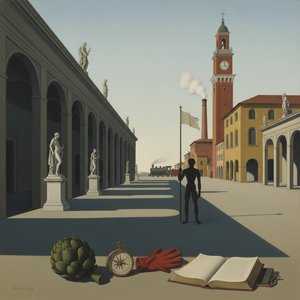
Giorgio de Chirico: Metaphysical Realities & the Poetics of Absence
Explore the captivating world of Giorgio de Chirico and his groundbreaking Metaphysical painting movement. Discover the philosophical depths & surreal imagery that influenced generations of artists. Learn more at ArtsDot.

About Us
Discover our story! We bring world-class art into your life through expert curation, personalized creations, and free previews. Trusted by individuals and businesses since 2000.

Beyond Reality's Veil: Exploring the Enigmatic World of Metaphysical Art
Explore the captivating world of Metaphysical art with ArtsDot. Discover Giorgio de Chirico's iconic paintings, philosophical influences & lasting impact on Surrealism. Expert insights for collectors.

أفضل 25 لوحة لفنانٍ عبقري: جوايا يلامس الروح بالفن والتاريخ
اكتشف 25 تحفة فنية لفنان العبقري جوايا! رحلة في عالم لوحاته المؤثرة، من الرومانسية إلى الواقعية. احصل على نسخ عالية الجودة لديكور منزلك الفاخر على ArtsDot.com


